
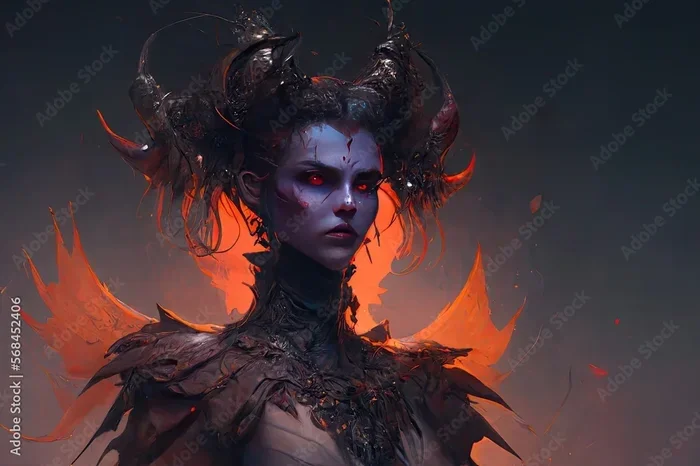
The succubus meaning goes far beyond a simple demon lover story. This ancient figure has roots in medieval folklore, religious texts, and even modern dream interpretation. Understanding the succubus legend means exploring centuries of mythology, psychology, and cultural symbolism. Whether you encountered the term in a movie, a dream, or a history book, this guide covers it all.
Have you ever heard the word succubus and wondered what it really means? Maybe you saw it in a movie, read it in a book, or came across it in a dream interpretation guide. The succubus meaning is deeper and more fascinating than most people realize.
This ancient figure has captivated human imagination for centuries. From medieval manuscripts to modern horror films, the succubus has evolved in incredible ways. In this article, we will explore the full succubus history, its roots in folklore, its role in mythology, and how it shows up in our lives today. By the end, you will have a complete picture of this mysterious and often misunderstood entity.
We will also look at the succubus meaning in dreams, its connection to the male counterpart called the incubus, and why this legend has survived for so long. Whether you are a history buff, a horror fan, or just curious, this guide has something for you. Let us dive into the dark and intriguing world of the succubus.
Key Takeaways
- The succubus is a female demon from ancient folklore known for seducing men in their sleep.
- The word “succubus” comes from Latin and means “to lie beneath,” reflecting its nocturnal nature.
- Medieval demonologists documented succubi extensively, linking them to theology and witchcraft fears.
- The male counterpart is the incubus, and both share similar origins in ancient mythology.
- In modern pop culture, succubi appear in films, books, and games with very different portrayals.
- Dreaming of a succubus may symbolize hidden desires, fears, or emotional conflicts.
- The succubus legend connects to real historical events like the witch trials and religious inquisitions.
📑 Table of Contents
- What Is a Succubus? Understanding the Basics
- The Origins and Etymology of the Succubus
- Succubus in Medieval Demonology
- The Incubus Connection: The Male Counterpart
- Succubus in Modern Pop Culture
- Succubus Meaning in Dreams and Spirituality
- Common Misconceptions About Succubi
- How the Succubus Legend Has Evolved Over Time
What Is a Succubus? Understanding the Basics
At its core, a succubus is a female demon or spirit from folklore. The word comes from the Latin term “succuba,” which means “a woman who lies beneath.” This refers to the demon lying beneath a sleeping person, usually a man, during the night.
The succubus demon is often described as incredibly beautiful and seductive. It visits its victim in dreams or during sleep paralysis. The goal, according to ancient beliefs, was to drain the person’s energy, life force, or even their soul over time.
Here are some key traits commonly associated with the succubus in folklore:
- Appears in dreams or during sleep when the victim is most vulnerable
- Takes a beautiful human form to lure the victim
- Drains energy or vitality from the person it visits
- Operates at night, which ties into its nocturnal nature
- Leaves the victim feeling exhausted upon waking
The succubus legend is not just one story. It spans many cultures and centuries. Different regions had their own versions of the night demon that visited lovers in their sleep. What unites all these stories is the idea of a supernatural being that crosses the boundary between the dream world and reality.
Many people also confuse the succubus with other supernatural entities. It is important to distinguish it from ghosts, vampires, and other spirits. The succubus is specifically a seducer demon that operates through intimacy and dreams. This makes it unique in the world of folklore and demonology.
The Succubus in Early Religious Texts
Some of the earliest references to succubi come from religious texts. Medieval Christian writers documented encounters with these demons in detail. They believed succubi were real beings sent by the devil to tempt humans.
The succubus meaning in these texts was deeply tied to sin and temptation. A succubus was seen as a tool of the devil to corrupt the pure. Religious leaders warned that even thinking about a succubus could lead to spiritual danger.
These texts also raised questions about what happened if a succubus and a human produced offspring. This leads us to one of the most famous figures in the succubus mythology — the Cambion.
The Cambion: Offspring of a Succubus
A cambion is the child born from a union between a succubus and a human, usually a man. According to medieval beliefs, the succubus would visit a man repeatedly until he fathered a child. The child would then be half-human and half-demon.
The succubus folklore around cambions is dark and fascinating. These children were said to be born with strange powers or unsettling features. Some legends claim they had no heartbeat or could not cast a reflection in a mirror.
This idea of the demon-human hybrid adds another layer to the succubus meaning. It shows how the legend was used to explain unusual births or children who seemed different from others. In a time of deep superstition, the succubus provided a supernatural explanation for the unexplained.
The Origins and Etymology of the Succubus
Understanding where the word comes from helps us understand the entity itself. The succubus etymology traces back to Latin, as we mentioned earlier. But the concept of a night demon predates the Latin term by centuries.
Ancient Mesopotamian cultures had their own versions of the succubus. The Lilith figure from Jewish mythology is often considered one of the earliest succubus-like entities. Lilith was said to be Adam’s first wife, who refused to submit and was cast out of Eden.
After her expulsion, Lilith became a night demon in many traditions. She was said to visit men in their sleep and steal their vitality. The connection between Lilith and the succubus is strong and widely recognized in folklore studies.
Here is a quick look at the timeline of succubus origins:
- Ancient Mesopotamia (3000 BCE): Early demons like Lilith and Lilitu appeared in texts
- Jewish Mysticism (Medieval Period): Lilith became firmly linked to succubus-like behavior
- Latin Term Coined: “Succuba” entered common religious and scholarly vocabulary
- Medieval Demonology (14th-16th Century): Succubi were extensively documented by scholars and clergy
- Modern Era: The succubus evolved into a pop culture icon and dream symbol
The succubus origin story is really a story of how humans explained the unexplained. Sleep paralysis, night terrors, and vivid dreams were terrifying experiences for people in ancient times. Without modern science, they created supernatural explanations. The succubus was one of the most powerful of these explanations.
Succubus in Medieval Demonology
The Middle Ages saw an explosion of interest in demons and the supernatural. Medieval demonology became a serious field of study, especially within the Church. Scholars and clergy wrote extensively about demons, including succubi.
One of the most famous texts on this subject is the “Malleus Maleficarum,” written in 1486. This book, often called the “Hammer of Witches,” discussed succubi in great detail. It claimed that succubi were real and that they played a role in witchcraft.
According to medieval beliefs, succubi did more than just visit men in dreams. They were accused of:
- Stealing semen from sleeping men
- Transferring the stolen seed to incubi or female humans
- Causing infertility in men who were visited too often
- Spreading disease through their nocturnal visits
- Corrupting the souls of the righteous through temptation
The succubus meaning in medieval times was tied directly to fear and religious anxiety. People genuinely believed these demons were real and dangerous. This fear fueled witch hunts, inquisitions, and widespread paranoia across Europe.
The Connection Between Succubi and Witch Trials
Many women accused of witchcraft were said to consort with succubi. The idea was that a witch could summon or become a succubus to harm others. This belief gave authorities a reason to accuse and execute women who were seen as different or threatening.
The succubus history is therefore not just about demons. It is also about the persecution of innocent people. The legend of the succubus was weaponized during some of the darkest periods in human history.
It is important to remember this context when studying the succubus folklore. The stories were not just entertainment. They reflected real fears, real anxieties, and real suffering experienced by countless people.
The Incubus Connection: The Male Counterpart
No discussion of the succubus is complete without mentioning the incubus. The incubus meaning is essentially the male version of the succubus. While a succubus is a female demon, an incubus is a male demon that visits women.
The two entities share many similarities. Both are nocturnal, both are seductive, and both are believed to drain energy from their victims. The succubus and incubus are often discussed together in folklore and mythology.
Here is a simple comparison between the two:
- Succubus: Female demon, visits sleeping men, drains vitality
- Incubus: Male demon, visits sleeping women, drains vitality
- Both: Associated with night, dreams, and seduction
- Both: Rooted in medieval Christian demonology
- Both: Featured in modern pop culture and horror
The relationship between succubi and incubi also raised theological questions in medieval times. If a succubus collected semen from a man and an incubus delivered it to a woman, what happened to the children? Some scholars argued this explained mysterious births and even the origin of certain demons.
The succubus symbol and the incubus symbol both represent the fear of the unknown. They personify the darkness that lurks in the night and the vulnerability we feel when we sleep. These archetypes continue to resonate with us today, which is why they appear so often in modern storytelling.
Incubus and Succubus in Different Cultures
The idea of a night demon is not unique to European folklore. Many cultures around the world have their own version of this entity.
In Arabic folklore, the “qarina” is a spirit that visits people in their sleep, similar to a succubus. In Hindu mythology, the “vetala” is a spirit that inhabits corpses and can seduce the living. In West African traditions, certain spirits were believed to visit people at night and drain their energy.
The succubus mythology is part of a much larger global pattern. Almost every culture has stories about supernatural beings that visit the sleeping. This suggests that the fear of the night demon is deeply human and universal.
Succubus in Modern Pop Culture
Today, the succubus has taken on a very different look. The succubus meaning in modern media is often far removed from the terrifying demon of medieval folklore. In movies, TV shows, books, and video games, succubi are frequently portrayed as complex characters.
Some modern depictions show succubi as antiheroes. Others portray them as seductive villains. And some even show them as romantic interests with a dark edge. This shift in portrayal reflects how our culture has changed its relationship with fear, sexuality, and the supernatural.
The succubus in pop culture can be seen in many popular franchises:
- Video Games: Characters like Morrigan from Dragon Age and Lilith from Borderlands
- Movies and TV: Succubi appear in horror films and supernatural dramas
- Comics and Manga: Succubi are common characters in fantasy and horror genres
- Music: The term “succubus” is used in song lyrics and band names
- Literature: Modern novels reimagine the succubus as a complex character
One of the most interesting shifts is how the succubus has become a symbol of female power and sexuality. In ancient times, the succubus was a figure of fear and danger. Today, she is sometimes reclaimed as a symbol of female desire and autonomy.
Why the Succubus Endures in Popular Media
The succubus legend endures because it taps into deep human themes. It explores desire, fear, temptation, and the boundaries between the physical and spiritual worlds. These are themes that never go out of style.
Modern audiences are drawn to the complexity of the succubus character. She is not simply a monster. She is a being that challenges our understanding of good and evil, desire and danger, beauty and horror. This complexity makes her a perfect subject for storytelling.
The succubus symbol also works well in visual media. The imagery of a beautiful, dark figure visiting a sleeping person is inherently dramatic and cinematic. Artists and filmmakers have long been drawn to this powerful visual.
Succubus Meaning in Dreams and Spirituality
One of the most common ways people encounter the concept of the succubus today is through dreams. If you have ever dreamed of a mysterious, beautiful, and slightly frightening figure visiting you at night, you may have wondered about the succubus meaning in dreams.
In dream interpretation, a succubus often represents hidden desires or unresolved conflicts. It can symbolize:
- Unexplored sexual desires or feelings of guilt about your sexuality
- Emotional drain from a relationship or situation in your waking life
- Fear of intimacy or vulnerability
- Shadow self themes from Jungian psychology
- A need for control over your own energy and boundaries
It is important to remember that dreaming of a succubus does not mean something is wrong with you. Dreams are a natural way for our subconscious to process emotions and experiences. The succubus in a dream is often a metaphor, not a literal warning.
In spiritual circles, the succubus spirit is sometimes discussed as a real energetic presence. Some people believe that spirit entities can interact with humans during sleep. Whether you take a spiritual or psychological view, the succubus meaning in this context is about exploring what lies beneath the surface of your conscious mind.
How to Interpret a Succubus Dream
If you had a dream involving a succubus, here are some tips to help you interpret it:
First, consider how you felt during the dream. Were you afraid, excited, or confused? Your emotional response is the most important clue to the dream’s meaning.
Second, look at the details. What did the succubus look like? What did she say or do? Every detail can add layers of meaning to the interpretation.
Third, connect the dream to your waking life. Are you experiencing any situations that involve temptation, energy drain, or emotional intensity? The dream may be reflecting these real-life experiences.
Finally, do not be afraid to seek guidance. A therapist, dream analyst, or spiritual advisor can help you explore the meaning of recurring dreams in a safe and supportive way.
Sleep Paralysis and the Succubus Connection
Many people who report encounters with succubi are actually experiencing sleep paralysis. This is a real medical phenomenon where a person wakes up but cannot move or speak. It is often accompanied by vivid hallucinations and a feeling of a presence in the room.
Throughout history, sleep paralysis was explained through supernatural beings like succubi and incubi. People genuinely believed a demon was sitting on their chest or visiting them at night. Today, we know this is a neurological event, but the succubus legend still provides a powerful framework for understanding these frightening experiences.
This connection between sleep paralysis and the succubus is one of the most fascinating aspects of the succubus history. It shows how ancient explanations for mysterious experiences can persist even after science offers a different understanding.
Common Misconceptions About Succubi
There are many myths and misunderstandings surrounding the succubus. Let us clear up some of the most common ones.
Myth 1: Succubi are always evil. In modern interpretations, succubi are not always villainous. Many stories portray them as complex beings with their own motivations and desires.
Myth 2: Only men can be visited by succubi. While medieval texts focused on male victims, modern interpretations recognize that succubi can appear to anyone regardless of gender.
Myth 3: Succubi are real demons that physically exist. From a scientific perspective, succubi are cultural and psychological constructs. They represent real human fears and desires through a supernatural lens.
Myth 4: The succubus is only a male fantasy. While the succubus does have roots in male fear of female sexuality, the legend has evolved to encompass much broader themes of power, desire, and the unknown.
Understanding these misconceptions helps us appreciate the succubus meaning in a more nuanced and accurate way. The legend is not just about fear. It is about the complexity of human psychology and the stories we tell to make sense of our world.
How the Succubus Legend Has Evolved Over Time
The succubus legend has changed dramatically over the centuries. What was once a terrifying demon of religious fear has become a multifaceted symbol in modern culture.
In ancient times, the succubus was a genuine source of terror. People believed these demons could literally harm them. In the Middle Ages, succubi were used to explain everything from nightmares to unexplained pregnancies.
In the modern era, the succubus has been reimagined in countless ways. She appears as a villain in horror films, a love interest in romance novels, and a complex character in video games. Each new portrayal adds another layer to the succubus meaning.
This evolution shows the power of storytelling. A single legend can adapt to reflect the fears, desires, and values of each generation. The succubus has survived for thousands of years because she speaks to something deeply human.
Looking ahead, it is likely that the succubus will continue to evolve. New media, new cultural attitudes, and new psychological insights will all shape how we understand this ancient figure. One thing is certain: the succubus legend is far from over.
The beauty of studying the succubus meaning is that it connects us to our ancestors and to our own inner world. Whether you approach it from a historical, psychological, or cultural perspective, there is always something new to discover.
So the next time you come across the word succubus, remember that it represents much more than a simple demon. It is a window into centuries of human imagination, fear, and storytelling. And that is what makes the succubus one of the most enduring figures in all of folklore.
The succubus meaning is a mirror. It reflects our deepest fears about the night, our desires, our vulnerabilities, and our need to explain the unexplainable. By understanding this figure, we understand a little more about ourselves and the stories that shape our world.
Frequently Asked Questions
What is the succubus meaning in simple terms?
A succubus is a female demon from folklore that visits people in their sleep, often taking a beautiful form to seduce them. The word comes from Latin and means “a woman who lies beneath.” In simple terms, it is a night demon that drains energy from its victims.
Where did the succubus legend originate?
The succubus legend has ancient roots, dating back to Mesopotamian mythology and the figure of Lilith. It was later formalized in medieval Christian demonology. The concept of a female night demon appears in many cultures worldwide, suggesting a universal human fear of the dark and the unknown.
Is the succubus the same as an incubus?
The succubus and incubus are closely related but not the same. A succubus is a female demon that visits sleeping men, while an incubus is a male demon that visits sleeping women. Both share similar origins in folklore and are often discussed together in mythology.
What does it mean if you dream about a succubus?
Dreaming of a succubus often symbolizes hidden desires, emotional drain, or unresolved conflicts in your waking life. It can also relate to sleep paralysis or vivid night terrors. The dream is usually a metaphor for something going on in your subconscious mind rather than a literal event.
Are succubi real?
From a scientific perspective, succubi are not real physical beings. They are cultural and psychological constructs that represent real human fears and desires. However, the experiences people attribute to succubi, such as sleep paralysis and vivid nightmares, are very real and well-documented.
How has the succubus been portrayed in modern media?
In modern pop culture, succubi appear in video games, movies, TV shows, books, and comics. They are often portrayed as complex characters rather than simple villains. Some modern depictions even frame succubi as sympathetic or romantic figures, a significant shift from the terrifying demons of medieval folklore.
=== CONCLUSION ===
The succubus meaning is a rich and layered topic that spans thousands of years of human history. From ancient Mesopotamian demons to medieval Christian texts, from sleep paralysis experiences to modern video game characters, the succubus has never stopped evolving.
We have explored the origins, the folklore, the connection to the incubus, the role in pop culture, and the psychological meaning of succubus dreams. Each of these perspectives adds depth to our understanding of this fascinating figure.
The succubus legend endures because it speaks to something fundamental in the human experience. It touches on our fears of the dark, our desires, our vulnerabilities, and our need to find meaning in the mysterious events of our lives. Whether you view the succubus as a literal demon, a psychological symbol, or a compelling storytelling device, there is no denying its power and resonance.
Now that you understand the full succubus meaning and its dark history, you can appreciate this legend in a whole new way. The next time you encounter a succubus in a movie, a dream, or a conversation, you will know the depth of the story behind it. And that knowledge is what makes exploring folklore and mythology so rewarding.
Keep exploring, keep questioning, and keep discovering the fascinating stories that have shaped our world for thousands of years. The succubus is just one of many legends waiting to be understood.