
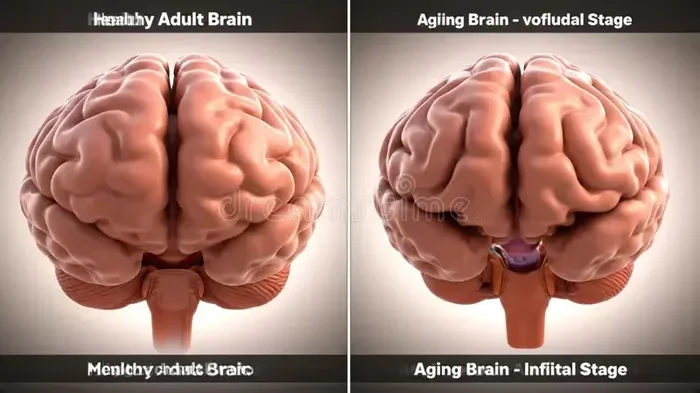
The senile meaning has shifted dramatically over the decades. Once used as a catch-all term for mental decline in older adults, it is now considered outdated and often hurtful. Understanding the true senile meaning helps us use better language, recognize real health conditions, and support aging loved ones with compassion and accuracy.
You have probably heard someone use the word senile before. Maybe a family member called an elderly grandparent “senile.” Perhaps you saw it in an old movie or read it in a document. The word pops up often, but its senile meaning is widely misunderstood.
Here is the truth. The senile meaning has changed a lot over the years. What people once used as a simple label for forgetfulness or confusion in older adults is now recognized as vague, misleading, and often harmful. Understanding the real senile meaning matters more than most people realize.
In this article, we will break down the senile meaning in plain language. We will explore where the word came from, why doctors no longer use it, and what conditions it actually overlaps with. You will learn how aging affects the brain, what signs to watch for, and why the words we choose matter for the people we love.
Whether you are caring for an older parent, planning for your own future, or just curious, this guide covers everything you need to know. Let us get into it.
Key Takeaways
- Senile is an outdated term: It was once used loosely to describe mental decline in older people but lacks medical precision today.
- The real senile meaning refers to age-related loss of mental function: But doctors now prefer specific diagnoses like dementia or mild cognitive impairment.
- Using the word “senile” can cause harm: It carries stigma and oversimplifies complex brain health issues in elderly adults.
- Many symptoms once called “senile” are now treatable: Some causes of cognitive decline are reversible with proper care.
- Accurate language improves care: Using the right terms helps families get the right support and treatment for older adults.
- Brain health matters at every age: Lifestyle habits can protect cognitive function and reduce the risk of age-related mental decline.
📑 Table of Contents
What Does Senile Actually Mean?
The Origin and Traditional Definition
The word senile comes from the Latin word “senex,” which means old man or old age. For decades, senile meaning was simple. It described any mental or physical decline that came with getting older. People used it to talk about memory loss, confusion, or even physical weakness in the elderly.
Back then, doctors and families used the term loosely. If an older adult became forgetful or confused, they were simply called “senile.” The word carried no medical weight. It was more of a general label for anything that went wrong with aging.
Today, that has changed completely. The medical community has moved away from the term. It is too broad, too vague, and often misleading. When people ask about the senile meaning now, the honest answer is that it is an outdated word with no clear medical definition.
How the Word Has Fallen Out of Favor
You might wonder why a word so common suddenly fell out of use. The answer lies in better science and greater awareness. As researchers learned more about the aging brain, they realized that not all decline is the same.
For example, some older adults experience mild forgetfulness that does not interfere with daily life. Others face serious conditions like Alzheimer’s disease or other forms of dementia. Grouping all of these under one word like “senile” hides important differences. It also prevents people from getting the right help.
Now, medical professionals use precise terms. Words like cognitive decline, mild cognitive impairment, and neurocognitive disorder replace the old label. These terms give families and doctors a clearer picture of what is happening. They also open doors to better treatment and support.
Common Signs People Mistakenly Call “Senile”
Memory Loss in Older Adults
One of the most common reasons people search for the senile meaning is memory loss. They notice a parent or grandparent forgetting names, appointments, or where they put their keys. Naturally, they wonder if something serious is happening.
Here is what you should know. Some memory changes are a normal part of aging. The brain slows down a bit over time. It takes longer to learn new things. You might not recall a name as quickly as you used to. This is not the same as a serious brain condition.
True memory loss that affects daily life is different. It includes forgetting familiar routes, repeating the same questions over and over, or struggling to recognize close family members. These signs point to something that needs medical attention. They go far beyond the loose senile meaning people used to throw around.
Confusion and Disorientation
Another sign people often label as “senile” is confusion. An older adult might get lost in a familiar neighborhood. They might lose track of dates, seasons, or even the passage of time. This kind of mental decline can be frightening for everyone involved.
But confusion has many possible causes. Sometimes it stems from a urinary tract infection or medication side effects. Other times, it signals a deeper issue like cognitive impairment or early-stage dementia. The point is this: confusion is a symptom, not a diagnosis. And it deserves a proper evaluation, not just a dismissive label.
Changes in Behavior and Personality
Families sometimes notice sudden shifts in personality. A once-cheerful parent becomes withdrawn or suspicious. A gentle grandparent starts snapping at caregivers. People often chalk this up to the senile meaning they grew up with. But behavior changes are rarely just about “getting old.”
These shifts can stem from depression, anxiety, medication interactions, or untreated pain. They can also be early signs of neurological conditions. The key takeaway is simple. Do not accept a vague label. Seek a thorough evaluation to uncover the real cause.
Senile vs. Dementia: Understanding the Real Difference
Why the Distinction Matters
Many people use “senile” and “dementia” interchangeably. But they are not the same thing. Understanding this distinction is one of the most important things you can do for an aging loved one.
The senile meaning was always a catch-all term. It lumped together many different symptoms under one outdated label. Dementia, on the other hand, is a recognized medical term. It describes a specific set of symptoms that interfere with daily functioning. These include memory loss, difficulty communicating, impaired reasoning, and problems with attention.
Dementia is not a single disease. It is an umbrella term for a group of conditions. Alzheimer’s disease is the most common cause. But vascular dementia, Lewy body dementia, and frontotemporal dementia are other examples. Each has its own pattern, progression, and treatment options.
Conditions That Fall Under the Old “Senile” Label
Here is a quick look at what the old senile meaning once covered. Today, these conditions have their own names and treatment paths.
- Alzheimer’s disease: A progressive brain disorder that slowly destroys memory and thinking skills. It is the most common cause of dementia.
- Vascular dementia: Caused by reduced blood flow to the brain, often after a stroke or series of small strokes.
- Mild cognitive impairment: A stage between normal aging and dementia. Memory or thinking problems are noticeable but do not yet disable daily life.
- Delirium: A sudden state of confusion often triggered by illness, surgery, or medication changes. It is temporary and often reversible.
- Depression-related cognitive symptoms: Sometimes called “pseudodementia,” this mimics dementia but improves with treatment for depression.
See how different each of these is? The old senile meaning blurred all of them together. Modern medicine treats them separately, which leads to better outcomes.
What Causes Senile-Like Symptoms?
Age-Related Cognitive Decline
Aging naturally affects the brain. Connections between brain cells slow down. Processing speed decreases. Many people notice mild forgetfulness after age 60. This is a normal part of aging and does not necessarily signal a serious problem.
Research shows that the brain can continue forming new connections throughout life. Staying mentally active, socially engaged, and physically fit helps maintain brain function well into old age. So not every sign of slowing down means something is wrong.
Reversible Causes of Mental Decline
Here is a hopeful fact. Many symptoms once called “senile” are actually reversible. This is one of the most important reasons to avoid the old senile meaning and seek proper medical care.
Common reversible causes include:
- Medication side effects: Some drugs cause confusion or memory problems, especially in older adults. A doctor can often adjust the prescription.
- Vitamin deficiencies: Low levels of B12 or folate can mimic dementia symptoms. Simple blood tests can catch this.
- Thyroid problems: An underactive thyroid can cause brain fog, sluggishness, and memory issues.
- Depression and grief: Emotional distress often looks like mental decline in elderly adults. Treating the underlying issue can restore clarity.
- Sleep disorders: Poor sleep or sleep apnea can severely affect cognitive health and concentration.
- Infections: Urinary tract infections and other illnesses can cause sudden confusion in older adults.
When you hear the word “senile,” remember that many of these causes are treatable. The right diagnosis changes everything.
How to Support Brain Health as You Age
Lifestyle Habits That Protect Cognitive Function
Good news. You can take steps to protect your brain at any age. Research strongly supports several habits that promote long-term cognitive health and reduce the risk of age-related memory loss.
Here are the most effective strategies backed by science:
- Stay physically active: Regular exercise boosts blood flow to the brain. Even daily walks make a real difference in maintaining mental sharpness.
- Keep your mind engaged: Reading, puzzles, learning new skills, and social activities all help build cognitive reserve.
- Eat a brain-friendly diet: The Mediterranean diet, rich in fish, olive oil, vegetables, and nuts, is linked to better brain health in older adults.
- Prioritize sleep: Quality sleep allows the brain to clear toxins and consolidate memories. Aim for seven to eight hours per night.
- Manage chronic conditions: High blood pressure, diabetes, and cholesterol all affect brain function over time. Keeping them in check protects cognition.
- Stay socially connected: Isolation increases the risk of cognitive decline. Regular social interaction keeps the mind active and resilient.
When to See a Doctor
It is not always easy to know when forgetfulness crosses the line into something serious. A good rule of thumb is this. If memory or thinking problems start to interfere with daily life, it is time to see a doctor.
Early evaluation matters. Many conditions that cause cognitive impairment respond much better to treatment when caught early. A doctor can run tests, review medications, and rule out reversible causes. Do not wait and do not accept the old senile meaning as an explanation. Your loved one deserves a proper diagnosis.
Quick tip. Keep a simple log of changes you notice. Write down specific examples of forgetfulness, confusion, or behavior shifts. This information helps the doctor make a more accurate assessment.
Why the Word “Senile” Matters Today
The Stigma Around Aging and Mental Health
The senile meaning carries more than just medical weight. It carries stigma. When people use “senile” as a careless label, they reinforce harmful stereotypes about aging. They imply that mental decline is inevitable, shameful, or not worth treating.
Nothing could be further from the truth. Many older adults stay mentally sharp well into their 80s and beyond. And for those who do face cognitive challenges, compassion and proper care make a world of difference. The language we use shapes how society treats aging adults.
Using Kind, Accurate Language
Next time you feel tempted to use the word “senile,” pause. Ask yourself what you really mean. Is it memory loss? Is it dementia? Is it confusion from a treatable cause? Using the right term shows respect for the person and leads to better care.
Families who use accurate language also find it easier to communicate with doctors. They get more targeted advice and access to the right resources. Something as simple as choosing the right word can open doors that the old senile meaning keeps closed.
Expert insight. Dr. Natasha Turner, a geriatric specialist, often tells families this. “Words shape perception. When we stop using vague labels and start naming specific conditions, we empower patients and families to take action.” That is a powerful reminder about why language matters in senior health.
Conclusion
The senile meaning is a reminder of how far our understanding of aging has come. What was once a careless, all-purpose label is now recognized as outdated and imprecise. Today, we have the tools and the knowledge to understand the brain changes that affect older adults with much greater accuracy.
Understanding the real senile meaning helps you advocate for better care. It helps you avoid stigma. And it helps you use language that respects the dignity of aging loved ones. Whether you are dealing with memory loss, cognitive decline, or simply planning ahead, the right words make all the difference.
Remember. Forgetfulness is not the same as dementia. Confusion is not the same as senility. And many causes of mental decline are treatable. The most important step you can take is to seek a proper evaluation. Do not settle for a vague old label when real answers and real help are available.
Use what you have learned here. Speak with compassion. Choose accurate terms. And never underestimate the power of good language to change how we see aging.
Frequently Asked Questions
Is “senile” a medical diagnosis today?
No. The word “senile” is no longer used as a medical diagnosis. Doctors now use specific terms like dementia, mild cognitive impairment, or Alzheimer’s disease. These terms give a much clearer picture of what is happening and guide proper treatment.
Can someone labeled “senile” still improve?
Absolutely. Many symptoms once called “senile” are reversible. Medication side effects, vitamin deficiencies, depression, and infections can all cause cognitive decline that improves with treatment. A proper medical evaluation is the first step.
What is the difference between normal aging and dementia?
Normal aging includes mild forgetfulness, like forgetting a name but remembering it later. Dementia involves persistent memory loss, confusion, and difficulty with daily tasks that worsen over time. The key difference is severity and impact on everyday life.
Why do people still use the word “senile”?h3>
The word “senile” is still common in everyday language because it has been used for generations. Many people learned it from older family members or outdated media. However, medical professionals strongly encourage dropping the term in favor of more accurate and respectful language.
What should I do if I notice memory changes in a loved one?
Start by gently expressing your concern. Then encourage a visit to a doctor for a full evaluation. Keep a log of specific examples you have noticed. Early diagnosis leads to better outcomes, so do not wait or assume it is just “getting old.”
Can lifestyle changes really protect brain health?
Yes. Research shows that exercise, social engagement, a healthy diet, quality sleep, and mental stimulation all support cognitive health as you age. These habits do not guarantee perfect brain function, but they significantly reduce the risk of serious cognitive decline.