
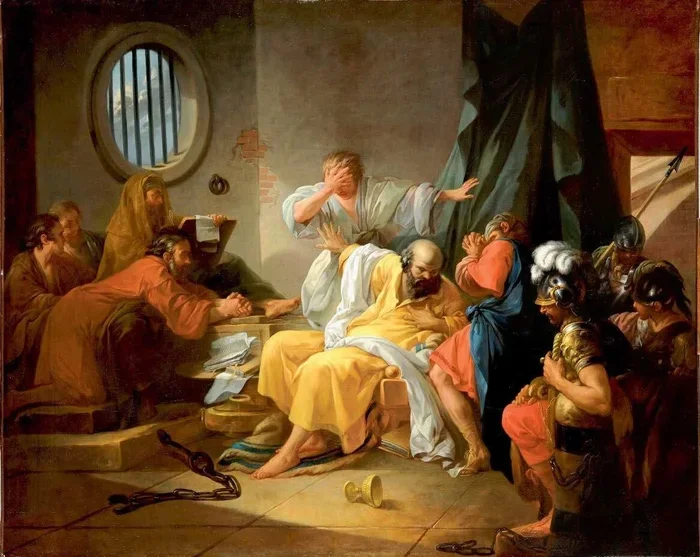
The sacrilege meaning refers to the act of violating or showing disrespect toward something considered sacred, holy, or deeply revered. Understanding this concept helps us navigate religious sensitivity, cultural traditions, and moral boundaries in an increasingly interconnected world. This guide breaks down the sacrilege meaning in plain language, explores its history, and explains why it still matters in 2024 and beyond.
Key Takeaways
- Sacrilege meaning: Any act that disrespects or violates something sacred, whether religious or cultural.
- Sacrilege differs from blasphemy: Blasphemy targets God directly, while sacrilege can target sacred objects, places, or practices.
- Ancient roots: The concept dates back thousands of years across multiple civilizations and religions.
- Modern relevance: Social media, art, and cultural exchange have made sacrilege a hot-button topic today.
- Legal implications: Many countries still have laws against sacrilegious acts, though enforcement varies widely.
- Respect matters: Understanding the sacrilege meaning helps us communicate better across cultures and beliefs.
- Intent counts: Not every perceived offense is sacrilege — context and intent play a big role.
📑 Table of Contents
- What Is the Sacrilege Meaning?
- Sacrilege vs Blasphemy: What Is the Difference?
- A Brief History of Sacrilege
- Modern Examples of Sacrilege in Today’s World
- Why Understanding Sacrilege Matters More Than Ever
- How to Respect Sacred Traditions and Avoid Offense
- Common Mistakes People Make About Sacrilege
- Key Takeaways
- Conclusion
What Is the Sacrilege Meaning?
Let’s start with the basics. The sacrilege meaning is simple at its core. It describes any action, word, or behavior that shows disrespect toward something sacred. That “sacred” thing could be a religious symbol, a holy place, a deeply held belief, or even a cultural tradition that a community treats with reverence.
Now, you might wonder why this old-fashioned word still comes up in everyday conversations. The answer is straightforward. Sacred values still shape how billions of people live, think, and interact. When someone crosses the line, it can spark outrage, debate, or even legal action.
The sacrilege definition has evolved over centuries, but the core idea remains the same. It is about violating something that people hold as holy or inviolable. Whether it is a religious text, a temple, or a deeply personal faith practice, sacrilege touches a nerve that goes beyond simple disagreement.
Here is a quick way to think about it. Imagine someone you love deeply — a family member, a partner, a dear friend. Now imagine someone treating that person with utter disrespect. That sting you feel? Multiply it by a thousand. That is what sacrilege feels like to someone whose sacred values are at stake.
Understanding the sacrilege meaning is not just about religion. It also applies to cultural heritage, indigenous traditions, and any practice or object that a group considers deeply sacred. In our globalized world, these lines get crossed more often than ever.
Sacred vs Profane: The Core Contrast
To truly grasp the sacrilege meaning, you need to understand the contrast between sacred and profane. “Sacred” means set apart, holy, or worthy of deep respect. “Profane” means the opposite — ordinary, worldly, or disrespectful of the sacred.
When someone commits sacrilege, they blur this line. They treat the holy as if it were ordinary. Or worse, they treat the sacred with contempt. This contrast has existed since the earliest human civilizations. Every major religion and culture draws some version of this boundary.
Think of a national flag, for example. Many people view it as sacred. Burning it might feel like sacrilege to some, even though others see it as protected speech. The object is the same. The meaning changes depending on who you ask. This is why the sacrilege meaning is never just black and white.
Sacrilege vs Blasphemy: What Is the Difference?
People often mix up sacrilege and blasphemy. They are related, but they are not the same thing. Understanding the distinction helps clarify the sacrilege meaning in a much clearer way.
Blasphemy is an insult or show of disrespect directed at God, a deity, or the divine itself. It is about attacking the sacred at its highest level. For example, claiming that God does not exist or mocking a core religious belief could be considered blasphemy.
Sacrilege, on the other hand, is broader. It covers disrespect toward sacred objects, places, rituals, or symbols. You can commit sacrilege without ever mentioning God directly. For instance, stepping on a religious text or vandalizing a church altar would be sacrilege.
Here is a simple way to remember the difference. Blasphemy is an offense against the divine. Sacrilege is an offense against the sacred in any form. Both can cause deep hurt, but they operate on slightly different levels.
Where the Lines Overlap
In practice, the lines between sacrilege and blasphemy often overlap. Many religious traditions treat them as closely related. Some legal systems even use the terms interchangeably. But for our purposes, keeping them separate helps us understand the full picture of sacrilege meaning.
Both concepts deal with disrespect toward the sacred. Both can trigger strong emotional and social reactions. And both have been used throughout history to justify punishment, persecution, and even violence. That is a heavy legacy, and it is part of why the sacrilege meaning still matters so much today.
A Brief History of Sacrilege
The concept of sacrilege is ancient. It goes back thousands of years, long before modern legal systems or organized religion as we know it today. Early humans treated certain places, objects, and rituals as sacred. Violating those boundaries carried serious consequences — sometimes even death.
In ancient Rome, sacrilege was a criminal offense. The Romans had specific laws protecting temples, religious ceremonies, and sacred objects. Breaking these laws was not just a moral failing. It was a crime against the state and the gods.
In the Middle Ages, the sacrilege meaning became deeply embedded in Christian theology. The Catholic Church defined sacrilege as a sin against the First Commandment. It covered acts like stealing from churches, breaking vows, or desecrating the Eucharist. The penalties could be severe — excommunication, public shaming, or worse.
Other religions developed similar concepts. Islam has strong protections for sacred spaces like mosques. Judaism has strict rules about respecting sacred objects and the Sabbath. Hinduism treats certain animals, sites, and texts as sacred with deep reverence. Across all these traditions, the sacrilege meaning centers on protecting what is held most holy.
How the Definition Has Shifted Over Time
Today, the sacrilege meaning has expanded. It no longer only applies to religious contexts. People use it to describe disrespect toward cultural heritage, national symbols, ancestral traditions, and even the natural environment. Some indigenous communities view sacred lands as deeply holy. Damaging those lands is sacrilege in their eyes.
This broader definition reflects a more inclusive understanding of what people consider sacred. It is not just about gods and temples anymore. It is about the things that give human life meaning, identity, and connection to something greater than ourselves.
Modern Examples of Sacrilege in Today’s World
The sacrilege meaning feels very real in today’s world. You do not have to look far to find examples that spark heated debate. From art to social media to politics, sacred boundaries get tested constantly.
Sacrilege in Art and Entertainment
Artists have always pushed boundaries. And sometimes, what they create is viewed as sacrilegious by certain groups. Think of famous paintings that depict religious figures in unconventional ways. Or music videos that use sacred imagery for shock value. These works often spark intense debate.
Some people see this as creative freedom. Others see it as a direct violation of the sacrilege meaning. The tension between artistic expression and religious respect is one of the most enduring cultural debates of our time.
A good example is the controversy around certain fashion brands that have used religious symbols as accessories. Wearing a sacred symbol as a trendy accessory can feel deeply offensive to believers. It reduces something holy to a fashion statement. That is the heart of the sacrilege meaning in a modern context.
Sacrilege on Social Media
Social media has amplified everything, including sacrilege. A single post that disrespects a sacred symbol or belief can go viral in hours. The outrage that follows can be swift and intense.
But social media also creates confusion. Sometimes, what looks like sacrilege is actually satire or parody. Other times, it is genuine disrespect. The sacrilege meaning in this digital age depends heavily on context, intent, and cultural background.
Here is a quick tip. Before you share or comment on something that might be sacrilegious, pause. Ask yourself what the intent is. Consider the cultural and religious feelings at stake. A few seconds of thought can prevent a lot of harm.
Sacrilege in Politics and Conflict
Politics and sacrilege have a long and troubled history. Leaders have used the sacrilege meaning to justify wars, persecution, and oppression. Desecrating a rival group’s sacred sites has been a tactic of war for centuries.
In modern conflicts, sacred spaces often become battlegrounds. Destroying a temple, a mosque, or a church is not just a military act. It is a sacrilegious act that carries deep symbolic weight. It sends a message of domination and disrespect that goes far beyond physical destruction.
Understanding this dynamic is crucial for anyone who wants to make sense of the world’s ongoing religious and cultural conflicts.
Why Understanding Sacrilege Matters More Than Ever
You might be thinking, “Why should I care about the sacrilege meaning?” The answer is simple. We live in a world where different cultures, religions, and belief systems collide every day. Understanding what sacrilege means helps us navigate those collisions with respect and empathy.
Building Bridges Across Beliefs
When you understand the sacrilege meaning, you become more aware of what others hold sacred. This awareness is the foundation of respect. And respect is the foundation of meaningful dialogue across different beliefs.
You do not have to share someone’s sacred values to respect them. That is the key insight. Respecting the sacrilege meaning does not mean agreeing with every religious or cultural belief. It means recognizing that these beliefs matter deeply to the people who hold them.
Avoiding Unintentional Offense
In our globalized, interconnected world, unintentional sacrilege happens more often than you might think. A gesture that is perfectly normal in one culture can be deeply sacrilegious in another. A phrase that seems harmless in English might carry a sacred or profane connotation in another language.
Learning about the sacrilege meaning helps you avoid these pitfalls. It makes you more culturally aware. It helps you navigate new environments with confidence and respect.
Protecting Cultural Heritage
Sacrilege is not just a religious issue. It is also a cultural heritage issue. Sacred sites, artifacts, and traditions are part of our shared human history. When they are violated, a piece of our collective memory is damaged.
Understanding the sacrilege meaning gives us a reason to protect these treasures. It reminds us that what is sacred to one group deserves preservation and respect from all of us.
The Legal Landscape
Many countries still have laws against sacrilege and blasphemy. These laws vary widely in their scope and enforcement. Some nations impose harsh penalties for sacrilegious acts. Others have moved toward greater freedom of expression and away from sacrilege laws.
The legal debate around the sacrilege meaning is complex. On one side, you have free speech advocates who argue that no belief should be protected from criticism or satire. On the other side, you have those who argue that sacred values deserve legal protection from deliberate disrespect.
Finding the balance between these competing values is one of the great challenges of modern society. And understanding the sacrilege meaning is the first step toward that balance.
How to Respect Sacred Traditions and Avoid Offense
Now that you understand the sacrilege meaning, let us talk about what you can do with that knowledge. How can you navigate sacred boundaries with grace and respect?
Educate Yourself
The best way to avoid committing sacrilege is to learn about what others hold sacred. Read about different religions and cultures. Ask respectful questions. Listen with an open mind. Knowledge is your greatest tool for avoiding unintentional offense.
When you travel to a new place, take time to learn about local customs and sacred practices. A little research goes a long way. It shows respect and helps you avoid missteps that could cause real hurt.
Think Before You Speak or Post
In the age of social media, everything you say or post can have far-reaching consequences. Before you share something that touches on sacred beliefs, pause and consider the impact. Ask yourself if it could be perceived as sacrilegious. If there is any doubt, err on the side of caution.
This is not about censorship. It is about empathy. Understanding the sacrilege meaning means understanding that words and actions carry weight, especially when they touch on something sacred.
Apologize When You Get It Wrong
Nobody is perfect. You may accidentally commit an act that others view as sacrilegious. When that happens, own it. Offer a sincere apology. Do not get defensive or dismissive. A genuine apology can go a long way toward healing the hurt.
Remember, the sacrilege meaning is about disrespect toward the sacred. A sincere apology shows that you recognize the sacred value and that you did not intend to violate it.
Support the Protection of Sacred Sites
Many sacred sites around the world face threats from development, pollution, and conflict. You can support organizations that work to protect these places. Even small actions, like raising awareness or donating, can make a difference.
Sacred sites are not just religious landmarks. They are cultural treasures that belong to all of humanity. Protecting them is a way of honoring the sacrilege meaning in its deepest sense.
Quick Tips for Everyday Respect
- Remove your shoes before entering a temple, mosque, or other sacred space if required.
- Do not photograph sacred rituals without permission.
- Avoid using sacred symbols as fashion accessories or decorations.
- Learn the basic customs of a culture before visiting.
- Speak respectfully about beliefs that are different from your own.
- Do not assume your definition of “sacred” is the same as someone else’s.
- When in doubt, ask a local or trusted source for guidance.
Common Mistakes People Make About Sacrilege
Even well-meaning people sometimes get the sacrilege meaning wrong. Here are a few common mistakes to avoid.
Mistake 1: Confusing sacrilege with free speech. Just because something is protected by law does not mean it is respectful. The sacrilege meaning is about moral and cultural respect, not just legal boundaries.
Mistake 2: Assuming all sacred values are the same. What is sacred to one person or culture may not be sacred to another. The sacrilege meaning is always shaped by context and belief.
Mistake 3: Dismissing sacrilege as outdated. Some people think the concept of sacrilege belongs to the past. But the sacrilege meaning is alive and well in modern society. It continues to shape debates, laws, and social norms around the world.
Mistake 4: Ignoring intent. Not every perceived offense is deliberate sacrilege. Sometimes people simply lack awareness. Understanding intent is key to responding with fairness and compassion.
Key Takeaways
- Sacrilege meaning: Any action that disrespects or violates something sacred, whether religious or cultural.
- Sacrilege differs from blasphemy: Blasphemy targets God directly, while sacrilege can target sacred objects, places, or practices.
- Ancient roots: The concept dates back thousands of years across multiple civilizations and religions.
- Modern relevance: Social media, art, and cultural exchange have made sacrilege a hot-button topic today.
- Legal implications: Many countries still have laws against sacrilegious acts, though enforcement varies widely.
- Respect matters: Understanding the sacrilege meaning helps us communicate better across cultures and beliefs.
- Intent counts: Not every perceived offense is sacrilege — context and intent play a big role.
Conclusion
The sacrilege meaning is more than just an old religious concept. It is a framework for understanding respect, boundaries, and the things that give human life deeper meaning. In a world that grows more connected every day, understanding what is sacred to others is not optional. It is essential.
When we grasp the sacrilege meaning, we become better listeners, more respectful travelers, and more thoughtful digital citizens. We learn to navigate differences without dismissing them. We learn to protect what is sacred without shutting down dialogue.
The sacred things in life — whether they are religious, cultural, or deeply personal — deserve our care and attention. The sacrilege meaning reminds us of that. And in a world that often feels chaotic and divided, that reminder matters more than ever.
Take what you have learned here. Apply it in your daily interactions. Share it with others. Understanding the sacrilege meaning is not just about avoiding offense. It is about building a world where different beliefs and traditions can coexist with mutual respect and dignity.
FAQs
What is the simplest way to define sacrilege?
At its core, the sacrilege meaning is any act that shows disrespect toward something considered sacred or holy. This can include sacred objects, places, rituals, beliefs, or traditions. It is about crossing a boundary that a community or religion considers deeply important and protected.
Is sacrilege the same as blasphemy?
No, they are related but different. Blasphemy is specifically an insult against God or the divine. Sacrilege is broader and covers disrespect toward any sacred thing — objects, places, rituals, or symbols. You can commit sacrilege without ever blaspheming.
Can sacrilege be unintentional?
Yes, absolutely. Many acts that feel sacrilegious to one group are completely unintentional. Cultural differences, lack of awareness, or simple ignorance can lead to perceived sacrilege. This is why understanding the sacrilege meaning and educating yourself about different sacred traditions is so important.
Are there laws against sacrilege today?
Yes, many countries still have blasphemy and sacrilege laws on their books. However, enforcement varies widely. Some nations take these laws very seriously, while others have largely moved away from them in favor of free expression. The legal landscape around the sacrilege meaning continues to evolve.
Can something be sacrilegious even if it is not religious?
Yes, the sacrilege meaning has expanded well beyond religious contexts. Today, it can apply to cultural heritage, national symbols, indigenous sacred sites, and even environmental practices that destroy sacred natural spaces. Anything that a group considers deeply sacred can be the target of sacrilege.
How can I avoid committing sacrilege in a multicultural setting?
The best approach is education and empathy. Learn about the sacred values of the cultures you interact with. Ask respectful questions when you are unsure. Think before you speak or post. And if you make a mistake, apologize sincerely. Understanding the sacrilege meaning is your first and best line of defense.