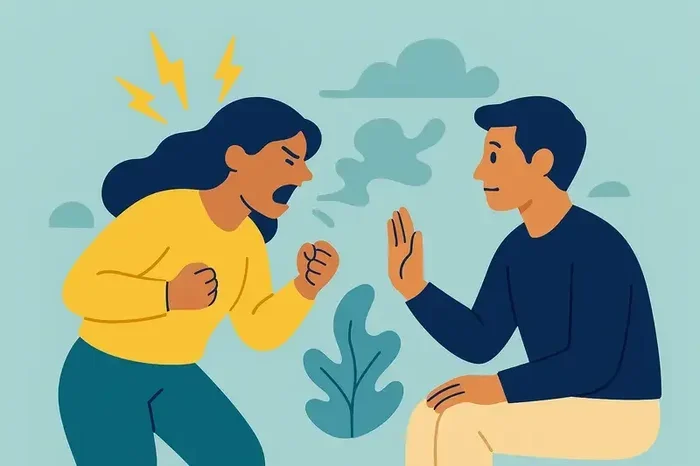
Placate means to calm someone down or ease their anger through gestures or words. It comes from Latin roots and plays a big role in conflict resolution and emotional intelligence. Understanding placate meaning helps you navigate tense moments with grace and build stronger relationships.
Have you ever said or done something just to calm another person down? Maybe a friend was upset, your partner was angry, or a coworker was frustrated. And you tried to make things better. If so, you have already placated someone. The placate meaning is simple but powerful. It means to calm someone by making gestures or using words that reduce their anger or frustration.
Understanding placate meaning is more than just learning a dictionary definition. It is about knowing how to navigate tense moments with grace. Whether you are dealing with a heated argument, a stressful work situation, or a simple misunderstanding, the ability to placate someone can change the entire outcome. In this article, we will explore everything you need to know about this word. We will cover its origin, synonyms, real-life uses, and common mistakes to avoid.
By the end, you will feel confident using this word correctly. You will also understand when it is the right tool and when other approaches work better. Let us dive in.
Key Takeaways
- Placate means to soothe or calm: It involves using words or actions to reduce someone’s anger or frustration.
- It has Latin origins: The word comes from “placare,” meaning to please or calm.
- Synonyms matter: Words like appease, pacify, mollify, and conciliate carry similar but nuanced meanings.
- Use it in real life: Placating works in personal relationships, workplaces, and everyday interactions.
- Avoid common mistakes: Over-placating can feel insincere and may not solve the root problem.
- It connects to emotional intelligence: Knowing when to placate shows self-awareness and empathy.
- Context is everything: The right approach depends on the situation, the person, and your intent.
📑 Table of Contents
- What Does Placate Mean?
- The Origin and History of the Word
- Synonyms and Related Words for Placate
- When and How to Use Placate in Everyday Life
- Common Mistakes People Make When Trying to Placate Someone
- Placate in Professional and Relationship Settings
- Placate in Different Cultures and Contexts
- How to Practice and Improve Your Placating Skills
- Key Takeaways
What Does Placate Mean?
The placate meaning centers on calming someone who is upset. When you placate a person, you try to reduce their anger or irritation. You do this through words, actions, or gestures. The goal is to bring peace to a tense situation.
Think of it like this. Someone is angry at you. Instead of arguing back, you offer a sincere apology. That is an act of placating. You are not giving in or backing down out of fear. You are choosing to ease the tension for a better outcome.
The word is a verb. It describes an action. You can placate a person, a crowd, or even an animal. The core idea remains the same. You are trying to bring calm where there is conflict or frustration.
Placate vs. Appease
People often confuse placate with “appease.” These words are close cousins. Both mean to calm someone down. But there is a subtle difference. To appease often means to give in to demands. To placate focuses more on soothing emotions. You can placate someone without giving them everything they want.
For example, if your child throws a tantrum, you might placate them with a hug. You are not giving in to their demand. You are simply soothing their emotions. That is the heart of placate meaning.
Placate vs. Pacify
Pacify is another close synonym. It also means to calm someone. But pacify can sometimes imply a stronger action. You might need to do more to pacify someone than to placate them. Pacify can also mean to bring peace to a larger group. Placate usually works well for one-on-one situations.
Here is a quick way to remember it. Placate soothes. Pacify settles. Both are useful, but they fit different contexts.
The Origin and History of the Word
Every word has a story. The word placate comes from the Latin word “placare.” This Latin root means “to please” or “to calm.” From there, it moved into Old French as “placer,” meaning to please or soothe. English speakers adopted it in the 17th century.
The journey of this word shows how language evolves. The core idea has stayed the same for centuries. People have always needed ways to calm others down. Whether in ancient Rome or modern offices, the need to placate is universal.
Understanding the origin helps you remember the meaning. When you think of “placare,” picture someone trying to please another person. That image sticks with you. It makes the word easier to recall and use correctly.
How the Word Evolved Over Time
In early English use, placate often appeared in formal writing. It was a word of diplomacy and negotiation. Over time, it became part of everyday conversation. Today, you will hear it in classrooms, boardrooms, and family kitchens.
The word also picked up related forms. “Placating” is the present participle. “Placated” is the past tense. “Placation” is the noun form. Each variation carries the same core idea. They all relate to calming or soothing someone.
Synonyms and Related Words for Placate
Knowing synonyms for placate makes your vocabulary richer. It also helps you understand subtle differences in meaning. Here are the most common alternatives.
Top Synonyms for Placate
- Appease: To calm by meeting demands or giving in.
- Pacify: To bring peace to a person or group.
- Soothe: To gently calm emotions or pain.
- Mollify: To soften anger or tension with care.
- Conciliate: To win over through goodwill and compromise.
- Assuage: To ease or relieve strong feelings.
- Propitiate: To gain favor through acts of goodwill.
- Defuse: To reduce the intensity of a tense situation.
- Quell: To put an end to something by force or authority.
- Mitigate: To make something less severe or harsh.
When to Use Each Synonym
Each synonym fits a slightly different situation. Use “appease” when someone has specific demands. Use “pacify” when a group needs calming. Use “soothe” for gentle emotional comfort. Use “mollify” when someone is deeply upset. Use “conciliate” when building bridges after a conflict.
The beauty of placate meaning is its flexibility. It works in many contexts. But choosing the right synonym can make your message more precise and powerful.
When and How to Use Placate in Everyday Life
Now that you understand placate meaning, let us talk about real-life use. When should you placate someone? How do you do it effectively? These are important questions. The wrong approach can backfire. The right approach builds trust and connection.
In Personal Relationships
Relationships are full of ups and downs. Sometimes your partner, friend, or family member gets upset. In those moments, placating can be a gentle and effective tool. A kind word, a thoughtful gesture, or a sincere apology can work wonders.
For example, imagine your spouse had a rough day at work. They come home frustrated and short-tempered. Instead of snapping back, you make them a cup of tea. You listen without judgment. You offer a warm hug. These are all ways to placate someone. You are not ignoring their feelings. You are responding with empathy.
The key is sincerity. People can tell when you are trying to placate just to avoid conflict. They can also tell when you genuinely care. Always lead with honesty and compassion.
In the Workplace
Workplaces can be stressful. Conflicts happen between colleagues, managers, and clients. Knowing how to placate in a professional setting is a valuable skill.
Here are some practical examples:
- A coworker is angry about a missed deadline. You acknowledge their frustration and offer to help fix the issue.
- A client is upset about a product delay. You apologize sincerely and provide a clear timeline for resolution.
- Your boss is frustrated with a team mistake. You take responsibility and present a solution.
In each case, you are using placate meaning in action. You are not placing blame. You are not ignoring the problem. You are actively working to ease tension and move forward.
In Everyday Social Interactions
Even small interactions matter. You might need to placate a stranger who is upset in line. Or a friend who feels left out. These moments may seem minor, but they build your emotional intelligence over time.
Quick Tips for Everyday Placating:
- Listen first. Let the person vent before responding.
- Use a calm and gentle tone of voice.
- Acknowledge their feelings before offering solutions.
- Avoid being defensive or dismissive.
- Offer a small gesture of goodwill, like a smile or a kind word.
These simple steps make a huge difference. They show the other person that you respect their feelings. That is the essence of placate meaning.
Common Mistakes People Make When Trying to Placate Someone
Placating is a skill. Like any skill, you can make mistakes. Understanding what goes wrong helps you do it better. Here are the most common pitfalls.
Being Insincere
The biggest mistake is offering empty words. If you say “I am sorry” without meaning it, people will see right through you. Insincere placating makes things worse. It builds resentment instead of trust.
Always mean what you say. If you are not ready to apologize genuinely, take a moment to find the right words. Forced apologies have no value.
Giving In Too Much
Placating is not about giving up your boundaries. Some people confuse it with surrendering. You can placate someone without abandoning your own needs.
For example, if a friend demands you change your plans, you can placate them by offering an alternative. You are not canceling your plans. You are showing flexibility and care. That is healthy placate meaning in action.
Ignoring the Root Cause
Sometimes people try to placate without addressing the real issue. A kind word can soothe emotions temporarily. But if the underlying problem is not fixed, the anger will return.
Effective placating combines emotional soothing with problem-solving. Calm the person first. Then work together to find a real solution.
Using Placating as Manipulation
Some people use placating tactics to control others. They offer sweet words to get what they want. This is not true placating. It is manipulation. And it damages relationships over time.
Always check your intent. Are you trying to genuinely ease tension? Or are you trying to win an argument? Honest self-reflection matters here.
Placate in Professional and Relationship Settings
The ability to placate is a cornerstone of emotional intelligence. It shows that you can read a room. You can sense tension. And you can respond with empathy rather than react with anger.
Why Emotional Intelligence Matters Here
Emotional intelligence is the ability to understand and manage your own emotions. It also means recognizing emotions in others. When you placate someone effectively, you are using emotional intelligence. You are putting yourself in their shoes. You are choosing a response that de-escalates conflict.
Studies show that people with high emotional intelligence have better relationships. They also perform better at work. Learning to placate is one practical way to build this skill.
Building Stronger Relationships Through Placating
Strong relationships are built on trust and respect. When you show someone that you care about their feelings, you strengthen the bond. Placating is not a weakness. It is a sign of maturity and confidence.
Here is how placate meaning connects to relationship building:
- It shows empathy and active listening.
- It reduces defensiveness in the other person.
- It creates space for open and honest communication.
- It prevents small disagreements from becoming big fights.
- It demonstrates that you value the relationship more than being right.
These benefits apply to romantic relationships, friendships, family bonds, and professional connections. The skill of placating is universal.
Placating in Conflict Resolution
Conflict resolution is all about finding peaceful solutions. Placating plays a natural role in this process. When tensions rise, someone needs to take the first step toward peace. That person can be you.
Effective conflict resolution involves:
- Staying calm and composed.
- Acknowledging the other person’s feelings.
- Using words and actions to placate and ease tension.
- Working together to find a compromise.
- Moving forward with mutual respect.
When you follow these steps, you transform conflicts into opportunities for deeper connection.
The Role of Gestures in Placating
Words are powerful. But actions speak just as loudly. A thoughtful gesture can do more to placate someone than a thousand words. Bringing someone their favorite coffee. Writing a handwritten note. Offering a genuine compliment. These small acts carry big meaning.
Gestures show that you are paying attention. They prove that your words come from a place of genuine care. That is what makes placate meaning so effective in practice.
Placate in Different Cultures and Contexts
The way people placate varies across cultures. In some cultures, direct apology is expected. In others, indirect gestures carry more weight. Understanding cultural context helps you placate more effectively.
For example, in Japanese culture, maintaining harmony is deeply valued. Placating someone might involve subtle body language and indirect communication. In contrast, in many Western cultures, a direct and verbal apology may be more appreciated.
Being aware of these differences shows respect. It also prevents misunderstandings. No matter the culture, the core of placate meaning remains the same. You are trying to bring peace and ease tension.
How to Practice and Improve Your Placating Skills
Like any skill, placating gets easier with practice. Here are some practical ways to sharpen your abilities.
Step-by-Step Practice Guide
- Pause before reacting. Take a deep breath when someone is upset. Do not respond immediately.
- Listen actively. Let the person share their feelings fully. Do not interrupt.
- Acknowledge their emotions. Say things like “I understand why you feel this way.”
- Choose your words carefully. Use gentle, non-confrontational language.
- Offer a solution or gesture. Show that you are committed to making things better.
- Follow up. Check in later to make sure the situation has improved.
Quick Tips for Daily Practice
- Practice empathy in every conversation.
- Read books on emotional intelligence and conflict resolution.
- Ask trusted friends for feedback on how you handle disagreements.
- Watch how skilled communicators placate in real life or in movies.
- Reflect on past situations where you could have handled things better.
Small daily efforts lead to big improvements. Over time, placating becomes second nature to you.
Key Takeaways
- Placate means to calm or soothe someone who is upset: It is a verb that describes the act of reducing anger or tension through words or gestures.
- The word has deep Latin roots: It comes from “placare,” meaning to please or calm, and has been used in English for centuries.
- Synonyms like appease, pacify, mollify, and conciliate carry similar meanings: Each has a slightly different nuance that fits different situations.
- Use placating in personal relationships, workplaces, and daily interactions: It is a versatile skill that applies everywhere.
- Common mistakes include being insincere, giving in too much, and ignoring the root cause: Avoid these pitfalls for better results.
- Placating connects directly to emotional intelligence and conflict resolution: It is a sign of maturity, not weakness.
- Practice makes perfect: The more you work on your placating skills, the more natural and effective you will become.
Frequently Asked Questions
What is the simple definition of placate?
Placate means to calm someone down or ease their anger through gentle words or actions. It involves making an effort to soothe a person who is upset. The goal is to bring peace to a tense situation without ignoring the other person’s feelings.
Is placating the same as giving in?
No, placating is not the same as giving in. When you placate someone, you are soothing their emotions. You are not necessarily surrendering or abandoning your position. Giving in means yielding to demands. Placating means choosing empathy over conflict.
Can you placate someone without apologizing?
Yes, you can. An apology is one way to placate, but it is not the only way. A kind gesture, a thoughtful action, or simply listening with empathy can also ease tension. The key is showing genuine care for the other person’s feelings.
What are some common synonyms for placate?
Common synonyms include appease, pacify, mollify, soothe, conciliate, assuage, and defuse. Each word carries a slightly different shade of meaning. But they all share the core idea of calming someone who is upset or angry.
Is placating a sign of weakness?
Absolutely not. Placating requires emotional strength and self-awareness. It takes confidence to stay calm when someone else is angry. It shows maturity and empathy. In fact, people who can placate effectively are often seen as strong communicators.
How is placate different from manipulate?
The difference lies in intent. Placating comes from a genuine desire to ease tension and help the other person feel heard. Manipulation uses sweet words or gestures to control or exploit someone. Always check your own motives when trying to placate someone.
=== CONCLUSION ===
The placate meaning is straightforward yet deeply impactful. To placate means to calm, soothe, and ease tension in a difficult moment. It is a skill that benefits every area of your life. From personal relationships to professional settings, knowing how to placate someone can transform conflicts into connections.
Remember that effective placating requires sincerity. It demands empathy and active listening. It is not about giving in or avoiding problems. It is about choosing peace over conflict and understanding over ego.
Now that you understand placate meaning fully, put it into practice. The next time someone is upset around you, try using these techniques. Listen first. Respond with care. Offer a gesture of goodwill. You will be surprised at how powerful these simple actions can be. Start today, and watch your relationships grow stronger and more resilient.