
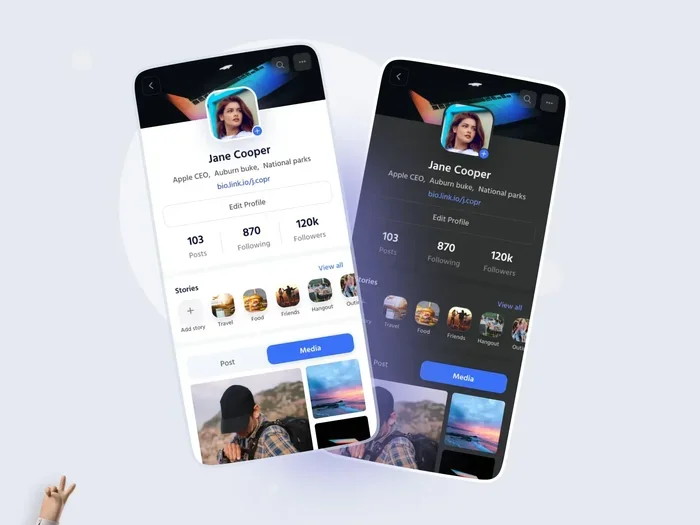
PFP meaning stands for “Profile Picture,” and it refers to the image that represents you on social media platforms. Your PFP is often the first thing people notice when they visit your account, making it a powerful tool for personal branding and online identity. Choosing the right profile picture can boost engagement, build trust, and help you stand out in a crowded digital space.
Key Takeaways
- PFP stands for Profile Picture: It is the image that represents you on social media, forums, and messaging apps.
- Your PFP creates a first impression: People judge accounts within seconds, and your profile photo plays a huge role in that snap decision.
- The right PFP boosts trust and engagement: A clear, high-quality photo helps you connect with others and grow your online presence.
- Different platforms have different PFP norms: What works on Instagram may not work on LinkedIn or TikTok.
- Common PFP mistakes hurt your image: Blurry photos, group shots, and overly filtered images can push people away.
- Your PFP supports personal branding: It should reflect who you are and what you want to communicate to your audience.
- You can change your PFP anytime: Updating your profile picture keeps your online presence fresh and relevant.
📑 Table of Contents
What Does PFP Mean?
If you have ever scrolled through social media and wondered what PFP means, you are not alone. PFP meaning is simple. It stands for Profile Picture. This is the small image that sits next to your name on platforms like Instagram, TikTok, Twitter, Facebook, and LinkedIn.
Your profile picture is one of the most visible parts of your online identity. It appears everywhere. It shows up in comments, in direct messages, in search results, and in friend lists. Because of this, your PFP does a lot of heavy lifting for your personal brand.
The term PFP has become so common that most people use it without thinking. You will see it in tweets, captions, and even in casual conversations among friends. Understanding PFP meaning is the first step toward using your profile photo more intentionally.
When someone lands on your page, your profile picture is the very first thing they see. It sets the tone for everything else they will read or explore. A strong photo makes people want to learn more about you. A weak photo can make them scroll past before they even read your bio.
Why Is PFP So Widely Used Online?
The abbreviation PFP became popular because it is quick and easy to type. Instead of writing “profile picture” every time, people simply type “PFP.” This shorthand spread across platforms like TikTok, Twitter, and Reddit. Now, PFP meaning is understood by millions of users worldwide, from teens to professionals.
Social media platforms also helped popularize the term. When platforms limited photo sizes and encouraged square images, the profile picture became a central design element. This made the term even more relevant in everyday online talk.
Why Your Profile Picture Matters So Much
Your profile picture is more than just a photo. It is a visual shortcut that tells people who you are. Studies show that people form opinions about others within milliseconds of seeing their face. Your PFP is the first face people see when they visit your account.
Here is why PFP meaning goes far beyond just a simple image. Your profile picture affects how people perceive you, whether they trust you, and if they want to engage with your content.
First Impressions Are Everything
When someone visits your profile, they make a split-second decision about you. Your PFP plays a massive role in that decision. A clear, friendly photo makes you look approachable and real. A blurry or random image can make people question your credibility.
Think about it this way. If you see two accounts with similar content, which one would you follow? The one with a crisp, professional profile picture or the one with a pixelated image from 2015? Most people would choose the first one. This is why PFP meaning matters so much in the digital world.
Trust and Authenticity
People want to connect with real humans. A genuine profile picture helps build trust. When your face is visible, others feel more comfortable engaging with you. They are more likely to comment, follow, or send you a message.
On the other hand, using a cartoon, a logo, or a celebrity photo as your PFP can make you seem less trustworthy. People want to know they are talking to a real person. Your profile picture is the easiest way to show that you are authentic.
Personal Branding and Recognition
If you are building a personal brand, your PFP is a key part of that strategy. Consistent profile pictures across platforms help people recognize you. When your avatar looks the same on Instagram, Twitter, and LinkedIn, it creates a cohesive online identity.
Think of famous creators and influencers. You can probably recognize their profile picture even in a small thumbnail. That is the power of strong visual branding. Your PFP should do the same for you, even if you are just starting out.
The Psychology Behind Choosing a PFP
There is real science behind why people choose certain profile pictures. Understanding this psychology can help you pick a PFP that works harder for you.
How People Judge Profile Photos
Research in social psychology shows that people make fast judgments based on faces. They look at expressions, lighting, and even the background of a photo. A smile in your PFP can make you seem friendlier. Looking directly at the camera can make you appear more confident.
Colors also matter. Bright, warm tones in your profile picture can draw the eye. Dark or muted photos might blend in and get overlooked. These small details shape how people see your online persona.
The Role of Self-Presentation
Choosing a profile picture is a form of self-presentation. You are deciding how you want the world to see you. Some people choose PFPs that show their hobbies, like a photo of them hiking or playing music. Others prefer a professional headshot that signals their career.
The key is intentionality. When you understand PFP meaning on a deeper level, you start to see your display picture as a tool. It is not just a photo. It is a statement about who you are and what you value.
Cultural Differences in PFP Choices
Different cultures have different norms for profile pictures. In some cultures, a formal photo is expected. In others, a casual or creative avatar is more common. If you are building a global audience, it helps to understand these differences.
For example, a LinkedIn PFP in Western countries is usually a professional headshot. But on platforms like TikTok or Instagram, creative and fun profile pictures are more popular. Knowing your audience helps you choose the right display picture for each platform.
How to Choose the Perfect PFP for You
Now that you know PFP meaning and why it matters, let us talk about how to pick the best one. Your profile picture should reflect your personality, your goals, and your audience.
Start With a High-Quality Photo
The most important rule for a great PFP is image quality. Use a photo that is clear, well-lit, and high-resolution. Blurry or pixelated images make you look unprofessional. A sharp, clean photo instantly boosts your credibility.
Here are some quick tips for a quality profile picture:
- Use natural light whenever possible.
- Avoid harsh shadows on your face.
- Choose a simple, uncluttered background.
- Make sure your face is the main focus of the image.
- Use a photo taken recently so you look like yourself.
Show Your Face When Possible
Studies show that profile pictures with faces get more engagement than those without. When people can see your face, they feel a stronger connection. They are more likely to trust you and follow your content.
If you are a creator or business owner, a headshot-style PFP works best. It shows that you are real and approachable. Even if you prefer to stay partially anonymous, showing part of your face is better than using a completely abstract image.
Keep It Consistent Across Platforms
Consistency is key to building a recognizable online identity. Use the same or a very similar profile picture across all your social media accounts. This helps people find you and remember you.
When your display picture looks the same everywhere, it strengthens your personal brand. People start to associate that image with you and your content. Over time, your PFP becomes a visual signature.
Match Your PFP to Your Platform
Not every platform needs the same profile picture. Your PFP on LinkedIn should look different from your PFP on TikTok. Here is a quick guide:
| Platform | Best PFP Style | Why It Works |
|---|---|---|
| Professional headshot | Shows credibility and seriousness | |
| Creative or lifestyle photo | Reflects personality and aesthetics | |
| TikTok | Fun, expressive face photo | Builds connection and relatability |
| Twitter/X | Clear, recognizable face | Works well in small thumbnail size |
| Avatar or stylized image | Fits the community culture |
As you can see, PFP meaning shifts depending on the platform. Adapting your profile picture to each platform helps you connect better with each audience.
Quick Tips for a Standout PFP
Want your profile picture to really pop? Here are some expert-backed tips:
- Use the rule of thirds. Position your face slightly off-center for a more dynamic look.
- Add a pop of color. Wear something that contrasts with your background.
- Smile genuinely. A real smile makes you look warm and approachable.
- Avoid heavy filters. Over-edited photos can look fake and untrustworthy.
- Test your PFP at small sizes. Make sure your face is still visible when the image is tiny.
- Update regularly. A fresh profile picture signals that you are active and engaged.
PFP Trends Across Popular Social Media Platforms
Profile pictures have evolved a lot over the years. What was popular five years ago looks very different from today. Let us look at how PFP trends differ across platforms and what that means for you.
The Rise of AI-Generated PFPs
One of the biggest recent trends is the use of AI-generated profile pictures. Apps and tools now let you create stylized avatars from your photos. These PFPs can look artistic, cartoon-like, or even fantasy-themed.
While AI PFPs can be fun, they come with a downside. They can make you seem less authentic. If you are building trust with an audience, a real photo usually works better than an AI-generated one. That said, AI profile pictures are perfectly fine for casual platforms like Reddit or Discord.
Circle Crops and Aesthetic PFPs
Platforms like Instagram and TikTok have popularized the circle crop PFP style. This means your photo is cut into a circle, showing only your face or a centered image. Aesthetic PFPs have also become a trend, especially among younger users.
An aesthetic PFP might use a specific color palette, a film-like filter, or a moody lighting style. These profile pictures are designed to look cohesive and stylish. They work well for creative accounts and personal brands that lean into visual aesthetics.
The Power of the Simple Face Shot
Despite all the trends, one thing remains constant. Simple, clear face shots still perform the best as PFPs. A plain background, good lighting, and a direct gaze create a profile picture that is timeless and effective.
You do not need a fancy setup or professional editing. A well-taken smartphone photo can make a powerful display picture. The key is clarity and authenticity. When in doubt, keep it simple.
Common PFP Mistakes and How to Fix Them
Even with the best intentions, many people make mistakes with their profile pictures. Here are the most common ones and how you can avoid them.
Using a Blurry or Low-Resolution Photo
This is the number one PFP mistake. A blurry profile picture makes you look careless and unprofessional. Always use a sharp, high-quality image. If your current PFP is blurry, take five minutes to upload a better one. It makes a big difference.
Using Group Photos as Your PFP
It might be tempting to use a fun group photo, but it confuses people. When someone sees a profile picture with multiple faces, they do not know who the account belongs to. This hurts recognition and trust. Keep your PFP to one person for a clean, clear image.
Over-Filtering Your Photo
Heavy filters can make your profile picture look unnatural. People can tell when a photo has been heavily edited. This can reduce trust and make your online identity feel less real. Use light editing if you want, but keep it looking like you.
Using an Outdated Photo
If your profile picture is from five years ago, it can create a disconnect. People expect to see a current photo of you. An outdated PFP can also make you look like you have not updated your account in a while. Swap in a recent photo to stay fresh and relevant.
Ignoring Platform Dimensions
Every platform crops profile pictures differently. What looks great on Instagram might get cut off on Twitter. Always check how your display picture looks on each platform. Center your face and leave enough space around the edges to avoid awkward cropping.
Using a PFP That Does Not Match Your Brand
If you are a business owner or creator, your PFP should align with your brand. A casual selfie might work on TikTok but not on a professional networking site. Think about your audience and choose a profile picture that sends the right message.
Conclusion: The Lasting Impact of Your PFP
PFP meaning is more than just an abbreviation. It represents your digital face, your first impression, and your personal brand. Your profile picture is one of the most powerful tools you have for making connections online.
Whether you are building a personal brand, growing a business, or just sharing your life online, your PFP matters. It shapes how people see you before they even read your bio or your latest post. A thoughtful, high-quality profile picture can open doors and build trust in ways that words alone cannot.
Take some time today to evaluate your profile picture. Is it clear? Is it authentic? Does it reflect who you are and what you want to communicate? If the answer is no, now is the perfect time to update it. Your online presence starts with your profile picture, and a great PFP can make all the difference.
Remember, PFP meaning goes beyond the abbreviation. It is about identity, connection, and the way you show up in the digital world. Make your profile picture count, and watch how it transforms your online presence.
Frequently Asked Questions
What does PFP stand for?
PFP stands for Profile Picture. It is the image that represents you on social media platforms like Instagram, TikTok, Twitter, and LinkedIn. Your PFP is the first visual element people see when they visit your account.
Why is PFP meaning important for social media?
PFP meaning matters because your profile picture shapes first impressions. People decide whether to trust you, follow you, or engage with your content based on your photo. A strong PFP boosts credibility and helps you stand out in a crowded feed.
Can I use a logo or illustration as my PFP?
You can, but it depends on your goals. A logo works well for business accounts where the brand is the focus. However, for personal accounts, a real photo of your face builds more trust and connection. People engage more with profile pictures that show a real human.
How often should I change my PFP?
There is no set rule, but updating your profile picture every few months keeps your account feeling fresh. You should also change it when your style, career, or brand evolves. The key is to keep your PFP current and relevant to your audience.
What is the difference between PFP and avatar?
PFP meaning specifically refers to a profile picture, which is usually a real photo. An avatar is a more general term for any image that represents you online, including illustrations, cartoons, or AI-generated images. Both serve the same purpose, but a profile picture is typically more personal.
Does my PFP affect how many followers I get?
Yes, your profile picture can influence your follower growth. A clear, attractive, and trustworthy PFP makes people more likely to follow you. A blurry or confusing image can cause people to scroll past your account without engaging. Your display picture is a small detail with a big impact.