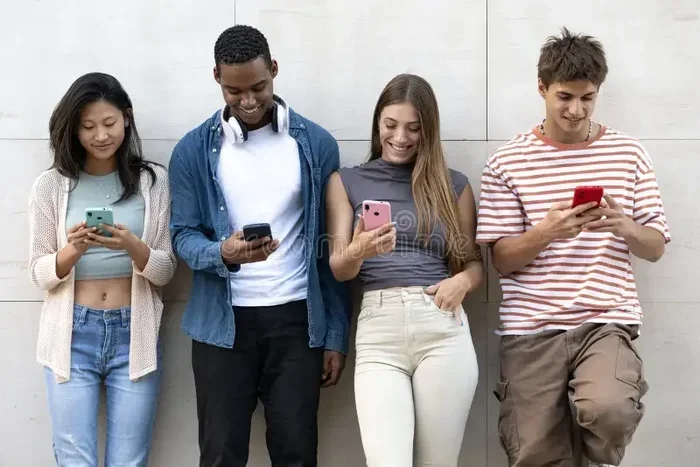
The oml meaning is “Oh My Lord,” a widely used slang expression that shows surprise, excitement, or disbelief. This acronym is hugely popular on Snapchat, TikTok, Instagram, and in everyday texting among younger generations. Understanding oml helps you keep up with modern online communication and avoid confusion when chatting with friends or scrolling through social feeds.
If you have ever scrolled through Snapchat stories or TikTok comments and stumbled across the letters OML, you are not alone. Many people wonder what this three-letter combo actually means. The oml meaning is simple once you break it down, but its journey through internet culture is fascinating. This guide covers everything you need to know about this popular slang term.
Whether you are a parent trying to understand your teenager’s texts or a social media manager keeping up with trends, knowing what OML means is essential. It shows up constantly in digital conversations, and using it correctly can make your online communication feel more natural. Let us dive into the full story behind this acronym.
Key Takeaways
- OML stands for “Oh My Lord”: It is a casual slang term used to express shock, excitement, or disbelief in digital conversations.
- OML is everywhere on social media: You will find this acronym on Snapchat, TikTok, Instagram, Twitter, and in text messages daily.
- OML belongs to Gen Z and millennial slang: Younger internet users adopted this term as part of their digital communication style.
- OML is not the same as OMG: While both express surprise, OML has a slightly different tone and usage pattern in online chats.
- Context matters when using OML: Knowing when and how to use this slang term makes your texting feel natural and relatable.
- OML has roots in internet culture: The acronym evolved from early online forums and grew through social media platforms over the years.
- Learning OML and similar slang keeps you connected: Staying updated on digital expressions helps you communicate better with younger audiences online.
📑 Table of Contents
What Does OML Mean?
The oml meaning is “Oh My Lord.” It is an exclamation used to express a range of strong emotions. People use OML when they feel shocked, surprised, excited, or even frustrated. Think of it as a modern, casual way to react to something that catches you off guard.
This acronym fits perfectly into the fast-paced world of digital communication. Typing three letters is much faster than writing out “Oh My Lord” every time something surprising happens. That is exactly why slang terms like this take off on social media platforms. They save time and add personality to messages.
How People Use OML in Everyday Texting
You will see OML used in many different situations. Here are some common examples:
- Shock: “OML, did you see that video?”
- Excitement: “OML, we are going to the concert!”
- Disbelief: “OML, she really said that?”
- Frustration: “OML, my phone died again.”
- Hype: “OML, this new song is fire!”
As you can see, OML is versatile. It works in positive and negative situations alike. The tone usually depends on the context of the conversation and the relationship between the people chatting.
Where Did OML Come From?
The origins of OML trace back to early internet forums and chat rooms. In the late 1990s and early 2000s, people began shortening common phrases to type faster online. Expressions like “Oh My God” became OMG, and “Oh My Lord” naturally turned into OML.
Over time, social media platforms gave this acronym new life. Snapchat was one of the first apps where OML became widely popular. Teens and young adults used it in snaps, stories, and chat messages. From there, it spread to TikTok, Instagram, and Twitter. Today, OML is a staple of Gen Z slang and millennial internet language.
The beauty of OML is that it feels less intense than OMG. “Oh My Lord” carries a slightly different emotional weight. It can sound more dramatic or playful depending on how you use it. This subtle difference helped OML carve out its own space in the world of internet slang.
How OML Is Used Across Social Media Platforms
Every platform has its own slang culture, and OML fits right in on all of them. Let us look at how this acronym shows up in different digital spaces.
OML on Snapchat
Snapchat is where OML really took off. Users drop this acronym into chat messages and story captions constantly. On Snapchat, OML often pairs with other slang terms like “no cap,” “fr,” or “slay.” The platform’s casual, visual nature makes it perfect for quick emotional reactions like OML.
Many Snapchat users also pair OML with emojis. You might see someone send “OML 😭” to show they are overwhelmed or “OML 🔥” to express excitement. These combinations add extra layers of meaning to the acronym.
OML on TikTok
TikTok creators use OML in video captions and comments. It often appears in reaction videos where someone is watching something surprising or funny. The short, punchy nature of OML makes it perfect for TikTok’s fast-scrolling format.
Some TikTok trends even revolve around OML. Users create videos reacting to shocking news or unexpected events and caption them with OML. This has helped the acronym grow even more in popularity among younger audiences.
OML on Instagram and Twitter
On Instagram, you will find OML in captions, comments, and direct messages. Influencers and everyday users alike use it to react to posts or share their own thoughts. On Twitter, OML shows up in replies and threads, especially during live events or breaking news moments.
Twitter users sometimes stretch OML into longer expressions like “OML oml oml” to emphasize their reaction. This kind of repetition is common on the platform and adds emotional intensity to the message.
OML vs Other Popular Slang Terms
Internet slang is full of similar expressions, and it can get confusing. Here is how OML compares to other popular terms you might see online.
OML vs OMG
This is the most common comparison people make. Both OML and OMG express surprise or shock, but they have different vibes.
- OMG stands for “Oh My God” and has been around much longer.
- OML stands for “Oh My Lord” and feels slightly more casual.
- OMG can sound more dramatic or serious in some contexts.
- OML often feels lighter, more playful, and less intense.
Many young users prefer OML over OMG because it feels fresher and more current. That said, both terms are widely understood and used across all age groups.
OML vs IDK and IKR
Other common slang terms serve different purposes than OML:
- IDK means “I Don’t Know” and expresses uncertainty.
- IKR means “I Know, Right” and shows agreement.
- OML expresses an emotional reaction to something surprising.
While these terms all belong to the same family of internet abbreviations, they fill different roles in conversation. OML is specifically about reacting to something that hits you hard emotionally.
Comparison Table: OML and Similar Slang Terms
| Acronym | Full Meaning | Primary Use | Tone |
|---|---|---|---|
| OML | Oh My Lord | Surprise, excitement, disbelief | Casual, playful |
| OMG | Oh My God | Shock, amazement | Dramatic, intense |
| IDK | I Don’t Know | Uncertainty, confusion | Neutral, relaxed |
| IKR | I Know, Right | Agreement, validation | Supportive, casual |
| SMH | Shaking My Head | Disappointment, disbelief | Disapproving, tired |
| LMAO | Laughing My Ass Off | Humor, amusement | Funny, exaggerated |
As you can see, each acronym has its own niche. OML sits in the surprise and emotional reaction category, making it a go-to choice for many online conversations.
Common Mistakes People Make with OML
Using slang terms correctly matters more than you might think. Here are some common mistakes people make with OML and how to avoid them.
Using OML in Formal Communication
This is the biggest mistake. OML is casual internet slang. It does not belong in professional emails, academic papers, or formal messages. If you are writing to a boss, a teacher, or a client, stick with proper language. Using OML in these settings can come across as unprofessional or careless.
Save OML for texts with friends, social media posts, and casual online chats. Knowing when to use slang and when not to is a key part of digital communication skills.
Overusing OML
There is such a thing as too much of a good thing. If every single message you send includes OML, it loses its impact. People will start to see it as filler rather than a genuine expression of emotion.
Use OML when it actually fits the moment. A well-placed OML in a conversation feels natural. Dropping it into every sentence feels forced and annoying.
Confusing OML with Other Meanings
While OML almost always means “Oh My Lord” in casual digital communication, it is worth noting that acronyms can have multiple meanings in different contexts. In some specialized fields, OML might stand for something entirely different. However, in everyday texting and social media, “Oh My Lord” is the universally accepted oml meaning.
Why OML Matters in Modern Communication
Slang terms like OML are not just random letters thrown together. They serve a real purpose in how people connect online. Understanding why OML matters helps you appreciate the bigger picture of digital communication.
First, OML helps people express emotions quickly. In a world where we communicate mostly through screens, finding efficient ways to share feelings is important. Three letters can convey surprise, excitement, or disbelief faster than a full sentence.
Second, using shared slang like OML builds a sense of community. When you and your friends all use the same terms, it creates a shared language. This sense of belonging is a powerful part of online culture, especially for younger generations who grew up with social media.
Third, staying current with slang like OML helps you relate to younger family members, coworkers, and audiences. If you are a parent, teacher, or marketer, understanding these terms bridges the gap between generations.
How to Use OML Like a Pro
Want to use OML naturally in your conversations? Here are some quick tips to help you master this popular slang term.
Quick Tips for Using OML
- Match the energy: Use OML when something genuinely surprises you or catches your attention.
- Pair it with emojis: Adding 😭, 🔥, or 😱 after OML amplifies your reaction perfectly.
- Keep it casual: Reserve OML for informal conversations and social media posts.
- Don’t force it: If it does not feel natural, skip it. Authenticity matters more than fitting in.
- Read the room: Pay attention to how others use OML in a conversation before jumping in.
- Use it sparingly: A little OML goes a long way. Overuse dilutes its impact.
Expert Insights on Internet Slang Evolution
Linguists and digital communication experts have studied how slang terms like OML spread and evolve. According to researchers at the Oxford Internet Institute, internet slang follows a predictable lifecycle. A term starts in a specific online community, gains traction through social media, reaches mainstream usage, and eventually either fades or becomes permanently embedded in everyday language.
OML is currently in its peak popularity phase. It has moved beyond niche online communities and into general digital communication. Some experts believe OML will stick around for years, much like OMG did before it. The key factor is that OML fills a specific emotional niche that other acronyms do not quite cover.
Dr. Karen Sobel, a sociolinguist who studies digital communication, notes that “younger generations create and adopt slang faster than any previous group. Terms like OML reflect how people adapt language to fit the speed and style of online interactions.” This insight shows that OML is not just a passing trend but part of a larger shift in how humans communicate digitally.
The Future of OML and Internet Slang
What does the future hold for OML and terms like it? Internet slang evolves rapidly, but some expressions have staying power. OML appears to be one of those terms that will stick around for a while.
As new social media platforms emerge and communication styles shift, OML may adapt slightly in how it is used. You might see variations like “oml oml” for emphasis or creative spelling changes. The core oml meaning will likely stay the same: “Oh My Lord” as an expression of strong emotion.
The rise of AI-powered communication tools also raises interesting questions. Will people use OML less as AI writes their messages? Or will they hold onto slang terms like OML to keep their digital voice authentic and personal? Only time will tell, but one thing is clear: OML has carved out a permanent spot in modern digital language.
Final Thoughts on OML Meaning
The oml meaning is straightforward and easy to remember: “Oh My Lord.” This three-letter acronym has become a staple of digital communication, especially among younger generations who spend most of their conversations online. From Snapchat to TikTok, OML shows up everywhere in modern internet culture.
Understanding OML and similar slang terms helps you stay connected in today’s fast-paced digital world. Whether you are texting friends, scrolling through social media, or managing an online brand, knowing what OML means gives you an edge in digital communication.
So the next time you see OML in a chat or comment, you will know exactly what it means. And if you want to use it yourself, now you have the knowledge and confidence to do it right. Keep exploring, keep learning, and keep up with the ever-evolving world of internet slang.
Frequently Asked Questions
What does OML stand for in texting?
OML stands for “Oh My Lord” in texting and online communication. It is used to express surprise, excitement, disbelief, or frustration. This acronym is especially popular among younger generations on platforms like Snapchat, TikTok, and Instagram.
Is OML the same as OMG?
No, OML and OMG are not exactly the same. OML stands for “Oh My Lord” while OMG stands for “Oh My God.” OML tends to feel more casual and playful, while OMG can sound more dramatic. Both express surprise but carry slightly different emotional tones in digital conversations.
Where did the acronym OML originate?
OML originated from early internet forums and chat rooms in the late 1990s and early 2000s. People shortened common expressions to type faster online. Over time, social media platforms like Snapchat helped OML grow into the widely used slang term it is today. It became a core part of Gen Z internet language and digital communication culture.
Can OML be used in professional settings?
No, OML is casual internet slang and should not be used in professional or formal communication. It is best reserved for informal text messages, social media posts, and casual online chats with friends. Using OML in emails, reports, or business communication can come across as unprofessional and inappropriate.
What are some similar slang terms to OML?
Similar slang terms include OMG, IDK, IKR, SMH, and LMAO. Each acronym serves a different purpose in digital communication. OML specifically expresses emotional reactions like surprise or excitement. These terms all belong to the broader family of internet abbreviations that make online chatting faster and more expressive.
Why is OML so popular on social media?
OML is popular on social media because it is quick to type and effectively conveys strong emotions. Short-form content thrives on platforms like TikTok and Snapchat, and OML fits perfectly into that format. It also helps users build a sense of community through shared language, which is a major part of online culture for younger generations.
=== CONCLUSION ===
The oml meaning is “Oh My Lord,” a versatile and widely used slang term in digital communication. From Snapchat stories to TikTok comments, OML has become a go-to expression for showing surprise, excitement, and disbelief online. Understanding this acronym helps you navigate modern conversations with confidence and stay connected to the latest internet trends.
Now that you know the full story behind OML, you can use it naturally in your own chats and social media posts. Remember to keep it casual, use it sparingly, and always consider your audience. With these tips in mind, you will sound like a natural in any online conversation.