
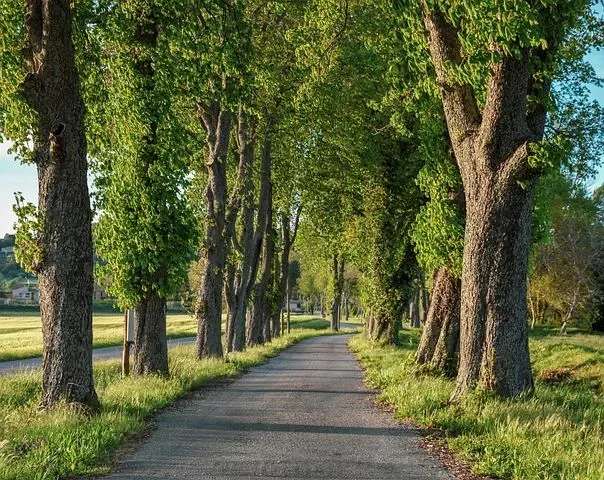
Learning how to say tree in French is simple and fun. The word is “arbre,” a masculine noun that appears in everyday French conversations. This guide covers pronunciation, grammar rules, related vocabulary, and native tips so you can speak confidently. Whether you are a beginner or brushing up on your French, you will find everything you need right here.
Have you ever wanted to how to say tree in french and actually sound like someone who grew up speaking the language? It is one of those words that seems easy on the surface but has layers most beginners miss. The French word for tree is “arbre,” but there is so much more to know. You will learn about pronunciation, grammar gender, related words, and even how trees appear in French culture.
This guide breaks everything down in plain language. No confusing jargon. No robotic drills. Just clear, friendly explanations that help you actually remember what you learn. By the end, you will know how to say tree in French and use it naturally in conversation.
French is a beautiful language, and trees are a wonderful place to start building your vocabulary. Let us dive in.
Key Takeaways
- Arbre is the standard French word for tree and is a masculine noun.
- The pronunciation of arbre is roughly “ar-bruh,” with a silent final “e.”
- French assigns gender to all nouns, and tree is masculine, which affects articles and adjectives.
- There are many related French tree words like “chêne” (oak) and “sapin” (fir) that expand your vocabulary.
- Using tree words in real sentences helps you remember and sound more natural.
- Common mistakes include mispronouncing the “r” sound and forgetting gender agreement.
- Practicing with native audio and simple phrases is the fastest way to master French tree vocabulary.
📑 Table of Contents
The French Word for Tree: Arbre
The standard translation of tree in French is arbre. It is a masculine noun, which means it uses “le” as its definite article. So you say “le arbre” — though in practice, the “e” at the end of “le” drops, making it “l’arbre.” This little contraction is one of the first things you will notice in French grammar.
Here is a quick look at how arbre works in basic sentences:
- L’arbre est grand. — The tree is big.
- L’arbre a des feuilles vertes. — The tree has green leaves.
- Je me suis assis sous l’arbre. — I sat under the tree.
Notice how the article “l'” changes based on the gender and the next word. This is a core rule in French. Every noun has a gender, and tree happens to be masculine. That means adjectives and articles must agree with it.
Pronouncing Arbre Correctly
Pronunciation is where many learners struggle. The word “arbre” is pronounced “ar-bruh.” The “r” in French is a soft, guttural sound made at the back of your throat. If you are not used to it yet, do not worry. Practice makes perfect.
Here are some quick tips for getting the pronunciation right:
- Keep the “a” short and open, like the “a” in “father.”
- The “r” should be gentle, not harsh. Think of it as a soft growl in the throat.
- The “br” blend comes naturally after the “a.”
- The final “e” is silent. Do not pronounce it.
- Stress falls on the last syllable: ar-BRUH.
Listening to native speakers is the best way to improve. Try searching for audio clips of “arbre” on language apps or YouTube. Hearing the word over and over helps your ear adjust to the French sound.
Why Gender Matters in French
Every noun in French has a gender. It is either masculine or feminine. This is one of the biggest adjustments for English speakers learning French. In English, “the tree” is just “the tree.” In French, it is “le arbre” because tree is masculine.
Gender affects more than just articles. It also changes adjectives and past participles. For example:
- Le grand arbre. — The big tree. (Grand stays masculine.)
- La grande maison. — The big house. (Grande becomes feminine because maison is feminine.)
This might feel overwhelming at first, but there is a pattern. Most trees and plants in French are masculine. Words like “fleur” (flower) are feminine, but “arbre” (tree) is masculine. Over time, you will start to notice these patterns.
If you are curious about how translation works across different languages, you might enjoy learning about translate to english in hindi meaning to see how meanings shift between language families.
Common Gender Rules for Nouns
Here are some simple rules that help you guess the gender of French nouns:
- Nouns ending in “-age” are usually masculine. (Arbre follows this pattern loosely.)
- Nouns ending in “-tion” or “-sion” are usually feminine.
- Nouns ending in “-e” can be either gender, so you need to memorize them.
- Trees, woods, and forests tend to be masculine in French.
These are not absolute rules, but they give you a solid starting point. The more words you learn, the easier it becomes to predict gender.
Related Tree Words in French
Once you know “arbre,” you can expand your vocabulary with related tree words. French has specific words for many types of trees. This is similar to how English has oak, pine, birch, and palm. Each one adds richness to your speaking ability.
Common French Tree Names
- Chêne — Oak tree
- Sapin — Fir tree
- Peuplier — Poplar tree
- Saule — Willow tree
- Bouleau — Birch tree
- Pin — Pine tree
- Érable — Maple tree
- Tilleul — Linden tree
These words are all masculine nouns, which makes them easier to work with. You can use them in the same sentence structures as “arbre.”
For example:
- Le chêne est un arbre très vieux. — The oak is a very old tree.
- Le sapin est toujours vert. — The fir tree is always green.
- Le saule pousse près de l’eau. — The willow grows near water.
Tree-Related Vocabulary
Knowing the word for tree opens the door to a whole forest of related vocabulary:
- Feuille — Leaf (feminine noun)
- Racine — Root (feminine noun)
- Branche — Branch (feminine noun)
- Écorce — Bark (feminine noun)
- Forêt — Forest (feminine noun)
- Bois — Wood (masculine noun)
- Arbres fruitiers — Fruit trees
Notice the mix of masculine and feminine nouns here. This is a great opportunity to practice gender agreement. For instance, “la feuille” (the leaf) is feminine, so you say “la feuille verte,” not “le feuille vert.”
If you are interested in how the word “tree” carries symbolic weight in different cultures, you might find the poison tree tattoo meaning article fascinating. Trees hold deep meaning across many traditions.
Trees in French Culture and Expressions
Trees are not just part of the French landscape. They show up in French expressions, idioms, and everyday life. Learning these phrases helps you sound more natural and connect with native speakers on a deeper level.
French Expressions with Trees
- Avoir des branches — To have connections (literally, to have branches).
- L’arbre qui cache la forêt — The tree that hides the forest. Similar to the English “not seeing the forest for the trees.”
- Planté comme un arbre — Planted like a tree. Used to describe someone who stands very still or firm.
- Donner sa racine — To give root. Used when something becomes established.
These expressions are fun to use in conversation. They show that you understand French beyond textbook phrases. Native speakers appreciate when learners use idiomatic expressions, even simple ones.
Trees in French Art and Literature
France has a rich tradition of nature in art and writing. The oak tree is a symbol of strength and endurance. The olive tree represents peace. These symbols appear in French literature, paintings, and even national emblems.
The famous French philosopher Michel de Montaigne wrote about trees in his essays. He saw them as teachers of patience and resilience. This connection between trees and wisdom is very French in spirit.
How to Practice Saying Tree in French
Now that you know the word and its context, let us talk about practice. Memorizing a word is one thing. Using it naturally is another. Here are some proven methods to help you remember and use “arbre” confidently.
Method 1: Repeat Out Loud
Reading the word aloud helps your mouth learn the shape of the sounds. Say “arbre” ten times in a row. Record yourself and compare it to a native speaker. You will notice small differences that make a big impact.
Method 2: Use It in Sentences
Write five sentences using “arbre” every day. Mix up the subjects and verbs. For example:
- L’arbre donne de l’ombre en été. — The tree gives shade in summer.
- Mon arbre préféré est le chêne. — My favorite tree is the oak.
- Les enfants jouent sous l’arbre. — The children play under the tree.
Method 3: Label Things Around You
Stick a note that says “l’arbre” on any tree you see. This visual cue strengthens your memory. It also connects the word to a real object, which makes it stick better than rote memorization.
Method 4: Listen and Imitate
Find a French podcast, video, or audio clip that uses the word “arbre.” Listen carefully. Pause and repeat. This method trains your ear and your mouth at the same time.
When learning any foreign language, it helps to understand how words translate across different systems. If you are curious about how meaning shifts between languages, check out in lieu of meaning for an interesting look at how phrases carry different weight in different contexts.
Common Mistakes When Saying Tree in French
Even confident learners make mistakes. Knowing what to avoid saves you from embarrassment and helps you improve faster.
Mistake 1: Pronouncing the Final “e”
The most common error is saying the “e” at the end of “arbre.” In French, a silent “e” at the end of a word is not pronounced. Saying “ar-bay” or “ar-ble” sounds unnatural. Stick with “ar-bruh.”
Mistake 2: Forgetting the Gender
Using “la arbre” instead of “le arbre” is a frequent beginner mistake. Remember, tree is masculine. Always use “le” or “un” with it.
Mistake 3: Confusing “Arbre” with Similar Words
Do not confuse “arbre” with “arbre” in other contexts. While it is straightforward in French, some learners mix it up with tree-related words from other languages. Stay focused on the French pronunciation and spelling.
Mistake 4: Overcomplicating the R Sound
The French “r” is not the English “r.” It is produced further back in the throat. If you use a hard English “r,” it will sound off. Practice the soft, guttural “r” separately if you need to.
Quick Tips to Sound Like a Native Speaker
- Practice the French “r” sound daily. Even five minutes helps.
- Use the word “arbre” in real conversations whenever possible.
- Watch French nature documentaries. You will hear tree words in context.
- Sing along to French songs that mention trees or nature.
- Do not be afraid of making mistakes. Native speakers appreciate the effort.
- Learn the word in phrases, not isolation. “L’arbre vert” sticks better than just “arbre.”
- Review regularly. Spaced repetition is one of the most effective learning methods.
The goal is not perfection. It is progress. Every time you use “arbre” in a sentence, you get closer to sounding natural and confident.
Conclusion
Learning how to say tree in French is a small step with big rewards. The word “arbre” is easy to pronounce, simple to use, and opens the door to a richer French vocabulary. You now know the gender rules, related words, cultural expressions, and common mistakes to avoid.
Practice the pronunciation daily. Use the word in sentences. Explore the related tree vocabulary. Before long, saying “l’arbre” will feel completely natural. You will sound more like a native speaker and less like a textbook reader.
Language learning is a journey. Every new word is a step forward. So plant your knowledge like a seed and watch it grow. Bonne chance, and keep practicing!
Frequently Asked Questions
What is the French word for tree?
The French word for tree is “arbre.” It is a masculine noun, so you use “le” or “un” with it. The plural is “les arbres.”
How do you pronounce arbre in French?
Arbre is pronounced “ar-bruh.” The final “e” is silent, and the “r” is a soft, guttural sound made at the back of your throat.
Is tree masculine or feminine in French?
Tree is masculine in French. This means it uses masculine articles like “le” and “un,” and masculine adjectives like “grand” instead of “grande.”
What are some other French words for types of trees?
Common French tree words include “chêne” (oak), “sapin” (fir), “saule” (willow), “bouleau” (birch), “pin” (pine), and “érable” (maple). They are all masculine nouns.
Are there French expressions that use the word tree?
Yes! “Avoir des branches” means to have connections, and “planté comme un arbre” means standing firm like a tree. These idioms help you sound more natural in conversation.
What is the best way to remember the French word for tree?
The best way is to use the word in sentences every day. Write it on sticky notes, say it out loud, and listen to native speakers pronounce it. Repetition and real-world use make it stick.
=== CONCLUSION ===
How to say tree in French is a question with a clear and satisfying answer: arbre. This guide has given you the pronunciation, grammar rules, related vocabulary, cultural expressions, and practical tips you need to use the word confidently. The key is consistent practice and real-world use. Start today, and you will be surprised how quickly it becomes second nature.