
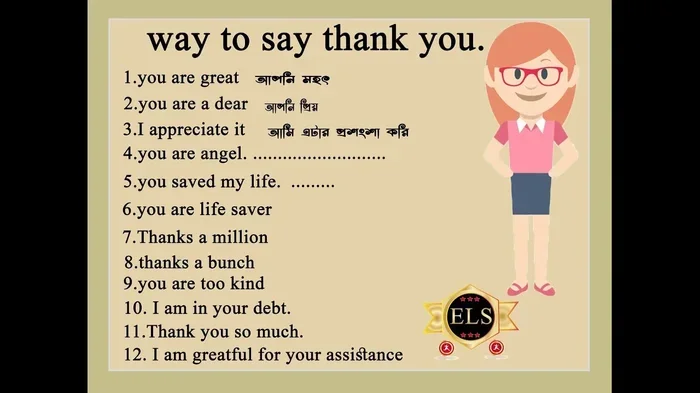
Knowing how to say thank you is more than good manners—it’s a powerful way to strengthen relationships and spread positivity. This guide gives you real phrases, practical tips, and situation-specific advice so you can express gratitude naturally in work, personal life, and beyond.
Key Takeaways
- Gratitude transforms relationships: Saying thank you regularly builds trust, deepens bonds, and makes people feel valued.
- Context matters: The way you express appreciation should match the situation—casual with friends, polished at work.
- Sincerity beats perfection: A simple heartfelt thank you always outperforms a fancy but hollow phrase.
- Body language amplifies words: Eye contact, smile, and tone make your gratitude feel genuine.
- Responding gracefully matters too: How you accept thanks shapes the quality of your connections.
- Small daily acts win: Consistent, small expressions of gratitude create lasting impact over grand gestures.
📑 Table of Contents
Introduction
Have you ever received a kindness and stumbled over your words? Maybe you wanted to express deep appreciation but all that came out was a rushed “thanks.” We have all been there. The good news is that how to say thank you is a skill you can absolutely master.
Gratitude is one of the most powerful human emotions. A genuine thank you can lift someone’s mood, repair a rough day, and even change the course of a relationship. But let us be honest—not all thank yous are created equal. A flat “thanks” at a work milestone feels different from a heartfelt note to a generous friend.
This guide walks you through everything. You will learn the best phrases for every occasion, how to deliver them with real confidence, and how to avoid the common slip-ups that make gratitude feel forced. By the end, you will never second-guess your gratitude expression again.
Why Saying Thank You Matters More Than You Think
Gratitude is not just a polite habit. Science backs it up. Studies from institutions like the University of California show that people who practice gratitude regularly report stronger relationships, better sleep, and higher happiness levels. Saying thank you is not just nice—it is good for your health.
How Gratitude Affects Your Brain
When you say thank you, your brain releases dopamine and serotonin. These are the feel-good chemicals. Essentially, every time you express appreciation, you train your brain to notice the good stuff around you. Over time, this builds a more positive outlook on life.
Why People Remember Kind Words
Think about the last time someone genuinely thanked you. Maybe a coworker acknowledged your help, or a stranger held the door and you said a warm thank you. Did it stick with you? Probably yes. Thank you phrases stick because they make people feel seen and respected.
Here is the thing most people miss: gratitude works both ways. When you thank someone, you also feel better. It creates a loop of positivity. That is why learning how to say thank you properly matters so much—it benefits both the giver and the receiver.
How to Say Thank You in Different Situations
One size does not fit all when it comes to gratitude. A text to your best friend needs a completely different tone than a thank you to your boss. Let us break it down situation by situation.
Saying Thank You at Work
Workplace gratitude requires a balance of professionalism and warmth. You want people to know you genuinely appreciate them, not just tick a politeness box. Here are some effective phrases:
- “I really appreciate your support on this project. It made a huge difference.”
- “Your expertise saved us. Thank you for stepping up.”
- “I am grateful to have you on the team. Your work ethic inspires everyone.”
- “Thank you for your feedback—it was incredibly helpful and constructive.”
Quick Tip: At work, be specific. Instead of a generic “thanks for the help,” mention exactly what the person did. Specificity makes gratitude feel sincere and real.
Saying Thank You to Friends and Family
With loved ones, you can relax the tone. Warmth and honesty matter most. Try these:
- “You always know how to show up for me. Thank you from the bottom of my heart.”
- “I do not say this enough, but I am so thankful you are in my life.”
- “That meant so much to me. You really know how to make someone feel loved.”
Friends and family deserve deeper, more personal gratitude. They see you at your worst and still stick around. Acknowledging that with a thoughtful thank you message strengthens those bonds.
Saying Thank You to Strangers
Strangers deserve your gratitude too. A simple but warm thank you goes a long way in everyday life:
- “Thank you so much for your help. You really made my day.”
- “I appreciate your kindness. It is people like you who restore my faith in humanity.”
- “Thanks for being so patient and helpful. Much appreciated!”
These small interactions create ripples. You never know how far a kind word travels.
Saying Thank You in Different Languages
Want to impress someone by thanking them in their language? Here are a few thank you in different languages phrases. If you are curious about how gratitude translates across cultures, you can explore more about translating thank you phrases into Hindi and other languages.
- Spanish: “Gracias” (GRAH-see-ahs)
- French: “Merci” (mehr-SEE)
- Japanese: “Arigatou gozaimasu” (ah-ree-gah-toh go-zai-mahss)
- German: “Danke” (DAHN-keh)
- Hindi: “Shukriya” (shook-REE-yah)
Learning to say thank you in another person’s language shows respect. It says, “I value you enough to try.” That kind of showing appreciation is powerful.
The Art of Saying Thank You with Confidence
Knowing the right words is only half the battle. Delivering them with confidence is what makes gratitude truly land. Many people say thank you but mumble it or rush through it. That is not what we are going for here.
Use Eye Contact and Smile
Non-verbal cues matter enormously. When you make eye contact and smile while saying thank you, the message instantly feels more genuine. It says, “I am not just saying this because I have to. I mean it.” A gratitude tip like this one transforms any simple thank you into something memorable.
Match Your Tone to the Moment
Saying thank you with a serious tone at a casual gathering feels awkward. Likewise, a jokey tone during a formal event can come off as dismissive. Thank you etiquette is all about matching your delivery to the setting.
Take Your Time
Rushed gratitude feels hollow. Pause for a second. Let the words breathe. A slow, deliberate “thank you” carries weight. It shows you actually thought about what you were saying.
Write It Down When It Counts
Some moments deserve more than a spoken thank you. A handwritten thank you note or a thoughtful message can leave a lasting impression. Especially in professional settings or after receiving a meaningful gift, putting pen to paper (or fingers to keyboard) adds a personal touch that stands out.
| Method | Best For | Impact Level |
|---|---|---|
| Verbal thank you | Quick, everyday moments | Moderate |
| Written note | Gifts, mentorship, big favors | High |
| Text message | Friends, casual settings | Moderate |
| Small thank you gift | Clients, close colleagues | Very High |
Expert Insight
Dr. Robert Emmons, a leading gratitude researcher, emphasizes that gratitude works best when it is intentional and specific. He notes that people who practice daily gratitude report up to 25% higher levels of happiness. The takeaway? Do not just say thank you. Mean it and mean it often.
Creative Ways to Express Gratitude
Sometimes a plain “thank you” does not feel enough. Maybe someone went above and beyond, or maybe you want to make a lasting impression. Here are some creative ways to express gratitude that go beyond the ordinary.
1. Return the Favor
One of the best thank you gifts ideas is reciprocity. If someone helped you move apartments, offer to help them next time. If a coworker covered your shift, volunteer to cover theirs. Actions often speak louder than words.
2. Cook a Meal
Food is love made visible. Cooking someone’s favorite meal is a warm, personal way to say thank you. It says, “I put time and effort into this because you matter to me.” This is a beautiful gratitude expression for close friends and family.
3. Create a Thank You Video or Letter
For milestone moments, consider a heartfelt video message or letter. Collect memories, share specific moments of kindness, and express how the person impacted your life. This kind of thank you message becomes a keepsake people treasure forever.
4. Use Humor and Playfulness
Not all gratitude has to be serious. A funny thank you card or a playful pun can bring a smile to someone’s face. If you want some lighthearted inspiration, you might enjoy exploring miss you puns or similar creative wordplay to add a fun twist to your appreciation. Humor makes gratitude feel relaxed and genuine.
5. Give a Thoughtful Gift
You do not need to spend big. A small, meaningful gift shows you were paying attention. Did your friend mention a book they wanted? Did your coworker love that coffee from a local shop? Thoughtful gifts are among the best thank you gift ideas because they prove you listened.
Common Mistakes When Saying Thank You
Even something as simple as gratitude has pitfalls. Here are mistakes people make more often than they realize—and how to avoid them.
Being Generic
Saying “thanks for everything” without specifics feels automatic. People hear it all the time and it barely registers. Always try to mention what you are thanking someone for. Specific gratitude feels personal and authentic.
Adding a “But”
Watch out for the thank you that turns into criticism. “Thanks for the help, but it still was not perfect” destroys the entire message. A sincere thanks stands on its own. Keep it clean and positive.
Overdoing It
Gratitude is great, but excessive thank yous can feel awkward. If you thank someone ten times in one conversation, it loses its charm. One or two heartfelt expressions are more than enough.
Making It About Yourself
When someone thanks you, the focus should stay on them. Avoid responses like, “Oh, I could never do anything for you.” This shifts attention away from the person expressing kindness. Stay gracious and let their gratitude be the star.
Quick Tips for Avoiding Mistakes
- Be specific about what you are thankful for.
- Keep the tone appropriate for the situation.
- Do not mix gratitude with complaints.
- Do not overdo it—quality beats quantity.
- Always make the other person feel appreciated, not uncomfortable.
How to Respond When Someone Thanks You
This is the part most people ignore. Accepting thanks gracefully is just as important as giving it. Many people brush off compliments or downplay their achievements. That is a missed opportunity.
Say “You Are Welcome” with Warmth
Instead of a flat “no problem,” try these alternatives:
- “You are so welcome. I am glad I could help.”
- “Of course! That is what friends/family are for.”
- “Happy to help. It was a pleasure.”
Acknowledge the Kindness
When someone thanks you, briefly acknowledge their thoughtfulness. “That means a lot, thank you for saying so” is a warm response. It shows you value their gratitude as much as you valued helping them. This builds a culture of mutual gratitude in relationships.
Accept Compliments Gracefully
Many people instinctively deflect praise. “Oh, it was nothing” may feel humble, but it actually dismisses the other person’s feelings. Instead, try: “Thank you! I really appreciate you saying that.” Accepting gratitude with grace makes both people feel good.
Conclusion
Learning how to say thank you is one of the most valuable skills you can develop. It costs nothing, takes seconds, and creates ripples that last far longer than the moment itself. From the workplace to your closest friendships, from strangers on the street to family at the dinner table, gratitude connects people in meaningful ways.
Remember to be specific, match your tone, and deliver your gratitude expression with genuine warmth. Avoid the common traps of being generic or mixing in complaints. Explore creative forms of appreciation, from handwritten notes to returning the favor. Every time you say thank you with confidence, you make the world a slightly better place.
So start today. Thank someone meaningfully. Make it real, make it warm, and make it count. How to say thank you is not just about words—it is about showing people they matter. And they do.
Frequently Asked Questions
What is the best way to say thank you at work?
The best workplace thank you is specific and timely. Instead of a generic “thanks,” mention exactly what the person did and how it helped. For example, “Your presentation really impressed the client. Thank you for all your hard work.” This makes your appreciation feel genuine and professional.
How do I say thank you to a close friend without sounding awkward?
With close friends, warmth and honesty work best. Be personal and heartfelt. You might say, “I am so grateful you were there for me. You really make a difference in my life.” Do not overthink it—your friend will appreciate the realness more than any polished phrase.
Can I say thank you in different languages to sound more thoughtful?
Absolutely. Saying thank you in someone’s native language shows effort and respect. Simple phrases like “Gracias” in Spanish, “Merci” in French, or “Shukriya” in Hindi can make your gratitude feel extra special. Just make sure you pronounce it correctly and use it in the right context.
How do I write a thank you note that feels meaningful?
Start with a warm greeting, then be specific about what you are thanking the person for. Share how their action impacted you. End with a personal closing. A good thank you note takes just a few minutes but leaves a lasting impression. Keep it honest and heartfelt.
Is it okay to say thank you via text message?
Yes, text messages work well for casual or quick gratitude. For bigger gestures or closer relationships, consider a longer message, a voice note, or even a handwritten note. The medium depends on the situation. What matters most is that your appreciation words feel sincere and timely.
How often should I express gratitude?
There is no limit. In fact, making gratitude a daily practice boosts your well-being and strengthens relationships. You can thank people every day without overdoing it—just keep it specific and genuine. Small, frequent expressions of thanks often have more impact than rare, grand gestures.