
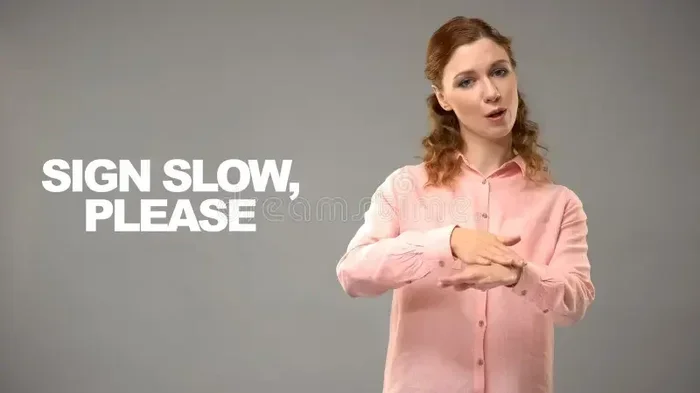
Have you ever wondered how to say slow in sign language? This quick guide will show you the exact hand movements and facial expressions you need. How to say slow in sign language is easier than you think, and we’ll break it down step by step. You’ll learn the basic sign, variations, and tips for clear communication. Whether you’re a beginner or just curious, this article covers everything you need to know.
Have you ever wondered how to say slow in sign language? This quick guide will show you the exact hand movements and facial expressions you need. How to say slow in sign language is easier than you think, and we’ll break it down step by step. You’ll learn the basic sign, variations, and tips for clear communication. Whether you’re a beginner or just curious, this article covers everything you need to know.
Key Takeaways
- Master the basic slow sign: Learn the simple hand gesture and movement that conveys “slow” in ASL.
- Use facial expressions: Your face and body help emphasize the pace of slow.
- Practice with real-life scenarios: Apply the sign when describing slow cars, slow dances, or slow processes.
- Avoid common mistakes: Don’t confuse slow with other speed-related signs like fast or hurry.
- Explore variations: Discover how regional differences and context can change the slow sign slightly.
- Connect with deaf culture: Using sign language respectfully builds stronger communication and friendships.
📑 Table of Contents
- Introduction
- What Does “Slow” Mean in Sign Language?
- How to Sign “Slow” Step by Step
- Common Variations of the Slow Sign
- When to Use the Slow Sign in Conversation
- Quick Tips for Perfecting the Slow Sign
- Slow Sign Language vs. Texting and Writing
- Slow Sign in Different Contexts
- Expert Insights on Learning the Slow Sign
- Conclusion
Introduction
Sign language is a beautiful way to connect without spoken words. Learning basic signs like “slow” can help you chat with deaf friends or simply grow your communication skills. You might need to describe a slow car, a gentle dance, or a relaxed pace. The sign for slow is simple and feels very natural. Let’s dive into how to say slow in sign language the easy way.
Many people think sign language is hard, but it really isn’t. Each sign has a clear meaning and a logical movement. Once you know the basic slow sign, you can use it in many situations. This guide will walk you through every detail. You’ll find practical tips, common mistakes, and fun variations. By the end, you’ll feel confident signing slow in any conversation.
What Does “Slow” Mean in Sign Language?
In sign language, the word slow describes a low speed or a relaxed pace. The slow sign uses smooth, deliberate hand movements to show that something is not fast. It is part of American Sign Language (ASL) and is used by deaf communities across the United States. Understanding this sign helps you communicate more naturally with deaf friends and colleagues.
The slow sign is also a great starting point for sign language basics. It teaches you how to use your hands, face, and body together. If you want to translate this concept into Hindi, you can check our guide on translate to English in Hindi meaning for a deeper look at the word across languages.
- Hand shape: Open hand with fingers together.
- Palm direction: Faces slightly downward or toward the body.
- Movement: Smooth, slow forward motion.
- Facial expression: Relaxed, calm, and focused.
How to Sign “Slow” Step by Step
Hand Position and Movement
Start with your dominant hand open and relaxed. Keep your fingers together and your palm facing mostly downward. Now, move your hand slowly forward. The movement should be smooth and controlled, not jerky. Imagine you are pushing through something thick like honey. That visual helps you get the right pace for the slow sign.
Your wrist stays loose during the motion. Do not stiffen your arm. The slowness comes from the deliberate, gentle movement. Practice this a few times in front of a mirror. You want the motion to look effortless and clear. If you rush, the sign loses its meaning. So take your time and feel the rhythm.
Facial Expression and Body Language
Your face plays a big role in sign language. When you sign slow, keep your expression calm and relaxed. Your eyebrows should be slightly raised in a soft, neutral way. Your body leans a bit forward, showing you are engaged and ready to communicate.
Body language adds emphasis to the slow sign. A slight nod at the end of the movement can reinforce the idea of a steady pace. If you are describing a slow dance, you might add a gentle sway to your torso. These extra cues help the other person understand the full meaning. They make your deaf communication richer and more expressive.
Common Variations of the Slow Sign
Just like spoken words, sign language can have slight variations. The basic slow sign is standard in ASL, but you might see small differences based on context. Some signers use both hands to show slow, especially when describing a slow-moving vehicle. The non-dominant hand stays still while the dominant hand moves slowly forward.
Another variation involves a repeated, rhythmic motion. This can show a continuous slow process, like a slow drip or a slow song. The key is that the movement always stays smooth and unhurried. If you are learning sign language for beginners, start with the single-hand version first. Once you feel comfortable, you can explore these variations. They add depth to your sign language tutorial practice.
When to Use the Slow Sign in Conversation
You can use the slow sign in many everyday situations. For example, if a friend is driving too fast, you can sign slow to warn them. If you are watching a movie and want to describe a slow scene, the sign fits perfectly. You might also use it when talking about a slow recipe, a slow internet connection, or a slow morning routine.
Sometimes you might look for a phrase in lieu of meaning a substitute, but in sign language, you simply use the slow sign to convey the same idea directly. The sign works well in both casual and formal settings. In a classroom, a teacher might sign slow to give instructions. In a casual hangout, you might use it to describe a lazy Sunday. The context shapes the exact way you deliver the sign, but the core meaning stays the same.
Quick Tips for Perfecting the Slow Sign
Practice makes perfect, especially with hand movements. Here are some quick tips to help you master the slow sign. These small adjustments can make a big difference in how clearly you communicate.
- Start slow yourself: If you rush your practice, you might accidentally sign fast. Always begin at a relaxed pace.
- Use a mirror: Watching yourself helps you see if your hand shape and movement look natural.
- Record yourself: Play back the video to check the smoothness of your motion.
- Pair with other signs: Combine slow with signs like car, dance, or walk to build full sentences.
- Ask for feedback: A deaf friend or teacher can tell you if your speed looks right.
Practice with a Partner
Finding a practice partner is one of the best ways to improve. You can take turns signing slow in different sentences. One person might sign “slow car” while the other responds with “yes, very slow.” This back-and-forth builds muscle memory and confidence. It also makes learning sign language fun and social.
Common Mistakes to Avoid
Many beginners make a few common errors when learning the slow sign. One mistake is moving the hand too quickly. The whole point of the sign is to show a relaxed pace, so speed is the enemy. Another error is using a clenched fist. Keep your hand open and loose to match the meaning. Some people also forget their face, but a blank expression can make the sign seem flat. Remember to keep your face soft and engaged.
Watch out for confusing slow with the sign for “fast” or “hurry.” The fast sign uses quick, sharp movements in the opposite direction. If you mix them up, your message can flip completely. Practice both signs side by side so you can tell them apart easily. This is a key part of any good sign language guide.
Slow Sign Language vs. Texting and Writing
In the digital world, we often use shortcuts to describe speed. When you are texting, you might see Wyo meaning in text used to ask what someone is up to, but that has nothing to do with pace. In sign language, you can directly show the concept of slow without any abbreviations. The slow sign gives you a visual, immediate way to share the idea. It is more expressive than typing “slow” on a keyboard.
Texting can sometimes strip away the nuance of how we describe movement. A word like slow in a text message is just letters on a screen. But when you sign slow, your hand, face, and body all work together to paint a picture. You show the gentle, unhurried motion right in front of the other person. This makes sign language a powerful tool for clear and vivid communication.
Slow Sign in Different Contexts
The slow sign can adapt to many topics. In a music class, you might use it to describe a slow tempo or a ballad. In a driving lesson, you can sign slow to remind the student to ease off the gas. In a cooking show, you might sign slow when the chef stirs the sauce gently. Each context adds a little extra meaning, but the core hand shape stays the same.
Children often learn the slow sign early because it is useful and easy to remember. A parent might sign slow while walking with a toddler to encourage a steady pace. In therapy or special education, the slow sign helps individuals express their need for a calmer environment. The versatility of this sign makes it a valuable addition to any sign language dictionary.
Expert Insights on Learning the Slow Sign
Deaf educators often say that the best way to learn any sign is through real-life practice. They recommend watching deaf actors in movies or videos and paying attention to how they sign slow. Notice how their facial expressions match the mood of the scene. This kind of observation helps you pick up subtle cues that textbooks might miss.
Another expert tip is to link the slow sign to a physical sensation. When you sign slow, imagine the feeling of moving through water or honey. That mental image helps your body replicate the right speed. Over time, the slow sign will feel automatic. You will be able to use it without thinking, which is the goal of fluent deaf communication.
Conclusion
Learning how to say slow in sign language is a rewarding experience. You now know the basic hand movement, the role of facial expressions, and common variations. You have seen how to avoid mistakes and practice effectively. The slow sign is simple yet powerful, and it opens the door to richer conversations with deaf friends and colleagues. Keep practicing every day, and soon this sign will feel like second nature.
Remember that sign language is more than just hand shapes. It is a full language that uses your entire body to communicate. By mastering the slow sign, you take a big step toward fluency. So go ahead, give it a try, and enjoy the journey of sign language learning. Your efforts will pay off in meaningful connections and clearer understanding.
Frequently Asked Questions
Is the slow sign the same in all types of sign language?
Most sign languages have a version of the slow sign, but the exact hand shape or movement can vary slightly. The ASL slow sign is widely recognized, but if you learn British Sign Language or another system, you might see small differences. Focus on the core idea of smooth, deliberate motion, and you will be understood in most contexts.
Can children learn the slow sign easily?
Yes, children pick up the slow sign very quickly because the movement is simple and intuitive. Parents often use it during play or daily routines to teach pacing. The sign helps kids express needs like “slow down” or “take your time” without needing words. It is a great early addition to any baby sign language routine.
Do I need to use my face when signing slow?
Facial expressions are a key part of sign language grammar. For slow, a relaxed, calm face reinforces the meaning of a gentle pace. A blank or tense expression can make the sign seem less clear. So yes, always use your face to add emotion and clarity to your slow sign.
How long does it take to master the slow sign?
With regular practice, most people feel comfortable with the slow sign within a few days. The movement is straightforward, so you do not need weeks of drills. Practice for just five to ten minutes a day, and you will see steady progress. Consistency matters more than long sessions.
What if I accidentally sign slow too quickly?
If you rush, the sign can start to look like the fast sign or just seem unclear. Pause, take a breath, and redo the movement at half speed. Focus on the smooth, honey-push feeling. Over time, your muscle memory will naturally keep the pace slow and deliberate.
Can I combine the slow sign with other signs to make sentences?
Absolutely. The slow sign works well with verbs and nouns. You can sign slow car, slow dance, or slow walk. Just place the slow sign before or after the related word to build a clear meaning. This is a great way to practice putting signs together in real conversations.