
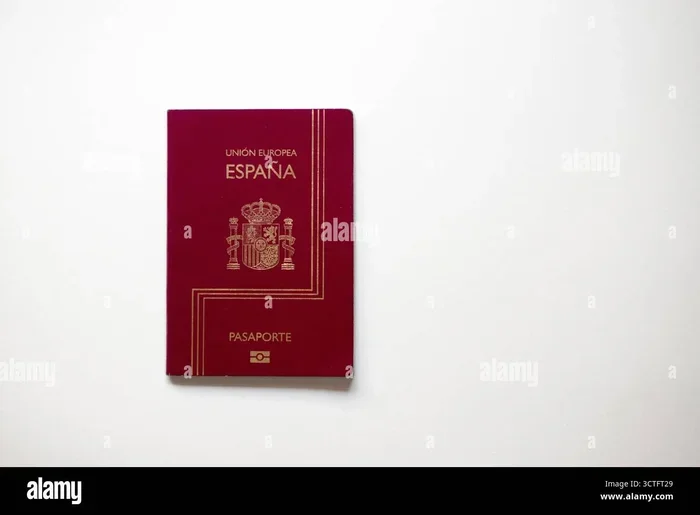
The Spanish word for passport is pasaporte, and knowing how to say passport in Spanish can make your travels smoother and more confident. Whether you are booking a flight, crossing a border, or asking for help at the airport, this guide covers everything you need. You will learn the correct pronunciation, common phrases, and essential vocabulary that native speakers actually use every day.
Traveling to a Spanish-speaking country is one of the best ways to grow as a person. But before you even step off the plane, there is one small word that can make a big difference: pasaporte. If you have ever wondered how to say passport in Spanish, you are in the right place.
This guide is designed for real travelers, not textbook learners. We will walk you through the pronunciation, the phrases you will actually need, and the vocabulary that makes the whole experience feel natural. By the end, you will sound like someone who has been traveling through Latin America or Spain for years.
Let us start with the basics. The word pasaporte is the universal term for passport across the entire Spanish-speaking world. From Mexico to Spain, from Argentina to Colombia, everyone understands this word. It is one of those travel essentials you simply cannot skip.
Key Takeaways
- Pasaporte is the correct Spanish word for passport, and it is used across all Spanish-speaking countries.
- The pronunciation is straightforward once you understand the syllable breakdown: pa-sa-POR-te.
- Knowing key airport and travel phrases in Spanish helps you navigate immigration and customs with ease.
- Understanding related vocabulary like documento de viaje and visa expands your practical Spanish skills.
- Common mistakes include anglicizing the word or confusing it with similar-sounding Spanish terms.
- Regular practice with real-world examples builds confidence fast.
- The guide also covers how to handle situations where you need alternative documents.
📑 Table of Contents
- What Is the Spanish Word for Passport?
- How to Pronounce Pasaporte Like a Native Speaker
- Essential Phrases to Use at the Airport and Border
- Passport-Related Vocabulary Every Traveler Should Know
- Tips for Remembering Spanish Travel Words
- Common Mistakes People Make When Saying Passport in Spanish
- Final Thoughts
What Is the Spanish Word for Passport?
The direct translation of passport into Spanish is pasaporte. It is a masculine noun, which means you would say el pasaporte when referring to it. This word comes from the French passeport, and it has been used in Spanish for centuries.
You might also hear people use the phrase documento de viaje, which means travel document. This is helpful to know because sometimes border agents refer to your passport using broader terms. If you ever need to explain that you are carrying your travel papers, saying mi documento de viaje works perfectly.
Here are a few related terms you should have in your back pocket:
- Pasaporte — passport
- Documento de viaje — travel document
- Documento de identidad — identity document
- Visa — visa (the same in Spanish)
- Tarjeta de embarque — boarding pass
These words all belong to the same family of travel vocabulary. Once you know pasaporte, the rest start to fall into place naturally.
How Do You Say Passport in Spanish in Different Regions?
One great thing about the word pasaporte is that it does not change from country to country. Unlike some Spanish words that vary by region, this one stays exactly the same everywhere. Whether you are in Madrid or Buenos Aires, pasaporte is the word you will use.
However, the way people pronounce it can shift slightly. In Spain, the z and c sounds often become a th sound (called the distinción). In Latin America, those letters are pronounced as a regular s. So you might hear pasa-POR-te in Mexico and something close to pasa-PORTH-te in Spain. Both are correct.
How to Pronounce Pasaporte Like a Native Speaker
Pronunciation is where many learners get stuck. But pasaporte is actually one of the easier words to say once you break it down. Let us walk through it together.
The word has four syllables: pa-sa-POR-te. The stress lands on the third syllable, POR. That is the part you want to emphasize. The first two syllables are soft and quick, and the last syllable is short and light.
Here is a simple breakdown:
- Pa — like the English word “pa”
- sa — like the English word “sah”
- POR — like the English word “pore” with emphasis
- te — like the English word “teh”
When you put it all together, it sounds like pa-sah-POR-teh. Practice saying it slowly a few times, then speed up. Within a day or two, it will feel completely natural.
Common Pronunciation Mistakes to Avoid
One mistake English speakers often make is adding an extra syllable. Some people say pas-a-por-te with five syllables instead of four. Keep it to four. Another mistake is stressing the wrong syllable, like saying PA-sa-porte. Remember, the stress belongs on POR.
If you are unsure about how to say other travel-related words, you might find it helpful to explore how translation tools handle different language pairs. For example, understanding how certain translation platforms work can give you better confidence when you are learning new words on the go.
Essential Phrases to Use at the Airport and Border
Knowing the word pasaporte is just the start. When you are standing at immigration or customs, you need full phrases. Here are the most important ones you will use.
At Immigration
- ¿Me puede revisar el pasaporte? — Can you check my passport?
- ¿Dónde está el mostrador de pasaportes? — Where is the passport counter?
- Este es mi pasaporte. — This is my passport.
- ¿Cuánto tiempo puedo quedarme? — How long can I stay?
At Customs
- ¿Tiene algo que declarar? — Do you have anything to declare?
- No, solo mi pasaporte y mi equipaje. — No, just my passport and my luggage.
- ¿Dónde reclamo mi equipaje? — Where do I pick up my luggage?
These phrases are practical and you will use them more than you might expect. Even if your Spanish is basic, saying Este es mi pasaporte with confidence goes a long way. Border agents really appreciate it when travelers make the effort.
When you are traveling, you may also encounter situations where you need to explain something in different languages or reference how certain terms work across language barriers. Understanding how language tools bridge these gaps can be incredibly useful.
Passport-Related Vocabulary Every Traveler Should Know
Let us go deeper. Beyond just the word pasaporte, there is a whole set of vocabulary that will make your travels in Spanish-speaking countries much easier.
Documents and Paperwork
- Documento — document
- Identificación — identification
- Cédula — ID card (used in many Latin American countries)
- Formulario — form
- Sello — stamp (as in a passport stamp)
- Fecha de expiración — expiration date
Travel Situations
- Facturar equipaje — to check luggage
- Control de pasaportes — passport control
- Aduana — customs
- Vuelo — flight
- Equipaje de mano — carry-on luggage
When you put these words together with pasaporte, you can handle almost any situation at the airport. For instance, if someone asks you about your travel documents and you need to clarify what you are carrying, you can use these terms naturally.
Sometimes, travelers find themselves in situations where they need to present alternative documents instead of their passport. In these cases, knowing how to reference the replacement or substitute becomes essential. Understanding the broader context of document alternatives can save you time and stress at the airport.
A Quick Comparison Table
| English | Spanish | Pronunciation |
|---|---|---|
| Passport | Pasaporte | pa-sa-POR-te |
| Boarding pass | Tarjeta de embarque | tar-HE-ta de em-bar-KE |
| Visa | Visa | vee-SA |
| Customs | Aduana | a-doo-A-na |
| Luggage | Equipaje | eh-kee-PA-heh |
| Immigration | Inmigración | eemee-gra-see-ON |
Keep this table handy when you are studying before a trip. It is a quick reference that covers the most common airport and border situations.
Tips for Remembering Spanish Travel Words
Learning new vocabulary can feel overwhelming, but it does not have to be. Here are some simple tricks that actually work.
Use Flashcards with Pictures
Write the Spanish word on one side and the English meaning on the other. Add a picture if you can. Your brain remembers images much better than plain text. So next to pasaporte, draw a little passport or find a photo online.
Practice Out Loud Every Day
Reading the words silently is not enough. Say them out loud. Pretend you are at the airport and you need to hand over your pasaporte. The more you say it in context, the faster it sticks.
Watch Spanish Travel Videos
YouTube is full of travel vloggers who visit Spanish-speaking countries. Watch them and pay attention to how they use words like pasaporte, aduana, and equipaje in real situations. This kind of exposure is incredibly powerful.
Use Language Apps Consistently
Apps like Duolingo, Babbel, or Memrise can reinforce your vocabulary in short daily sessions. Even ten minutes a day makes a noticeable difference over a few weeks.
Common Mistakes People Make When Saying Passport in Spanish
Let us talk about the errors that trip people up. Avoiding these mistakes will make your Spanish sound much more natural.
- Spelling it with an accent incorrectly. The word is pasaporte — no accent marks. Do not write pasáporte.
- Confusing it with pasado or puerto. These are completely different words. Pasado means “past” and puerto means “port” or “harbor.”
- Using the wrong gender. Always say el pasaporte, not la pasaporte.
- Overpronouncing the R. The R in the middle of pasaporte is a soft, single tap, not a rolled R.
These small errors might seem minor, but native speakers notice them right away. Getting them right shows respect for the language and makes conversations flow much more smoothly.
Final Thoughts
Learning how to say passport in Spanish is more than just memorizing one word. It is the first step toward a richer, more rewarding travel experience. When you walk up to a counter and confidently say Este es mi pasaporte, you are telling the world that you made an effort. That effort matters.
Use the phrases, the vocabulary, and the pronunciation tips from this guide. Practice them before your next trip. And remember, every Spanish speaker you meet will appreciate it when you try. Travel is about connection, and language is the bridge that gets you there.
So go ahead, book that flight, pack your bags, and bring your pasaporte with pride. You are ready.
Frequently Asked Questions
What is the Spanish word for passport?
The Spanish word for passport is pasaporte. It is used universally across all Spanish-speaking countries, from Spain to Mexico to Argentina. The pronunciation is pa-sa-POR-te, with the stress on the third syllable.
How do you pronounce pasaporte correctly?
Break the word into four syllables: pa-sa-POR-te. Emphasize the third syllable, POR. The first two syllables are soft and quick, and the final syllable is short and light. Practice saying it slowly at first, then build up speed.
Is pasaporte the same in every Spanish-speaking country?
Yes, the word pasaporte does not change across regions. However, pronunciation may vary slightly. In Spain, the c and z sounds can shift to a th-like sound, while in Latin America, they are pronounced as a regular s. Both versions are correct.
What other phrases should I know at the airport in Spanish?
Key phrases include ¿Me puede revisar el pasaporte? (Can you check my passport?), ¿Dónde está el mostrador de pasaportes? (Where is the passport counter?), and Este es mi pasaporte (This is my passport). These will help you navigate immigration and customs smoothly.
What is the difference between pasaporte and documento de viaje?
Pasaporte specifically means passport, while documento de viaje means travel document. The latter is a broader term that can refer to any official paper that allows you to travel. Use pasaporte when referring specifically to your passport.
How can I remember Spanish travel vocabulary more effectively?
Use flashcards with pictures, practice out loud every day, watch Spanish travel videos, and use language apps consistently. The key is repetition in context. Saying words like pasaporte and aduana out loud in realistic scenarios helps your brain retain them much faster than silent study.