
Learning how to say anemone correctly is easier than you think. This guide breaks down the pronunciation step by step so anyone can master it. You will also discover common mistakes, the meaning behind the word, and practical tips to sound natural. Whether you are talking about the flower or the sea creature, this article has you covered.
Have you ever been in a conversation and hesitated when someone said the word anemone? Maybe you were not sure how to say it. You are not alone. This word trips up a lot of people. The good news is that once you learn the correct way to say it, you will never forget it. In this guide, we will walk you through everything you need to know about how to say anemone the right way.
The word anemone has a rich history. It comes from the Greek word anemone, which means “daughter of the wind.” This beautiful flower and the sea creature share the same name. Both are fascinating in their own way. Whether you are a gardener, a nature lover, or just someone who enjoys learning new words, this guide will help you master the pronunciation with ease.
Key Takeaways
- Correct Pronunciation: Anemone is pronounced uh-NEM-uh-nee, with four clear syllables.
- Common Mistakes: Many people drop syllables or stress the wrong part of the word.
- Two Meanings: The word refers to both a beautiful flower and a fascinating sea creature.
- Practice Tips: Breaking the word into smaller parts helps you remember the correct way to say it.
- Origin Matters: Understanding where the word comes from makes pronunciation much easier.
- Confidence Boost: Using the word correctly in conversation shows knowledge and attention to detail.
📑 Table of Contents
- What Is an Anemone?
- How to Say Anemone Correctly
- Why Does Anemone Have Multiple Meanings?
- The Meaning Behind the Name
- Using Anemone in Everyday Conversation
- Common Situations Where You Might Need This Word
- Expert Insights on Mastering Tricky Pronunciations
- Final Thoughts on Saying Anemone the Right Way
What Is an Anemone?
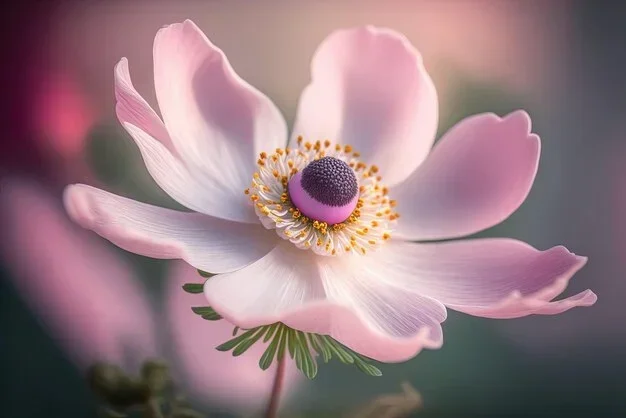
Before we dive into pronunciation, let us understand what anemone actually means. The anemone meaning spans two different things in nature. First, there is the anemone flower. It is a colorful bloom that belongs to the buttercup family. These flowers come in shades of red, white, purple, and pink. They are popular in gardens and bouquets around the world.
Second, there is the sea anemone. This is a marine creature that looks like a colorful flower living at the bottom of the ocean. It attaches itself to rocks and coral. Despite looking like a plant, it is actually an animal. Both the flower and the sea creature got their name from the same Greek root. The connection to wind is quite poetic. Sea anemones sway gently in ocean currents, much like flowers sway in the breeze.
The Anemone Flower
The anemone flower is a stunning addition to any garden. It blooms in the spring and fall, depending on the variety. Gardeners love these flowers because they are low maintenance and come in many colors. The petals are often layered and delicate. They make excellent cut flowers for arrangements. The flower also carries deep symbolism in many cultures. It represents anticipation, protection, and even luck in some traditions.
The Sea Anemone
Sea anemones are equally fascinating. They live in oceans all around the world. Some are bright red, while others are green, orange, or even translucent. They have tiny tentacles that they use to catch prey. These creatures are related to jellyfish and corals. Despite their delicate appearance, sea anemones are skilled hunters. They sting small fish and shrimp with their tentacles. Watching them in an aquarium is a calming and beautiful experience.
How to Say Anemone Correctly
This is the heart of our guide. Many people want to know how to say anemone without sounding unsure. The key is breaking the word into parts. Let us go through it step by step.
The Phonetic Breakdown
The correct pronunciation of anemone is uh-NEM-uh-nee. That is four syllables. Let us look at each one:
- Uh — Start with a soft, short “uh” sound. Think of the “a” in about.
- Nem — This is the stressed syllable. Say it like the word “gem.”
- Uh — Another soft “uh” sound, just like the first one.
- Nee — End with a long “ee” sound, like the word “knee.”
When you put it all together, it sounds like “uh-NEM-uh-nee.” Try saying it slowly a few times. Speed will come naturally once you feel comfortable with each part.
Common Mistakes in Pronunciation
Now let us talk about the mistakes most people make. These errors are very common, so do not feel bad if you have made them.
- Skipping syllables: Many people say “AN-eh-mone” or “AN-eh-moan.” They drop the second “uh” sound. This makes the word sound shorter than it really is.
- Wrong stress: Some people put the stress on the first syllable, saying “AN-eh-mo-nee.” The stress should be on the second syllable: “nem.”
- Rhyming with “balloon”: This is a classic error. People sometimes say “uh-NEM-uh-bloon.” The last syllable is “nee,” not “bloon.”
- Adding extra letters: Some add an extra “m” sound in the middle. Keep it clean and simple.
The best way to fix these mistakes is to practice slowly. Say the word in four clear parts. Over time, your mouth will get used to the rhythm.
Pronunciation Tips for Success
Here are some practical tips to help you master the pronunciation of anemone:
- Use a mirror: Watch your mouth as you say each syllable. This helps you feel the shape of each sound.
- Record yourself: Use your phone to record your pronunciation. Play it back and compare it to a native speaker.
- Break it apart: Never try to say the whole word at once at first. Master each syllable separately.
- Practice in sentences: Say something like “The anemone flower is beautiful” or “I saw a sea anemone at the aquarium.” This helps you use the word naturally.
- Listen and repeat: Find a video or audio clip online. Listen carefully and repeat what you hear.
Consistency is key. Practice for just five minutes a day. You will be surprised how quickly it becomes second nature.
Why Does Anemone Have Multiple Meanings?
One of the most interesting things about this word is that it has more than one meaning. This is not unusual in the English language. Many words have multiple meanings depending on the context. Let us explore why anemone carries such different meanings.
The Greek Connection
The word anemone comes from ancient Greek. In Greek mythology, the anemone flower was said to have sprung from the tears of Aphrodite, the goddess of love. The story goes that she wept over the death of her lover, Adonis. The tears turned into beautiful red flowers. This is why the anemone flower often symbolizes love and loss.
The Greek word anemone is also connected to the wind. The name “daughter of the wind” reflects the way the flower petals move gently in a breeze. This poetic connection gave rise to both the flower and the sea creature sharing the same name.
The Link Between Flower and Creature
You might wonder why a flower and a sea creature share the same name. The answer lies in their appearance. The sea anemone looks like a flower. Its tentacles spread out like petals. Early scientists named it after the flower because of this resemblance. Today, both are called anemone. The anemone flower name and the sea creature name come from the same root.
This dual meaning makes the word even more interesting to learn. When you say anemone correctly, you are connecting to thousands of years of history and nature.
The Meaning Behind the Name
Understanding the anemone meaning helps you remember the correct pronunciation. The word is deeply rooted in nature and mythology. Let us look at the different layers of meaning.
Symbolism of the Anemone Flower
The anemone flower carries rich symbolism across different cultures. In Western traditions, it represents anticipation and protection. In Chinese culture, it is associated with bad luck and illness. However, in Japanese culture, the anemone symbolizes the wind itself. This ties back to the Greek origin of the word.
The flower is also a popular gift for special occasions. Its vibrant colors make it stand out in any bouquet. Whether red, white, or purple, the anemone flower always catches the eye.
Symbolism of the Sea Anemone
The sea anemone carries its own symbolism. In marine biology, it represents resilience and adaptation. These creatures can survive in harsh ocean conditions. They also symbolize beauty hidden beneath the surface. Not everyone gets to see them in their natural habitat. This makes encountering a sea anemone a special moment for divers and ocean lovers.
Using Anemone in Everyday Conversation
Now that you know how to say anemone correctly, let us look at how to use it in real conversations. Confidence comes with practice. Here are some examples you can use right away.
Talking About the Flower
- “I planted an anemone in my garden this spring.”
- “The anemone flower in that bouquet is stunning.”
- “Have you ever seen an anemone in full bloom?”
Talking About the Sea Creature
- “We saw a bright red sea anemone at the aquarium.”
- “The anemone waved its tentacles in the current.”
- “I love watching sea anemones in nature documentaries.”
Using the word in sentences helps reinforce the correct pronunciation. It also builds your confidence. The more you use it, the more natural it will feel.
Quick Tips for Remembering the Pronunciation
Sometimes you need a quick trick to remember how to say a word. Here are some tricks for anemone:
- The “GEM” trick: The middle part sounds like “gem.” Just say “uh-NEM-uh-nee” and remember the “gem” in the middle.
- The “KNEE” ending: The last part rhymes with “knee.” This stops people from saying “bloon” at the end.
- Four beats: Clap four times as you say the word. One clap per syllable. This keeps you from rushing or skipping parts.
- Connect it to the wind: Remember that anemone means “daughter of the wind.” Say it softly, like a gentle breeze.
These small tricks can make a big difference. They give your brain a simple way to recall the correct pronunciation when you need it most.
Common Situations Where You Might Need This Word
There are many moments in life when knowing how to say anemone correctly comes in handy. Let us look at a few of them.
Visiting a Botanical Garden
Botanical gardens often have sections dedicated to wildflowers and unique blooms. The anemone flower is a common feature in many of these gardens. When you walk past a display, you might want to point it out to a friend. Knowing the correct pronunciation makes the moment feel natural and confident.
Discussing Marine Life
If you visit an aquarium or go snorkeling, you will likely encounter sea anemones. These creatures are a highlight for many ocean enthusiasts. Being able to say the name correctly shows your knowledge and appreciation for marine life. It also makes conversations with guides and fellow visitors more enjoyable.
Reading or Writing About Nature
Whether you are writing a blog post or reading a nature magazine, the word anemone will come up often. Understanding the correct pronunciation helps you follow along with audio content. It also helps you speak confidently if you are creating content yourself.
Expert Insights on Mastering Tricky Pronunciations
Language experts agree that breaking difficult words into smaller chunks is the most effective strategy. According to pronunciation coaches, words with multiple syllables often trip people up because they try to say the whole thing at once. The trick is to slow down and focus on each part individually.
Another expert tip is to connect the word to something you already know. For anemone, the “gem” and “knee” connections work perfectly. These familiar sounds anchor the unfamiliar parts of the word. Over time, your brain links the new word to sounds you already recognize.
Finally, experts suggest not being afraid of making mistakes. Every mispronunciation is a learning opportunity. The more you practice, the closer you get to sounding natural. The goal is progress, not perfection.
Final Thoughts on Saying Anemone the Right Way
Mastering how to say anemone is a rewarding experience. It opens up a deeper connection to nature, language, and history. The word carries meaning that goes far beyond its four syllables. When you say it correctly, you honor its Greek roots and its place in both gardens and oceans around the world.
Practice the pronunciation daily. Use the tips and tricks shared in this guide. Before long, saying anemone will feel effortless. You will sound confident and knowledgeable every time you use the word. And remember, the journey of learning new words never truly ends. Each word you master adds another layer to your understanding of the world around you.
So go ahead and try saying anemone out loud right now. Uh-NEM-uh-nee. Four clear syllables. You have got this. Share what you learned with a friend, and help them say it correctly too. Language is meant to be shared, and every correct pronunciation is a small victory worth celebrating.
Frequently Asked Questions
What is the correct way to say anemone?
The correct pronunciation is uh-NEM-uh-nee, with four syllables. The stress falls on the second syllable, “nem.” Practice saying it slowly at first, then build up speed as you get comfortable.
Why do people mispronounce anemone?
People often mispronounce anemone because it has four syllables and several unfamiliar sounds. Common errors include dropping the second “uh” syllable or stressing the wrong part of the word. Breaking it into smaller parts helps fix these mistakes quickly.
Does anemone mean the same thing as the flower?
Anemone refers to both a flower and a sea creature. The flower is part of the buttercup family, while the sea anemone is a marine animal. Both share the same Greek origin, which means “daughter of the wind.”
How can I remember the pronunciation of anemone?
Use the “gem” and “knee” trick. The middle syllable sounds like “gem,” and the last syllable rhymes with “knee.” Clapping four beats as you say the word also helps you keep all four syllables in order.
Is anemone a difficult word to pronounce?
Not at all. Once you break it into four parts, it becomes much easier. The key is to slow down and focus on each syllable separately. With a little daily practice, it will feel natural and effortless.
What does anemone symbolize in different cultures?
The anemone flower symbolizes anticipation and protection in Western cultures. In Japanese tradition, it represents the wind itself. Sea anemones symbolize resilience and beauty hidden beneath the surface. These meanings connect back to the word’s Greek roots.
=== CONCLUSION ===
Learning how to say anemone correctly is a simple yet rewarding skill. The correct pronunciation, uh-NEM-uh-nee, opens the door to richer conversations about nature, flowers, and marine life. You now know the common mistakes to avoid, the tips to practice, and the deeper meaning behind the word. The next time someone mentions an anemone, you will speak up with confidence. Keep practicing, share your knowledge, and enjoy the beauty of this remarkable word. Your journey to mastering the pronunciation of anemone starts today.