
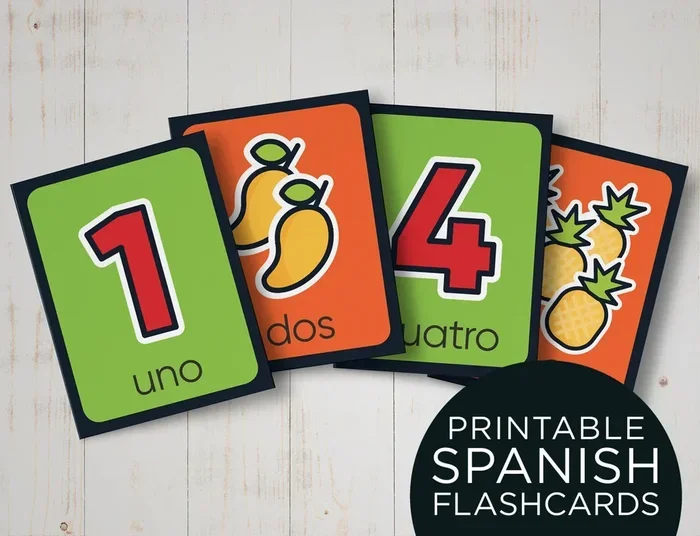
Learning how to say 16 in Spanish is simple once you understand the pattern behind Spanish numbers. The word is dieciséis, and it follows the same structure used for other numbers between 13 and 19. With a few pronunciation tips and practice tricks, you can say this number confidently in no time. This guide covers everything from basic pronunciation to real-life usage.
Have you ever found yourself in a conversation and completely blanked on how to say 16 in Spanish? You are not alone. Many language learners stumble on this specific number because it looks and sounds nothing like the English word “sixteen.” But here is the good news. Once you break it down, how to say 16 in spanish becomes incredibly straightforward. This guide will walk you through every detail, from pronunciation to real-world usage. By the end, you will say dieciséis like a native speaker.
Numbers are the building blocks of any language. They help you tell time, count money, give your age, and so much more. If you are just starting your Spanish language basics journey, mastering numbers early on pays off big time. The number 16 might seem small, but it opens the door to understanding how the entire Spanish counting system works. Let us dive in and make this easy and fun.
Key Takeaways
- Dieciséis is the Spanish word for sixteen, and it follows a clear compound pattern.
- The pronunciation breaks into two parts: “dee-tay-see-SAYS,” which is easier than it looks.
- Understanding how Spanish builds numbers from 13 to 19 helps you learn many numbers at once.
- Practice with real-life examples like telling time, giving your age, and counting objects.
- Common mistakes include misplacing the accent mark and confusing similar-sounding numbers.
- Consistent daily practice, even for just five minutes, leads to fast improvement.
📑 Table of Contents
- What Is the Spanish Word for 16?
- How to Pronounce Dieciséis Correctly
- The Pattern Behind Spanish Numbers 13 to 19
- How to Use “Dieciséis” in Real Conversations
- Quick Tips to Memorize How to Say 16 in Spanish
- Common Mistakes to Avoid When Saying 16 in Spanish
- How This Fits Into Your Broader Spanish Learning Journey
- Final Thoughts on Saying 16 in Spanish
What Is the Spanish Word for 16?
The Spanish word for 16 is dieciséis. At first glance, it might look intimidating. But it is really just two parts stuck together. The first part, “dieci,” comes from the word for ten. The second part, “seis,” means six. So dieciséis literally translates to “ten-six.” This is exactly how Spanish builds numbers from 13 to 19. Once you know this pattern, you can figure out thirteen, fourteen, fifteen, and all the way up to nineteen without memorizing each one separately.
Understanding dieciséis meaning is the first step. In English, we have unique words for numbers like thirteen and fourteen. Spanish takes a different approach. It uses a logical, rule-based system. This makes learning Spanish numbers much more predictable. You do not need to memorize each number as a completely separate word. Instead, you learn the building blocks and combine them.
Breaking Down the Word
Let us look at dieciséis more closely:
- Dieci = ten
- Seis = six
- Dieciséis = sixteen
Notice the accent mark over the “e” in “seis.” This accent is very important in Spanish. It tells you where to put the stress when you speak. Without it, the word would be mispronounced. The accent goes on the second-to-last syllable, which is the standard rule for words ending in a vowel or “s.” This small mark makes a big difference in pronounce 16 in Spanish correctly.
How to Pronounce Dieciséis Correctly
Pronunciation is one of the biggest hurdles for new Spanish learners. But dieciséis is actually quite forgiving. You do not need a perfect accent to be understood. Let us break the word into syllables so it feels manageable.
The syllable breakdown is: dee-tay-see-SAYS. Say each part slowly at first. Then gradually speed up. The stress falls on the last syllable, “SAYS.” This is marked by the accent accent mark we talked about earlier.
Common Pronunciation Mistakes
Here are some mistakes to watch out for:
- Skipping the “c” sound and saying “dee-tee-SAYS” instead of “dee-tay-see-SAYS.”
- Forgetting the accent mark and stressing the wrong syllable.
- Pronouncing the “s” at the end too softly or too hard.
- Adding an extra syllable that does not exist.
Try saying the word slowly five times. Then say it in full sentences. Repetition is your best friend here. The more you hear and say dieciséis, the more natural it becomes. You can also listen to native speakers on language apps or YouTube to train your ear.
The Pattern Behind Spanish Numbers 13 to 19
One of the best things about how to say 16 in spanish is that it connects to a larger pattern. Once you understand this pattern, you can count from thirteen to nineteen with ease. Each number follows the same structure: “dieci” plus the ones digit.
Here is how the pattern works:
- 13 = trece (this one is an exception)
- 14 = catorce (another exception)
- 15 = quince (also an exception)
- 16 = dieciséis
- 17 = diecisiete
- 18 = dieciocho
- 19 = diecinueve
Notice that 13, 14, and 15 are unique words. But starting at 16, the pattern kicks in. This means that once you learn how to say 16 in spanish, you automatically know three more numbers. That is a huge win for your Spanish vocabulary building.
Why This Pattern Matters
Language experts often say that learning Spanish numbers is easier than people think. The reason is consistency. After the exceptions at 13 through 15, the system becomes very logical. You combine “dieci” with the ones place, and you get the correct number. This is similar to how some other languages work, and it makes Spanish number words much easier to remember than you might expect.
Think of it like building blocks. You already know “dieci” (ten) and “seis” (six). Put them together, and you have sixteen. It is that simple. This approach works for compound Spanish numbers well beyond 16 too. Numbers like 21 (veintiuno) and 31 (treinta y uno) follow similar combining rules.
How to Use “Dieciséis” in Real Conversations
Knowing the word is one thing. Using it naturally is another. Let us look at practical situations where you will need to say dieciséis in real life.
Telling Your Age
One of the most common times you will use dieciséis is when telling someone your age. In Spanish, you would say:
- “Tengo dieciséis años.” (I am sixteen years old.)
This phrase comes up often, especially when meeting new people or filling out forms in Spanish-speaking countries. Practice saying it out loud until it feels natural.
Telling Time
Another everyday use is telling time. For example, if it is 4:16, you would say:
- “Son las cuatro y dieciséis.” (It is four sixteen.)
Knowing how to say dieciséis helps you handle time conversations with confidence. This is especially useful when traveling or scheduling with Spanish-speaking friends.
Counting Objects
Whether you are shopping at a market or counting items in a classroom, you might need to say sixteen. For example:
- “Hay dieciséis manzanas en la mesa.” (There are sixteen apples on the table.)
These small real-life examples help reinforce the word in your memory. Try using dieciséis in a sentence every day this week.
Quick Tips to Memorize How to Say 16 in Spanish
Memorization does not have to be boring. Here are some Spanish language tips that make learning dieciséis fun and effective:
- Break it into chunks. Practice “dieci” and “seis” separately, then combine them.
- Use flashcards. Write the number on one side and the English meaning on the other.
- Listen and repeat. Find a native speaker audio clip and mimic the pronunciation.
- Write it daily. Writing the word ten times a day builds muscle memory.
- Use it in context. Make up sentences using dieciséis and say them out loud.
When I first learned this number, I wrote it on a sticky note and put it on my mirror. Every time I brushed my teeth, I practiced saying it. It sounds silly, but it worked. Within a week, I could say dieciséis without thinking. Small habits like this add up fast.
Quick Tips at a Glance
- Say dieciséis out loud at least three times a day.
- Use it in a real sentence, even if you are talking to yourself.
- Watch short Spanish videos that count to twenty.
- Pair the number with a visual image to boost memory.
- Review the numbers 13 through 19 together for better context.
Common Mistakes to Avoid When Saying 16 in Spanish
Even motivated learners make mistakes. Being aware of common errors helps you avoid them. Here are the top pitfalls when trying to pronounce 16 in Spanish correctly:
Mistake 1: Dropping the “c” in Dieci
Some learners say “dee-tee-SAYS” instead of “dee-tay-see-SAYS.” The “c” in “dieci” makes a soft “s” sound in Spanish. Do not skip it. Every letter counts in Spanish numeral pronunciation.
Mistake 2: Forgetting the Accent Mark
The accent on “seis” is not optional. It changes where you place the stress. Saying “dee-tay-see-SEYS” without the proper stress sounds off to native ears. Always include the accent mark when writing the word.
Mistake 3: Confusing Dieciséis with Diecisiete
Seventeen in Spanish is diecisiete. It sounds very similar to dieciséis, but the ending is different. “Dieciséis” ends with an “s” sound, while “diecisiete” ends with a “te” sound. Practice both side by side to train your ear.
Mistake 4: Translating Word for Word
In English, we say “sixteen.” In Spanish, there is no single word that means “six-teen.” Instead, it is a compound word. Trying to translate it directly word by word will only confuse you. Accept the pattern and work with it.
Understanding how translation works across languages can help you avoid these traps. Sometimes words in one language do not map directly to words in another. The structure changes, and that is perfectly normal. If you want to explore more about how meanings shift between languages, you can check out resources on translate to english in hindi meaning to see how different languages handle similar concepts.
How This Fits Into Your Broader Spanish Learning Journey
Mastering how to say 16 in spanish is just one small piece of the puzzle. But it connects to a much bigger picture. Numbers are everywhere in daily conversation, media, and travel. The more Spanish vocabulary you build, the more confident you become in real-world situations.
Here is how dieciséis fits into the larger framework:
- It teaches you the compound number pattern used throughout the teens.
- It strengthens your understanding of Spanish cardinal numbers.
- It builds a foundation for larger numbers like 26, 36, and beyond.
- It improves your listening skills when native speakers count or give numbers.
- It boosts your overall comfort with the Spanish language.
The beauty of learning numbers in Spanish is that each new number reinforces previous knowledge. When you learn dieciséis, you also solidify your understanding of “dieci” and “seis.” These building blocks appear again and again in higher numbers too. This cumulative effect is what makes learning Spanish numbers so rewarding over time.
Language is all about patterns. Once you spot the pattern behind the teens, you will start seeing it everywhere. And that is when things click. You stop memorizing and start understanding. That shift from memorization to comprehension is what separates a casual learner from someone who truly learns Spanish fast.
If you are curious about how meaning works in different languages and contexts, exploring phrases like in lieu of meaning can give you a deeper appreciation for how expressions and structures vary across languages. This kind of curiosity fuels better language learning overall.
Final Thoughts on Saying 16 in Spanish
Let us bring it all together. How to say 16 in Spanish is dieciséis. It breaks into “dieci” (ten) and “seis” (six). The pronunciation is “dee-tay-see-SAYS,” with the stress on the last syllable. It follows a clear pattern that applies to most numbers from 16 to 19. And it shows up in real-life situations like telling your age, reading the time, and counting objects.
The key to remembering this number is consistent, low-pressure practice. Say it out loud. Write it down. Use it in sentences. Review the numbers around it. Within a few days, dieciséis will feel as natural as “sixteen” does in English. You will wonder why you ever found it difficult.
Language learning is a journey made of small wins. Every number you master, every sentence you form, and every conversation you have brings you closer to fluency. So celebrate the fact that you now know how to say sixteen in Spanish. Keep building on this foundation, and you will be surprised how far you can go. The world of Spanish numbers is wide open, and dieciséis is your next stepping stone.
Keep practicing, stay curious, and enjoy the process. Before long, you will not just know how to say 16 in Spanish. You will know how to say 17, 18, 19, and all the way up to 100 and beyond. The journey starts with a single number. And today, that number is dieciséis.
As you continue exploring language and meaning across different contexts, you might also find it interesting to look into how slang and informal terms evolve in digital communication. Understanding phrases like wyo meaning in text can give you a broader perspective on how language adapts in modern settings, which complements your growing Spanish skills nicely.
Frequently Asked Questions
What is the Spanish word for 16?
The Spanish word for 16 is dieciséis. It is a compound word made of “dieci” meaning ten and “seis” meaning six. The accent mark goes over the “e” in “seis” to indicate proper stress.
How do you pronounce dieciséis?
Break it into syllables: dee-tay-see-SAYS. The stress falls on the last syllable. Practice slowly at first and speed up as you get comfortable. Listening to native speakers helps a lot.
Is there a shortcut to remember how to say 16 in Spanish?
Yes. Think of it as “dieci” plus “seis,” which means ten plus six. This pattern works for numbers 16 through 19. Once you know this trick, you can figure out all of them without extra memorization.
What are common mistakes people make when saying 16 in Spanish?
The most common mistakes include dropping the “c” sound, forgetting the accent mark, and confusing dieciséis with diecisiete (seventeen). Paying attention to these small details makes a big difference.
Can I use dieciséis in everyday conversations?
Absolutely. You will use it when telling your age, reading the time, counting items, and more. It is one of the most practical Spanish number words for daily life. Try using it in a sentence every day to build confidence.
How does learning 16 in Spanish help with other numbers?
Learning dieciséis teaches you the compound pattern used for the entire teen range. This pattern appears again in numbers like 26, 36, 46, and beyond. It builds a strong foundation for counting in Spanish at higher levels.
=== CONCLUSION ===
How to say 16 in Spanish is a simple yet important step in your language learning journey. The word dieciséis follows a clear, logical pattern that makes it easy to remember and use. With the pronunciation tips, practice strategies, and real-life examples in this guide, you now have everything you need to say this number confidently. Keep practicing daily, use it in real conversations, and watch your Spanish skills grow. You have got this.