
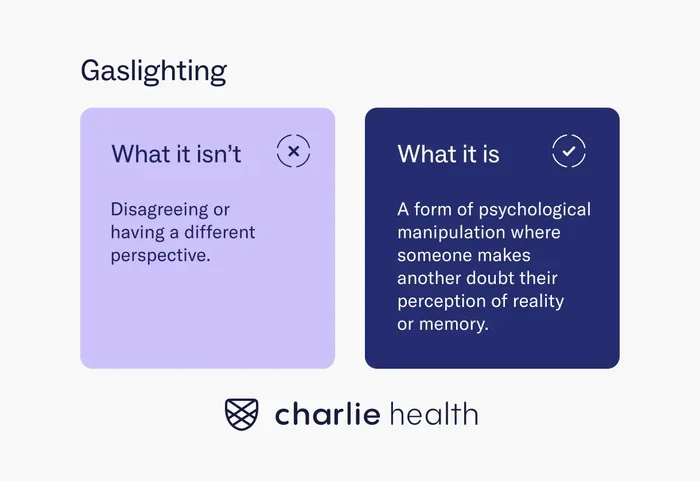
The gaslight meaning refers to a form of psychological manipulation where someone makes you question your own reality, memories, and sanity. Understanding gaslighting is the first step toward protecting yourself from emotional manipulation in relationships, workplaces, and families. This guide explains the gaslight meaning, the reasons behind it, and practical ways to identify and respond to it.
Have you ever felt like you are losing your mind? Like something you clearly remember did not happen? Or someone keeps telling you that your feelings are wrong? If so, you might be dealing with gaslighting. The gaslight meaning is simple but powerful. It describes a form of psychological manipulation where one person makes another person doubt their own reality.
Understanding the gaslight meaning is more important than ever. We live in a world where emotional manipulation hides behind polite words and caring smiles. People use gaslighting tactics in romantic relationships, at work, within families, and even among friends. Once you know the gaslight meaning, you start seeing the patterns everywhere. And once you see them, you can protect yourself.
This article dives deep into what gaslighting means, why people do it, how it affects your mental health, and what you can do about it. Let us break it down together.
Key Takeaways
- Gaslight meaning: A psychological manipulation tactic that makes someone doubt their own reality and perception.
- People gaslight for power: It gives the manipulator control and dominance over others.
- Common signs include: Denying facts, minimizing feelings, and twisting the truth.
- Mental health impact: Gaslighting can cause anxiety, depression, and chronic self-doubt.
- Protection strategies: Setting boundaries, seeking support, and trusting your own memory are key defenses.
- It happens everywhere: Gaslighting occurs in romantic relationships, families, workplaces, and friendships.
- Recovery is possible: With awareness and support, you can rebuild your confidence and sense of reality.
📑 Table of Contents
- What Does Gaslight Meaning Really Mean?
- Why Do People Gaslight Others?
- Common Gaslighting Tactics and Examples
- How Gaslighting Affects Your Mental Health
- How to Recognize Gaslighting in Relationships
- How to Protect Yourself from Gaslighting
- Expert Insights on Gaslighting and Emotional Manipulation
- Key Takeaways
- Conclusion
What Does Gaslight Meaning Really Mean?
The gaslight meaning comes from a 1938 play and 1944 film called “Gaslight.” In the story, a husband dims the gas lights in their home and then tells his wife she is imagining it. He makes her believe she is going insane. This is where the term gaslighting was born.
Today, gaslight meaning refers to any situation where someone distorts reality to gain power over another person. It is a form of emotional abuse and psychological manipulation. The goal is simple but harmful. The gaslighter wants you to trust them more than you trust yourself.
Gaslighting is not just lying. It is a pattern of behavior designed to confuse, control, and undermine. When someone gaslights you, they might deny things they said, twist your words, or tell you that you are too sensitive. Over time, these actions chip away at your confidence and sense of truth.
How Gaslighting Differs From Normal Lying
Everyone lies sometimes. But gaslighting is different. A regular lie is a one-time event. Gaslighting is a repeated pattern of manipulation. It is systematic. It targets your sense of self.
Here is the key difference:
- Normal lying: Someone tells a false statement once or twice.
- Gaslighting: Someone repeatedly distorts reality to make you question your own mind.
Understanding this distinction helps you see why the gaslight meaning matters so much. It is not about a single lie. It is about a pattern of control.
Why Do People Gaslight Others?
People who gaslight others usually do it for deeply personal reasons. The gaslight meaning connects to a need for power and control. Let us explore the main reasons people use these manipulation tactics.
To Maintain Control
The most common reason behind gaslighting is control. When someone feels threatened or insecure, they may use manipulation tactics to keep others in line. By making you doubt yourself, they stay in charge. The gaslighter feels powerful when you feel confused.
Think about it this way. If you always questioned yourself, you would depend on the other person for answers. That is exactly what the gaslighter wants. They need you to feel lost without them.
To Avoid Accountability
Nobody likes taking responsibility for their mistakes. But some people take it to an extreme. Instead of saying “I was wrong,” a gaslighter will deny the whole thing happened. They might say, “You are making things up” or “That never happened.” This helps them avoid accountability.
The gaslight meaning in this context is clear. By distorting reality, the manipulator escapes blame. You end up feeling like you are the problem.
To Protect Their Ego
Some people gaslight because they cannot handle being wrong. Their ego is fragile. Admitting a mistake feels like a threat to their identity. So they twist the story. They make you the one who is confused or overreacting.
This ties into narcissistic behavior. People with strong narcissistic traits often use gaslighting tactics to protect their self-image. They need to feel superior, and making you doubt yourself helps them feel that way.
To Isolate You
Gaslighting can also be a tool for isolation. When you doubt your own reality, you may stop trusting your friends and family. You might think, “Maybe they are right. Maybe I am the problem.” This isolates you from your support system.
The gaslighter benefits from this isolation. With fewer people around to offer perspective, you become more dependent on them. This is one of the most dangerous aspects of emotional manipulation.
Common Gaslighting Tactics and Examples
Now that you understand the gaslight meaning, let us look at the specific tactics gaslighters use. Recognizing these patterns is the first step toward protecting yourself.
Tactic 1: Denying Things They Said or Did
This is one of the most common gaslighting signs. A person says something hurtful or makes a promise. Later, they deny it completely. They might say, “I never said that,” even though you clearly remember it.
Example: Your partner promises to help with chores. When the day comes, they do nothing. When you bring it up, they say, “I never agreed to do anything. You are imagining things.”
Over time, you start wondering if you really did hear them say that. That is the gaslight meaning in action.
Tactic 2: Minimizing Your Feelings
Gaslighters often dismiss your emotions. They tell you that you are overreacting or being too sensitive. This makes your feelings seem invalid.
Example: You tell your friend that their comment hurt you. They respond with, “You are way too sensitive. I was just joking.” Now you feel like you should not have brought it up.
This tactic is subtle but powerful. It shifts the blame from the gaslighter to you.
Tactic 3: Twisting and Reframing Conversations
A skilled gaslighter can take any conversation and turn it around. They will twist your words to make you look wrong. They reframe situations so that they come out on top.
Example: You say, “You forgot our anniversary.” They respond with, “You are so obsessed with dates. Nobody else cares about anniversaries like you do.”
Now you feel guilty for bringing it up. The gaslight meaning here is that your valid concern becomes your problem.
Tactic 4: Withholding Information
Some gaslighters will simply refuse to engage. They pretend not to understand or claim they do not know what you are talking about. This is called withholding, and it is a form of covert abuse.
Example: You ask your coworker about an email they sent. They say, “I have no idea what you are talking about.” Even though you have the email right in front of you.
Tactic 5: Countering Your Memory
This is when a gaslighter challenges your memory directly. They tell you that you are remembering things wrong. They might even suggest you have a bad memory or are confused.
Example: You remember your parent saying something hurtful years ago. Your parent responds with, “That never happened. You have a terrible memory.”
The gaslight meaning here is about dominance. The gaslighter positions themselves as the authority on reality.
How Gaslighting Affects Your Mental Health
The effects of gaslighting go far beyond a single argument. Prolonged exposure to emotional manipulation can seriously damage your mental health. Understanding these effects helps you take the gaslight meaning seriously.
Chronic Self-Doubt
The most common effect of gaslighting is chronic self-doubt. You start questioning everything. Did I say that right? Am I remembering this correctly? Am I too sensitive? These thoughts become constant companions.
Over time, this self-doubt can become so deep that you struggle to make even simple decisions. You feel lost without the gaslighter‘s opinion.
Anxiety and Depression
Gaslighting creates a constant state of stress. You never know what version of reality you will face each day. This uncertainty leads to anxiety. You might feel on edge all the time, waiting for the next manipulation tactic.
Depression often follows. When you feel like you cannot trust your own mind, it is hard to feel good about anything. The gaslight meaning in this context is deeply painful and exhausting.
Loss of Identity
One of the most damaging effects of gaslighting is losing your sense of self. When someone constantly tells you that your feelings are wrong, you start suppressing who you are. You change yourself to avoid conflict.
You might stop sharing your opinions. You might stop expressing your needs. Over time, you forget what you actually like, feel, and believe. This is a serious consequence of prolonged emotional abuse.
Isolation from Support
As mentioned earlier, gaslighting often leads to isolation. You pull away from friends and family because you feel ashamed or confused. You might even push people away to protect the gaslighter.
This isolation makes it harder to get outside perspective. Without support, you become more vulnerable to continued manipulation.
How to Recognize Gaslighting in Relationships
Gaslighting can happen in any relationship. Romantic partners, family members, friends, and coworkers can all be gaslighters. Here are some gaslighting signs to watch for.
In Romantic Relationships
Romantic relationships are one of the most common places for gaslighting. A partner might tell you that your concerns are irrational. They might say things like “You are too paranoid” or “You need help.”
Watch for these red flags:
- Your partner regularly denies things they clearly said or did.
- You feel like you are walking on eggshells around them.
- You second-guess yourself constantly in the relationship.
- Your partner isolates you from friends and family.
- You feel like you are never good enough, no matter what you do.
Recognizing these gaslighting signs early can save you from years of emotional abuse.
In the Workplace
Gaslighting does not stop at home. In the workplace, a boss or coworker might gaslight you to undermine your confidence. They might take credit for your work and then deny it. They might tell you that you are not performing well, even when your reviews are great.
The gaslight meaning in a workplace is about power and control. The gaslighter wants to keep you off balance so you do not challenge them.
In Families
Family gaslighting can be especially painful because family is supposed to be safe. A parent might tell a child that their feelings are wrong. A sibling might deny things they clearly did. Over time, this creates deep emotional wounds.
Understanding the gaslight meaning within families helps you set healthy boundaries and protect your well-being.
How to Protect Yourself from Gaslighting
Now that you understand the gaslight meaning and the tactics involved, let us talk about what you can do. Protecting yourself from gaslighting is possible, even when the manipulation feels overwhelming.
Trust Your Own Reality
The most important step is trusting yourself. If you remember something, it happened. Your feelings are valid. Your perceptions matter. When a gaslighter tries to twist things, remind yourself that your reality is real.
It helps to write things down. Keep a journal of events, conversations, and feelings. When your memory gets shaky, you can look back at your notes and reconnect with the truth.
Set Clear Boundaries
Boundary setting is essential when dealing with a gaslighter. Let them know what behavior you will not accept. Be firm and clear. You do not need to justify your feelings or defend your reality.
For example, you might say, “I know you disagree with my memory, but I know what I experienced. I would appreciate it if you respected that.”
Seek Outside Support
Gaslighting thrives in isolation. Breaking that isolation is powerful. Talk to trusted friends, family members, or a therapist. An outside perspective can help you see the truth more clearly.
A therapist who specializes in emotional abuse can be especially helpful. They can help you rebuild your confidence and develop emotional intelligence to handle future situations.
Educate Yourself
Knowledge is power. The more you learn about gaslighting and emotional manipulation, the better equipped you are to recognize it. Read books, listen to podcasts, and follow trusted mental health resources.
Understanding the gaslight meaning gives you the language to name what is happening to you. And naming it is the first step toward change.
Know When to Walk Away
Sometimes, the best protection is distance. If a relationship is consistently toxic and the gaslighter shows no signs of changing, it may be time to walk away. Your mental health matters more than any relationship.
Walking away does not mean you failed. It means you chose yourself. That is a powerful decision.
Expert Insights on Gaslighting and Emotional Manipulation
Mental health professionals have spent decades studying gaslighting and its effects. Their insights can help you understand this behavior more deeply.
Dr. Robin Stern, a psychologist and author, explains that gaslighting creates a state of cognitive dissonance. This is when your experience conflicts with what someone else tells you. The mental tension this creates is exhausting and confusing.
Experts also note that gaslighting often follows a cycle. First, there is the tension-building phase where small manipulations begin. Then comes the gaslighting incident itself. Finally, there is a reconciliation phase where the gaslighter apologizes and promises to change. This cycle repeats, making it hard to break free.
Understanding this cycle helps you see that gaslighting is not your fault. It is a pattern of behavior that the gaslighter has chosen. You did not cause it, and you cannot fix it alone.
The gaslight meaning in expert terms is clear. It is a deliberate strategy of emotional coercion designed to dominate and control. Recognizing it as a strategy, not a personal failing, is empowering.
Key Takeaways
- Gaslight meaning: A psychological manipulation tactic that makes someone doubt their own reality and perception.
- People gaslight for power: It gives the manipulator control and dominance over others.
- Common signs include: Denying facts, minimizing feelings, and twisting the truth.
- Mental health impact: Gaslighting can cause anxiety, depression, and chronic self-doubt.
- Protection strategies: Setting boundaries, seeking support, and trusting your own memory are key defenses.
- It happens everywhere: Gaslighting occurs in romantic relationships, families, workplaces, and friendships.
- Recovery is possible: With awareness and support, you can rebuild your confidence and sense of reality.
Conclusion
The gaslight meaning is about more than just a word. It represents a real and harmful form of emotional manipulation that affects millions of people every day. When someone gaslights you, they are not just telling a lie. They are trying to rewrite your reality and steal your sense of self.
Understanding the gaslight meaning gives you power. It helps you see the patterns, recognize the tactics, and take steps to protect yourself. Whether you are dealing with a gaslighting partner, a manipulative coworker, or a family member who makes you doubt yourself, knowledge is your strongest tool.
Remember that your reality matters. Your feelings are valid. Your experiences are real. You deserve relationships built on trust, honesty, and respect. If you recognize gaslighting in your life, reach out for support. Trust yourself. And know that you are not alone.
Take the gaslight meaning and use it as a shield. The more you understand about emotional manipulation, the harder it is for anyone to make you doubt who you are. You have the power to reclaim your reality and live a life free from psychological abuse.
Frequently Asked Questions
What is the gaslight meaning in simple terms?
The gaslight meaning is a form of psychological manipulation where someone makes you question your own reality, memories, and sanity. The goal is to gain power and control over you by making you feel like you cannot trust your own mind.
How can I tell if someone is gaslighting me?
Common gaslighting signs include denying things they clearly said, telling you that you are too sensitive, twisting your words, and making you feel crazy for bringing up concerns. If you constantly feel confused or doubt yourself after interacting with someone, that is a red flag.
Why do people gaslight others?
People gaslight for many reasons, including a need for control, avoiding accountability, protecting their ego, or isolating their victim. The gaslight meaning connects to a desire for power and control over another person.
Can gaslighting happen in friendships?
Yes, absolutely. Gaslighting is not limited to romantic relationships. It can happen in friendships, family relationships, and workplaces. Any relationship where one person has more power can become a space for emotional manipulation.
How does gaslighting affect mental health?
Long-term gaslighting can cause anxiety, depression, chronic self-doubt, and a loss of identity. It can also lead to cognitive dissonance, where you struggle to reconcile your own experiences with what the gaslighter tells you. Over time, this can seriously impact your overall well-being.
Can someone recover from being gaslighted?
Yes, recovery is absolutely possible. With emotional intelligence, boundary setting, and support from trusted people or a therapist, you can rebuild your confidence and trust in your own reality. Healing takes time, but it is entirely achievable.