
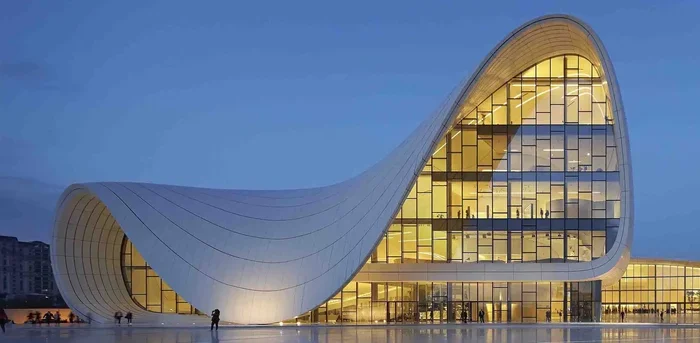
The facade meaning goes far beyond just a building’s front. It’s the outward appearance we present to the world, whether on a structure or a person. This article breaks down the literal and figurative definitions with clear examples. You’ll learn how to spot a facade and why it truly matters.
The word facade hits our ears all the time. We hear it in movies, books, and daily chats. But what does facade meaning actually hold? Many folks think it only means the front of a building. Yet the true facade meaning stretches much deeper. It covers the way people hide their real selves behind a polished front. This guide will walk you through the simple facade meaning in plain words. You will learn the literal definition tied to architecture. You will also uncover the figurative definition tied to human behavior. By the end, you will see why understanding facade meaning really matters in your everyday life.
Facade meaning is not just a fancy term for a pretty wall. It is a window into how we present ourselves to the world. Whether we talk about a historic church or a coworker who always smiles, the concept stays the same. The facade meaning gives us a lens to see beyond the surface. It helps us ask better questions. It teaches us to look for what lies behind the curtain. This article will break it all down with real-world examples. You will find quick tips and expert insights along the way. Let us dive right in.
Key Takeaways
- Facade meaning has two sides: It describes both a building’s decorative front and a person’s false outward appearance.
- Literal facade meaning refers to the exterior wall or front of a structure, often designed to impress.
- Figurative facade meaning is the mask people wear to hide their true feelings or intentions.
- Spotting a facade helps you build trust and avoid manipulation in relationships and business.
- Not all facades are bad: A building facade can be beautiful art, and a social mask can protect your privacy.
- Understanding facade meaning improves your emotional intelligence and communication skills.
- Quick tips like watching for inconsistencies can help you read a facade in real time.
📑 Table of Contents
What Does Facade Meaning Really Mean?
The facade meaning is straightforward once you split it into two parts. The first part is the literal facade meaning. This refers to the outer face of a building. The second part is the figurative facade meaning. This refers to a false front a person puts up. Both forms deal with appearances. Both can hide what is truly underneath.
In everyday speech, most people use the figurative facade meaning. They say things like “he put up a facade” or “her happy face was just a facade.” They mean someone is masking their true feelings. The literal facade meaning is more common in architecture, design, and real estate. Both uses share a core idea: the outside does not always match the inside. That simple truth is the heart of facade meaning.
The Literal Facade Meaning: Buildings and Architecture
When we talk about a building facade, we mean the front wall. This is the side people see first. It is the face of the structure. A facade can be simple or ornate. It sets the tone for the entire building. The literal facade meaning goes back centuries. Ancient builders knew the front of a building made a strong first impression.
What Is a Building Facade?
A building facade is the exterior front. It often faces the main street or entrance. Architects spend a lot of time on this part. They want it to look stunning. The facade might feature decorative elements. These can include columns, arches, or intricate stonework. In modern times, glass and steel facades are common. The literal facade meaning is all about this outer shell.
Think of a grand theater. The facade meaning here is the beautiful front that draws you in. It might have tall windows and fancy carvings. But behind that pretty front, there could be old seats and dusty curtains. The facade does the job of welcoming you. It does not always show what is inside.
Why the Front of a Building Matters
The facade meaning in architecture is huge. It shapes how people feel about a place. A well-designed facade can make a building look grand. A crumbling facade can make a place feel sad. The front face tells a story before you even step inside. This is why builders and designers care so much about it.
Here are a few reasons the literal facade meaning matters:
- First impressions count. The front of a building is the first thing people see.
- It protects the structure. A solid facade shields the inner walls from weather.
- It adds value. Beautiful facades can raise property prices.
- It reflects culture. Facade styles show the history and art of a region.
Quick Tips for Understanding Building Facades
- Look at the materials. Stone, brick, glass, or wood all send different messages.
- Check the symmetry. Balanced facades often feel calm and formal.
- Notice the details. Carvings, moldings, and windows add depth to the facade meaning.
- Consider the era. Gothic, modern, and classical facades each have their own story.
| Aspect | Literal Facade Meaning (Building) | Figurative Facade Meaning (Person) |
|---|---|---|
| Definition | The front exterior wall of a structure. | The outward appearance a person shows to hide true feelings. |
| Purpose | To impress, protect, and define a building’s character. | To shield emotions, maintain privacy, or deceive others. |
| Examples | Gothic church front, glass office tower, Victorian house facade. | A smiling face during grief, a confident coworker hiding insecurity. |
| Key Elements | Materials, design, symmetry, decorations. | Body language, tone of voice, words spoken. |
| Common Uses | Architecture, real estate, historic preservation. | Psychology, relationships, social interactions. |
The Figurative Facade Meaning: People and Emotions
Now let us turn to the figurative facade meaning. This is the one that hits close to home. When someone wears a facade, they are putting on a show. They are hiding their real self behind a crafted image. This can happen for many reasons. Sometimes it is to protect ourselves. Sometimes it is to fit in. Sometimes it is to manipulate others.
Facade as an Emotional Mask
The emotional facade meaning is powerful. Imagine a friend who always jokes and laughs. On the outside, they seem fine. But deep down, they are hurting. They have built a facade to keep others from seeing their pain. This is a very common human behavior. We all wear masks at times. The facade meaning here is a shield. It guards our vulnerability.
People use emotional facades in many situations. At work, you might put on a brave face during a tough meeting. At home, you might hide your sadness to keep the peace. The facade meaning in these moments is a survival tool. It helps us navigate social rules. Yet, if the facade stays too long, it can become heavy. It can stop real connections from forming.
Social Facade and Public Image
The social facade meaning is about how we present ourselves to the world. We curate our public image. On social media, people often build a facade of happiness. They post perfect photos and share only wins. The facade meaning here is a highlight reel. It does not show the messy, real life behind the scenes.
This kind of facade is not always bad. It can be a way to feel confident. It can help us meet social expectations. But it can also lead to comparison and loneliness. When everyone wears a social facade, no one feels truly seen. Understanding this facade meaning helps us stay grounded. It reminds us that perfection is often just a front.
Quick Tips for Reading a Personal Facade
- Watch for inconsistencies. If words and body language do not match, a facade may be up.
- Listen to the tone. A forced cheerfulness can signal a facade.
- Notice avoidance. If someone never discusses feelings, they might be hiding behind a facade.
- Give space. A facade often softens when a person feels safe.
Why Understanding Facade Meaning Matters in Daily Life
Knowing the facade meaning is not just for English class. It has real-world power. In your relationships, in your job, and in your self-awareness, understanding facades helps you navigate life with more clarity. When you grasp facade meaning, you become a better communicator. You learn to look beyond the surface. You also learn when to protect your own front.
In business, the facade meaning shows up in branding. A company might project a facade of trustworthiness through sleek ads and friendly spokespeople. If the product fails, the facade crumbles. In personal growth, recognizing your own facades is a brave step. It allows you to drop the mask and be authentic. That is where real healing and connection begin.
Here are a few areas where facade meaning plays a big role:
- Relationships: Seeing through a partner’s facade can deepen intimacy.
- Leadership: Leaders who drop the facade build stronger trust with their teams.
- Mental health: Recognizing your own emotional facade is the first step to seeking help.
- Media literacy: Understanding the facade meaning in ads helps you spot manipulation.
Common Mistakes When Interpreting Facade Meaning
Many folks trip up when they try to figure out facade meaning. They assume every facade is a lie. They assume every front is a bad thing. This is a common mistake. A facade can be a positive tool. A building facade can be a work of art that brings joy. A social mask can protect your energy in a draining situation. The facade meaning is neutral. It is the intent and the impact that give it weight.
Another mistake is over-reading facades. You might think every smile is fake. That can make you cynical and isolated. The key is balance. Use your awareness of facade meaning to stay open, not closed off. A healthy dose of curiosity works better than constant suspicion.
How to Spot a Facade: Expert Insights and Quick Tips
Spotting a facade takes practice. It is like tuning a radio to a new frequency. At first, it feels subtle. Then it becomes second nature. Expert psychologists and communicators share a few key insights. They say the facade meaning often shows up in small details. The words someone chooses, the way they avoid eye contact, or the too-perfect story they tell. All of these can be clues.
Expert Insight: The Psychology Behind Facades
Dr. Helen, a social psychologist, explains it this way. “A facade is a protective shell. People build it when they feel unsafe. When you understand the facade meaning, you stop judging the shell. You start asking what is underneath.” This insight changes how we see others. It builds empathy. It also helps us set better boundaries. If someone’s facade feels exhausting, you can step back without guilt.
Here are quick, practical ways to spot a facade in action:
- Observe the consistency. A real story stays steady. A facade often shifts when pressed.
- Check the energy. A forced facade feels tense. Authenticity feels relaxed.
- Look at the body. Crossed arms, a tight jaw, or a stiff smile can signal a facade.
- Ask open questions. Gentle questions can help a person drop their facade safely.
Key Takeaways from This Deep Dive
- The facade meaning has two clear sides: the literal building front and the personal emotional mask.
- Both forms deal with appearances. They show us that what we see is not always the full story.
- Understanding facade meaning boosts your empathy and your ability to read social situations.
- Not all facades are harmful. Some protect us, some inspire us, and some simply set a mood.
- Spotting a facade is a skill you can grow with patience and practice.
- Drop your own facade when you feel safe. Authenticity is the best bridge to real connection.
As you go through your day, keep the facade meaning in mind. Notice the fronts people put up. Notice the fronts you put up yourself. This awareness is a gift. It makes you more compassionate. It makes you more clear-eyed. The facade meaning is not about tearing down walls. It is about seeing through them with kindness and wisdom.
Understanding facade meaning also helps you in small daily moments. When a colleague seems overly cheerful, you might think, “Ah, they might be wearing a facade.” When you see a historic building with a grand front, you appreciate the literal facade meaning that took years to craft. Both uses of the term enrich your view of the world. They remind you that surfaces are just the beginning. The real story is always deeper.
The next time you hear the word facade, pause for a second. Let the full facade meaning wash over you. Think about the building that proudly shows its face to the street. Think about the friend who hides a heavy heart behind a bright smile. Both are facades. Both are deeply human. And both remind us that true connection starts when we look beyond the front.
You now hold a clear understanding of facade meaning. You know the literal and figurative sides. You have practical tips to spot facades in real life. You also know the common mistakes to avoid. Use this knowledge to build deeper trust. Use it to protect your own energy. Use it to see the world with softer, wiser eyes. The facade meaning is a tool. Use it well, and it will open doors you never knew existed.
Frequently Asked Questions
What is the simple facade meaning?
The simple facade meaning is the front or outer appearance of something. In architecture, it is the front wall of a building. In everyday talk, it is the false front a person shows to hide their true feelings or intentions.
Can facade meaning be positive?
Yes, absolutely. A building facade can be a beautiful piece of art that lifts a neighborhood. A personal facade can protect your privacy or help you feel confident in a tough moment. The facade meaning itself is neutral. It depends on the purpose and the impact.
How is facade meaning different from pretense?
Facade meaning focuses on the outer face or front, whether of a building or a person. Pretense is more about the act of pretending or making a false show of something. A facade is the surface itself, while pretense is the behavior of maintaining that surface. They overlap but are not identical.
Why do people put up a facade?
People build a facade for many reasons. It can be to protect themselves from judgment, to fit into social norms, or to hide pain. Sometimes a facade is a survival tool. Understanding the facade meaning helps us see the vulnerability behind the front.
How can I spot someone’s facade in a conversation?
Watch for mismatches between words and body language. Listen for a tone that feels forced or too perfect. Notice if the person avoids deep topics or changes the subject when emotions come up. These are common signs that a facade might be in place.
Is it always bad to wear a facade?
No, it is not always bad. A social mask can help you navigate professional settings or protect your energy in stressful environments. The key is awareness. When you understand the facade meaning, you can choose when to wear a mask and when to let your true self shine through.