
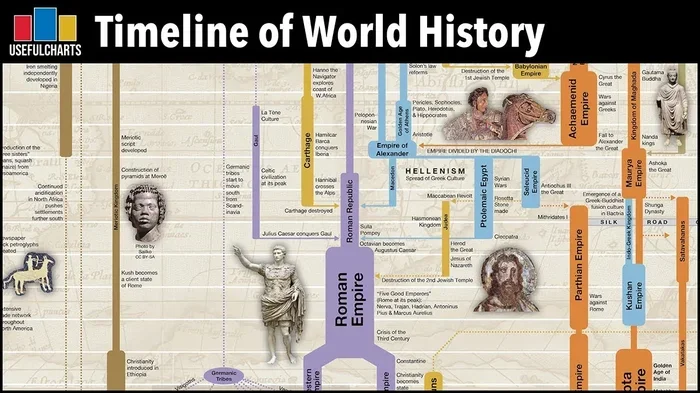
The era meaning refers to a long, distinct period of time marked by specific events, developments, or characteristics. Whether you encounter the word in history class, science, or everyday conversation, understanding what an era represents helps you make sense of the world. This guide breaks down the era definition, origin, and real-world usage in plain, simple language.
Have you ever wondered what people really mean when they say “era”? The word pops up everywhere. You hear it in history lessons, news headlines, and casual conversations. But what does era actually mean? And why does it matter so much? In this guide, we break down the era meaning in the simplest way possible. You will learn where the word comes from, how it is used in different fields, and how you can use it yourself. Whether you are a student, a writer, or just someone who loves words, this article has something for you. Let us dive in and explore the fascinating world of eras.
The word era might sound formal or even old-fashioned. But it is actually one of the most useful words in the English language. It helps us organize time. It gives names to long stretches of history. It lets us talk about big changes in society, science, and culture. Understanding the era definition is more than just a vocabulary exercise. It is a window into how humans make sense of the past and present. So, what exactly does era mean? Let us find out.
Key Takeaways
- Era means a long period of time: It describes a distinct stretch of history or time defined by notable events or characteristics.
- The word has Latin roots: Era comes from the Latin word “aera,” meaning brass or money, and evolved through Old French and English.
- Era is used across many fields: History, geology, science, literature, and everyday language all use the term to mark significant time periods.
- Era and period are not the same: An era is typically longer and more broadly defined than a period, though people often use them interchangeably.
- You can use era in many contexts: From “the Victorian era” to “a new era in technology,” the word fits naturally in both formal and casual speech.
- Understanding era meaning boosts your vocabulary: Knowing how and when to use the word makes your writing and speaking more precise and expressive.
📑 Table of Contents
- What Does Era Mean? A Clear Definition
- The Origin and History of the Word Era
- Era vs Period: What Is the Difference?
- How the Word Era Is Used in Different Fields
- Common Examples of Era in Everyday Life
- How to Use Era in a Sentence: Tips and Tricks
- The Era Meaning in the Age of Technology
- Why Learning the Era Meaning Makes You a Better Communicator
- Conclusion
What Does Era Mean? A Clear Definition
At its core, the era meaning is straightforward. An era is a long period of time that is defined by particular events, characteristics, or developments. Think of it as a big chapter in the story of time. Each era has its own identity. It stands out from the periods that come before and after it.
The dictionary definition of era is a long and distinct period of history. It is marked by a specific event, development, or figure. For example, people often talk about the “Victorian era” or the “digital era.” In both cases, the word era signals a time period with clear features. The Victorian era is known for Queen Victoria’s reign and industrial growth. The digital era is defined by technology and the internet.
Here are some simple ways to think about the era definition:
- A long stretch of time: An era usually covers many years or even centuries.
- A period with clear features: Each era has its own events, trends, and characteristics.
- A way to organize history: Eras help us group events together and make sense of the past.
- A term used in many fields: History, science, geology, and everyday language all use the word.
The era synonyms include words like period, epoch, age, and epoch. However, each of these words carries slightly different weight. An epoch often feels more dramatic or transformative. A period can be shorter and more general. But era sits right in the middle. It is broad enough to cover long stretches of time, yet specific enough to feel meaningful.
Why Does Era Meaning Matter?
You might ask yourself, why should I care about the era meaning? The answer is simple. Words shape how we think. When you use the word era, you are doing more than naming a time frame. You are drawing a line in the sand. You are saying, “This time was different. It mattered. It left a mark.”
In everyday life, understanding era helps you communicate better. Imagine telling a friend about a change in your life. You might say, “It was a whole new era.” That one word carries so much weight. It tells your listener that something big shifted. The same idea works in writing, journalism, and education. Using the right word makes your message clearer and more powerful.
The Origin and History of the Word Era
Every word has a story. The era meaning we know today did not just appear out of nowhere. The word has deep roots. It traveled through languages and centuries before landing in modern English. Understanding its origin gives you a richer appreciation of the term.
The word era comes from the Latin word “aera.” In Latin, aera meant brass or bronze. It was also used to refer to money or coins made of metal. Over time, the Latin term made its way into Old French as “ère.” From there, it entered Middle English around the 13th century. By the 1600s, the word had taken on its modern meaning of a distinct period of time.
Here is a quick look at the journey of the word:
- Latin origins: “Aera” meant brass or money.
- Old French shift: “Ère” began to refer to a point in time from which years are counted.
- Middle English adoption: The word entered English with a focus on time measurement.
- Modern usage: By the 1600s, era meant a long, distinct period defined by notable features.
One interesting fact is that the word era was first used in English to mark a specific starting point in history. In the 1600s, people used “era” to refer to the founding of Rome. The phrase “from the era of the city” was common. Over time, the word evolved to mean any significant stretch of time, not just one tied to a single event.
The era origin story shows how language evolves. Words pick up new meanings as societies change. What started as a term for metal coins became a word that helps us understand the flow of human history. That is a pretty cool journey for one simple word.
Era in Different Languages
The concept of an era exists in many languages. In Spanish, “era” means the same thing. In French, “ère” is the equivalent. Even in ancient Greek, the concept of a distinct time period was important. The Greek word “genos” referred to a kind of era or age. This shows that humans across cultures have always felt the need to name and categorize long stretches of time.
Era vs Period: What Is the Difference?
People often use the words era and period interchangeably. But they are not exactly the same. Understanding the difference between era and period can make your writing and speaking more precise. Let us break it down.
An era is typically a long, broad stretch of time. It is defined by major characteristics or events. A period can be shorter and more flexible. You might say “the Renaissance era” or “a busy period at work.” Both are correct. But they carry slightly different connotations.
Here is a simple comparison:
- Era: Long, broad, defined by major characteristics or events. Example: “The Industrial Era.”
- Period: More flexible, can be short or long, defined by specific circumstances. Example: “A difficult period in my life.”
In history, the distinction matters more. Historians often use the word era to describe large blocks of time. The “Elizabethan era” spans the entire reign of Queen Elizabeth I. That is over 40 years. A “period” might refer to a smaller chunk within that era, like “the early Elizabethan period.”
In science, the distinction is also important. Geologists use the word era to describe major divisions of Earth’s history. The Mesozoic Era, for instance, lasted about 186 million years. That is a very long period by any standard. But in geology, it is called an era because of its scale and significance.
So when should you use era and when should you use period? A good rule of thumb is this: use era for big, defining stretches of time. Use period for more specific or shorter stretches. Of course, language is flexible. People bend the rules all the time. But knowing the difference makes you a stronger communicator.
How the Word Era Is Used in Different Fields
The era definition is not limited to history class. The word is used across many fields and disciplines. Each field brings its own twist to the meaning. Let us explore how era shows up in different areas of knowledge.
Era in History
History is the most common home for the word era. Historians use era to group together events and developments that share common features. The “Colonial Era” refers to the time when European powers colonized parts of the Americas. The “Civil Rights Era” marks the struggle for racial equality in the United States during the mid-20th century.
Each historical era has its own flavor. The features that define one era might not apply to the next. The Industrial Era, for example, was all about machines, factories, and urbanization. The Information Era that followed was defined by computers, the internet, and digital communication. By naming these stretches of time, historians create a framework for understanding the past.
Era in Science and Geology
In geology, the word era takes on a very specific meaning. Geologists divide Earth’s history into eons, eras, periods, and epochs. An era is a major division of geological time. The three main geological eras are the Paleozoic, Mesozoic, and Cenozoic.
The Paleozoic Era saw the rise of early life forms, including fish and amphibians. The Mesozoic Era is the age of dinosaurs. The Cenozoic Era is the current era, marked by the rise of mammals and eventually humans. Each geological era spans tens of millions of years. The scale is mind-boggling, but the concept is the same as the everyday use of era. A long stretch of time defined by distinct features.
Era in Literature and Pop Culture
Literature and pop culture also love the word era. Writers use it to set the tone of a story. You might read about “the Roaring Twenties era” or “the post-war era.” These labels instantly evoke a mood, a style, and a set of values.
In music, the concept of an era is huge. Fans talk about the “Britney Spears era” or the “Jay-Z era.” These labels refer to a specific phase in an artist’s career. Each era has its own sound, look, and fan base. The idea of an era in pop culture shows how powerful the word has become in everyday speech.
Era in Everyday Language
You do not need to be a historian or a scientist to use the word era. It fits naturally into everyday conversation. People talk about “a new era in their life” after a big change. A company might announce “a new era of innovation.” Even a sports team can enter “a new era” after a coaching change.
The beauty of the era meaning in daily life is its flexibility. It works for big historical events and small personal milestones. It is a word that scales. Whether you are talking about world history or your own life, era fits the bill.
Common Examples of Era in Everyday Life
The word era appears in countless contexts. Here are some common examples that show how versatile the term really is:
- The Victorian Era: The period of Queen Victoria’s reign in Britain, known for industrial progress and strict social norms.
- The Digital Era: The current period defined by digital technology, the internet, and the Information Age.
- The Space Era: The time period beginning with the launch of Sputnik in 1957 and continuing through modern space exploration.
- The Renaissance Era: A cultural movement in Europe from the 14th to the 17th century, marked by art, science, and literature.
- The Ice Age: A geological era characterized by cold temperatures and the expansion of ice sheets across the globe.
- A New Era in Your Life: A personal milestone like starting a new job, moving to a new city, or ending a relationship.
Each of these examples shows a different side of the era meaning. Some are historical. Some are scientific. Some are deeply personal. But they all share one thing in common. They mark a distinct stretch of time with its own identity.
Era Examples in Sentences
Still not sure how to use the word in your own writing? Here are a few examples:
- “The invention of the printing press changed the era of knowledge forever.”
- “After the merger, the company entered a new era of growth.”
- “She grew up during the disco era and still loves the music.”
- “Scientists believe we are living in the Anthropocene era, shaped by human activity.”
- “The ancient Roman era laid the foundation for modern Western civilization.”
Notice how natural the word feels in each sentence. It does not sound forced or overly formal. That is the power of a well-understood word. When you know the era meaning, you can use it with confidence in almost any context.
How to Use Era in a Sentence: Tips and Tricks
Using the word era correctly is easier than you might think. The key is to understand what makes an era an era. It must be a long, distinct period of time with recognizable features. Here are some tips to help you use the word like a pro.
First, think about the time frame. An era usually covers a significant stretch of time. It is not a single day or a single week. It is a chapter. If you are describing something that lasted a long time and had a clear identity, era is a great choice.
Second, consider the features of the time period. What made this stretch of time different from the ones before and after? Was there a major event? A cultural shift? A technological breakthrough? If you can answer that question, you have a solid reason to use the word era.
Third, pay attention to context. The word era works in both formal and informal settings. In a research paper, you might write about “the post-colonial era.” In a casual conversation, you might say, “That was a different era.” Both are correct. The word adapts to its surroundings.
Quick Tips for Using Era Correctly
- Use era for long stretches of time with clear defining features.
- Pair era with a specific descriptor, like “the industrial era” or “a new era.”
- Avoid using era for very short time frames. Use period or phase instead.
- Remember that era can refer to personal, cultural, or historical time periods.
- Use era in both writing and speaking to add precision and depth to your language.
Common Mistakes People Make with the Word Era
Even native English speakers sometimes misuse the word era. Here are a few common mistakes to avoid:
- Using era for short periods: If it only lasted a few days or weeks, it is probably not an era. Use period or phase instead.
- Confusing era with era-specific events: An era is the time frame itself, not a single event within that frame. The Industrial Era is the time period. The invention of the steam engine is an event within that era.
- Overusing the word: While era is versatile, using it too often can make your writing feel repetitive. Mix it up with synonyms like period, epoch, or age when appropriate.
- Ignoring the scale: In scientific contexts, era has a very specific meaning. Make sure you use it correctly in geology or astronomy, where precision matters.
By avoiding these pitfalls, you can use the word era with confidence and clarity. Your writing will be more precise, and your readers will appreciate the effort.
The Era Meaning in the Age of Technology
We cannot talk about the era meaning without mentioning the role of technology in shaping modern eras. The digital era has transformed every aspect of human life. Communication, work, entertainment, and education have all been reshaped by digital tools. The term “digital era” has become almost synonymous with the present day.
But what makes the digital era an era? It is not just the existence of computers and smartphones. It is the way these tools have fundamentally changed how people live, work, and interact. The digital era has created new industries, new forms of art, and new social norms. It has also raised new challenges, like privacy concerns and the spread of misinformation.
Looking ahead, many experts believe we are entering the “artificial intelligence era.” AI is already changing how we search for information, create content, and make decisions. Whether this will be recognized as a full era in the future remains to be seen. But the pattern is clear. Technology drives the creation of new eras. And understanding the era meaning helps us make sense of these shifts.
Era and Epoch: A Closer Look
Sometimes people confuse era with epoch. While the two terms are related, they are not identical. An epoch is a subdivision of an era in geology. In everyday language, epoch often feels more dramatic and transformative. The “Space Epoch” or the “Information Epoch” suggests a turning point in human history.
An era, on the other hand, is broader and more general. It can contain multiple epochs. The Cenozoic Era, for example, includes several geological epochs. In everyday use, era is the more common and versatile term. But knowing the relationship between era and epoch adds depth to your understanding of time and history.
Why Learning the Era Meaning Makes You a Better Communicator
You might be wondering why all of this matters. After all, you already know how to use the word era in a sentence. But understanding the deeper meaning of era can truly elevate your communication skills. Here is why.
When you know the era definition inside and out, you can use the word with precision. You know when to reach for era and when to choose a different word. You understand the connotations and nuances that come with it. This makes your writing more polished and your speaking more confident.
Moreover, understanding era meaning helps you read and listen more critically. When you encounter the word in a book, an article, or a conversation, you can immediately grasp the context. You know that the speaker is referring to a long, distinct period of time. You can picture the features that define that period. This level of comprehension is a hallmark of strong literacy.
In academic settings, knowing the era meaning can boost your grades and your credibility. In professional settings, it can make your reports and presentations more effective. In personal life, it can help you express yourself more clearly and persuasively. The benefits are real and wide-ranging.
Building Your Vocabulary with Era and Related Terms
If you want to expand your vocabulary, start with the word era and its close relatives. Learn the era synonyms like period, epoch, age, and epoch. Understand how each word differs in tone and usage. Then practice using them in your own writing and speech.
Here are a few related terms worth exploring:
- Epoch: A distinct period in history or geology, often marked by a major event or change.
- Age: A long period of time, often associated with a particular person or culture. Example: “The Bronze Age.”
- Period: A stretch of time, which can be short or long, defined by specific circumstances.
- Epoch: A time period marked by distinctive features or events. Often used in geology and history.
- Generation: A period of about 20 to 30 years, often defined by the people born during that time.
By building a mental web of related terms, you strengthen your overall command of the language. You become a more thoughtful and effective communicator. And that is a skill that pays off in every area of life.
Conclusion
The era meaning is simpler than it might seem at first glance. An era is a long, distinct period of time defined by notable events, characteristics, or developments. The word has deep roots in Latin and has evolved over centuries to become a staple of modern English. From history and science to pop culture and everyday conversation, era shows up everywhere.
Understanding the era definition helps you communicate more clearly and write more effectively. It gives you a tool for organizing time, describing change, and making sense of the world. Whether you are talking about the Victorian era, the digital era, or a new era in your personal life, the word carries weight and meaning.
So the next time you come across the word era, you will know exactly what it means. You will know how to use it. And you will appreciate the rich history behind it. The era meaning is more than just a vocabulary word. It is a lens through which we view the passage of time. Use it well, and it will make your language more vivid, more precise, and more powerful.
Frequently Asked Questions
What is the simple definition of era?
An era is a long period of time that is defined by specific events, characteristics, or developments. It is used to describe distinct stretches of history, science, or personal life. The era definition is broad enough to cover centuries or shorter spans, as long as the time period has clear features that set it apart.
Where does the word era come from?
The word era originates from the Latin word “aera,” which meant brass or money. It entered Old French as “ère” and then Middle English around the 13th century. Over time, it evolved from referring to a starting point in time to meaning any long, distinct period. The era origin story shows how language adapts to meet the needs of a changing society.
How is era different from period?
An era is typically longer and more broadly defined than a period. An era has a strong identity marked by major events or characteristics. A period can be shorter and more flexible. In history and science, the distinction matters more. But in everyday language, people often use the two words interchangeably without causing confusion.
Can era be used in everyday conversation?
Absolutely. The word era fits naturally in casual and formal speech. You might say “a new era in my life” or “the digital era has changed everything.” It is a versatile word that works across many contexts. Using era in everyday language adds precision and depth to your communication.
What are some famous eras in history?
Some well-known historical eras include the Victorian Era, the Renaissance Era, the Industrial Era, the Civil Rights Era, and the Space Era. Each era is defined by its own unique events, trends, and cultural shifts. These labels help historians and students organize and understand the flow of human history more clearly.
Is era the same as epoch?
No, era and epoch are related but not identical. In geology, an epoch is a subdivision of an era. In everyday language, epoch often feels more dramatic and transformative. An era is broader and more general. While they overlap in meaning, knowing the difference helps you choose the right word for the right context.