
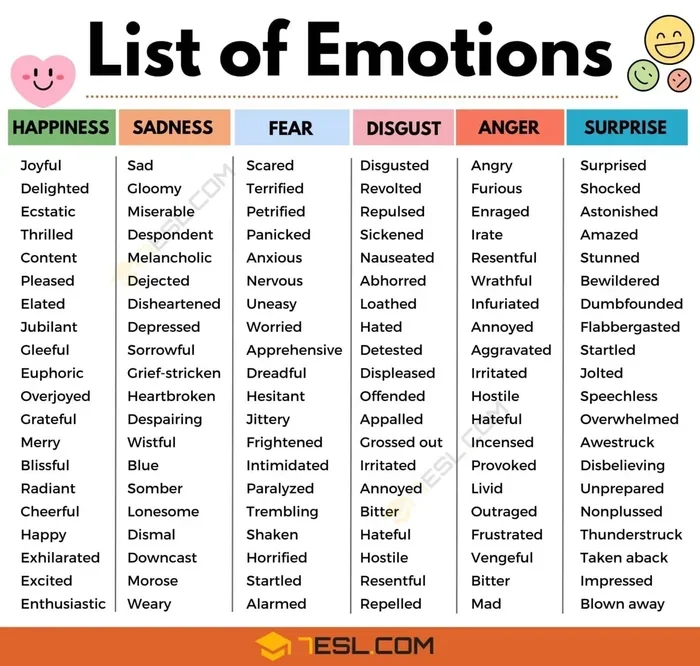
Connotation meaning refers to the emotional or cultural associations a word carries beyond its literal definition. Understanding connotation helps you choose words that connect better with your audience and avoid unintended messages. This guide breaks down connotation meaning in simple terms with real-life examples you can use today.
Have you ever picked a word and then realized it sent a completely different message than you intended? That is the magic of connotation meaning. Words carry more than just their dictionary definitions. They carry feelings, memories, and cultural weight. Understanding connotation meaning can transform the way you write, speak, and connect with others.
In everyday language, connotation meaning is the emotional or cultural baggage a word brings along with its basic definition. For example, the word “home” and the word “house” mean almost the same thing in a dictionary. But “home” feels warm and safe, while “house” feels cold and empty. That difference is connotation meaning at work. This article will help you understand connotation meaning deeply, with simple examples and practical tips you can start using right away.
Whether you are a writer, a student, a professional, or just someone who loves words, grasping connotation meaning gives you a real edge. You will learn how to pick words that hit the right emotional note every time. Let us dive in.
Key Takeaways
- Connotation meaning adds emotional depth to words: Every word carries feelings and associations beyond its dictionary definition.
- Connotation vs denotation is a key distinction: Denotation is the literal meaning, while connotation is the implied or emotional meaning.
- Positive, negative, and neutral connotations exist: Words can evoke different feelings depending on their connotative weight.
- Word choice affects how people perceive your message: Using the right connotative words makes your writing more powerful and clear.
- Culture shapes connotation meaning: Different cultures and contexts can change the emotional associations of the same word.
- Avoiding common connotation mistakes improves communication: Being aware of hidden word associations prevents misunderstandings.
📑 Table of Contents
- What Does Connotation Meaning Actually Mean?
- Why Connotation Meaning Matters in Daily Life
- Types of Connotation Meaning
- Common Examples of Connotation Meaning
- How to Use Connotation Meaning Effectively
- Cultural and Contextual Connotation Meaning
- The Role of Connotation Meaning in Figurative Language
- Key Takeaways
- Conclusion
What Does Connotation Meaning Actually Mean?
Connotation meaning is the extra layer of feeling or association a word holds. It goes beyond the strict dictionary definition. When you say a word, people do not just hear the literal meaning. They also feel something. That feeling is the connotation.
Think of connotation meaning like the color of a word. The dictionary definition is the shape. But the connotation is the shade. A word can have the same shape but very different colors depending on how it is used.
The Simple Definition of Connotation Meaning
At its core, connotation meaning is the emotional or cultural feeling attached to a word. It is what the word suggests, not just what it states. Connotation meaning includes the vibes, the associations, and the subtle messages words carry beneath the surface.
Here is a quick way to think about it. The denotative meaning of a word is what it literally means. The connotative meaning is what it makes you feel. Both matter. But connotation meaning often has a stronger impact on how your message lands.
Connotation vs Denotation: The Key Difference
People often mix up connotation meaning with denotation meaning. They are different but related. Let us break it down simply.
Denotation is the plain, literal definition of a word. You find it in the dictionary. It is the basic, no-frills meaning.
Connotation is the emotional or cultural layer on top of that definition. It is the feeling the word stirs up.
Here is a simple comparison to make this clear:
- Cheap (denotation): low in price. Connotation: low quality, not worth much.
- Affordable (denotation): reasonably priced. Connotation: smart, practical, accessible.
- Stubborn (denotation): refusing to change. Connotation: negative, difficult, headstrong.
- Determined (denotation): firm in purpose. Connotation: positive, strong, admirable.
See how the same basic idea can feel very different? That is connotation meaning in action. Choosing the right word changes the whole tone of your message.
Why Connotation Meaning Matters in Daily Life
Connotation meaning is not just a grammar lesson. It is a real-life communication tool. Every time you speak or write, you are choosing words that carry emotional weight. Understanding connotation meaning helps you communicate more clearly and connect with your audience better.
How Words Shape Perception
The words you choose shape how people see your message. Two people can describe the exact same event using different words. And the audience will walk away with completely different impressions. That power comes from connotation meaning.
For example, imagine two news headlines about the same event:
- “Protesters Gather in Downtown”
- “Mob Rushes Into City Center”
Same event. Very different feelings. The first headline uses words with neutral connotation meaning. The second uses words with negative connotation meaning. The audience will react differently to each, even though the facts are the same.
The Power of Word Choice in Writing and Speech
Word choice is one of the most powerful tools in communication. And connotation meaning is the secret behind great word choice. When you understand the emotional associations of words, you can write and speak with much more precision.
Think about how you describe people. Calling someone “firm” feels different from calling them “stubborn.” Both words describe the same behavior. But “firm” has a positive connotation meaning, while “stubborn” carries a negative connotation meaning. That difference can change how someone is perceived entirely.
In everyday conversations, connotation meaning helps you:
- Avoid misunderstandings and hurt feelings
- Build trust and rapport with others
- Make your writing more engaging and persuasive
- Express yourself more accurately
- Adapt your tone to different audiences and situations
Types of Connotation Meaning
Connotation meaning comes in different flavors. Not all words carry the same emotional weight. Let us explore the three main types of connotation meaning you encounter every day.
Positive Connotation Meaning
Words with positive connotation meaning make people feel good. They evoke warmth, happiness, or admiration. These words lift your writing and make your message feel pleasant.
Examples of words with positive connotation meaning include:
- Brave — suggests courage and strength
- Curious — suggests a love of learning
- Confident — suggests self-assurance and poise
- Joyful — suggests pure happiness
- Generous — suggests kindness and giving
When you use words with positive connotation meaning, your audience feels inspired and motivated. These words create a warm and inviting tone in any piece of writing or speech.
Negative Connotation Meaning
Words with negative connotation meaning carry unpleasant feelings. They can make people feel uncomfortable, judged, or defensive. These words drag your message down.
Examples of words with negative connotation meaning include:
- Arrogant — suggests pride and disrespect
- Lazy — suggests a lack of effort
- Sneaky — suggests dishonesty
- Greedy — suggests selfishness
- Clumsy — suggests awkwardness and incompetence
You do not always need to avoid words with negative connotation meaning. Sometimes they are the right choice. But you should always be aware of the emotional impact they carry.
Neutral Connotation Meaning
Some words carry very little emotional weight. These are words with neutral connotation meaning. They state facts without pushing the reader toward a specific feeling.
Examples of words with neutral connotation meaning include:
- Child — simply refers to a young person
- House — simply refers to a building
- Walk — simply refers to moving on foot
- Talk — simply refers to speaking
- Book — simply refers to a written work
Neutral connotation meaning words are useful when you want to stay factual and objective. They are the backbone of academic writing, news reporting, and technical communication.
Common Examples of Connotation Meaning
The best way to understand connotation meaning is through real examples. Let us look at some everyday words and see how their connotative meaning changes depending on context.
Everyday Words with Hidden Connotations
Some words you use every day carry surprising emotional weight. Here are a few common examples of connotation meaning in action:
- Thin vs Slim — Both describe a narrow body type. But “slim” has a positive connotation meaning, while “thin” can feel negative or critical.
- Confident vs Arrogant — Both describe self-assurance. But “confident” feels empowering, while “arrogant” feels off-putting.
- Frugal vs Cheap — Both describe saving money. “Frugal” has a positive connotation meaning of smart spending, while “cheap” suggests low quality.
- Youthful vs Immature — Both describe young behavior. “Youthful” feels fresh and energetic, while “immature” feels negative.
Notice how the connotation meaning shifts even when the basic definition stays similar? That is the power of emotional word associations.
Connotation in Different Contexts
Connotation meaning is not fixed. It changes depending on the context. The same word can have different emotional weight in different situations.
For example, the word “aggressive” has a negative connotation meaning in most social settings. But in a business context, “aggressive growth” can sound positive and exciting. The same word, different context, different connotation meaning.
Here are more examples of how context shifts connotation meaning:
- Sassy — positive among friends, negative in a professional setting
- Bold — positive in fashion, negative in diplomacy
- Quiet — positive in a library, negative in a team meeting
- Intense — positive in a workout, negative in a relationship
Understanding context is essential for mastering connotation meaning. Always consider who your audience is and what setting you are in.
How to Use Connotation Meaning Effectively
Now that you understand connotation meaning, let us talk about how to use it in your own writing and speaking. These practical tips will help you harness the power of connotative meaning every day.
Tips for Better Word Choice
Improving your word choice starts with awareness. Here are some simple tips to help you think about connotation meaning more carefully:
- Read your writing out loud. Listen to how each word sounds. Does it feel right for the tone you want?
- Use a connotative dictionary. These dictionaries go beyond basic definitions. They show the emotional associations of words.
- Ask yourself how your words will make the reader feel. If you want to inspire, choose words with positive connotation meaning. If you want to warn, choose words with negative connotation meaning.
- Replace vague words with specific ones. Instead of “good,” try “remarkable” or “outstanding.” Instead of “bad,” try “terrible” or “disappointing.”
- Consider your audience. Different groups of people may respond to connotation meaning differently. Tailor your word choices accordingly.
Common Mistakes to Avoid
Even careful writers sometimes stumble when it comes to connotation meaning. Here are some common mistakes to watch out for:
- Using words with the wrong emotional tone. This happens when the connotation does not match the message. For example, calling a sad event “wonderful” creates a jarring disconnect.
- Ignoring cultural differences in connotation. A word that feels positive in one culture may carry negative associations in another. Always be mindful of your audience’s background.
- Overusing strong connotation words. If every word is intense, nothing feels powerful. Save strong connotative words for moments that need them most.
- Assuming all synonyms work the same way. Synonyms share a basic definition, but their connotation meaning can be completely different. Always check the emotional weight before swapping words.
Quick Tips for Everyday Use
Want to sharpen your sense of connotation meaning in daily life? Try these quick tips:
- Keep a word journal and note down new words you discover along with their emotional associations
- Read widely across different genres and styles to absorb various connotative meanings
- When editing your writing, highlight every word and ask yourself if its connotation meaning supports your message
- Practice describing the same thing using different words and notice how the feeling changes
- Watch for figurative language like metaphors and similes, which rely heavily on connotation meaning
Cultural and Contextual Connotation Meaning
Connotation meaning is deeply influenced by culture and context. The same word can carry very different emotional weight depending on where and how it is used. Understanding this cultural and contextual layer of connotation meaning makes you a more effective and sensitive communicator.
How Culture Shapes Word Associations
Different cultures attach different feelings to the same words. This is because connotation meaning is shaped by shared experiences, history, and values within a community.
For example, the color white has a positive connotation meaning in many Western cultures, representing purity and innocence. But in some Eastern cultures, white is associated with mourning and loss. The same word or symbol carries very different connotation meaning depending on cultural background.
Other examples of culturally shaped connotation meaning include:
- The word “owl” — a symbol of wisdom in Western cultures, but a symbol of bad luck in some Asian cultures
- The word “snake” — a symbol of evil in many Western traditions, but a symbol of healing and transformation in some Indigenous cultures
- The word “dog” — a beloved pet in most Western cultures, but considered unclean in some cultural and religious contexts
These examples show why understanding connotation meaning goes beyond just knowing word definitions. You need to understand the cultural context your audience comes from.
Connotation Across Different Settings
The setting or situation also plays a big role in connotation meaning. A word that feels warm and friendly in a casual conversation might feel inappropriate in a formal setting. And vice versa.
Consider the word “cool.” In casual conversation, “cool” has a positive connotation meaning — it suggests something is great or impressive. But in a formal business report, using “cool” might feel too informal and undermine your credibility.
Here are more examples of how setting shifts connotation meaning:
- Funeral — the word “sad” fits perfectly, but “happy” would feel wrong
- Celebration — the word “exciting” fits well, but “somber” would feel out of place
- Medical setting — the word “patient” has a neutral connotation meaning, but “sufferer” carries a negative connotation meaning
- Education — the word “student” has a neutral connotation meaning, but “kid” might feel too informal
Being aware of how setting affects connotation meaning helps you communicate with more sensitivity and precision.
The Role of Connotation Meaning in Figurative Language
Connotation meaning is at the heart of figurative language. Metaphors, similes, idioms, and personification all rely on the emotional associations of words. Without connotation meaning, figurative language would lose most of its power.
Metaphors and Similes
Metaphors and similes work by connecting one thing to another based on shared connotation meaning. When you say “time is money,” you are borrowing the connotation meaning of money — value, scarcity, and importance — and applying it to time.
Here are more examples of figurative language that depend on connotation meaning:
- “He has a heart of stone.” — “Stone” carries a negative connotation meaning of coldness and hardness
- “Her voice is music to my ears.” — “Music” carries a positive connotation meaning of beauty and harmony
- “The world is a stage.” — “Stage” carries a neutral connotation meaning of performance and theater
Each of these phrases works because the words chosen carry strong connotation meaning that adds depth and emotion beyond the literal words.
Idioms and Their Connotative Roots
Idioms are phrases where the meaning cannot be guessed from the individual words. They rely heavily on connotation meaning to communicate their intended message.
For example:
- “Kick the bucket” — “Bucket” has a neutral connotation meaning, but the idiom as a whole carries a negative connotation meaning related to death
- “Break a leg” — “Break” has a negative connotation meaning, but this idiom carries a positive connotation meaning of good luck
- “Bite the bullet” — “Bullet” carries a negative connotation meaning, but the idiom suggests courage in the face of difficulty
These examples show how connotation meaning creates layers of meaning that go far beyond the dictionary. Idioms are essentially bundles of connotation meaning packed into a few words.
Key Takeaways
- Connotation meaning adds emotional depth to words: Every word carries feelings and associations beyond its literal definition.
- Connotation vs denotation is a key distinction: Denotation is the literal meaning, while connotation is the implied or emotional meaning.
- Positive, negative, and neutral connotations exist: Words can evoke different feelings depending on their connotative weight.
- Word choice affects how people perceive your message: Using the right connotative words makes your writing more powerful and clear.
- Culture shapes connotation meaning: Different cultures and contexts can change the emotional associations of the same word.
- Avoiding common connotation mistakes improves communication: Being aware of hidden word associations prevents misunderstandings.
- Figurative language depends on connotation meaning: Metaphors, idioms, and similes all rely on the emotional weight of words to create impact.
Conclusion
Connotation meaning is one of the most powerful forces in everyday language. It shapes how people feel about the words you choose and the messages you send. From job interviews to casual conversations, from social media posts to novels, connotation meaning is always at work behind the scenes.
Understanding connotation meaning gives you more control over your communication. You will write with more clarity, speak with more confidence, and connect with others on a deeper level. The difference between “cheap” and “affordable,” between “stubborn” and “determined,” is the difference between a message that falls flat and one that truly lands.
The next time you write or speak, take a moment to think about the connotation meaning of your words. Ask yourself how each word will make your audience feel. That small shift in awareness can make a big difference in how your message is received.
Words are more than just tools for sharing information. They are emotional carriers, cultural symbols, and powerful connectors. Master connotation meaning, and you master the art of communication itself.
Frequently Asked Questions
What is the difference between connotation meaning and denotation meaning?
Denotation meaning is the literal, dictionary definition of a word. Connotation meaning is the emotional or cultural association a word carries. For example, the denotation of “home” is a place where you live, but the connotation is warmth, safety, and belonging. Both meanings matter, but connotation adds the emotional layer.
Can a word have both positive and negative connotation meaning?
Yes, it is possible. Some words carry mixed connotation meaning depending on the context. For example, “assertive” can feel positive in a business setting but negative in a personal relationship. The surrounding context and the audience’s perspective shape how the connotation meaning is received.
Why is connotation meaning important in writing?
Connotation meaning matters in writing because it shapes how readers feel about your message. The right connotative words create the right tone and emotional response. Choosing words with the wrong connotation meaning can confuse readers, create unintended impressions, or even offend your audience.
How can I improve my understanding of connotation meaning?
The best way to build your sense of connotation meaning is to read widely and pay attention to how words make you feel. Keep a word journal, use a connotative dictionary, and practice replacing words with alternatives to see how the emotional tone shifts. Over time, your awareness of connotation meaning will grow naturally.
Does connotation meaning change over time?
Yes, connotation meaning can shift over time as cultures evolve. Words that once carried a positive or negative connotation meaning can flip, or their emotional weight can weaken or strengthen. Staying aware of these shifts helps you use words effectively in modern communication.
Is connotation meaning the same across all languages?
No, connotation meaning is not the same across languages. Different languages and cultures carry different emotional associations for the same concepts. A word with positive connotation meaning in one language might carry a negative connotation meaning in another. This is why cultural awareness is so important when communicating across languages.