
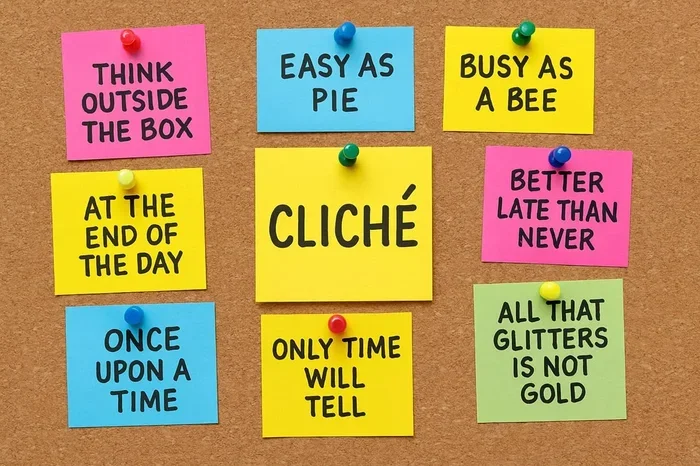
The cliche meaning goes far beyond just “something overused.” It covers the history, psychology, and power behind common expressions we use every day. Understanding what a cliche meaning really is helps you communicate better, write more creatively, and connect with people in a deeper way. This guide breaks down everything you need to know about cliche meaning in a simple, practical way.
Key Takeaways
- Cliche meaning refers to the idea behind an overused expression that has lost its original impact through repetition.
- Cliches started as fresh, powerful phrases but became common through constant use in everyday language and media.
- Knowing the cliche meaning helps you avoid lazy communication and write or speak with more originality.
- Cliches still serve a purpose in casual conversations and can build quick rapport when used intentionally.
- Replacing tired expressions with fresh language makes your writing and speaking more engaging and memorable.
- Understanding cliche meaning in different contexts like writing, business, and daily talk helps you choose the right words.
- The key is balance, using cliches where they fit and original expressions where you want to stand out.
📑 Table of Contents
What Is the Cliche Meaning?
Let us start with the basics. The cliche meaning is the idea or message behind a phrase that has been used so often it feels empty. When someone says “time heals all wounds,” most people know exactly what that means. But the phrase has lost its spark because everyone has heard it a hundred times.
A cliche is a word or phrase that started as a fresh way to say something. Over time, it became so common that it lost its original power. The cliche meaning today is not just about the words themselves. It is about the feeling, the history, and the way we use those words in real life.
Understanding cliche meaning matters because language shapes how we think and connect. When you know why a phrase feels worn out, you can choose better words. You can speak with more clarity and write with more punch. This guide will walk you through everything you need to know about the cliche meaning and why it still plays a big role in how we communicate.
The cliche meaning is not just a boring grammar topic. It is a window into how language evolves, how people share ideas, and how expressions shape our daily conversations. Let us dig deeper.
Why Do We Use Cliches So Much?
Have you ever noticed how quickly a cliche slips out of your mouth? You do not think twice. It just comes out. That is because cliche meaning lives deep in our habits. Our brains grab the easiest path when we speak, and cliches are that path.
Here are some reasons why we lean on cliches so heavily:
- Speed and ease: Cliches are fast. They save mental energy when you are in a rush or not sure what to say.
- Shared understanding: Everyone knows what “better late than never” means. It builds instant connection.
- Cultural familiarity: Many cliches come from stories, songs, or old sayings. They carry history we all recognize.
- Comfort zone: Using a familiar phrase feels safe. You do not have to risk sounding strange or unclear.
- Emotional shorthand: Cliches pack big feelings into small phrases. “Break a leg” says “good luck” in a fun way.
The Psychology Behind Cliche Use
Your brain loves shortcuts. Psychologists call this “cognitive fluency.” It means your mind prefers things that are easy to process. Cliches fit that perfectly. The cliche meaning is already baked into your memory, so your brain does not need to work hard to understand or produce it.
But here is the twist. Just because cliches are easy does not mean they are effective. In fact, overusing them can make you sound lazy or uncreative. The key is knowing when a cliche works and when you need something fresher. That is where understanding cliche meaning gives you a real advantage.
Cliche Meaning in Everyday Speech
Think about your last casual conversation. Did you say “it is what it is” or “let us cross that bridge when we come to it”? These phrases carry a cliche meaning that everyone instantly gets. They smooth over awkward moments and keep conversations moving.
In everyday talk, the cliche meaning acts like social glue. It helps people bond without needing deep conversation. You do not have to explain yourself fully. A simple cliche says, “I get it. You get it. We are on the same page.”
But there is a fine line. Using too many cliches in casual talk can make you blend in. It can make your words feel hollow. The goal is not to never use a cliche again. The goal is to use them with awareness and intention.
Cliche Meaning in Different Contexts
The cliche meaning shifts depending on where and how you use it. A phrase that works great in a friendly chat might fall flat in a business email. Let us look at how cliche meaning changes across different settings.
| Context | How Cliches Work | Risk Level | Better Alternative |
|---|---|---|---|
| Casual Conversation | Builds quick rapport and shared understanding | Low | Still fine to use a few cliches |
| Creative Writing | Can feel lazy and weaken your voice | High | Use fresh metaphors and original phrasing |
| Business Communication | Saves time but can sound generic | Medium | Add specific details or personal examples |
| Public Speaking | Grabs attention if used sparingly | Medium | Mix cliches with powerful stories |
| Social Media | Gets quick engagement but feels recycled | Medium | Add your unique take or personal spin |
Cliche Meaning in Creative Writing
If you write stories, blog posts, or even captions for social media, the cliche meaning hits differently. Readers want fresh ideas. They want language that surprises them. When a writer drops a tired phrase like “the calm before the storm,” readers skip right past it.
Great writers know the cliche meaning inside and out. They use that knowledge to either avoid cliches completely or to cleverly twist them. For example, saying “the chaos before the calm” flips the familiar phrase into something new. It keeps the cliche meaning but gives it a fresh spin.
Here is a quick tip. Whenever you write something, read it out loud. If a phrase sounds like something you have heard a hundred times, rewrite it. Your readers will notice the difference.
Cliche Meaning in Professional Communication
In the workplace, cliches are everywhere. “Let’s touch base,” “think outside the box,” “move the needle.” These phrases carry a cliche meaning that most professionals recognize instantly.
The problem is not that these phrases are wrong. The problem is that they have no spark. When your boss says “let us circle back,” you know what they mean. But do you feel excited? Probably not. The cliche meaning in professional settings often signals a lack of effort or originality.
That does not mean you should never use business cliches. Sometimes they save time in fast-paced meetings. The trick is to pair them with specific, concrete details. Instead of saying “we need to think outside the box,” say “let us explore a solution no one has tried before.” See the difference?
Common Cliches and Their Hidden Meanings
Some cliches carry a cliche meaning that goes deeper than what people realize. They come from old stories, historical events, or cultural traditions. Knowing where they came from can help you use them better or avoid them altogether.
Famous Cliches and Where They Came From
Many common expressions have fascinating origins. Take “bite the bullet.” This phrase comes from old battlefield surgeries where soldiers would bite on a bullet during painful procedures without anesthesia. The cliche meaning today is simply “to face something difficult bravely.” But the original image is powerful and vivid.
Another example is “burning the midnight oil.” This goes back to times when people worked by oil lamps late into the night. The cliche meaning now means studying or working very late. But the phrase once painted a real picture in people’s minds.
When you know the origin of a cliche, you understand its cliche meaning on a deeper level. You can decide whether to keep using it or replace it with something fresher.
Quick Tips for Using Cliches Wisely
Here are some practical tips to help you handle cliche meaning in your daily communication:
- Read your work out loud. If a phrase sounds familiar and flat, it is probably a cliche. Rewrite it.
- Keep a list of your favorite cliches. Awareness is the first step to making better word choices.
- Use cliches in moderation. One or two in a long piece of writing is fine. Too many kill your voice.
- Twist them intentionally. If you must use a cliche, put your own spin on it. Make it yours.
- Ask yourself the “so what” test. Does your phrase add anything new? If not, try again.
- Study great writers. Notice how authors you admire avoid cliches and create fresh expressions.
- Practice replacing cliches daily. Pick one cliche a day and write three original alternatives.
Common Mistakes People Make
Even people who know about cliche meaning still make mistakes. Here are the most common ones:
- Replacing one cliche with another: Swapping “time heals all wounds” for “time flies when you are having fun” does not help. Both are still cliches.
- Overcorrecting: Avoiding all familiar phrases can make your writing stiff and unnatural. Language needs rhythm, and some cliches provide that.
- Ignoring context: A cliche that works in a text message might fail in a formal essay. Always consider your audience.
- Not knowing the meaning: Some people use cliches without understanding the cliche meaning behind them. This leads to awkward or incorrect usage.
- Assuming cliches are always bad: In some situations, cliches are the best choice. They save time and build connection. Do not reject them entirely.
How to Replace Cliches with Fresh Language
The cliche meaning lives in the familiar. Your job as a strong communicator is to find new ways to express those same ideas. This does not mean you need to reinvent the wheel every time you write or speak. It means you should aim for clarity, originality, and impact.
Expert Insights on Fresh Expression
Professional writers and communication coaches often share the same advice. “The best way to kill a cliche is to ask yourself what you really mean,” says writing coach Sarah Collins. “Once you find the real thought behind the words, you can express it in your own voice.”
Another expert, communication specialist Mark Rivera, adds this: “Cliches are not the enemy. Lazy communication is the enemy. When you reach for a cliche, pause. Ask yourself if there is a better way to say what you mean. That small pause changes everything.”
These insights highlight something important about cliche meaning. The issue is not the phrase itself. The issue is whether you are choosing your words with care. Intentional language always beats automatic language.
The Bigger Picture: Why Cliche Meaning Still Matters
You might wonder why cliche meaning deserves so much attention. After all, is it really that important? The answer is yes, and here is why.
Language is how humans connect. Every phrase, every expression, every word carries meaning beyond its dictionary definition. The cliche meaning of common expressions shapes culture, influences thoughts, and affects how people perceive you. Whether you are writing a novel, sending a work email, or chatting with a friend, your word choices matter.
When you understand cliche meaning, you become a more intentional communicator. You choose words that fit the moment. You avoid sounding generic. You stand out in a world full of recycled phrases.
More than that, understanding cliche meaning deepens your appreciation for language itself. You start to see phrases as living things. They grow, change, and evolve over time. What starts as a fresh idea becomes a common expression, and eventually, it might fade away entirely. Or it might get a second life through someone who gives it new meaning.
The cliche meaning is not just about words on a page. It is about how humans share ideas, build connections, and make themselves understood. That is something worth paying attention to.
So the next time you catch yourself saying “at the end of the day” or “in a nutshell,” pause for a moment. Think about the cliche meaning behind those words. Then ask yourself, “Is there a better way to say this?” The answer might surprise you. And your communication will be stronger for it.
Mastering cliche meaning is not about memorizing a list of forbidden phrases. It is about developing awareness, building your vocabulary, and choosing words that truly reflect what you want to say. That is a skill that pays off in every area of your life, from your personal relationships to your career to your creative projects.
Start today. Notice the cliches around you. Challenge yourself to find fresh alternatives. Over time, your language will become more vivid, more powerful, and more uniquely yours. And that is a goal worth working toward.
Conclusion
The cliche meaning is more than just a definition in a dictionary. It is a window into how language works, why we communicate the way we do, and how we can do it better. From casual conversations to professional emails, from creative writing to social media posts, understanding cliche meaning gives you an edge.
Cliches are not the enemy. They are a natural part of language. But when you know the cliche meaning behind them, you can use them wisely. You can spot them in your own writing. You can replace them when needed. And you can communicate with more clarity, creativity, and confidence.
Remember these key points. Cliches started as fresh expressions. They became common through overuse. The cliche meaning today is about recognizing that familiarity and choosing your words with intention. Whether you keep a cliche or replace it, the goal is the same, to communicate in a way that truly connects with your audience.
Take what you have learned here. Apply it to your writing, your speaking, and your daily conversations. The more you practice, the more natural it becomes. And soon, choosing the right words will feel second nature. That is the real power of understanding cliche meaning.
Frequently Asked Questions
What does cliche mean in simple terms?
A cliche is a phrase or expression that has been used so often it has lost its original impact. The cliche meaning is the idea or message behind that overused phrase. It is something most people immediately recognize but may no longer find interesting or fresh.
Why do people use cliches so often?
People use cliches because they are easy and fast. The cliche meaning is already familiar, so your brain does not have to work hard to understand or produce the phrase. Cliches also build quick rapport in conversations because everyone shares the same understanding of common expressions.
Are cliches always bad for writing?
No, cliches are not always bad. In casual writing or friendly conversations, they work fine. The problem comes when you use too many in creative or professional writing. Understanding cliche meaning helps you know when a cliche fits and when you need fresher language.
How can I spot a cliche in my own writing?
Read your work out loud. If a phrase sounds familiar and sounds like something you have heard many times before, it is probably a cliche. You can also ask a friend to read your work and flag any phrases that feel overused or predictable.
Can a cliche ever become fresh again?
Yes, it can. When you twist a familiar phrase or use it in a surprising context, the cliche meaning gets a new life. Great writers often take old cliches and give them fresh spins that surprise readers and make them pay attention again.
What is the difference between a cliche and an idiom?
An idiom is a phrase where the meaning is different from the literal words, like “kick the bucket” meaning to die. A cliche is an expression that has become overused through constant repetition. Some phrases are both an idiom and a cliche, but not all idioms are cliches and not all cliches are idioms.