
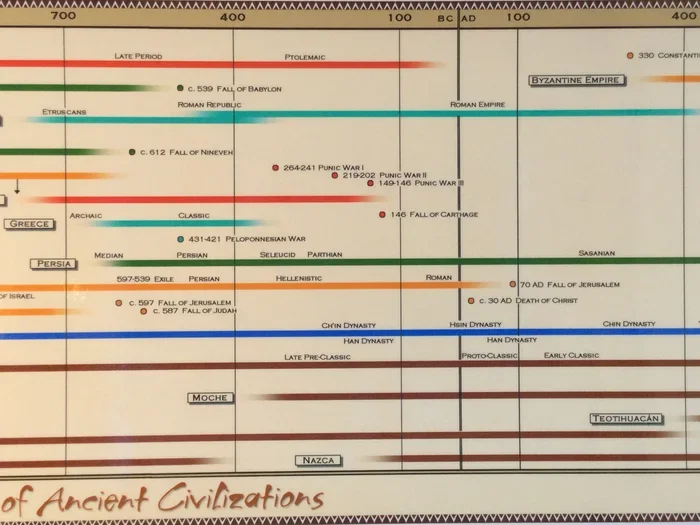
The BCE meaning is “Before Common Era,” a dating system used to label years before the start of the Common Era. It replaces the older term BC (Before Christ) and works alongside CE (Common Era) to create a neutral, inclusive way to mark historical time. Understanding BCE meaning helps you read timelines, study ancient history, and make sense of world events chronologically.
Have you ever looked at a history book and seen the letters BCE next to a year? Maybe you wondered what BCE meaning actually is. You are not alone. Many people see these letters and feel confused. This guide will break it all down for you in simple, clear terms.
The BCE meaning is straightforward once you see it in context. BCE stands for “Before Common Era.” It is a way to label years that came before the year 1 in our modern calendar. People use it when talking about ancient history. It works hand in hand with CE, which stands for “Common Era.” Together, these two terms help us organize the past in a clean and neutral way.
You might wonder why we need a new term at all. Why not just use the old BC and AD? That is a great question. The truth is, BCE and CE offer a more inclusive way to talk about history. They do not push any one religion or culture to the front. Let us dive deeper into what BCE really means and why it matters.
Key Takeaways
- BCE stands for Before Common Era: It labels years before year 1 in the modern calendar system.
- BCE and CE replaced BC and AD: The newer terms offer a secular, inclusive approach to dating historical events.
- The system starts at year 1: There is no year zero in the BCE/CE calendar, which often confuses learners.
- BCE meaning matters for global history: It applies to events across all cultures, not just Christian history.
- Dionysius Exiguus created the original system: A monk in the 6th century devised the BC/AD framework that evolved into BCE/CE.
- BCE is widely used in academia: Schools, museums, and textbooks now prefer BCE and CE for neutrality.
- Understanding BCE helps with timelines: It makes it easier to compare events across different civilizations and eras.
📑 Table of Contents
What Does BCE Mean Exactly?
The BCE meaning is “Before Common Era.” It refers to all the years before the start of the Common Era. The Common Era begins at year 1. So BCE covers everything before that point. For example, the year 500 BCE happened 500 years before year 1.
BCE is the secular version of the older term BC, which means “Before Christ.” Both systems count years backward from the same starting point. The difference is in the language. BCE does not reference any religious figure. This makes it a more universal choice for classrooms, museums, and textbooks around the world.
How BCE Works With CE
BCE does not stand alone. It always pairs with CE, or Common Era. CE labels years after year 1. Think of it as two halves of a timeline. The dividing line is year 1. There is no year zero in this system. So the year 1 BCE flows directly into the year 1 CE.
Here is a simple way to think about it:
- 500 BCE means 500 years before the Common Era began.
- 1 BCE is the last year before year 1 CE.
- 1 CE is the first year of the Common Era.
- 2024 CE is the current year in the Common Era.
This system keeps the numbering consistent. It also makes it easy to calculate time spans between events. Whether you are looking at ancient Rome or medieval China, the BCE/CE framework works the same way.
Where Did the BCE System Come From?
The history behind BCE is fascinating. The original dating system was created in the 6th century by a monk named Dionysius Exiguus. He wanted to figure out the correct date for Easter. In doing so, he created the BC and AD system. BC stood for “Before Christ.” AD stood for “Anno Domini,” which is Latin for “in the year of our Lord.”
For many centuries, this system was the standard. But as the world became more connected, scholars saw a problem. Not everyone follows Christianity. Using BC and AD can feel exclusionary. It centers one religion’s perspective on all of human history.
That is where BCE and CE come in. The terms “Before Common Era” and “Common Era” started gaining popularity in the late 20th century. Academics and educators embraced them. They wanted a dating system that respected all cultures and belief systems. Today, BCE and CE are the preferred terms in most educational settings.
The Role of Dionysius Exiguus
Dionysius Exiguus was a Scythian monk living in Rome. Around the year 525 CE, he was asked to calculate the date of Easter. In his work, he decided to number years from the birth of Jesus Christ. This became the foundation of the BC/AD system. The same starting point was kept when BCE/CE was introduced.
It is worth noting that most scholars today believe Dionysius got the birth year of Jesus wrong. Jesus was likely born between 4 and 6 BCE. But the calendar system was already widely adopted by that point. So the numbering stuck, even if the original reference was slightly off.
Why BCE Matters in History
Understanding BCE meaning is important if you want to study history seriously. Ancient events happened long before the Common Era. If you do not know what BCE means, you will struggle to read historical timelines. It is that basic.
BCE gives us a shared language. When a historian in Japan writes about the Qin Dynasty, they might use BCE. When a historian in Brazil writes about ancient Egypt, they also use BCE. The system transcends borders and cultures. It lets people from every background talk about the same events in the same way.
Here are some reasons why BCE matters:
- Global neutrality: It does not favor any one religion or culture.
- Academic standard: Most universities and textbooks use BCE and CE.
- Clarity: It removes religious language from historical discussion.
- Consistency: The system works the same way for all time periods and regions.
- Accessibility: Anyone, regardless of background, can understand it.
BCE and the Study of Ancient Civilizations
When you study ancient civilizations, BCE is your best friend. The rise and fall of empires like Greece, Rome, Egypt, and Mesopotamia all happened in BCE years. Without this system, we would have no clean way to compare events across different regions.
For example, the Great Pyramid of Giza was built around 2560 BCE. The Roman Republic was founded around 509 BCE. The Babylonian Empire reached its peak around 600 BCE. All of these dates use the same framework. That makes it easy to place them on a single timeline.
Imagine trying to compare the construction of the pyramids with the founding of Rome without a shared dating system. It would be a mess. BCE and CE give us that shared framework. They make historical comparison possible and accurate.
BCE vs BC: What Is the Difference?
People often ask about the difference between BCE and BC. They are actually very similar. Both systems count years before year 1. Both use the same starting point. The only real difference is the language and tone.
BC stands for “Before Christ.” It is a religious term. It assumes the birth of Jesus as the central reference point for all of history. BCE stands for “Before Common Era.” It is a secular term. It uses a more neutral reference point.
Here is a quick comparison:
- BC means Before Christ. It is religious in nature.
- BCE means Before Common Era. It is secular and inclusive.
- Both count years backward from year 1.
- Both refer to the exact same time period in history.
- The dates do not change. 500 BC is the same as 500 BCE.
The switch from BC to BCE is not about changing history. It is about changing the language we use to describe it. The events are the same. The years are the same. Only the labels have evolved.
Why the Shift Happened
The shift from BC to BCE happened gradually. In the mid-20th century, scholars began pushing for more inclusive language. They wanted history to feel welcoming to people of all faiths and backgrounds. BCE and CE fit that goal perfectly.
By the late 20th century, many major publishers had adopted the new terms. Textbook companies, academic journals, and museums all started using BCE and CE. Today, it is the standard in most English-speaking countries. Some regions still use BC and AD, but BCE and CE are growing fast.
Common Mistakes People Make With BCE
Even though BCE is simple, people still make mistakes. Let us clear up some of the most common ones. This will help you avoid confusion when you are reading or writing about history.
Thinking There Is a Year Zero
The biggest mistake is assuming there is a year zero in the BCE/CE system. There is not. The year 1 BCE flows directly into the year 1 CE. This can trip people up when they are calculating time spans. For example, the time between 10 BCE and 10 CE is 20 years, not 19. You have to count through the switch from BCE to CE without a year zero in between.
Confusing BCE With CE
Another common mix-up is confusing BCE with CE. Remember that BCE means “Before Common Era.” CE means “Common Era.” BCE years go backward. CE years go forward. If you mix them up, your entire timeline could be wrong.
Assuming BCE Only Applies to Christian History
Some people think BCE only relates to events in the Christian world. That is not true at all. BCE applies to every civilization and culture. Ancient China, Mesoamerica, sub-Saharan Africa, and Southeast Asia all use BCE dates. The system is global. It belongs to everyone.
Using BCE and BC Interchangeably Without Context
While BCE and BC refer to the same years, they carry different connotations. In formal writing, it is best to pick one and stay consistent. Switching between them in the same paper can confuse readers. Choose the system that fits your audience and stick with it.
How to Read and Use BCE Dates Correctly
Reading BCE dates is easy once you get the hang of it. The number comes first, then the letters BCE. So 300 BCE means 300 years before the Common Era started. The larger the number, the further back in time the event happened.
Here are some quick tips for working with BCE dates:
- Always read the number first: 1000 BCE is much older than 100 BCE.
- Remember the timeline flows backward: Higher numbers go further into the past.
- Use a timeline tool: Visual aids help you place events in order.
- Pair BCE with CE for full context: This shows where an event falls relative to year 1.
- Check your source: Some older books still use BC. Know which system your source uses.
Practical Example: Building a Simple Timeline
Let us say you want to build a timeline of major events. You would start with the oldest event in BCE and work forward. Here is a quick example:
- 3000 BCE — Rise of early Egyptian civilization.
- 2560 BCE — Construction of the Great Pyramid of Giza.
- 776 BCE — First Olympic Games in ancient Greece.
- 509 BCE — Founding of the Roman Republic.
- 44 BCE — Assassination of Julius Caesar.
- 1 CE — Start of the Common Era.
- 1066 CE — Norman Conquest of England.
Notice how the timeline flows smoothly. The BCE dates count down toward year 1. Then the CE dates count up from year 1. This simple structure makes it easy to understand the order of events.
The Future of BCE and CE in Education
The use of BCE and CE is only growing. More schools are teaching these terms alongside or instead of BC and AD. Educational standards in many countries now include BCE and CE as the preferred notation. This trend is likely to continue as classrooms become more diverse and inclusive.
Digital tools also play a role. Online history platforms, educational apps, and digital textbooks almost always use BCE and CE. As technology shapes how we learn, these terms will become even more familiar to new generations of students.
Some people still prefer BC and AD for personal or religious reasons. That is perfectly fine. The important thing is that everyone understands what BCE means. Whether you use BCE or BC, the history is the same. The events did not change. Only the way we label them has evolved.
BCE in Different Languages and Cultures
It is worth noting that BCE and CE are English terms. Other languages have their own versions. In French, you might see “avant J.-C.” which means “before Christ.” In German, “v. Chr.” is common. But the concept is the same. Cultures around the world have adopted secular dating systems that align with BCE and CE.
This global adoption is a testament to the system’s usefulness. It works across languages, cultures, and belief systems. That is a big part of why BCE meaning has become so widely accepted.
Conclusion
The BCE meaning is simple but powerful. BCE stands for Before Common Era. It gives us a neutral, inclusive way to talk about years before year 1. Whether you are a student, a teacher, a history enthusiast, or just a curious reader, knowing what BCE means will help you navigate the past with confidence.
BCE pairs with CE to create a timeline that belongs to everyone. It does not center any one religion or culture. It simply labels time in a clear and consistent way. The next time you see BCE in a book or article, you will know exactly what it means. You will understand why it matters. And you will be able to place historical events in their proper place on the timeline.
History is a shared story. BCE and CE help us tell that story in a way that respects every culture and every reader. So the next time you open a history book, look for those two little letters. They carry more weight than you might think.
Frequently Asked Questions
What is the BCE meaning in simple terms?
BCE stands for “Before Common Era.” It is used to label years that came before year 1 in our modern calendar. It is the secular version of the older term BC (Before Christ). The dates are the same, but the language is more inclusive.
Is BCE the same as BC?
Yes and no. BCE and BC refer to the exact same years and the same time period. The difference is that BCE uses neutral, secular language while BC uses religious language. Both systems count backward from year 1.
Why do historians prefer BCE over BC?
Historians prefer BCE because it is neutral and inclusive. It does not assume any particular religion or belief system. This makes it a better fit for global history, where events span many different cultures and traditions. Most academic institutions now use BCE and CE.
Is there a year zero in the BCE/CE system?
No, there is no year zero. The year 1 BCE flows directly into the year 1 CE. This is an important detail to remember when calculating time spans between events. A gap from 10 BCE to 10 CE is actually 20 years, not 19.
Who created the BCE and CE system?
The BCE and CE system evolved from the BC and AD system created by Dionysius Exiguus in the 6th century. He was a monk who wanted to calculate the date of Easter. The secular terms BCE and CE were developed much later by scholars seeking more inclusive language.
Do all countries use BCE and CE?
Most English-speaking countries and academic institutions use BCE and CE. Some countries still use BC and AD in everyday writing. However, the trend is moving toward BCE and CE in education, publishing, and digital media worldwide. The system is designed to work across all cultures.