
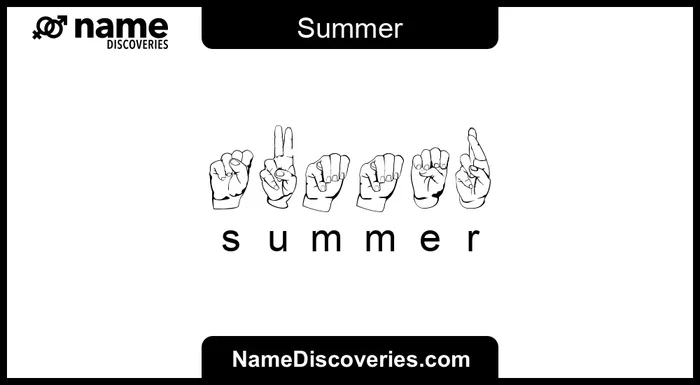
Learning how to say summer in ASL is easier than you think. This complete beginner guide walks you through the exact hand movements, facial expressions, and context needed to sign “summer” confidently. Whether you are new to American Sign Language or just brushing up, you will find practical tips and examples to help you master this seasonal sign fast.
Key Takeaways
- Simple Hand Movement: The summer sign uses a flat hand sweeping across your forehead, mimicking the heat of the sun.
- Facial Expressions Matter: ASL relies heavily on facial cues, so pairing the sign with a relaxed, warm expression adds authenticity.
- Context Changes Everything: The same hand shape can mean different things depending on how you use it in a sentence.
- Learning ASL Builds Connection: Signing with the deaf community opens doors to deeper relationships and understanding.
- Practice Makes Permanent: Consistent daily practice, even for just 10 minutes, helps you retain signs much faster.
- Seasons Have Unique Signs: Each season in ASL has its own distinct sign, and summer is one of the most fun to learn.
📑 Table of Contents
- How to Say Summer in ASL: A Fun and Easy Guide
- The Basic Summer Sign in ASL
- Facial Expressions and Non-Manual Signals
- Comparing Summer Signs Across Sign Languages
- Practical Ways to Practice the Summer Sign
- Summer in ASL: Beyond the Basic Sign
- Common Mistakes Beginners Make When Signing Summer
- Why Learning ASL Seasonal Signs Is Worth It
- Final Thoughts on Signing Summer in ASL
How to Say Summer in ASL: A Fun and Easy Guide
Have you ever wanted to learn how to say summer in ASL? Maybe you saw someone sign the word and wondered what their hands were doing. Or perhaps you are taking your first steps into American Sign Language and want to start with something familiar. Either way, you are in the right place.
The sign for summer is one of the most recognizable seasonal signs in ASL. It is visual, intuitive, and fun to do. Once you learn it, you will not forget it. And the best part? You can start practicing right now, even if you have zero experience with sign language.
In this guide, we break down every detail. From the basic hand position to common mistakes beginners make, we cover it all. By the end, you will feel confident signing summer in any conversation. So let us dive in and explore this wonderful sign together.
The Basic Summer Sign in ASL
The core summer sign in ASL starts with a simple hand shape. Hold your dominant hand open, with your fingers together and your palm facing inward. Now bring your hand up to your forehead, about an inch above your skin. Move your hand outward and slightly downward in a sweeping arc. That is the basic motion.
It looks like you are brushing the hot sun off your face. And that is exactly the idea behind it. The movement captures the feeling of heat and warmth that comes with the summer season. Your facial expression should match the motion too. Keep a relaxed, slightly squinted look, as if you are feeling the warm breeze on a sunny day.
Hand Position Details
Let us get into the specifics. Your fingers should be fully extended but not stiff. Think of a relaxed open hand, like you are about to give someone a high five. The thumb stays naturally apart from the other fingers. Your wrist is loose and flexible, which helps the sweeping motion feel smooth and natural.
Here are the key points to remember:
- Palm faces inward toward your face at the start.
- Fingers stay together throughout the movement.
- Sweep outward and slightly down from your forehead.
- Keep your wrist relaxed for a fluid motion.
- Use your dominant hand only for this sign.
Why the Sweeping Motion Matters
You might wonder why the sign moves outward instead of staying in place. In ASL, movement carries meaning. The outward sweep suggests heat radiating from the sun. It also helps distinguish summer from other seasonal signs. For example, the winter sign uses a different motion entirely. The sweeping arc makes summer visually unique and easy to recognize.
If you have ever tried translate to English in Hindi meaning or worked with multilingual expressions, you know that meaning often lives in the movement and context, not just the word itself. ASL works the same way. The motion tells the story.
Facial Expressions and Non-Manual Signals
Here is something many beginners overlook. In American Sign Language, your face is just as important as your hands. Facial expressions in ASL carry grammatical weight and emotional context. Without the right expression, even a perfect hand sign can feel incomplete.
When you sign summer, your face should reflect warmth and ease. A slight smile works well. Some signers also raise their eyebrows just a little, which adds a feeling of brightness and positivity. Think about how your face naturally reacts on a hot, sunny day. That relaxed, happy look is exactly what you want to capture.
Common Mistakes with Facial Cues
Many new learners keep their faces completely neutral while signing. This can make signs feel flat and hard to understand. Another mistake is overdoing the expression. You do not need to grin widely or look shocked. Keep it natural and subtle.
Here are quick tips to improve your facial expression:
- Practice in front of a mirror to see how your face looks while signing.
- Relax your jaw and keep your mouth soft.
- Match your expression to the season — warm and bright for summer.
- Watch native signers on video to pick up natural cues.
Comparing Summer Signs Across Sign Languages
Did you know that sign languages differ from country to country? Just like spoken languages, each nation has its own version of ASL or its equivalent. The American version of the summer sign may look different from the British or Australian versions. However, the core idea remains the same: heat, warmth, and sunshine.
In British Sign Language, for example, the summer sign sometimes uses both hands. The signer might make a circular motion near the face to suggest the blazing sun. In contrast, ASL keeps it to one hand with a single sweep. These differences show how rich and diverse sign languages truly are.
It is a bit like how people use different slang or abbreviations depending on where they live. When you look up Wyo meaning in text, you see how the same letters can carry different meanings based on context and region. Sign language works similarly, with each community developing its own expressive signs.
Why Regional Variations Exist
Regional variations in sign language develop naturally over time. Deaf communities in different areas create signs that feel most intuitive to them. Sometimes these signs are influenced by local culture, climate, or even the dominant spoken language nearby. This is what makes studying sign language so fascinating. You are not just learning a communication tool. You are learning a culture.
Practical Ways to Practice the Summer Sign
Knowing the hand shape and motion is only half the battle. The other half is practice. Like any new skill, signing gets easier the more you do it. But how do you practice effectively? Let us look at some proven methods.
Daily Practice Routine
Set aside just 10 to 15 minutes each day for practice. During that time, focus on one sign at a time. Repeat the summer sign slowly at first. Pay attention to your hand shape, movement path, and facial expression. Then gradually speed up until the sign feels natural and effortless.
Here is a simple routine you can follow:
- Warm up by signing the alphabet slowly.
- Practice the summer sign 10 times in a row.
- Record yourself on your phone and watch the playback.
- Compare your version with a video of a native signer.
- Use the sign in a sentence, like “I love summer!”
Practice with a Partner
Signing alone is helpful, but practicing with a partner takes your skills to the next level. Find a friend who also wants to learn ASL for beginners. Take turns signing different seasons and guessing what the other person is saying. This game-like approach makes practice fun and memorable.
If you do not have a partner, no worries. You can practice in front of a mirror or record yourself and review the footage. Many online communities also welcome learners who want to practice remotely. The key is consistency. Even short daily sessions add up quickly.
Summer in ASL: Beyond the Basic Sign
The basic sign for summer is just the starting point. In real conversations, you will often combine signs to express more complex ideas. For instance, you might want to talk about summer activities, summer weather, or your favorite summer memories. Learning these related signs helps you build fuller, more expressive sentences.
Related Signs to Learn Alongside Summer
When you learn a seasonal sign, it helps to learn signs for things commonly associated with that season. Here are some summer-related signs to add to your vocabulary:
- Sun: A flat hand circling above your head to represent the sun.
- Hot: Hands wiggling away from your face, as if pulling back from heat.
- Beach: Shaping both hands like waves moving in front of your body.
- Swim: Making swimming motions with both hands in front of you.
- Ice cream: A C-shaped hand moving from your mouth downward.
By combining these signs, you can describe a perfect summer day. Try signing “I go beach, swim, eat ice cream.” It creates a vivid picture in any conversation. This is the beauty of ASL vocabulary — it paints pictures with your hands.
Using Summer Signs in Sentences
In American Sign Language, word order works differently than in English. You do not always follow the subject-verb-object structure. Instead, ASL uses a topic-comment structure. This means you establish the topic first and then add information about it.
For example, to sign “Summer is my favorite season,” you would first sign “summer,” then show your preference. You might use your eyebrows and head tilt to indicate that summer is the topic, followed by the sign for “favorite” and “season.” This structure takes some getting used to, but once you grasp it, your signing becomes much more natural.
Sometimes you need to express alternatives or substitutes in communication. Think about how we use phrases like “in lieu of” in English to mean “instead of.” In sign language, you can express similar ideas through specific grammatical structures. To learn more about how meaning shifts with context, you can explore in lieu of meaning and see how language adapts to different situations.
Common Mistakes Beginners Make When Signing Summer
Every learner makes mistakes at first. That is completely normal. But knowing the common errors helps you avoid them and progress faster. Here are the top mistakes people make when learning the summer sign in ASL.
Mistake 1: Forgetting the Facial Expression
This is the number one issue for beginners. They focus entirely on the hand movement and ignore their face. Without the right expression, the sign loses its warmth and energy. Remember, your face is part of the grammar in ASL. A blank face can make even the most accurate hand sign confusing.
Mistake 2: Starting With the Wrong Hand Position
Some learners begin with their palm facing outward instead of inward. This small change can alter the meaning of the sign. Always start with your palm facing your face and fingers together. The orientation matters in ASL more than many people realize.
Mistake 3: Moving Too Fast Too Soon
Speed comes with practice, not with the first attempt. Rushing through the sign makes it sloppy and hard to read. Take your time. Slow down. Get the shape and path right first. Speed will follow naturally once your muscle memory kicks in.
Mistake 4: Ignoring Non-Manual Signals
Non-manual signals include head tilts, eyebrow raises, and mouth movements. These are not optional extras in ASL. They are essential parts of the grammar. Ignoring them is like speaking in a monotone voice — it strips away meaning and emotion.
Why Learning ASL Seasonal Signs Is Worth It
You might be thinking, “Why do I need to learn how to sign summer specifically?” The answer is simple. Seasonal signs are among the most useful signs in everyday conversation. They come up in casual chats, classroom settings, and even professional environments where deaf individuals are present.
Learning seasonal vocabulary also gives you a strong foundation for building more complex sentences. Once you master summer, you can easily add winter, spring, and fall. Before you know it, you can describe the entire year in ASL. This kind of progress is incredibly motivating and makes the learning journey feel rewarding.
Beyond practical use, learning ASL connects you to the deaf community and its rich culture. Deaf culture values visual communication, expressiveness, and community bonds. When you learn to sign, you are not just picking up a new language. You are joining a vibrant and welcoming community.
If you are interested in exploring more about how meaning works across different communication systems, you might find it interesting to see how nonverbal communication varies across cultures and platforms. Every system — whether spoken, signed, or texted — has its own unique rules and beauty.
Final Thoughts on Signing Summer in ASL
Learning how to say summer in ASL is a small but meaningful step into the world of American Sign Language. The basic hand movement is simple, the facial expressions add depth, and the practice keeps you growing. You do not need any special equipment or expensive classes to get started. All you need is your hands, your face, and a willingness to learn.
Remember, every expert was once a beginner. The fact that you are taking the time to learn this sign shows real dedication. Keep practicing, stay curious, and enjoy the journey. The summer sign is just the beginning of a much bigger and more exciting adventure in sign language.
So go ahead. Try the summer sign right now. Sweep your hand across your forehead with a warm smile. Feel the connection between your movement and the meaning behind it. That is the magic of ASL. And it is waiting for you to explore it.
Frequently Asked Questions
What is the ASL sign for summer?
The summer sign in ASL involves holding your dominant hand open near your forehead and sweeping it outward and slightly downward. It mimics brushing the heat of the sun away from your face. Pair it with a warm, relaxed facial expression for the best effect.
Do I need to use both hands to sign summer in ASL?
No. The standard summer sign in ASL uses only your dominant hand. Your non-dominant hand stays still or rests naturally at your side. Using both hands is not necessary for this particular seasonal sign.
Can children learn the summer ASL sign easily?
Absolutely. Children often pick up ASL signs faster than adults because they are naturally more visual and playful. The summer sign is simple and fun, making it a great starting point for young learners. Parents can practice it with kids during sunny days for extra reinforcement.
Is the summer sign the same in all types of sign language?
No. Different sign languages have their own versions of seasonal signs. The ASL summer sign is specific to American Sign Language. British Sign Language and other regional sign languages may use different movements or hand shapes to represent summer.
How long does it take to learn the summer sign in ASL?
Most learners can pick up the summer sign within a few minutes of practice. However, building muscle memory so the sign looks natural takes consistent daily practice. Spending 10 to 15 minutes a day on this single sign can lead to solid retention within a week.
What other seasonal signs should I learn after summer?
After mastering summer, try learning the signs for winter, spring, and fall. Each season has its own unique hand movement and facial expression. Learning all four seasons together gives you a complete picture of how ASL handles time and weather vocabulary.
=== CONCLUSION ===
Mastering how to say summer in ASL opens a door to richer communication and deeper connection with the deaf community. The sign is simple, visual, and full of meaning. With the right hand shape, sweeping motion, and matching facial expression, you can express the warmth and joy of summer in any conversation.
Remember to practice regularly, avoid common beginner mistakes, and explore related seasonal signs to expand your vocabulary. Every sign you learn brings you closer to fluency and a greater appreciation for the beauty of American Sign Language. Start today, stay consistent, and enjoy every step of your signing journey.