
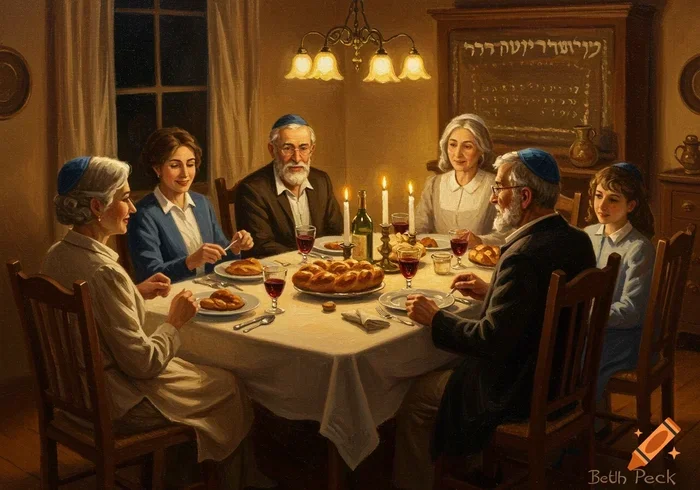
Learning how to say family in Hebrew is simpler than you think. The main word is mishpacha, and Hebrew has rich vocabulary for different family members. This guide covers Hebrew translations, pronunciation tips, and common family terms you can use right away.
Have you ever wondered how to say family in Hebrew? Whether you are planning a trip to Israel, connecting with Hebrew-speaking relatives, or just curious about Hebrew vocabulary, knowing family words is a fantastic place to start. Family is universal, and every culture has its own way of expressing those close bonds.
The Hebrew language offers beautiful and precise words for every family member. Unlike some languages where one word covers many relatives, Hebrew gives you specific terms. This makes conversations clearer and more meaningful. In this guide, we will walk you through everything you need to know about saying family in Hebrew, from basic translations to pronunciation tips and cultural context.
Key Takeaways
- Mishpacha is the Hebrew word for family: It covers both immediate and extended family in everyday conversation.
- Hebrew has specific words for each family member: Just like English, Hebrew distinguishes between mom, dad, brother, sister, and more.
- Pronunciation matters: Getting the sounds right helps you sound more natural when speaking Hebrew.
- Hebrew writing uses a different alphabet: The script looks different but follows consistent rules once you learn the basics.
- Context changes word usage: Some Hebrew family words shift meaning depending on whether you are talking about your own family or someone else’s.
- Learning family terms is a great starting point: These words come up constantly in daily Hebrew conversations and media.
📑 Table of Contents
- Why Learning Family Words in Hebrew Matters
- The Main Word: Mishpacha
- Hebrew Words for Individual Family Members
- How to Talk About Your Family in Hebrew Sentences
- Writing Family Words in Hebrew
- Common Mistakes When Saying Family in Hebrew
- Quick Tips to Remember Hebrew Family Words
- Cultural Notes on Family in Hebrew-Speaking Communities
- Where to Practice Your Hebrew Family Words
- Conclusion
Why Learning Family Words in Hebrew Matters
Family words are some of the first things people learn in any new language. They come up constantly in real-life conversations, movies, songs, and even news articles. When you know how to talk about your Hebrew family terms, you open doors to deeper connections with native speakers.
Here is why learning Hebrew family vocabulary is so valuable:
- Daily conversations: You will use these words every time you talk about your relatives or household.
- Cultural understanding: Hebrew family words reflect Jewish and Israeli cultural values around family life.
- Building blocks for fluency: Mastering these terms helps you tackle more complex Hebrew grammar later.
- Emotional connection: Speaking about family in someone’s native language shows respect and effort.
The Main Word: Mishpacha
The most important word you will learn is mishpacha (משפחה). This is the Hebrew word for family in its broadest sense. Israelis use this word all the time, whether they are talking about a small household or a large extended family.
How to Pronounce Mishpacha
Pronouncing mishpacha correctly is easier than it looks. Break it down like this:
- Mish — sounds like “mish” in English.
- pa — sounds like “pah” with a short “a” sound.
- cha — sounds like “cha” as in “challah.”
Put it together and you get “mish-PAH-chah.” The stress falls on the second syllable. Practice saying it a few times out loud. Once you feel comfortable, try using it in a sentence like “Ha mishpacha sheli gdola” which means “My family is big.”
Mishpacha in Everyday Hebrew
Israelis use mishpacha in many contexts. You might hear someone say “mishpacha yafa” which means “beautiful family.” The word also appears in greetings and small talk. For example, “Ma shlomcha mishpacha?” is a way of asking “How is your family doing?”
Interestingly, mishpacha can also mean “clan” or “tribe” in certain contexts. This broader meaning reflects how central family is to Hebrew and Jewish culture. If you come across this word in the Bible or historical texts, it often refers to a larger family group rather than just a household.
Hebrew Words for Individual Family Members
While mishpacha covers the whole family, Hebrew has specific words for each member. Let us go through them one by one. These Hebrew family translations will help you describe your relatives with confidence.
Parents
Your parents hold a special place in Hebrew vocabulary:
- Im (אם) — means mother. Pronounced like “eem.”
- Av (אב) — means father. Pronounced like “ahv.”
- Ima (אמא) — the informal, affectionate word for mom. Pronounced “ee-mah.”
- Abba (אבא) — the informal word for dad or papa. Pronounced “ah-bah.”
Notice how Hebrew has both formal and informal versions. Im and Av are more formal and often used in writing or respectful contexts. Ima and Abba are what children say at home. Adults also use these informal terms affectionately.
Siblings
Hebrew words for brothers and sisters differ based on gender:
- Ach (אח) — means brother (male). Pronounced “akh.”
- Achot (אחות) — means sister (female). Pronounced “akh-OT.”
- Achim (אחים) — means brothers (plural). Pronounced “akh-EEM.”
- Achot (אחיות) — means sisters (plural). Pronounced “akh-YOT.”
One thing to note is that achot is used for both a single sister and for sisters as a group. The context usually makes the meaning clear. If someone says “achi” (my brother), they are being very personal and close.
Children
Talking about kids in Hebrew is straightforward:
- Yeled (ילד) — means boy or son. Pronounced “yeh-LADE.”
- Yelda (ילדה) — means girl or daughter. Pronounced “yeh-LAH-dah.”
- Yeladim (ילדים) — means children or kids. Pronounced “yeh-lah-DEEM.”
The plural form yeladim is very common. You will hear it in schools, playgrounds, and family gatherings. If you want to say “I have two children,” you would say “Yesh li shnei yeladim.”
Grandparents
Hebrew has warm words for grandparents:
- Saba (סבא) — means grandfather (paternal). Pronounced “SAH-bah.”
- Savta (סבתא) — means grandmother (paternal). Pronounced “SAHV-tah.”
- Zeidi (זיידע) — another word for grandfather (often used by Sephardic Jews). Pronounced “ZAY-dee.”
- Bubbe (בובע) — another word for grandmother (used in some communities). Pronounced “BOO-beh.”
The distinction between paternal and maternal grandparents is important in Hebrew. Saba and Savta refer to your father’s parents. For your mother’s parents, you would use Grandma and Grandpa in casual speech, or the more formal ima and av with modifiers.
How to Talk About Your Family in Hebrew Sentences
Knowing individual words is great, but putting them together is where the real fun begins. Here are some practical Hebrew phrases you can use right away to talk about your family.
Basic Introductions
- Ha mishpacha sheli — My family.
- Achoti hu yafeh — My sister is beautiful.
- Avi ohev lehitkalel — My father likes to cook.
- Hasaba sheli meod zaken — My grandfather is very old.
Describing Family Size
- Ha mishpacha sheli ktzara — My family is small.
- Yesh li ach echad — I have one brother.
- Yesh li saba ve savta — I have a grandfather and grandmother.
Talking About Family Activities
- Anachnu holechim el ha mishteh im hamishpacha — We go to the party with the family.
- Ha mishpacha shelanou ohevet le eat — Our family loves to eat together.
These phrases are practical and natural. Native speakers will appreciate your effort if you use them in conversation. Start with the ones that feel most relevant to your life and build from there.
Writing Family Words in Hebrew
Hebrew uses a different alphabet called the Hebrew script (also known as the aleph-bet). If you want to read and write family words, here is a quick look at how they appear in Hebrew characters.
The Hebrew Alphabet Basics
The Hebrew alphabet has 22 letters. It reads from right to left, which can feel unusual at first. But the good news is that Hebrew pronunciation is quite consistent. Once you learn the sounds of the letters, you can read most words accurately.
Here are the Hebrew letters for some key family words:
- משפחה (Mishpacha) — Family
- אם (Im) — Mother
- אב (Av) — Father
- אח (Ach) — Brother
- אחות (Achot) — Sister
- ילד (Yeled) — Son/Boy
- סבא (Saba) — Grandfather
You do not need to master the entire alphabet to start using these words. Even recognizing a few letters can help you identify family terms on signs, menus, or in messages. Many Hebrew learners start by memorizing the letters that appear most frequently in words they care about, like family vocabulary.
Common Mistakes When Saying Family in Hebrew
Every language learner makes mistakes, and Hebrew is no exception. Here are some common pitfalls to watch out for when you are learning Hebrew family words.
Mixing Up Gender Forms
Hebrew is a gender-rich language. This means that words change form depending on whether they refer to males or females. For example, ach means brother, while achot means sister. Using the wrong form can change your meaning entirely.
Forgetting the Stress
Each Hebrew word has a natural stress point. Getting the stress wrong can make a word sound awkward or even change its meaning slightly. For mishpacha, the stress is always on the second syllable: mish-PAH-chah.
Using Formal Words in Casual Settings
While im and av are correct for mother and father, using them in casual conversation can sound stiff. Most Israelis prefer ima and abba in everyday talk. Save the formal versions for written Hebrew or very respectful contexts.
Overlooking Plural Rules
Hebrew plural forms can be tricky. For example, achot is both singular sister and plural sisters. Context is everything. Pay attention to how native speakers use these words in real conversations, whether in person or in Hebrew text messages and social media.
Quick Tips to Remember Hebrew Family Words
Here are some practical tips to help you memorize and retain Hebrew family vocabulary:
- Use flashcards daily: Write the Hebrew word on one side and the English meaning on the other. Review them for just five minutes a day.
- Label items at home: Put sticky notes with Hebrew words on family photos or rooms in your house.
- Listen to Hebrew music: Songs about family or love often include these words. Listening repeatedly helps with pronunciation.
- Practice with a partner: Find a language exchange partner and practice talking about each other’s families.
- Watch Hebrew shows: Pay attention to how characters refer to their family members. This gives you real-world context.
- Write a short paragraph: Describe your own family in Hebrew every week. Even a few sentences builds confidence.
Cultural Notes on Family in Hebrew-Speaking Communities
Understanding the cultural context behind Hebrew family words adds depth to your learning. In Israeli society, family is central to daily life and identity. The word mishpacha carries emotional weight that goes beyond its dictionary definition.
In many Hebrew-speaking communities, extended family members are deeply involved in each other’s lives. It is common for grandparents to live close by or even in the same household. This closeness is reflected in the richness of Hebrew family vocabulary. There are specific terms and affectionate expressions for every relationship.
Also, Hebrew has a tradition of using patronymic names. This means some people are known by their father’s name or their family line. While this is less common in everyday modern conversation, it still appears in formal settings, legal documents, and historical contexts.
When you learn to talk about family in Hebrew, you are also learning about the values that shape Hebrew-speaking cultures. Respect for elders, close family bonds, and the importance of gathering together are all woven into the language itself.
Where to Practice Your Hebrew Family Words
Now that you know the words, where can you practice them? Here are some great options:
- Language exchange apps: Connect with native Hebrew speakers who want to learn your language.
- Hebrew podcasts for beginners: Many podcasts focus on everyday vocabulary, including family terms.
- Online Hebrew communities: Join forums or social media groups where you can practice writing in Hebrew.
- Hebrew tutoring platforms: A tutor can give you personalized feedback on your pronunciation and word choice.
If you are curious about how other languages handle translation and meaning, you might enjoy exploring resources like in lieu of meaning to understand how different languages express alternatives and substitutions. Similarly, if you are interested in how abbreviations and shorthand work across languages, checking out what WYO means in text can be a fun side exploration. And for a broader look at translation across languages, the translate to English in Hindi meaning guide offers interesting comparisons.
Conclusion
Learning how to say family in Hebrew is a rewarding journey that starts with just a few key words. From mishpacha to im, av, ach, and beyond, you now have a solid foundation to talk about your loved ones in Hebrew. Practice the pronunciation, use the phrases in real conversations, and do not be afraid to make mistakes.
Family words are more than just vocabulary. They connect you to a rich culture and a beautiful language. Every time you use a Hebrew family term, you are building a bridge to new friendships, deeper conversations, and a greater appreciation for the Hebrew-speaking world. Keep practicing, stay curious, and enjoy the process of learning this incredible language.
Frequently Asked Questions
What is the Hebrew word for family?
The Hebrew word for family is mishpacha (משפחה). It is used in everyday conversation to refer to both immediate and extended family. Israelis say “mishpacha” all the time, whether they are talking about a small household or a large family gathering.
How do you say mother in Hebrew?
The formal word for mother in Hebrew is im (אם), and the informal, affectionate word is ima (אמא). Children and adults use “ima” in casual settings. The formal “im” is more common in writing or respectful contexts.
What is the Hebrew word for brother?
The Hebrew word for brother is ach (אח). For brothers in plural, you would say achim (אחים). The word changes form based on gender and number, which is a key feature of Hebrew grammar.
How do you say grandparents in Hebrew?
For paternal grandparents, Hebrew uses saba (grandfather) and savta (grandmother). For maternal grandparents, Israelis often use informal terms or specify which side of the family they are referring to in conversation.
Is Hebrew hard to learn for beginners?
Hebrew has a unique alphabet and reads from right to left, which can feel challenging at first. However, pronunciation is quite consistent, and family vocabulary is relatively simple. Starting with familiar topics like family makes the learning process smoother and more enjoyable.
Can I learn Hebrew family words without knowing the alphabet?
Absolutely. Many Hebrew learners start by using transliterated versions of words and gradually transition to reading Hebrew script. You can practice pronunciation and conversation without mastering the full alphabet right away. Familiarity grows naturally with regular exposure and practice.