
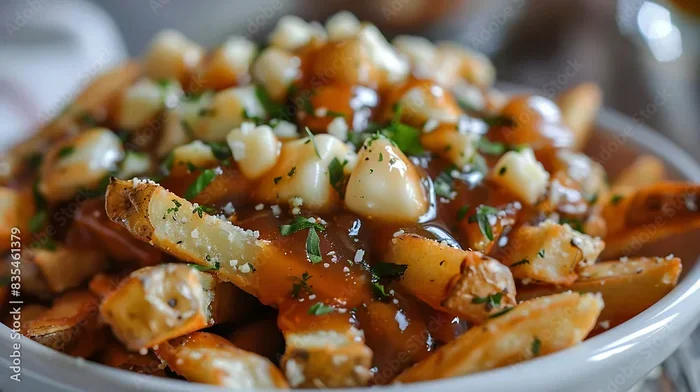
Wondering how to say poutine? This guide covers the correct pronunciation, meaning, and origin of this famous Canadian dish. You will learn the proper way to say poutine, understand its French roots, and discover why cheese curds and gravy make it so special. How to say poutine is simpler than you think once you break it down.
Key Takeaways
- Pronunciation: Poutine is pronounced “poo-teen,” not “poo-tin.”
- Origin: The word comes from French and means a mess or pudding.
- Canadian Icon: Poutine is a beloved comfort food from Quebec, Canada.
- Simple Recipe: It is made with fries, cheese curds, and brown gravy.
- Fun Fact: Poutine has inspired countless variations worldwide.
- Easy to Say: Once you hear it a few times, saying poutine becomes second nature.
📑 Table of Contents
- Everything You Need to Know About How to Say Poutine
- The Correct Way to Say Poutine
- The Meaning and Origin of Poutine
- How to Say Poutine in Different Contexts
- Common Mistakes When Saying Poutine
- Quick Tips to Master the Pronunciation
- Why Poutine Has Become a Global Phenomenon
- Key Takeaways
- Conclusion
Everything You Need to Know About How to Say Poutine
Have you ever heard the word poutine and wondered how to say it correctly? You are not alone. Many people around the world see this word and feel unsure about the pronunciation. The good news is that learning how to say poutine is quick and easy. In this guide, we will walk you through everything you need to know.
Poutine is a famous Canadian dish made with crispy fries, fresh cheese curds, and rich brown gravy. But beyond the food itself, the word poutine carries a rich history. It comes from French Canadian culture and has a meaning that might surprise you. Whether you want to order it at a restaurant or just sound smart at a dinner party, this guide has you covered.
We will cover the pronunciation step by step. We will also explore the meaning, origin, and fun facts about poutine. By the end, you will feel confident saying this word out loud. Let us dive in and learn how to say poutine the right way.
Why Pronunciation Matters
Getting the pronunciation right matters more than you might think. When you travel or talk to people from different cultures, using the correct pronunciation shows respect. It also helps you communicate better. Imagine ordering food in a restaurant and getting it wrong because of pronunciation. That would be frustrating for everyone involved.
Many food words come from other languages. Poutine is one of them. The word has French roots, and understanding that helps you say it correctly. When you learn how to say poutine properly, you also learn a piece of Canadian culture. It is a small effort that makes a big difference.
Additionally, knowing the right pronunciation builds confidence. You will feel more comfortable using the word in conversations. Friends, family, and coworkers will notice your effort. It is a great way to show that you care about getting things right.
The Correct Way to Say Poutine
So, how do you actually say poutine? The correct pronunciation is “poo-teen.” It has two syllables. The first syllable sounds like “poo.” The second syllable sounds like “teen.” Put them together, and you get “poo-teen.” That is it. Simple, right?
Many people make the mistake of saying “poo-tin.” This is the most common error. The “t” at the end is not silent, but it is soft. It should not sound like the English word “tin.” Instead, think of it as a quick, gentle “n” sound at the end.
Here is a quick breakdown to help you:
- Poo — rhymes with “too” or “who”
- Teen — rhymes with “green” or “queen”
- Together: “Poo-teen”
Try saying it a few times out loud. Practice makes perfect. Once you get the rhythm down, it will feel natural. You can even use the translate to English in Hindi meaning tool on our site to explore how this word translates across languages and understand its roots better.
Listen and Repeat Method
The best way to learn any new pronunciation is to listen first. Find a video or audio clip of a native speaker saying poutine. Listen carefully. Then repeat what you hear. Do this several times until you feel comfortable.
You can also record yourself saying the word. Play it back and compare it to the original. This method works surprisingly well. It helps you hear the differences you might miss at first. Keep practicing, and soon saying poutine will feel effortless.
The Meaning and Origin of Poutine
Now that you know how to say poutine, let us talk about what it actually means. The word poutine comes from French. In Quebec French slang, it means a mess or a pudding. It was originally used to describe something that was not in good shape. Over time, the word took on a completely different meaning — and a much tastier one.
The dish itself originated in rural Quebec, Canada, in the late 1950s. There are several stories about who invented it. Some say a restaurant owner in Warwick, Quebec, first combined fries with cheese curds and gravy. Others believe it was a regular customer who made the request. No matter the origin story, one thing is clear. Poutine became a beloved Canadian dish very quickly.
The meaning of the word has evolved over the decades. Today, when people say poutine, they think of delicious comfort food. It represents warmth, community, and Canadian pride. The word has even spread beyond Canada and become popular worldwide.
Poutine in French
In French, the word poutine still carries its original slang meaning. However, when French speakers outside of Quebec hear the word, they often think of the dish. The French Canadian community played a huge role in popularizing poutine across the country. Today, you can find poutine on menus in every province of Canada.
Understanding the French origin helps you appreciate the dish even more. It also helps you remember how to say poutine correctly. The French influence is clear in both the pronunciation and the cultural significance of this beloved meal.
How to Say Poutine in Different Contexts
Pronouncing poutine is fairly straightforward, but context matters. Depending on where you are and who you are talking to, the way you say it might shift slightly. Let us explore some of these contexts.
In Canada
In Canada, especially in Quebec, people say poutine with a French Canadian accent. The “oo” sounds are slightly different from standard English. They are softer and more rounded. If you visit Canada and want to order poutine like a local, try to mimic this softer sound.
Canadians are very proud of their poutine. It is more than just food to them. It is a cultural symbol. When you visit a poutine restaurant in Montreal or Toronto, using the correct pronunciation will earn you some smiles. People appreciate the effort.
Outside of Canada
Outside of Canada, people often say poutine with a more anglicized accent. The “oo” sounds might be shorter. Some people even say “poo-tin” instead of “poo-teen.” Both versions are understood. But if you want to sound more authentic, stick with “poo-teen.”
In many countries, poutine has become a trendy food item. Food trucks, restaurants, and even fast food chains now offer their own versions. Knowing how to say poutine correctly gives you an edge when talking about this popular dish with friends or on social media.
You might also come across people asking about the translate to English in Hindi meaning of poutine, especially in multilingual communities where food terms are explored across cultures.
In Cooking and Recipe Discussions
If you are talking about poutine in a cooking context, the pronunciation stays the same. Whether you are discussing a poutine recipe or a poutine sauce, you still say “poo-teen.” The word does not change based on what you are talking about. It always refers to the same delicious dish.
Many food bloggers and chefs share poutine recipes online. They all use the same pronunciation. This makes it easy to follow along. You do not need to worry about variations in how to say the word when you are reading recipes or watching cooking videos.
Common Mistakes When Saying Poutine
Even though poutine is a simple word to say, people still make mistakes. Let us look at the most common ones so you can avoid them.
Mistake 1: Saying “Poo-Tin”
This is the number one mistake. Many people drop the “ee” sound at the end and say “poo-tin.” This sounds incorrect to native speakers. Remember, it is “poo-teen,” not “poo-tin.” The “een” ending is important.
Mistake 2: Stressing the Wrong Syllable
Some people put the stress on the wrong syllable. In “poo-teen,” both syllables get equal stress. It is not “POO-teen” or “poo-TEEN.” It is a balanced, even two-syllable word. Keep the rhythm steady and smooth.
Mistake 3: Adding Extra Sounds
Do not add extra sounds to the word. Some people say “poo-teen-ay” or “poo-teen-uh.” These are incorrect. The word is simply “poo-teen.” Keep it clean and short. Less is more here.
Mistake 4: Confusing It with Similar Words
Do not confuse poutine with other similar-sounding words. It is not “potato” or “potatin.” It is a unique word with its own sound. Keep the two syllables distinct and clear.
Quick Tips to Master the Pronunciation
Want to sound like a pro when you say poutine? Here are some quick tips that will help you master it fast.
- Break it into two parts: Say “poo” and then “teen” separately. Then blend them together.
- Use a mirror: Watch your mouth shape as you say each syllable. This helps with accuracy.
- Practice daily: Say poutine five times every morning. Repetition builds muscle memory.
- Listen to natives: Search for videos of people saying poutine in Quebec. Imitate their accent.
- Record yourself: Use your phone to record your pronunciation. Compare it with the original.
- Stay relaxed: Tension in your mouth makes pronunciation harder. Keep your jaw loose and relaxed.
These tips work for anyone learning how to say poutine. Whether you are a beginner or have tried before and struggled, give these a try. You will notice improvement quickly.
Why Poutine Has Become a Global Phenomenon
Poutine has traveled far beyond the borders of Canada. Today, you can find it on menus in the United States, the United Kingdom, Australia, and many other countries. Its rise in popularity is no accident. People love the combination of crispy fries, melty cheese curds, and savory gravy. It is the ultimate comfort food.
The dish has also inspired countless variations. Some restaurants add bacon, mushrooms, or pulled pork. Others create unique gravy flavors like truffle or spicy jalapeno. Despite all these variations, the core of poutine remains the same. It is still fries, cheese curds, and gravy. And the name stays the same too.
Understanding how to say poutine correctly connects you to this global food culture. It shows that you respect the dish and its roots. Whether you are a food lover, a traveler, or just someone who enjoys trying new things, knowing how to say poutine is a small but meaningful skill.
The dish has even inspired food festivals. Cities around the world host poutine festivals where chefs compete to create the best versions. These events celebrate the creativity and community that poutine brings. They also highlight the importance of getting the name right.
Key Takeaways
- Pronunciation: Poutine is pronounced “poo-teen,” not “poo-tin.”
- Origin: The word comes from French Canadian slang meaning a mess or pudding.
- Canadian Icon: Poutine is a beloved comfort food from Quebec, Canada.
- Simple Recipe: It is made with fries, cheese curds, and brown gravy.
- Global Reach: Poutine has become a popular dish worldwide with many creative variations.
- Easy to Say: Once you hear it a few times, saying poutine becomes second nature.
- Cultural Respect: Using the correct pronunciation shows respect for Canadian culture and heritage.
Conclusion
Learning how to say poutine is easier than most people think. The correct pronunciation is “poo-teen.” It has French roots and a rich history tied to Canadian culture. Whether you are ordering at a restaurant, talking about food with friends, or exploring Canadian cuisine, saying poutine correctly adds to the experience.
Remember the common mistakes to avoid. Do not say “poo-tin.” Keep both syllables even. Do not add extra sounds. With a little practice, you will say poutine like a native speaker. The tips and breakdowns in this guide make it simple and fun.
Poutine is more than just a dish. It is a cultural icon that brings people together. From its humble beginnings in Quebec to its global popularity today, poutine has come a long way. And now that you know exactly how to say it, you can enjoy this delicious comfort food with confidence. Go ahead, order your next poutine, and say it like a pro.
Frequently Asked Questions
Is poutine a French word?
Yes, poutine comes from French Canadian slang. In Quebec French, it originally meant a mess or pudding. The word has since become famous worldwide as the name of a delicious dish.
How do you say poutine in English?
In English, poutine is pronounced “poo-teen.” It is a borrowed word from French Canadian culture. The pronunciation stays the same whether you are speaking English or French.
What is the correct way to say poutine?
The correct way is “poo-teen” with two equal syllables. The first sounds like “poo” and the second like “teen.” Avoid saying “poo-tin” as that is a common mistake.
Why do people mispronounce poutine?
People often mispronounce poutine because the spelling looks similar to English words like “tin” or “potato.” The French origin of the word is not always obvious to English speakers. That is why it sounds different from what many expect.
Can you say poutine anywhere in the world?
Absolutely. Poutine has become a global dish. Whether you are in Canada, the United States, Europe, or Asia, you can find poutine on many menus. And now you know exactly how to say it no matter where you are.
What does poutine taste like?
Poutine tastes savory and rich. The crispy fries are topped with squeaky cheese curds and warm brown gravy. It is a comfort food that combines crunchy, creamy, and savory flavors in every bite.