
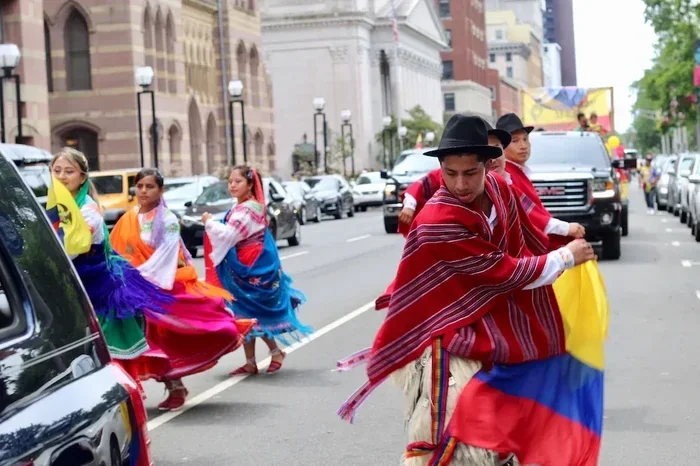
Learning how to say hello in Ecuador opens doors to real connections with friendly Ecuadorian people. From the classic hola to casual slang like qué tal, you will find the perfect greeting for every situation. This guide covers formal and informal greetings, regional variations, and cultural tips so you can sound like a local from your very first hello.
Visiting Ecuador for the first time can feel exciting and a little nerve-wracking. You might worry about getting around, ordering food, or making conversation. But here is the good news. One of the easiest ways to break the ice is by learning how to say hello in Ecuador. A simple greeting can make someone smile, open a shopkeeper’s register, or start a lifelong friendship.
Ecuador is a small but incredibly diverse country. You will find different cultures, languages, and traditions depending on where you go. The coast, the highlands, and the Amazon region all have their own flair. And with that diversity comes a variety of ways people greet each other. Whether you are traveling for tourism, business, or to visit family, knowing the right Ecuadorian greetings will make your experience so much better.
This guide will walk you through every common greeting you need. We will cover the basics, the slang, and even how people say hello over text. By the end, you will feel confident walking up to anyone and giving them a warm Ecuadorian-style hello. So let us dive in and explore the wonderful world of greetings in this beautiful country.
Key Takeaways
- Hola is universal: Every Ecuadorian understands hola, and it works in any setting.
- Buenos días, buenas tardes, and buenas noches show respect: Use these in formal or polite situations.
- Qué tal is the go-to casual greeting: Perfect for friends, peers, and everyday interactions.
- Regional slang varies by area: Coastal, highland, and Amazonian Ecuador each have unique expressions.
- Body language matters as much as words: A handshake, cheek kiss, or wave carries cultural meaning.
- Text greetings differ from face-to-face: Young Ecuadorians use slang and abbreviations when messaging.
- Practice makes perfect: Using these greetings confidently will make your trip more enjoyable and authentic.
📑 Table of Contents
- Why Greetings Matter So Much in Ecuador
- The Most Common Ways to Say Hello in Ecuador
- Informal and Slang Greetings You Will Hear
- Formal vs Informal Greetings: When to Use What
- Cultural Tips for Greeting People in Ecuador
- How People Say Hello Over Text and WhatsApp
- Quick Tips to Sound Like a Local
- Common Mistakes to Avoid When Greeting in Ecuador
- Key Takeaways
- Final Thoughts
Why Greetings Matter So Much in Ecuador
In many countries, people rush through greetings and move straight to the point. Ecuador is not like that. Greetings carry real weight here. When you greet someone properly, you show respect, warmth, and genuine interest. Ecuadorians value personal connections, and a good hello sets the tone for every interaction.
Think about it this way. When someone takes the time to greet you in your own language, how does it feel? It makes you feel seen and valued. The same principle applies in Ecuador. Even if your Spanish is not perfect, making the effort to greet people the right way will earn you respect and kindness in return.
Greetings in Ecuador also reflect the country’s culture of community and family. People are generally warm, expressive, and social. A quick buenos días in the morning or a friendly qué tal in the afternoon is more than just a formality. It is a small gesture that says, “I see you, and I am glad you are here.”
The Most Common Ways to Say Hello in Ecuador
Now let us get into the heart of the matter. Here are the most common greetings you will hear and use every day in Ecuador. Each one has its own vibe and best use case.
Hola – The Universal Greeting
Hola is the king of greetings in Ecuador. Just like in most Spanish-speaking countries, hola works everywhere. It is casual, friendly, and understood by people of all ages. Whether you are walking into a market, entering a restaurant, or meeting a new acquaintance, hola is your safe and reliable go-to.
The beauty of hola is its simplicity. You do not need to worry about the time of day or the level of formality. It fits every situation. Pair it with a smile and a friendly tone, and you are already off to a great start. If you are wondering how to translate to english in hindi meaning of this simple word, it is just “hello” — but in Ecuador, it carries much more warmth than a basic English hello.
Buenos Días, Buenas Tardes, and Buenas Noches
These three phrases are the formal greetings of Ecuador. They translate to good morning, good afternoon, and good night, respectively. Here is how and when to use each one.
- Buenos días: Use this from early morning until around noon. It is polite and respectful, especially when speaking to older people or in professional settings.
- Buenas tardes: Use this from noon until sunset. It works perfectly for afternoon meetings, store visits, or greeting neighbors.
- Buenas noches: Use this after sunset or when saying goodbye at night. It also works as a polite way to end a conversation.
These greetings are slightly more structured than a simple hola. They show that you understand Ecuadorian social norms and are making an effort to be polite. In formal situations like business meetings, government offices, or visiting someone’s home for the first time, these are the greetings to use.
Qué Tal – The Casual Check-In
If you want to sound natural and relaxed, qué tal is your best friend. It translates roughly to “what’s up” or “how’s it going.” Ecuadorians use qué tal all the time with friends, coworkers, and even strangers in casual settings.
You can say qué tal when you bump into someone at the grocery store, when you sit down at a café, or when you start a conversation with someone new. The typical response is just as simple. People might say todo bien (all good), muy bien (very good), or simply bien, ¿y tú? (good, and you?).
This greeting is so common that you will hear it in almost every casual interaction. It is the Ecuadorian equivalent of a friendly wave and a great way to blend in with the locals.
Aló – The Phone Greeting
When answering the phone in Ecuador, aló is the standard greeting. It is the equivalent of “hello” on a phone call. You will also hear people say diga or dígame, which mean “hello” or “may I speak.” These are especially common in more formal phone conversations or when answering a call from someone you do not know well.
If you are calling an Ecuadorian business or a friend’s family, starting with aló or buenos días, aló is the right move. It shows courtesy and gets the conversation off on the right foot.
Informal and Slang Greetings You Will Hear
Once you have the basics down, it is time to explore the fun side of Ecuadorian slang greetings. These expressions are especially popular among younger people and in casual settings. Using them will instantly make you sound more like a local.
Qué Onda and Other Youth Slang
Among Ecuadorian youth, especially in cities like Quito and Guayaquil, you will hear qué onda tossed around. This slang phrase comes from Mexican Spanish but has spread across Latin America, including Ecuador. It means something like “what’s up” or “what’s going on.”
Other casual greetings you might encounter include:
- ¿Qué hubo? – Meaning “what’s up?” or “what’s new?” This is very common in casual conversations.
- ¿Qué más? – Meaning “what else?” or “what’s new?” A simple and friendly way to start a chat.
- ¿Cómo va todo? – Meaning “how’s everything going?” A slightly warmer and more personal option.
- ¿Cómo estás? – Meaning “how are you?” A classic and always-appropriate question after a greeting.
These slang greetings work best with people your age or in relaxed settings. If you are unsure whether to use them, start with a standard greeting and let the other person guide the tone of the conversation.
Regional Variations Across Ecuador
Ecuador is small, but its regional differences are real. Depending on where you are, you might hear greetings that are unique to that area.
On the coastal region, people tend to be very warm and expressive. Greetings are often longer and more animated. You might hear people greet each other with full sentences about their families, the weather, or the latest news. The pace is slower, and the warmth is genuine.
In the highland region, around cities like Quito and Cuenca, greetings can feel a bit more reserved at first. But once you build rapport, highland Ecuadorians are just as friendly. The formal greetings like buenos días are used more frequently here, especially in smaller towns.
In the Amazonian region, indigenous cultures add another layer of diversity. Some communities may greet each other in Kichwa, the indigenous language. While most people in these areas also speak Spanish, hearing a Kichwa greeting is a beautiful reminder of Ecuador’s rich cultural heritage.
When you travel between regions, you will notice these differences firsthand. Each area has its own greeting style, and embracing them shows respect for local culture.
Formal vs Informal Greetings: When to Use What
Knowing when to switch between formal and informal greetings is an important part of communicating respectfully in Ecuador. Here is a simple guide to help you choose the right one.
| Situation | Recommended Greeting | Tone |
|---|---|---|
| Meeting someone for the first time | Mucho gusto or Hola, buenos días | Polite and warm |
| Talking to an elder or authority figure | Buenos días, señor/señora | Respectful and formal |
| Chatting with a friend or peer | Qué tal or Hola, ¿cómo estás? | Casual and friendly |
| Entering a store or business | Buenas tardes or Hola | Friendly and polite |
| Answering a phone call | Aló or Buenos días, aló | Neutral and courteous |
| Texting a friend | Holi or Qué hubo | Casual and playful |
As a general rule, when in doubt, lean toward formality. Ecuadorians appreciate politeness, and it is always better to be slightly more formal than too casual. Over time, you will naturally learn when to relax your tone and switch to informal greetings.
Cultural Tips for Greeting People in Ecuador
Greetings in Ecuador are not just about words. Your body language, eye contact, and even your physical proximity all send a message. Here are some cultural tips to keep in mind.
Handshake: A firm but friendly handshake is the standard greeting in most formal and semi-formal situations. Make eye contact and smile. This shows confidence and respect.
Cheek kiss: In casual settings, especially among women or between men and women, a single cheek kiss is very common. It is not romantic — it is simply a sign of warmth and friendship. Men typically do not cheek-kiss each other unless they are close friends or family.
Physical proximity: Ecuadorians tend to stand closer during conversations than people from some other cultures. This is not meant to be intrusive. It is simply a sign of engagement and friendliness. Do not step back or create distance — it might come across as cold.
Smile often: Ecuadorians smile a lot during greetings and conversations. A genuine smile goes a long way in building rapport and making people feel comfortable around you.
Use titles when appropriate: In formal settings, addressing someone as señor, señora, or usted shows respect. Many older Ecuadorians appreciate being addressed with the formal usted rather than the informal tú. When in doubt, start with usted and let the other person suggest switching to tú.
These cultural nuances make a big difference. They show that you are not just learning words — you are making an effort to understand and respect Ecuadorian culture. And that effort will always be appreciated.
How People Say Hello Over Text and WhatsApp
WhatsApp is huge in Ecuador. Almost everyone uses it for personal and business communication. And just like in face-to-face conversations, greetings over text have their own flavor. Young Ecuadorians often use shortened and playful versions of standard greetings when messaging.
For example, instead of writing hola, you might see holi or holis in a text message. Instead of buenos días, someone might simply write bd or buenas. These shortcuts are quick, casual, and very common in everyday texting.
When texting someone you do not know well, it is still best to use the full greeting. You can always switch to a more casual tone once the conversation flows. And if you are curious about how text abbreviations work in different languages, you might find it interesting to learn about wyo meaning in text as a fun example of how shorthand greetings evolve in digital communication across cultures.
Also, keep in mind that Ecuadorians tend to respond to messages quickly. A greeting over WhatsApp often leads to a longer conversation, so be prepared to chat. Using a warm and friendly opening like ¡Hola! ¿Cómo estás? is a great way to start any text conversation.
Sometimes, you might want to use a phrase that means “in place of” a standard greeting or expression. Understanding the in lieu of meaning of certain phrases helps you grasp why Ecuadorians choose one greeting over another in different social contexts.
Quick Tips to Sound Like a Local
Want to really impress the people you meet in Ecuador? Here are some quick tips that will help you sound like a local in no time.
- Practice your pronunciation: Spanish has some sounds that do not exist in English. Spend a few minutes each day practicing greetings out loud. Focus on the rolled R and the clear vowels.
- Watch Ecuadorian TV shows and videos: Listening to how Ecuadorians actually speak will train your ear and improve your natural delivery.
- Do not be afraid to make mistakes: Ecuadorians are incredibly patient and kind. They will appreciate your effort, even if your grammar is not perfect.
- Learn a few regional phrases: If you know which part of Ecuador you are visiting, learn a greeting or two specific to that region. It shows genuine interest and curiosity.
- Match the energy of the person you are greeting: If they are warm and expressive, match that energy. If they are more reserved, keep your greeting calm and polite.
- Use gestures naturally: A small wave, a nod, or a hand on your heart can add warmth to any greeting. These small touches make a big impression.
These tips might seem small, but they add up. Over time, you will find that your greetings feel more natural and effortless. People will respond to your warmth, and you will build connections that go beyond a simple hello.
Common Mistakes to Avoid When Greeting in Ecuador
Even the best travelers make mistakes. Here are a few common ones to watch out for when you are learning how to greet people in Ecuador.
- Using only English greetings: While many Ecuadorians in tourist areas speak some English, relying only on English can come across as dismissive. Always try to greet in Spanish first.
- Being too formal with friends: Using usted or buenos días with a close friend can feel stiff and awkward. Read the room and adjust your tone.
- Skipping the greeting entirely: In Ecuador, jumping straight into a question or request without a greeting is considered rude. Always greet first, even if it is just a quick hola.
- Ignoring body language: A greeting without a smile or eye contact can feel cold. Pair your words with warm body language for the best effect.
- Overusing slang: Slang greetings are fun, but using them with the wrong person or in the wrong setting can feel forced. Save them for casual, friendly interactions.
Avoiding these mistakes will help you navigate social situations with confidence and grace. And remember, most Ecuadorians will be forgiving and encouraging, even if you stumble a little.
Key Takeaways
- Hola is universal: Every Ecuadorian understands hola, and it works in any setting.
- Buenos días, buenas tardes, and buenas noches show respect: Use these in formal or polite situations.
- Qué tal is the go-to casual greeting: Perfect for friends, peers, and everyday interactions.
- Regional slang varies by area: Coastal, highland, and Amazonian Ecuador each have unique expressions.
- Body language matters as much as words: A handshake, cheek kiss, or wave carries cultural meaning.
- Text greetings differ from face-to-face: Young Ecuadorians use slang and abbreviations when messaging.
- Practice makes perfect: Using these greetings confidently will make your trip more enjoyable and authentic.
Final Thoughts
Learning how to say hello in Ecuador is one of the simplest and most rewarding things you can do before your trip. It does not require fluency in Spanish or hours of study. A few simple phrases, a warm smile, and a genuine attitude are all you need to make a great first impression.
Whether you stick with the classic hola, impress someone with a qué tal, or try out a regional greeting, you are showing that you care about connecting with the people and culture of Ecuador. And that is what travel is all about.
So the next time you step off the plane in Quito, walk through the streets of Guayaquil, or explore a small town in the Andes, remember these greetings. Say them with confidence, say them with a smile, and watch how the world opens up to you. Saying hello in Ecuador is your first step to an unforgettable adventure.
Start practicing today. Say hola out loud. Try qué tal in the mirror. And when you arrive in Ecuador, you will be ready to greet everyone you meet like a true local. The people of Ecuador are warm, welcoming, and eager to share their culture. All you have to do is say hello.
Frequently Asked Questions
What is the most common way to say hello in Ecuador?
The most common way to say hello in Ecuador is simply hola. It is universal, works in every situation, and is understood by people of all ages. Pair it with a smile for the best effect.
Is it rude to greet someone in English in Ecuador?
Not necessarily rude, but it can come across as impersonal. Ecuadorians appreciate it when visitors make the effort to greet them in Spanish. Even a simple hola or buenos días goes a long way in showing respect.
What is the difference between tú and usted in Ecuador?
Tú is the informal way to address someone, like using “you” casually. Usted is the formal version, used with elders, authority figures, or people you do not know well. When in doubt, start with usted and let the other person guide the conversation.
Do people in Ecuador kiss when greeting?
Yes, in casual settings, a single cheek kiss is very common, especially between women or between men and women. It is a sign of warmth and friendship, not romance. Handshakes are standard in formal situations.
What do young Ecuadorians text when saying hello?
Young Ecuadorians often use shortened versions like holi, qué hubo, or bd for buenos días in text messages. These are casual and playful, reflecting the informal tone of digital communication among friends.
Are there indigenous greetings in Ecuador?
Yes, in indigenous communities, especially in the Amazonian region, people may greet each other in Kichwa, the indigenous language. While Spanish is widely spoken, hearing a Kichwa greeting is a beautiful part of Ecuador’s cultural diversity.