
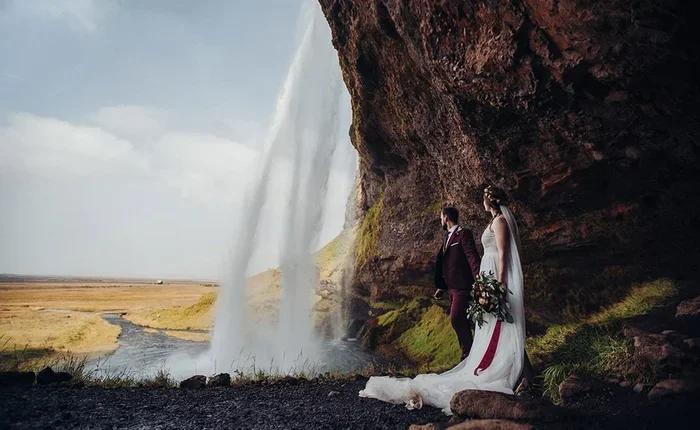
Learning how to say I love you in Icelandic opens up a world of romantic expression in one of the most beautiful and ancient languages on Earth. The Icelandic language carries deep cultural roots, and its words for love are rich with history and emotion. In this guide, you will discover the exact phrases, pronunciation tips, and cultural context you need to express your feelings like a native speaker and truly win someone over.
When you want to express deep affection in a foreign language, few experiences feel as magical as learning how to say I love you in Icelandic. The Icelandic language is ancient, poetic, and full of emotional depth. It is spoken by a small but proud population on a remote island in the North Atlantic. The words carry a weight and beauty that can make any romantic gesture feel extraordinary.
If you are planning to tell someone special about your feelings, knowing the right phrases can make all the difference. This guide covers everything from basic translations to cultural insights and practical tips. You will walk away with the tools to express love in Icelandic with confidence and authenticity. Whether you are in a long-distance relationship with an Icelandic partner or simply fascinated by the language, this article has something valuable for you.
Key Takeaways
- ég elska þig is the most common and widely used way to say I love you in Icelandic
- Understanding Icelandic culture is essential before expressing love directly, as Icelanders value sincerity over grand gestures
- Pronunciation matters in Icelandic, and small letter changes like þ and ð can alter meaning significantly
- Multiple phrases exist for different levels of romantic intensity, from casual to deeply emotional
- Texting and casual expressions offer fun, modern alternatives to traditional phrases for everyday use
- Avoid common mistakes like overusing the phrase or ignoring cultural norms around emotional expression
📑 Table of Contents
- The Icelandic Language and Love
- How to Say I Love You in Icelandic: The Essential Phrases
- The Cultural Context of Love in Iceland
- Pronunciation Guide for Icelandic Love Phrases
- Texting and Modern Ways to Say I Love You in Icelandic
- Alternative Ways to Express Love in Icelandic
- Common Mistakes to Avoid When Saying I Love You in Icelandic
- Quick Tips for Winning Someone Over with Icelandic Love Words
- Conclusion
The Icelandic Language and Love
The Icelandic language has remained remarkably unchanged over the centuries. It descends from Old Norse, the language of the Viking settlers who arrived on the island over a thousand years ago. Because of this, modern Icelanders can still read the ancient sagas with relative ease. The language feels timeless, and its words for love reflect that deep historical connection.
Icelandic is part of the North Germanic language family, but it has evolved far more slowly than its Scandinavian cousins like Swedish or Danish. This makes it a unique window into the past. When you learn to express love in Icelandic, you are tapping into a linguistic tradition that has survived centuries of change. The icelandic love language is not just about vocabulary. It is about a whole worldview that values depth, loyalty, and quiet intensity.
Why Icelandic Love Words Feel So Powerful
When you say ég elska þig, you are not just translating a phrase. You are connecting with centuries of tradition and emotion. Icelandic speakers tend to be reserved with their feelings. This makes a direct expression of love all the more meaningful. The language itself has a melodic quality that lends a certain gravity to romantic words.
The Icelandic word for love, ást, carries a deep and enduring meaning. It is not a casual word. Icelanders use it to describe profound, committed affection. Understanding this distinction helps you choose the right phrase for the right moment. The romantic icelandic expressions you will learn below are rooted in this cultural understanding of love as something serious and enduring.
How to Say I Love You in Icelandic: The Essential Phrases
Now let us get to the heart of the matter. There are several ways to express love in Icelandic, and each carries a slightly different tone and intensity. Here are the most important phrases you should know.
ég elska þig
This is the standard and most widely used way to say I love you in Icelandic. It translates directly to “I love you.” The pronunciation is roughly “ayg EL-skah theeg.” The word “elska” means “love,” and “þig” means “you.” This phrase works in almost any romantic context and is universally understood by Icelandic speakers.
If you are looking for a reliable and heartfelt way to declare your feelings, this is the phrase to use. It is simple, direct, and carries enormous emotional weight in Icelandic culture. You can use it in person, in a handwritten letter, or even in a text message. It never goes out of style.
ég á ást fyrir þig
This phrase means “I have love for you.” It is a slightly more poetic and formal way to express your feelings. Pronounce it as “ayg ow awsth feer thig.” This version works well when you want to sound more thoughtful and deliberate with your words. It gives your declaration a sense of depth and intention.
þú ert ég lifa af
This is a deeply emotional phrase that means “You are the one I live for.” It is intense and personal. Use it when you want to convey that someone is essential to your life. The pronunciation is roughly “thoo art ay LEE-vah ah.” This phrase shows a level of commitment that goes beyond a simple declaration. It tells the other person that their presence gives your life meaning and purpose.
ég sakna þig
This phrase means “I miss you.” It is not exactly “I love you,” but it is a close and tender expression of deep affection. Icelanders use this phrase frequently in long-distance relationships. If you want to express longing and love at the same time, this is a beautiful choice. You can also explore playful ways to express missing someone through Miss You Puns if you want to add a lighter touch to your messages.
Using “ég sakna þig” shows vulnerability and emotional honesty. It tells someone that their absence is felt deeply. This phrase bridges the gap between friendship and romantic love, making it a versatile addition to your Icelandic vocabulary.
The Cultural Context of Love in Iceland
Icelandic culture values sincerity and authenticity above all else. When it comes to matters of the heart, Icelanders tend to be straightforward but not overly expressive. Public displays of affection are not common, and grand romantic gestures can sometimes feel out of place. Understanding this cultural backdrop is crucial if you want your words to land the right way.
Reserved but Deep Feelings
Icelanders are generally reserved in how they show emotion. This does not mean they feel less deeply. On the contrary, Icelanders often feel very intensely but prefer to express love through actions rather than words. If you are in a relationship with an Icelandic person, do not expect constant verbal declarations of love. Instead, focus on consistency, loyalty, and thoughtful gestures.
The icelandic culture around romance is built on trust and quiet devotion. A person who shows up consistently and treats you with respect is speaking the truest love language. Your efforts to learn their language and express feelings in their native tongue will be deeply appreciated, even if they do not say it back right away.
Avoiding Love Bombing
It is also important to understand the difference between genuine affection and overwhelming displays of emotion. The concept of love bombing meaning refers to showering someone with excessive attention and declarations early in a relationship. Icelanders tend to value slow and steady emotional growth. If you overwhelm someone with too many intense expressions too soon, it may come across as insincere.
Take your time. Let the relationship develop naturally. When you eventually say ég elska þig, it will carry the full weight of genuine feeling. That is what makes Icelandic expressions of love so powerful when done right.
Pronunciation Guide for Icelandic Love Phrases
Icelandic pronunciation can be tricky for English speakers. The alphabet includes letters like ð (eth) and þ (thorn), which do not exist in English. Here is a simple guide to help you sound more natural when you say these phrases.
Key Pronunciation Tips
- Þ (thorn) sounds like the “th” in “think” or “thank.”
- Ð (eth) sounds like the “th” in “the” or “this.”
- Ll is pronounced as a soft “tl” sound, almost like a gentle lisp.
- R in Icelandic is rolled, similar to Spanish or Italian pronunciation.
- Vowels are pure and not diphthongized like in English.
Practice these sounds slowly at first. Once you feel comfortable, try saying the full phrases out loud. The rhythm of Icelandic has a musical quality, and getting the pronunciation right will make your words feel even more special. If you are curious about how translation works between languages, you can also explore resources on Translate To English In Hindi Meaning for more examples of how love phrases differ across cultures.
Texting and Modern Ways to Say I Love You in Icelandic
In today’s digital age, texting has become a primary way people express affection. If you are chatting with someone in Icelandic, you might want to use shorter or more casual phrases. Here are some modern ways to keep the romantic energy alive through text messages.
Casual Texting Phrases
- ég sakna þig – I miss you (works great in texts)
- þú er svona falleg – You are so beautiful
- ég vil sjá þig – I want to see you
- þú er best – You are the best
When texting, Icelanders tend to keep things simple and genuine. You do not need fancy emojis or elaborate messages. A heartfelt phrase in Icelandic will stand out and feel incredibly personal. If you are curious about how abbreviations work in texting across languages, you can also check out Wyo Meaning In Text to understand how texting shorthand varies around the world.
Using Emojis and Playful Language
While Icelandic culture values sincerity, a well-placed emoji can add warmth to a text message. Pair a romantic Icelandic phrase with a heart emoji or a simple smiley face. This combination shows that you put thought into the message while keeping the tone light and approachable. The key is balance. Let the Icelandic phrase carry the emotional weight, and use emojis as a supplement, not a replacement.
Alternative Ways to Express Love in Icelandic
Sometimes the direct “I love you” phrase does not feel right for the moment. Maybe you want to be more subtle, or perhaps the situation calls for something different. Icelanders have several alternative expressions that convey deep affection without being overly direct.
In Lieu of Direct Declarations
If you are not ready to say “I love you” but want to express strong feelings, you can use phrases that imply love without stating it outright. Understanding what in lieu of meaning can help you choose words that feel right for the moment. Here are some alternatives:
- Þú ég alltaf vil vera með – I always want to be with you
- Þú skilar mér gleði – You bring me joy
- Ég þakkar guð fyrir þig – I thank God for you
- Þú er mitt heimili – You are my home
These phrases carry deep emotional weight without the directness of a love declaration. They are perfect for building up to a bigger moment or for expressing feelings in a more understated way. Each one speaks to a different aspect of love: companionship, happiness, gratitude, and belonging.
Terms of Endearment in Icelandic
Icelanders use sweet terms of endearment in everyday conversation. Some common ones include:
- mín skáld – my poet (a term of deep affection)
- mín stjerne – my star
- blessaður – blessed (used to describe someone you cherish)
Using these terms in casual conversation shows that you think of the person often and hold them in high regard. They work beautifully in both spoken and written communication. These icelandic terms of endearment add warmth and familiarity to any relationship, whether it is new or long-standing.
Common Mistakes to Avoid When Saying I Love You in Icelandic
Learning a new language is full of pitfalls, and Icelandic is no exception. Here are some common mistakes that learners make when trying to express love in Icelandic.
Mistake 1: Mispronouncing Key Words
The Icelandic letters þ and ð are unique to the language. Mispronouncing them can change the meaning of a word entirely. Take your time and practice the sounds before using them in a real conversation. A small pronunciation error might confuse the listener or make the phrase sound awkward.
Mistake 2: Using the Wrong Level of Formality
Icelandic has formal and informal ways of addressing people. When speaking to a romantic partner, use the informal “þú” (you). Using the formal “þér” in a romantic context can feel distant and awkward. Match the level of formality to the closeness of your relationship.
Mistake 3: Overdoing It
Icelanders value authenticity. Saying “ég elska þig” too frequently can dilute its meaning. Save this phrase for moments that truly matter, and it will carry more weight and sincerity. Less is often more when it comes to expressing love in Icelandic.
Mistake 4: Ignoring Cultural Norms
As mentioned earlier, Icelandic culture is reserved when it comes to emotional expression. Saying “I love you” too early in a relationship or in a public setting may make the other person uncomfortable. Read the room and let the relationship develop naturally. Patience is one of the most attractive qualities in Icelandic culture.
Quick Tips for Winning Someone Over with Icelandic Love Words
If you are serious about using Icelandic love phrases to impress someone, here are some quick tips that will help you succeed.
- Practice the pronunciation daily. Even five minutes a day can make a huge difference in how natural you sound.
- Start with simple phrases. Begin with “ég elska þig” and work your way up to more complex expressions as your confidence grows.
- Use the phrases in context. Do not just memorize words. Practice saying them in sentences that feel natural to you and your situation.
- Learn about Icelandic culture. Understanding the values and traditions behind the language will make your expressions feel more genuine and respectful.
- Be patient and sincere. Icelanders appreciate patience and authenticity more than grand gestures or rehearsed lines. Let your words reflect your true feelings.
These tips will help you use how to say I love you in Icelandic phrases in a way that feels natural, respectful, and deeply meaningful. The effort you put into learning will not go unnoticed.
Conclusion
Learning how to say I love you in Icelandic is more than just a language exercise. It is a journey into a rich cultural tradition that values sincerity, depth, and genuine connection. The phrases you have learned in this guide give you a strong foundation for expressing love in one of the world’s most beautiful and ancient languages.
Whether you choose the classic “ég elska þig” or a more subtle alternative, the key is to speak from the heart. Icelanders appreciate authenticity, and your effort to learn their language will mean more than you can imagine. Take your time, practice the phrases, and let the words carry the weight of your true feelings.
Love is a universal language, and Icelandic gives it a unique and powerful voice. Use these phrases wisely, and you will not just say “I love you” — you will make it unforgettable. Let the magic of the Icelandic language help you win someone over and build a connection that lasts.
Frequently Asked Questions
What is the most common way to say I love you in Icelandic?
The most common way is “ég elska þig,” which directly translates to “I love you.” It is widely used in romantic contexts and is understood by all Icelandic speakers. This phrase carries sincerity and warmth, making it the go-to choice for most people looking to express their feelings.
Is Icelandic a difficult language to learn for expressing love?
Icelandic has a unique alphabet and pronunciation that can be challenging at first. However, the love phrases themselves are relatively short and straightforward. With consistent practice and attention to pronunciation, you can learn to say them naturally in just a few weeks of regular study.
Do Icelanders say I love you often?
Icelanders tend to be more reserved with verbal expressions of love. They often show affection through actions rather than words. Saying “ég elska þig” carries significant weight in Icelandic culture, so it is typically reserved for meaningful moments rather than everyday use.
Can I use Icelandic love phrases in a text message?
Absolutely. Icelandic love phrases work beautifully in text messages. Short and heartfelt phrases like “ég sakna þig” or “þú er svona falleg” are perfect for texting. They show effort and thoughtfulness, which will surely make the other person smile and feel cherished.
Are there any informal or playful ways to say I love you in Icelandic?
Yes, you can use casual phrases like “þú er best” (you are the best) or “ég sakna þig” (I miss you) in informal settings. These phrases feel natural and warm without being overly intense. They work well for everyday conversations and lighthearted moments between partners.
What should I avoid when saying I love you in Icelandic?
Avoid overusing the phrase “ég elska þig,” as it can lose its meaning if said too often. Also, avoid using formal language with a romantic partner, and be mindful of cultural norms around public displays of affection. Sincerity and timing matter more than the exact words you choose.