
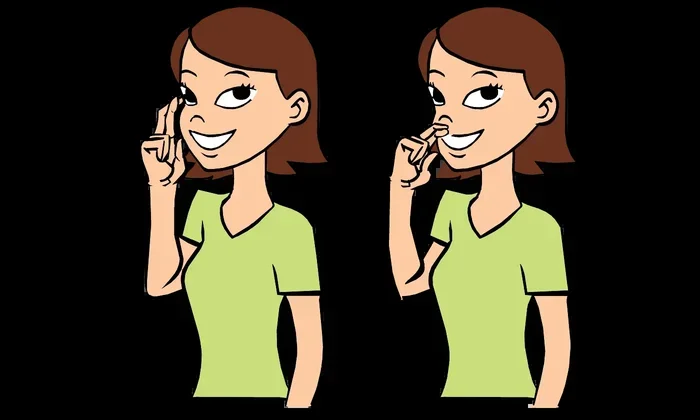
Discover how to say rat in sign language using simple hand gestures and movements. This guide walks you through the exact hand shapes, positions, and tips for mastering the rat sign in American Sign Language. Whether you are a beginner, a parent teaching kids, or a sign language enthusiast, you will find practical steps and helpful advice to communicate this common animal sign with confidence.
Have you ever wondered how to say rat in sign language? Maybe you are teaching your child about animals, or perhaps you just love learning new ways to communicate. Whatever your reason, this guide has you covered. We will walk you through every step, tip, and trick you need to master the rat sign in American Sign Language.
Sign language is a beautiful and powerful form of nonverbal communication. It uses hand shapes, movements, and facial expressions to convey meaning. Unlike spoken language, it relies entirely on visual cues. This makes it accessible to people of all ages and backgrounds. The deaf community has used sign language for centuries, and it continues to grow in popularity among hearing people too.
Learning animal signs is one of the most fun parts of picking up sign language. Animal signs are visual, memorable, and easy to practice. The rat sign is no exception. It is simple, intuitive, and perfect for beginners. Let us dive in and learn how to do it.
Key Takeaways
- Easy Hand Shape: The rat sign uses a simple claw-like hand shape that is easy to learn and remember.
- Two-Step Movement: You pinch your fingers near the nose and pull them forward to complete the sign.
- Great for Kids: Baby sign language learners and young children pick up the rat sign quickly with practice.
- Part of Animal Signs: The rat sign belongs to a larger family of animal signs in ASL that share similar techniques.
- Builds Nonverbal Skills: Learning this sign strengthens your overall nonverbal communication abilities.
- Useful in Daily Life: You can use the rat sign in stories, education, and everyday conversations with deaf friends.
📑 Table of Contents
- What Is Sign Language and Why Does It Matter?
- How to Say Rat in Sign Language: Step-by-Step
- Common Mistakes When Learning the Rat Sign
- Animal Signs in ASL: The Rat in Context
- Practice Strategies for Mastering the Rat Sign
- Why Learning the Rat Sign Is More Than Just a Gesture
- Final Thoughts on How to Say Rat in Sign Language
What Is Sign Language and Why Does It Matter?
Sign language is a full-fledged language that uses hand gestures, body language, and facial expressions. It is not just a simplified version of spoken English. In fact, American Sign Language, or ASL, has its own grammar, syntax, and structure. It is a complete and rich language used by millions of people around the world.
Many people think sign language is only for deaf individuals. That is not true. Hearing people use it too. Parents teach babies basic signs before they can speak. Teachers use it in classrooms. Friends use it to communicate quietly. And language enthusiasts learn it as a second language. The sign language basics are easy to start with, and animal signs like the rat sign are a great entry point.
One of the best things about sign language is that it transcends spoken language barriers. When you learn how to sign a word, you are not just learning a gesture. You are connecting with a whole culture and community. The deaf culture is vibrant, diverse, and full of history. Every sign you learn is a bridge to better understanding.
How Sign Language Differs From Spoken Language
Spoken language relies on sound. Sign language relies on sight. This fundamental difference shapes everything about how we communicate. Here are some key differences:
- Modality: Spoken language is auditory. Sign language is visual.
- Grammar: ASL grammar differs from English grammar in word order and sentence structure.
- Facial Expressions: In sign language, your face acts as a verb tense marker and emotional indicator.
- Speed: Sign language can be fast or slow depending on the signer and context.
Understanding these differences helps you appreciate the complexity and beauty of sign language. It also reminds you that hand movements carry real meaning and weight.
How to Say Rat in Sign Language: Step-by-Step
Now let us get to the exciting part. Learning how to say rat in sign language is straightforward. The rat sign in ASL involves two main actions: a pinching motion near the nose and a forward pulling movement. Let us break it down.
Step 1: Form the Hand Shape
Start with your dominant hand. Extend your index finger and thumb so they form a circle or pinch. Keep your other three fingers extended and slightly apart. This claw-like shape is the foundation of the rat sign. Think of it as a little rat face with two sharp whiskers.
The hand shapes in sign language are crucial. Each shape represents a specific meaning. For the rat sign, the pinch represents the rat’s nose and whiskers. Keep your hand relaxed and your movements smooth.
Step 2: Position Your Hand Near Your Nose
Bring your hand up to your nose. The pinched fingers should be close to your nostrils. This position represents the rat sniffing around. Your wrist should be loose and ready for the next movement.
Make sure your fingers are clearly visible. The sign needs to be seen from the front. If you are signing to someone across from you, they should clearly see the pinch near your nose area.
Step 3: Pull Forward
Now comes the dynamic part. Pull your hand forward and slightly downward away from your nose. This movement represents the rat scurrying forward. It is a quick, sharp motion that gives the sign its energy.
The forward pull is what makes the rat sign recognizable. Without it, the sign would just look like a pinch. The movement transforms it into a clear and meaningful animal sign.
Step 4: Add Facial Expression
Facial expressions are a key part of sign language. For the rat sign, you can add a slightly curious or mischievous expression. Raise your eyebrows slightly or purse your lips. This adds authenticity and helps convey the character of the animal.
Do not worry if your facial expressions feel awkward at first. They will become natural with practice. The sign language tutorial videos online can help you see how experienced signers use their faces alongside hand signs.
Quick Practice Checklist
- Form the pinch with your thumb and index finger.
- Bring the hand close to your nose.
- Pull the hand forward in one smooth motion.
- Add a playful facial expression.
- Repeat five times to build muscle memory.
Common Mistakes When Learning the Rat Sign
Everyone makes mistakes when learning a new sign. The good news is that most common errors are easy to fix. Here are the mistakes people make most often and how to avoid them.
Mistake 1: Using the Wrong Hand Shape
Some learners make a fist instead of a pinch. A fist does not look like a rat. The open pinch is essential because it represents the whiskers and nose of the animal. Keep your fingers clearly extended and separated.
Mistake 2: Forgetting the Forward Movement
The pull-forward motion is what turns a static hand shape into a living sign. If you just pinch near your nose without moving, the sign loses its meaning. Always include the forward scurrying action.
Mistake 3: Signing Too Slowly or Too Fast
Timing matters in sign language. If you move too slowly, the sign looks awkward. If you move too fast, it becomes unclear. Find a comfortable middle speed. Practice at a steady pace until it feels natural.
Mistake 4: Ignoring Facial Expressions
Sign language is not just about the hands. Your face tells part of the story. Without facial expressions, your signing can feel flat and incomplete. Smile, raise your eyebrows, or show curiosity as the sign demands.
Mistake 5: Not Practicing Enough
Like any new skill, sign language requires repetition. One practice session is not enough. Set aside five to ten minutes each day. Review old signs and learn new ones. Consistency is the key to fluency.
Quick Tips for Getting It Right
- Watch yourself in a mirror while signing to check your hand shape.
- Record yourself on video and compare it to online tutorials.
- Practice in front of a friend or family member for feedback.
- Use the rat sign in context, such as when reading a story about animals.
- Be patient with yourself. Every signer started as a beginner.
Animal Signs in ASL: The Rat in Context
The rat sign is part of a larger family of animal signs in ASL. Once you learn how to say rat in sign language, you can build on that foundation to learn other animal signs. Many animal signs share similar techniques and movement patterns.
For example, mouse signs, cat signs, and dog signs all use similar hand shapes with different movements. Once you understand the basic mechanics of animal signs, learning new ones becomes much easier. The sign language dictionary online is a great resource for exploring more animal signs.
Animal signs are especially popular in baby sign language. Parents love teaching their toddlers simple animal gestures because they are fun and engaging. A baby learning the rat sign will giggle and clap, which makes the learning process joyful for everyone involved.
How Animal Signs Connect to the Broader ASL Vocabulary
Animal signs are not isolated. They connect to other parts of the language. When you sign about a rat, you might also use signs for food, home, or action. The rat sign can be part of a larger sentence. For example, you could combine it with a sign for “eat” or “run” to describe what a rat does.
This connectedness is what makes sign language so expressive. A single sign is powerful, but combining signs creates stories, descriptions, and conversations. The more signs you know, the more you can communicate. And the rat sign is a wonderful building block in that journey.
Practice Strategies for Mastering the Rat Sign
Knowing how to form the sign is only half the battle. The other half is practice. Here are some proven strategies to help you master the rat sign and retain it long-term.
Daily Repetition
Set a daily reminder to practice the rat sign. Even two minutes a day makes a difference. Repetition builds muscle memory, which means your hand will start forming the sign automatically over time.
Use Visual Aids
Print out a picture of the rat sign or find a screenshot from a reliable sign language tutorial. Place it on your fridge or bathroom mirror. Seeing the sign regularly reinforces your learning without extra effort.
Practice with a Partner
Sign language is a social language. Practice with a friend, family member, or online community. Have them quiz you on the rat sign. Signing with another person makes the experience more engaging and helps you gain confidence.
Incorporate It Into Daily Conversations
Find natural opportunities to use the rat sign. When you see a rat in your neighborhood, sign it. When you read a children’s book about rats, sign along. When you watch a cartoon with a rat character, sign the name. These real-world connections make the sign stick.
Explore Related Signs
Once you feel comfortable with the rat sign, explore related animal signs. Learn the mouse sign, the cat sign, and the dog sign. Building a vocabulary of animal signs makes your signing more versatile and fun. It also strengthens your understanding of how hand movements work together in ASL.
Why Learning the Rat Sign Is More Than Just a Gesture
When you learn how to say rat in sign language, you are doing more than memorizing a hand movement. You are entering a world of nonverbal communication that opens doors to new relationships, new perspectives, and new ways of thinking.
Sign language bridges gaps between people. It connects the hearing and deaf communities. It helps parents communicate with babies before they can speak. It gives a voice to those who need one. Every sign you learn is a small act of inclusion and empathy.
Also, learning the rat sign can spark curiosity about other aspects of language. You might find yourself wondering about how different languages express the same ideas across cultures. Or you might explore how people use shortcuts in digital communication, like what WYO means in text as a quick way to connect. These explorations all feed into your broader understanding of how humans communicate.
And when you learn that sign language often serves as communication in lieu of spoken words, you start to appreciate the depth and versatility of visual language. Sign language is not a replacement for spoken language. It is a complementary and equally powerful way to share ideas, emotions, and stories.
The rat sign might seem small, but it represents something big. It represents your willingness to learn, to connect, and to grow. Every time you form that pinch and pull your hand forward, you are participating in a global language that spans continents and cultures.
Final Thoughts on How to Say Rat in Sign Language
Learning how to say rat in sign language is a rewarding experience for anyone. The steps are simple, the practice is fun, and the benefits are real. You now know the hand shape, the movement, the facial expression, and the common mistakes to avoid.
Remember to practice regularly. Be patient with yourself. And most importantly, enjoy the process. Sign language is not just a skill. It is a way of connecting with others and expressing yourself in a unique and meaningful way.
Start today. Sign the rat sign a few times. Share it with someone. And let that small gesture lead you toward a bigger world of communication. The sign language basics you build now will serve you well as you continue your learning journey.
Whether you are signing for fun, for education, or for connection, the rat sign is a great place to start. So go ahead. Form that pinch. Pull it forward. And smile. You are now signing rat in American Sign Language.
Frequently Asked Questions
What is the exact hand shape for the rat sign in ASL?
The rat sign uses a pinch between your thumb and index finger, while your other three fingers remain extended and slightly apart. This claw-like shape represents the rat’s nose and whiskers. Keep your hand relaxed and your movements smooth for the best result.
Can children learn the rat sign easily?
Yes, children can learn the rat sign very quickly. The hand shape is simple and the movement is intuitive. Many parents introduce animal signs like the rat sign as part of baby sign language programs. Kids enjoy the playful aspect of signing and often remember animal signs faster than other vocabulary.
Is the rat sign the same in all types of sign language?
No, sign language varies by country and region. The rat sign described here is based on American Sign Language, or ASL. British Sign Language, or BSL, and other sign languages may use different hand shapes or movements for the same animal. Always check which sign language variety you are learning.
How long does it take to master the rat sign?
Most learners can master the rat sign within a few days of regular practice. If you practice for five to ten minutes daily, you should feel confident within one week. Muscle memory builds quickly with consistent repetition and positive reinforcement.
Do I need to use facial expressions when signing the rat sign?
Yes, facial expressions are an important part of sign language. For the rat sign, a slightly curious or playful expression adds authenticity. Your face acts as a grammatical marker and emotional cue in ASL. Practice in front of a mirror to make your expressions feel natural and comfortable.
Where can I find more animal signs to learn in ASL?
You can find many animal signs through online sign language dictionaries, video tutorials, and community classes. Websites and apps dedicated to ASL provide slow-motion demonstrations of each sign. Start with common animals like rat, dog, cat, and bird, then expand to more specific animals as your vocabulary grows.
=== CONCLUSION ===
Learning how to say rat in sign language is a simple yet meaningful step into the world of ASL. You now have the hand shape, the movement, the facial expression, and the practice strategies you need. The rat sign is visual, memorable, and fun to use.
Remember that every expert signer started exactly where you are now. With patience, consistency, and a little creativity, you will sign the rat sign confidently in no time. Keep exploring, keep practicing, and enjoy the journey of learning this beautiful language.