
Learning how to say my name in thai is easier than you think. This guide walks you through the basic phrase, pronunciation tips, and cultural etiquette so you can introduce yourself confidently. Whether you are a traveler or a language learner, you will find practical steps and helpful examples to get started right away.
Have you ever found yourself in Thailand, ready to meet new people, but completely stuck on how to introduce yourself? Learning how to say my name in thai is one of the first and most important steps any traveler or language learner can take. It opens doors, builds connections, and shows respect for the local culture. In this guide, we break everything down into simple, easy-to-follow steps. You will learn the basic phrase, understand pronunciation, discover how Thai names work, and pick up cultural tips that will make your introduction feel natural and warm.
The Thai language is beautiful, musical, and full of nuances. Unlike English, Thai uses a tonal system where the same word spoken in a different tone can mean something completely different. This might sound intimidating at first, but do not worry. With a little practice and the right guidance, you will be introducing yourself in Thai before you know it. Let us dive in and make it happen.
Key Takeaways
- The basic phrase for “my name is” in Thai is “ชื่อฉัน” (Chan Chue) for females and “ชื่อผม” (Phom Chue) for males.
- Thai is a tonal language, so getting the tone right changes the meaning of your words entirely.
- Thai names are often shortened in casual conversation, just like in many other cultures around the world.
- The Thai alphabet uses a completely different script, but romanized versions make it easy for beginners to start speaking right away.
- Understanding cultural norms like the Wai gesture and polite particles will make your introductions much more natural and respectful.
- Practice with real-life scenarios and audio resources to build confidence fast.
📑 Table of Contents
- Understanding Thai Names and How They Work
- How to Say “My Name Is” in Thai: Step by Step
- Writing Your Name in Thai Script
- Common Mistakes People Make When Saying Their Name in Thai
- Cultural Tips for Introducing Yourself in Thailand
- Practice Exercises and Quick Tips
- Why Learning This Phrase Matters
- Final Thoughts and Encouragement
Understanding Thai Names and How They Work
Before you jump into the phrase itself, it helps to understand a little bit about how Thai names and the Thai language function. Thai people have both a formal full name and a nickname that they use in daily life. When you learn how to say my name in thai, you are really learning two things: the phrase and the cultural context behind it.
The Structure of Thai Names
Thai names follow a family name first, given name second format. For example, someone might be called “Somchai Sukhothai” where Sukhothai is the first name and Somchai is the family name. However, in casual settings, Thais almost always use their nickname. This is very different from Western naming conventions, so it can surprise visitors at first.
If you want to understand how names carry meaning across languages, you might also enjoy learning about how English words translate into other scripts. Our article on translate to English in Hindi meaning explores similar ideas about how names and words shift meaning across cultures.
How Thai People Introduce Themselves
In Thailand, introductions are warm and polite. People often smile, bow slightly, and use a gesture called the Wai. When introducing yourself, you will typically say your nickname rather than your full legal name. This makes the process feel friendly and relaxed. Understanding this cultural norm is just as important as learning the words themselves.
How to Say “My Name Is” in Thai: Step by Step
Now let us get to the core of the guide. Learning how to say my name in thai comes down to mastering a few key phrases. Thai has different forms depending on whether you are male or female, which adds a small but important layer to the language.
The Basic Phrase: Chan Chue and Phom Chue
The most common way to say “my name is” in Thai is:
- For females: “ชื่อฉัน” which sounds like “Chue Chan.”
- For males: “ชื่อผม” which sounds like “Chue Phom.”
Both phrases are simple and widely understood. You can follow either one with your name, spoken in Thai or in English. For example, a female would say “Chue Chan Sarah” and a male would say “Chue Phom John.”
Pronunciation Breakdown
Thai pronunciation relies heavily on tones. There are five tones in the Thai language: mid, low, high, rising, and falling. Each tone can change the meaning of a word. Here is a quick look at the key sounds in our phrase:
- Chue is pronounced like “choo-ay.” Keep your tone steady and mid-level.
- Chan sounds like “chun” with a rising tone. Your voice should go up slightly at the end.
- Phom sounds like “pome” with a low tone. Let your voice drop slightly.
Do not stress too much about perfect tones at the beginning. Thai people are very forgiving and appreciative when foreigners try to speak their language. Even a basic attempt will earn you smiles and encouragement.
Male vs Female Forms: What You Need to Know
The difference between male and female forms in Thai is not just about grammar. It reflects the culture of politeness and respect. Using the correct pronoun shows that you understand basic Thai social norms. Here is a simple comparison:
- Chan (ฉัน) is used by females to refer to themselves. It is polite and widely accepted.
- Phom (ผม) is used by males. It carries a respectful tone and is the standard choice for men.
- Rao (เรา) can be used by either gender in casual or informal settings, but it is less polite.
When you are just starting out, stick with Chan or Phom depending on your gender. These are the safest and most natural choices for introductions.
Writing Your Name in Thai Script
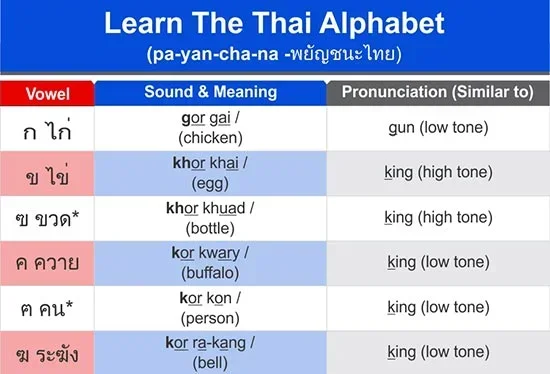
Thai uses its own unique alphabet, which looks very different from the Latin script used in English. The Thai writing system has 44 consonants and 15 vowel symbols that combine in various ways. But here is the good news: you do not need to master the script to start speaking and introducing yourself.
The Thai Alphabet Basics
The Thai alphabet evolved from the Khmer script and has been in use since the 13th century. Each letter has an inherent vowel sound, and additional symbols modify that sound. While this might seem complex, many learners find the script elegant and logical once they understand the basics.
If you are curious about how text abbreviations work in different languages and cultures, you might have come across questions like what WYO means in text. Texting slang exists in Thai too, but for formal introductions, you will want to stick with the full, polite phrases.
Tips for Writing Foreign Names in Thai
When Thai people write foreign names, they adapt them using Thai letters that sound as close as possible to the original. For example, “John” might be written as “จอน” and “Sarah” as “ซาร่าห์.” This process is called transliteration, and it helps Thai speakers pronounce foreign names correctly.
If you want to write your name in Thai, you can find online transliteration tools or ask a Thai friend to help. Seeing your name in Thai script is a fun way to connect with the language and impress locals.
Common Mistakes People Make When Saying Their Name in Thai
Every language learner makes mistakes, and Thai is no exception. Knowing the common pitfalls can save you from confusion and help you sound more natural from the start.
Getting the Tones Wrong
Because Thai is a tonal language, using the wrong tone can completely change what you are saying. For instance, saying “mai” with a high tone means “new,” but with a falling tone it means “not” or “no.” This is why practice and listening are so important. Try to mimic native speakers and use audio tools to train your ear.
Using the Wrong Pronoun
Using the wrong gender pronoun can sound awkward or even disrespectful in Thai culture. Make sure you use Chan if you are female and Phom if you are male. If you are unsure, you can also use the neutral “Rao” in casual settings, but it is best to stick with the gendered forms for politeness.
Sometimes you might want to offer an alternative way of expressing yourself instead of the standard phrase. In English, we use the expression “in lieu of,” which simply means “instead of.” If you want to understand this concept more deeply, our article on in lieu of meaning explains it clearly and simply.
Skipping Polite Particles
Thai conversations include small polite particles like “khrap” (for males) and “kha” (for females). These are added at the end of sentences to show respect and friendliness. Skipping them entirely can make you sound blunt or rude, even if your words are correct. Always remember to add them when introducing yourself.
Cultural Tips for Introducing Yourself in Thailand
Language is only one part of the equation. Culture plays a huge role in how introductions are received in Thailand. Here are some tips to make your self-introduction memorable and respectful.
The Wai Gesture
The Wai is a traditional Thai greeting where you press your hands together in a prayer-like gesture and slightly bow your head. It is used to say hello, thank you, and show respect. When you introduce yourself, adding a gentle Wai at the end of your phrase makes a big difference. It shows that you understand and respect Thai customs.
The higher you place your hands, the more respectful the gesture. For a casual introduction, hands at chest level are perfect. For someone older or in a position of authority, raise your hands closer to your face.
Smile and Be Warm
Thailand is known as the Land of Smiles for good reason. Smiling during your introduction instantly makes you more approachable and likable. Thai people value warmth and friendliness, so a genuine smile paired with your name phrase will go a long way.
Keep It Short and Simple
You do not need to deliver a long speech when introducing yourself. A simple “Chue Chan [Your Name] Khrap” or “Chue Chan [Your Name] Kha” is more than enough. Thai people appreciate brevity and sincerity over elaborate introductions.
Practice Exercises and Quick Tips
The best way to master how to say my name in thai is through consistent practice. Here are some exercises and quick tips to speed up your learning.
- Record yourself: Listen to your pronunciation and compare it with native speakers online.
- Practice with a partner: Find a language exchange partner or a Thai friend to practice with regularly.
- Use flashcards: Write the Thai script on one side and the romanized version on the other. Quiz yourself daily.
- Watch Thai videos: Listening to Thai speakers in real-life situations helps you pick up natural rhythm and tone.
- Start with your own name: Practice saying your own name in Thai until it feels comfortable and automatic.
Remember, every small step counts. Even practicing for five minutes a day builds confidence and improves your skills over time. The goal is not perfection but progress and connection.
Why Learning This Phrase Matters
When you learn how to say my name in thai, you are doing more than memorizing a phrase. You are showing respect for Thai culture, building rapport with locals, and making your travel or language learning experience richer. First impressions matter everywhere, and a simple, polite introduction in someone’s native language can create an instant bond.
Many travelers report that learning just a few basic Thai phrases transformed their experience in Thailand. People were more willing to help, share stories, and recommend hidden gems. Language is a bridge, and “my name is” is the first plank in that bridge.
Beyond travel, knowing how to introduce yourself in Thai is valuable for anyone studying the language, working with Thai colleagues, or building friendships across cultures. It shows effort, humility, and genuine interest in the other person.
Final Thoughts and Encouragement
Learning how to say my name in thai is a rewarding journey that starts with a single phrase. You now know the basic words, the pronunciation tips, the cultural context, and the common mistakes to avoid. The key is to practice regularly, stay curious, and not be afraid of making mistakes. Every attempt brings you closer to fluency and deeper connections with Thai people.
Start today. Say your name in Thai out loud, smile, and imagine the conversations you are about to have. The world of Thai language and culture is waiting for you, and your introduction is the first step into it.
Frequently Asked Questions
What is the simplest way to say my name in Thai?
The simplest way is to say “Chue Chan [Your Name]” if you are female or “Chue Phom [Your Name]” if you are male. Add “Kha” at the end if you are female or “Khrap” if you are male for a polite touch. This basic structure works in almost any situation.
Do I need to learn the Thai alphabet to introduce myself?
No, you do not need to learn the full Thai alphabet to introduce yourself. Romanized versions of Thai phrases are widely used and understood. However, learning the basics of the Thai script can be a fun bonus if you want to write your name in Thai.
Is Thai a difficult language to learn?
Thai has some challenging aspects like its tonal system and unique script, but the basics are quite accessible. Starting with simple phrases like “my name is” gives you a strong foundation. With regular practice and patience, you will make steady progress.
Can I use the same phrase for both male and female speakers?
It is best to use the gender-specific forms. Females should use “Chan Chue” and males should use “Phom Chue.” Using the wrong pronoun can sound unnatural, so matching the phrase to your gender is the most respectful and accurate choice.
What if I mess up the tones when I speak?
Do not worry about making tone mistakes at first. Thai people are very understanding and will appreciate your effort. Over time, listening to native speakers and practicing regularly will help you improve your tone accuracy naturally.
Are there other ways to say “my name is” in Thai?
Yes, there are a few variations. You can use “Rao Chue” for a more casual or neutral form. You can also simply say your name followed by “Kha” or “Khrap” without the full phrase. These alternatives work well in informal settings with friends.
=== CONCLUSION ===
Learning how to say my name in thai is a simple yet powerful skill that connects you to Thai culture and people. From the basic phrase and pronunciation to cultural gestures and common mistakes, this guide has given you everything you need to get started. Practice daily, stay curious, and remember that every attempt you make brings you closer to fluency. Your Thai introduction is more than just words; it is a bridge to new friendships, deeper understanding, and unforgettable experiences. Start speaking, smiling, and connecting today.