
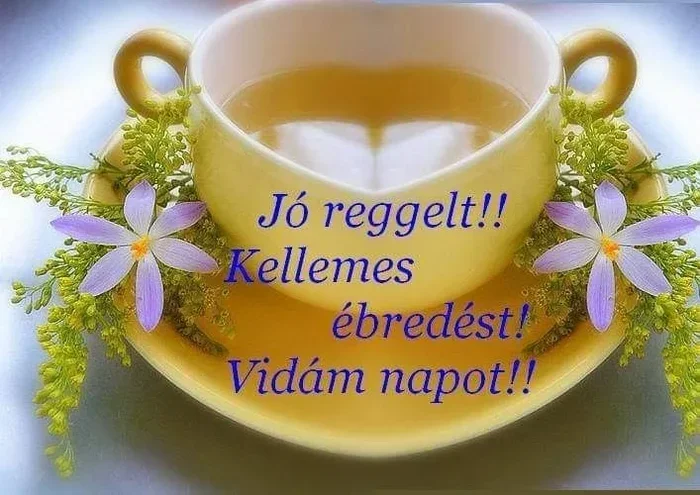
Learning how to say good morning in Hungarian is simple and fun. The most common phrase is “Jó reggelt!” and it works for almost any situation. This guide covers formal and informal greetings, pronunciation tips, and cultural customs so you can greet Hungarians with confidence and warmth.
Have you ever wondered how to say good morning in Hungarian? Whether you are planning a trip to Budapest or just love learning new languages, starting your day with a proper Hungarian greeting opens doors. The Hungarian language is unique and beautiful, and its morning greetings carry a warmth that stands out.
When you learn how to say good morning in hungarian, you are not just memorizing words. You are stepping into a culture that values politeness, sincerity, and connection. Hungarians appreciate when visitors make the effort to speak even a few words of their language. A simple morning greeting can spark a smile and build trust fast.
The good news is that saying good morning in Hungarian is easy to learn. You do not need years of practice. With a few key phrases and some pronunciation tips, you can greet anyone from a shopkeeper to a new friend. This guide walks you through everything you need to know.
If you have ever explored how translate to english in hindi meaning works, you know that every language has its own charm. Hungarian is no different. Its greeting system is clear, logical, and full of character. Let us dive in and explore the friendly world of Hungarian morning greetings.
Key Takeaways
- Jó reggelt is the standard and most widely used way to say good morning in Hungarian.
- Formality matters in Hungarian culture, so choosing between formal and informal greetings shows respect.
- Pronunciation is straightforward once you understand the vowel sounds and stress patterns.
- Adding a name or title after the greeting makes your morning hello feel more personal and warm.
- Hungarian greetings change with the time of day, so knowing the right phrase for each time helps you sound natural.
- Text and casual greetings are shorter and more relaxed, perfect for friends and younger speakers.
- Body language and eye contact play a big role in how your greeting is received in Hungary.
📑 Table of Contents
- The Most Common Way to Say Good Morning in Hungarian
- Formal vs Informal Morning Greetings
- Pronunciation Tips That Actually Help
- Cultural Tips for Greeting in Hungary
- Other Useful Morning Phrases in Hungarian
- Quick Tips for Remembering Hungarian Morning Greetings
- Key Takeaways
- Frequently Asked Questions
- Conclusion
The Most Common Way to Say Good Morning in Hungarian
The go-to phrase for saying good morning in Hungarian is Jó reggelt (pronounced “YO reggelt”). This is the standard greeting you will hear from sunrise until around noon. It works in almost every situation, from meeting a coworker to greeting a stranger on the street.
Breaking it down, Jó means “good” and reggel means “morning.” Together they form a warm and natural greeting. When you say it with a smile, people will immediately feel your friendliness.
How to Pronounce Jó Reggelt
Pronunciation is simpler than it looks. The “J” sounds like the English “Y” in “yes.” The “ó” is a long “oh” sound. And “reggelt” rhymes roughly with “regret” but with a soft “t” at the end. Practice saying it slowly a few times, and it will start to feel natural.
Here is a quick breakdown:
- Jó — sounds like “yo” in “yonder”
- reggel — sounds like “reg-gelt” with a soft “g”
- Together: “Yo REG-gelt”
The stress falls on the second word, so make sure reggelt gets a little extra emphasis. That small detail makes your pronunciation sound much more natural.
Formal vs Informal Morning Greetings
Hungarian has a clear distinction between formal and informal language. This is one of the most important things to understand when you learn how to say good morning in hungarian. Using the wrong level of formality can feel awkward, but getting it right shows respect and cultural awareness.
Formal Morning Greetings
When you are speaking to someone older, a stranger, or someone in a position of authority, use the formal greeting. The standard is still Jó reggelt, but you add a title or last name. For example:
- Jó reggelt, úr! — Good morning, sir.
- Jó reggelt, asszony! — Good morning, ma’am.
- Jó reggelt, Dr. Kovács! — Good morning, Dr. Kovács.
These formal greetings show that you respect the person you are addressing. Hungarians notice and appreciate this attention to detail. It is similar to how you might choose your words carefully when you look up what does in lieu of meaning carry in a professional setting — context matters.
Informal Morning Greetings
When you are talking to friends, peers, or younger people, you can keep things casual. The same Jó reggelt works, but you can also use shorter, more relaxed versions:
- Reggel! — A quick and friendly “Morning!”
- Jó napot! — Good day (works from late morning onward)
- Szia! — Hi (very casual, works anytime)
In text messages and casual chats, people often just say Reggel! or even drop the greeting entirely and jump straight into the conversation. It is a bit like how people use wyo meaning in text as a quick casual check-in — short, sweet, and to the point.
Pronunciation Tips That Actually Help
Hungarian pronunciation is very consistent. Unlike English, each letter has one clear sound. Once you learn the rules, you can read and pronounce almost any word correctly. This makes learning morning greetings much easier than you might expect.
Key Hungarian Sounds to Master
Here are the sounds that matter most for greeting someone in Hungarian:
- J — Always sounds like the English “Y” in “yes.”
- Gy — Sounds like the “dy” in “during.” Try “Joo REH-gelt” with a soft “d” sound.
- Ö and Ő — Round your lips and say “uh” with a tight mouth. Think of the “ur” in “hurt.”
- Ú — A long “oo” sound, like in “boot.”
- Sz — Sounds like the English “s” in “sun.”
When you say Jó reggelt, focus on keeping the “J” soft and the “reggel” crisp. Avoid rounding the “g” too hard. It should feel light and easy.
Common Mistakes to Avoid
Many English speakers make a few common mistakes when they first start speaking Hungarian. Here are the top ones to watch out for:
- Overpronouncing the “J”: It is not a hard “J” like in “jump.” Keep it soft, like “Y.”
- Rushing the vowels: Hungarian vowels are clear and distinct. Give each one its full sound.
- Forgetting the accent marks: While “Jó reggelt” works without them, using the accent on “ó” helps you get the long vowel right.
- Mixing up “reggel” and “este”: “Este” means evening, so make sure you use the right one for the time of day.
If you want to dive deeper into how translation works across languages, check out this guide on translate to english in hindi meaning for a fun comparison of how greetings differ across language families.
Cultural Tips for Greeting in Hungary
Language is more than words. It is about how you deliver them. In Hungary, the way you greet someone says a lot about your personality and respect for the other person. Understanding these cultural nuances will make your morning greetings feel even more authentic.
Eye Contact and Smiling
When you greet someone in Hungarian, look them in the eye and smile. This shows warmth and sincerity. Hungarians value genuine interactions, and a forced greeting will feel hollow. A natural smile paired with a clear “Jó reggelt” goes a long way.
Handshakes and Personal Space
In formal settings, a firm handshake is standard. In informal settings among friends, a light hug or a pat on the back is common. Always respect personal space, especially with people you have just met. Let the other person guide the level of physical contact.
Time of Day Matters
Hungarian greetings change with the time of day. Here is a simple breakdown:
- Jó reggelt — Good morning (until around 8 or 9 AM)
- Jó napot — Good day (mid-morning through afternoon)
- Jó estét — Good evening (after sunset)
- Jó éjszakát — Good night (when saying goodbye at night)
Using the right greeting for the time of day shows that you understand the language and culture. It is a small detail that makes a big impression.
Morning Humor and Lightness
Hungarians enjoy lighthearted conversations, especially in the morning. A little humor can brighten the start of anyone’s day. Much like how people share morning wood jokes to bring laughter and ease into the day, Hungarians appreciate a good laugh over morning coffee. Keep things light and friendly, and you will fit right in.
Other Useful Morning Phrases in Hungarian
Once you know how to say good morning in Hungarian, you can expand your morning vocabulary. These extra phrases will help you navigate real-life situations with ease and confidence.
Greetings for Different Times of Day
| Hungarian Phrase | English Meaning | When to Use |
|---|---|---|
| Jó reggelt | Good morning | Early morning until around 9 AM |
| Jó napot | Good day | Mid-morning through afternoon |
| Jó estét | Good evening | After sunset |
| Jó éjszakát | Good night | When parting at night |
| Szia | Hi / Hello | Casual, any time of day |
| Helló | Hello | Casual, any time of day |
As you can see, saying good morning in hungarian is just the beginning. Each greeting has its own time and place, and using them correctly shows that you are paying attention.
Adding Personal Touches
You can make your greeting more personal by adding a name or a friendly question:
- Jó reggelt, Kati! — Good morning, Kati!
- Jó reggelt! Hogy vagy? — Good morning! How are you?
- Jó reggelt! Milyen napod van? — Good morning! How is your day going?
These small additions transform a basic greeting into a genuine connection. People in Hungary love when you take the extra moment to ask how they are doing.
Quick Tips for Remembering Hungarian Morning Greetings
Memorizing new phrases can feel overwhelming, but these tips make it easy and even fun:
- Repeat out loud every morning. Say “Jó reggelt” to yourself when you wake up. It builds muscle memory and makes the phrase stick.
- Use flashcards with audio. Hearing the correct pronunciation helps you match the sounds. Apps like Duolingo or Forvo are great for this.
- Watch Hungarian videos. Listening to native speakers say their morning greetings helps you pick up the natural rhythm and tone.
- Practice with a language partner. Even a short daily exchange of “Jó reggelt” builds confidence and real-world skills.
- Label your morning routine. Write “Jó reggelt” on your mirror or set it as your phone wallpaper. Constant exposure works wonders.
Remember that every language learner starts somewhere. The fact that you are learning how to say good morning in hungarian already puts you ahead. Be patient with yourself, celebrate small wins, and keep practicing.
Key Takeaways
- Jó reggelt is the standard and most widely used way to say good morning in Hungarian.
- Formality matters in Hungarian culture, so choosing between formal and informal greetings shows respect.
- Pronunciation is straightforward once you understand the vowel sounds and stress patterns.
- Adding a name or title after the greeting makes your morning hello feel more personal and warm.
- Hungarian greetings change with the time of day, so knowing the right phrase for each time helps you sound natural.
- Text and casual greetings are shorter and more relaxed, perfect for friends and younger speakers.
- Body language and eye contact play a big role in how your greeting is received in Hungary.
Frequently Asked Questions
Is Jó reggelt used all day long?
No, Jó reggelt is specifically for the morning, usually until around 8 or 9 AM. After that, you switch to Jó napot for good day. Using the right greeting for the time of day is an important part of sounding natural in Hungarian.
Can I just say Szia in the morning?
Yes, you can say Szia any time of day, including the morning. However, Szia is very casual and works best with friends, peers, or people your age. For strangers or formal situations, stick with Jó reggelt to show respect.
How do Hungarians greet each other in the morning?
Hungarians typically greet each other with a warm Jó reggelt and a smile. In formal settings, they may add a title or last name. In casual settings among friends, a quick “Reggel!” or even just a cheerful nod works perfectly. The key is sincerity and warmth.
What is the difference between Jó reggelt and Jó napot?
Jó reggelt means “good morning” and is used in the early part of the day. Jó napot means “good day” and is used from mid-morning through the afternoon. Think of it as a natural shift in greetings as the day progresses, much like how greeting customs vary across cultures.
Do I need to learn Hungarian grammar to greet someone?
Not at all! Greetings are simple phrases that you can use right away without understanding the full grammar. Start with Jó reggelt and build from there. Grammar will come naturally as you continue learning the language.
What if I mispronounce the greeting?
Hungarians are generally very kind and patient with language learners. Even if your pronunciation is not perfect, the effort itself is appreciated. Most people will smile and gently help you get it right. Do not be afraid to try — every attempt is a step forward.
Conclusion
Learning how to say good morning in hungarian is a small step that makes a big difference. The phrase Jó reggelt is your gateway to meaningful connections with Hungarian speakers. Whether you are traveling through Budapest, chatting with a Hungarian friend, or simply expanding your language skills, this greeting carries warmth and respect.
Remember to match the formality to the situation, smile when you speak, and practice a little each day. The Hungarian language rewards those who put in genuine effort. Start with your morning greeting, and let it lead you to deeper conversations and richer cultural experiences.
So the next time the sun rises, greet the day in Hungarian. Say Jó reggelt with confidence and let the friendly spirit of the language carry you forward. You will be surprised how far a simple morning hello can take you.