
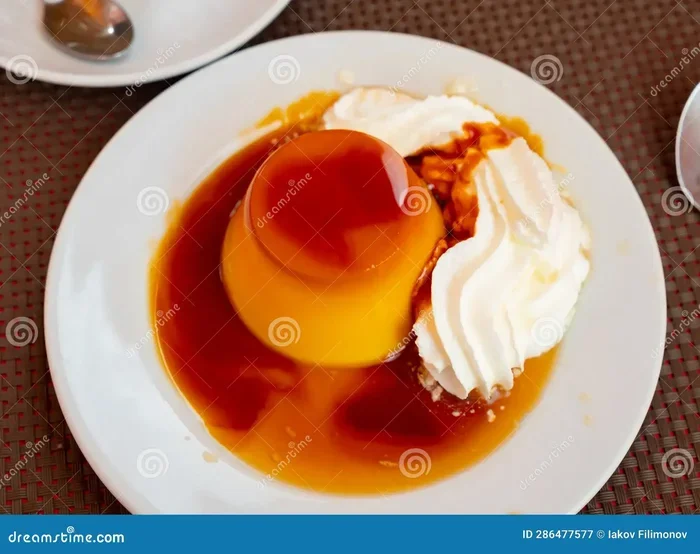
Learning how to say caramel in Spanish is simple and fun. The main word is caramelo, and you will also encounter dulce de leche in many recipes. This guide covers pronunciation, regional variations, and real-life examples so you can use the word confidently in any conversation.
Key Takeaways
- The Spanish word for caramel is caramelo, pronounced kah-rah-meh-LOH.
- Dulce de leche is a popular caramel-like spread used across Latin America.
- Pronunciation tips help you sound natural and confident when ordering desserts.
- Regional differences exist, so knowing local variations is very helpful.
- You can use caramel in everyday Spanish sentences with ease.
- Common mistakes include mispronouncing the ending and confusing similar terms.
- Practical examples make it easy to remember and use the word in real life.
📑 Table of Contents
- How to Say Caramel in Spanish: A Complete Pronunciation Guide
- The Spanish Word for Caramel
- Pronouncing Caramel in Spanish Like a Pro
- Dulce de Leche and Other Caramel-Related Words in Spanish
- How to Use Caramel in Spanish Sentences
- Regional Variations: How Different Countries Say Caramel
- Quick Tips for Mastering Caramel in Spanish
- Why Learning This Word Matters
- Conclusion
How to Say Caramel in Spanish: A Complete Pronunciation Guide
If you have ever stood in a Spanish-speaking bakery and wondered how to order a caramel treat, you are in the right place. How to say caramel in Spanish is a question many language learners ask early on. The answer is simpler than you might think. The standard word is caramelo, and once you learn the rhythm of the syllables, it flows naturally off your tongue.
Spanish is a phonetic language, which means words are pronounced exactly as they are spelled. This makes learning dessert vocabulary a breeze. You do not need to memorize complex rules or strange exceptions. Once you know the sounds of each letter, you can tackle caramel in Spanish with confidence. Let us walk through it together.
Understanding the word caramelo opens the door to a whole world of Spanish sweets and desserts. Whether you are traveling, cooking, or simply building your vocabulary, this guide gives you everything you need. We will cover pronunciation, regional differences, useful phrases, and much more. By the end, you will sound like a native speaker when you talk about caramel.
The Spanish Word for Caramel
The most common and widely accepted word for caramel in Spanish is caramelo. It is used in Spain and most Latin American countries. The word comes from the French caramel, which itself has roots in Latin. Over time, Spanish speakers adapted the pronunciation to fit the natural rhythm of the language.
Here is how the word breaks down syllable by syllable:
- Ca — sounds like “kah”
- ra — sounds like “rah”
- me — sounds like “meh”
- lo — sounds like “loh”
Put it together and you get kah-rah-meh-LOH. The stress falls on the last syllable, which is typical in Spanish words that end in a vowel. This stress pattern gives the word its musical, flowing quality. Practice saying it slowly a few times, then speed up naturally.
If you are curious about translation tools or language resources that help with words like this, you might also explore translate to english in hindi meaning for broader language learning insights. These tools can complement your Spanish studies nicely.
Is Caramelo Masculine or Feminine?
In Spanish, every noun has a gender. Caramelo is a masculine noun. This means you will use masculine articles and adjectives with it. For example, you would say el caramelo (the caramel) or un caramelo (a caramel). This is important when building full sentences or describing the treat.
Here are a few examples to illustrate:
- El caramelo es dulce. — The caramel is sweet.
- Quiero un caramelo, por favor. — I want a caramel, please.
- Me encanta el sabor del caramelo. — I love the flavor of caramel.
Notice how the article changes based on whether you are using a definite or indefinite article. This is a basic rule of Spanish grammar, and caramelo follows it perfectly. Once you internalize this, your sentences will sound much more natural.
Pronouncing Caramel in Spanish Like a Pro
Pronunciation is where many learners struggle with how to say caramel in Spanish. The good news is that Spanish pronunciation is far more consistent than English. There are no silent letters or irregular sounds in caramelo. Every letter gets its fair share of sound.
Here is a step-by-step breakdown to help you nail the pronunciation:
- Start with “kah.” The C before an A always makes a hard K sound in Spanish.
- Move to “rah.” The R is a single tap, not a rolled sound. Keep it light and quick.
- Say “meh.” The E is a pure, short vowel sound. Do not drag it out.
- End with “LOH.” This is where the stress lives. Make this syllable slightly louder and longer.
The final “o” in caramelo is pronounced as a clear “oh” sound. Do not let it slip into an “oo” sound like some English speakers do. Keep it bright and open. If you practice this rhythm daily, it will become second nature within a week.
One quick tip: listen to native speakers say the word. YouTube and language apps are great resources. Hearing the word in context helps your brain lock in the correct pronunciation. You can also record yourself and compare your version to a native speaker’s.
Common Pronunciation Mistakes to Avoid
Even motivated learners make mistakes. Here are the most common ones when saying caramel in Spanish:
- Over-rolling the R. A double R (rr) is different from a single R. Caramelo uses a single R tap.
- Pronouncing the final O as “oo.” Keep it as a clean “oh” sound.
- Stressing the wrong syllable. Always stress the last syllable: ca-ra-me-LO.
- Adding an extra syllable. Do not say “car-a-me-lo” with a pause between each syllable. Keep it fluid.
Avoiding these small mistakes makes a huge difference. Native speakers will understand you immediately if you get the rhythm right. Do not worry about perfection. Focus on flow and consistency.
Dulce de Leche and Other Caramel-Related Words in Spanish
While caramelo is the direct translation, Spanish speakers use several other terms related to caramel. The most famous one is dulce de leche, which translates to “milk candy” or “candy of milk.” This thick, caramel-like spread is a staple in Argentine, Colombian, and Uruguayan kitchens.
Dulce de leche is made by slowly heating sweetened milk until it turns a rich, brown color. It tastes like a deep, creamy version of caramel. People use it on pancakes, cakes, churros, and even just by the spoonful. If you visit any Spanish-speaking country, you will find dulce de leche everywhere.
Here are other caramel-related words you should know:
- Dulce de cajeta — caramel made from goat’s milk, popular in Mexico.
- Crema de caramelo — caramel cream, often used as a dessert topping.
- Caramelizada — the adjective form, meaning “caramelized.”
- Salsa de caramelo — caramel sauce, used in desserts and drinks.
Each of these terms has its own regional popularity. Knowing them gives you a richer vocabulary and helps you understand menus and recipes more easily. When you see dulce de leche on a menu, you will know exactly what it is.
If you are interested in how language works and how meanings shift across contexts, you might enjoy learning about WYO meaning in text to understand how modern communication shapes word meanings. Language is always evolving, and these connections make learning even more interesting.
Caramel vs. Dulce de Leche: What Is the Difference?
Many people use these terms interchangeably, but there is a subtle difference. Caramelo refers to a single caramel candy or the general flavor of caramel. Dulce de leche refers to a specific spread or sauce made from reduced milk and sugar. Think of it this way: all dulce de leche tastes like caramel, but not all caramel is dulce de leche.
Here is a simple comparison:
| Term | Meaning | Common Use |
|---|---|---|
| Caramelo | Caramel candy or flavor | Ordering sweets, describing taste |
| Dulce de leche | Milk caramel spread or sauce | Recipes, dessert toppings, spreads |
| Crema de caramelo | Caramel cream | Dessert fillings, toppings |
| Caramelizada | Caramelized (adjective) | Describing cooked or baked items |
This table makes it easy to see the distinctions at a glance. Keep it handy when you are reading recipes or menus in Spanish.
How to Use Caramel in Spanish Sentences
Knowing the word is only half the battle. You also need to know how to use it in real conversations. How to say caramel in Spanish matters less than knowing how to weave it into natural sentences. Let us look at practical examples you can use today.
Here are some everyday situations and the phrases you would use:
- At a bakery: “Quiero un caramelo de vainilla, por favor.” — I want a vanilla caramel, please.
- Talking about dessert: “El pastel tiene un sabor a caramelo increíble.” — The cake has an incredible caramel flavor.
- Asking for caramel sauce: “¿Tienen salsa de caramelo para los churros?” — Do you have caramel sauce for the churros?
- Expressing a preference: “Mi dulce favorito es el dulce de leche.” — My favorite sweet is dulce de leche.
- Describing a recipe: “Primero, carameliza la cebolla a fuego lento.” — First, caramelize the onion over low heat.
Each of these sentences uses caramelo or a related term in a natural, conversational way. Practice saying them out loud. The more you repeat them, the more automatic they become. Soon you will be able to use them without thinking.
Language learning works best when you connect words to real experiences. If you have ever eaten a caramel-flavored treat, imagine describing it in Spanish. That mental connection makes the word stick in your memory much faster than rote memorization ever could.
You might also find it interesting that word meanings can shift depending on context. For instance, if you want to understand how in lieu of meaning works in English, you can see how substituting one word for another changes the meaning. This same concept applies in Spanish when you swap caramelo for dulce de leche — the meaning shifts slightly but stays related.
Regional Variations: How Different Countries Say Caramel
Spanish is spoken across many countries, and that means there are regional differences in how words are used. When it comes to caramel in Spanish, the word caramelo is universally understood. However, some regions have their own favorite terms and uses.
Here is a quick look at how caramel is used in different Spanish-speaking regions:
- Spain: Caramelo is the standard word. Spain also loves flan, a caramel-topped custard that is a staple dessert.
- Mexico: Caramelo is common, but dulce de leche and cajeta are even more popular in everyday cooking.
- Argentina and Uruguay: Dulce de leche dominates. It is used in almost every dessert and pastry.
- Colombia and Venezuela: Both caramelo and dulce de leche are widely used, depending on the region.
- Central America: Caramelo is standard, and caramel-flavored drinks and candies are very popular.
These variations are small but meaningful. If you travel to a Spanish-speaking country, knowing the local favorite term helps you connect with people. It also shows respect for their culture and culinary traditions. Even using just caramelo will get you understood everywhere.
One fun fact: in some Caribbean regions, people might use the word caramelo to describe something that is brown in color, not just the candy. Language is full of these playful extensions. This is part of what makes learning Spanish so rewarding and endlessly interesting.
Quick Tips for Mastering Caramel in Spanish
Here are some fast, practical tips to help you remember and use how to say caramel in Spanish with confidence:
- Break the word into syllables. Practice ca-ra-me-lo slowly, then speed up gradually.
- Listen to native speakers. Use apps like Forvo or YouTube to hear the correct pronunciation.
- Use it in context. Write three sentences using caramelo every day.
- Cook a Spanish dessert. Making flan or dulce de leche reinforces the vocabulary.
- Label items in your kitchen. Write caramelo on the jar of caramel sauce to build a visual memory.
- Practice with a partner. Order a caramel dessert at a Spanish restaurant and say the word out loud.
- Review regularly. Spaced repetition helps you retain new vocabulary long-term.
These tips are simple but powerful. Consistency matters more than intensity. Five minutes of daily practice beats one long session every week. Build the habit, and your Spanish vocabulary will grow steadily.
Common Mistakes When Learning This Word
Even the best learners stumble on certain words. Here are mistakes to watch out for with caramelo:
- Adding an English accent. Do not say “CAR-uh-mel” like in English. The Spanish pronunciation is completely different.
- Confusing caramelo with caramel. The English word is not used in Spanish conversations.
- Forgetting the gender. Always remember that caramelo is masculine.
- Mixing up dulce de leche and caramelo. They are related but not identical.
Being aware of these pitfalls helps you avoid them from the start. If you do make a mistake, do not worry. Native speakers are generally very patient and appreciative when someone makes the effort to speak their language.
Why Learning This Word Matters
Food vocabulary is one of the most practical and enjoyable parts of learning any language. When you know how to say caramel in Spanish, you can navigate menus, order desserts, read recipes, and connect with people over shared love of sweets. Food brings people together, and language is the bridge.
Moreover, caramelo is a gateway word. It belongs to a larger family of Spanish food and dessert vocabulary. Once you learn it, related words like dulce (sweet), postre (dessert), and repostería (bakery) become easier to remember. This is how vocabulary grows organically — one word leading to the next.
Whether you are planning a trip to Spain or Latin America, cooking a Spanish recipe at home, or simply expanding your language skills, knowing how to say caramel is a small but meaningful step. It builds your confidence and opens doors to deeper conversations about food, culture, and daily life in Spanish-speaking communities.
Language learning is a journey, not a destination. Every new word you add is a brick in the foundation of your fluency. And caramelo is a delicious one to start with. So go ahead, say it out loud, and enjoy the process.
Conclusion
How to say caramel in Spanish is a simple yet rewarding piece of knowledge. The word caramelo is easy to pronounce, simple to use, and widely understood across the Spanish-speaking world. From the soft, creamy dulce de leche of Argentina to the bright, chewy caramelos of Spain, this word connects you to a rich culinary tradition.
You now have the pronunciation, the grammar, the practical sentences, and the regional insights to use this word confidently. The key is practice. Say it out loud, use it in conversation, and let it become a natural part of your Spanish vocabulary. Every time you order a caramel dessert or describe a sweet treat, you will be reinforcing what you have learned here.
Keep exploring, keep practicing, and most importantly, keep enjoying the process. The world of Spanish food vocabulary is vast and wonderful, and caramelo is one of its sweetest entries. Happy learning, and ¡buen provecho!
Frequently Asked Questions
What is the Spanish word for caramel?
The most common Spanish word for caramel is caramelo. It is used in Spain and across Latin America. The pronunciation is kah-rah-meh-LOH, with the stress on the last syllable. This word works for both the candy and the flavor.
How do you pronounce caramelo correctly?
Break it into four syllables: ca-ra-me-LOH. Each vowel has a clear, short sound. The C before A makes a hard K sound. The R is a single light tap, not a rolled sound. Practice slowly at first, then build up speed naturally.
What is dulce de leche in English?
Dulce de leche translates to “milk candy” or “candy of milk.” It is a thick, caramel-like spread made by slowly heating sweetened milk. It is extremely popular in Argentina, Uruguay, Mexico, and many other Spanish-speaking countries. While similar to caramel, it has a creamier, richer taste.
Is caramelo masculine or feminine in Spanish?
Caramelo is a masculine noun. You will use masculine articles like el (the) and un (a). For example, “el caramelo” means “the caramel” and “un caramelo” means “a caramel.” This grammar rule applies consistently.
Are there regional differences in how caramel is called in Spanish?
Yes, while caramelo is understood everywhere, some regions prefer other terms. Argentina and Uruguay use dulce de leche extensively. Mexico often uses cajeta for goat’s milk caramel. Spain loves flan, a caramel custard. These differences reflect local culinary traditions.
Can I use the English word caramel in a Spanish conversation?
You can, but it is not ideal. Spanish speakers will understand you, but using caramelo shows respect for the language and helps you sound more natural. Native speakers appreciate when learners make the effort to use Spanish words. It also helps you build stronger vocabulary and confidence.