
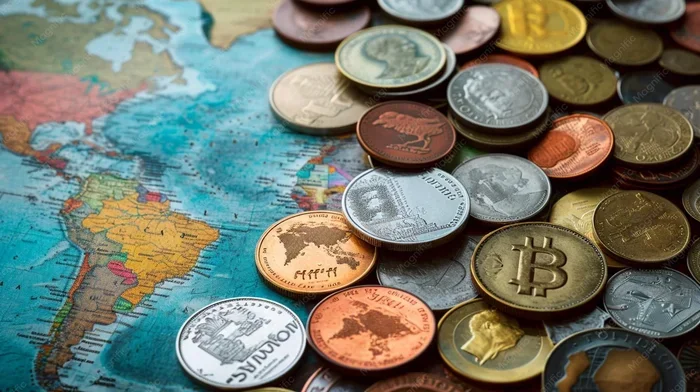
Want to know how to say money in different languages? This guide covers money words and currency terms across dozens of world languages. You will learn how people in countries like Spain, Japan, India, and Brazil refer to cash and coins. We also share fun facts, quick tips, and common mistakes to avoid.
Key Takeaways
- Money has unique words in every language: Each culture has its own term for money, shaped by history and trade.
- Understanding foreign money terms helps travelers: Knowing how to say money abroad makes trips smoother and more confident.
- Money words tell fascinating stories: The origins of currency names reveal deep cultural and economic histories.
- Pronunciation matters: Saying money terms correctly shows respect for other cultures and languages.
- Slang and informal terms vary widely: Every language has casual money words that locals use every day.
- Learning money vocabulary builds language skills: It is one of the most practical ways to expand your foreign language knowledge.
📑 Table of Contents
- How to Say Money in Different Languages Around the World
- How to Say Money in Major World Languages
- The Fascinating Origins of Money Words
- How Money Is Written and Spoken Around the World
- Fun Facts About Money Words
- Common Mistakes When Using Money Words in Foreign Languages
- How Learning Money Words Boosts Your Language Skills
- Comparison Table: How to Say Money in 15 Languages
- Key Takeaways
How to Say Money in Different Languages Around the World
Have you ever traveled to a new country and struggled to ask for money or understand prices? Knowing how to say money in different languages is one of the most useful skills any traveler or language learner can have. Money words vary wildly from one language to another, and each term carries its own history and cultural meaning.
This guide will walk you through the many ways people around the world refer to money. You will discover how to say money in Spanish, French, Hindi, Japanese, Mandarin, Arabic, and dozens more languages. Along the way, we will share fun facts, pronunciation tips, and common mistakes to avoid. Whether you are planning a trip or just curious about global languages, this article has you covered.
The word “money” itself comes from the Latin word “moneta,” which referred to a mint where coins were made. But most languages have their own unique terms. Let us dive in and explore how different cultures talk about cash, coins, and wealth.
How to Say Money in Major World Languages
Every language has its own word or phrase for money. Some are similar to the English word, while others are completely different. Here is a look at how people say money in some of the most widely spoken languages on Earth.
Money Words in European Languages
European languages offer a rich variety of money terms. In Spanish, the word for money is dinero. It comes from the Latin “denarius,” an ancient Roman coin. In French, you say argent, which actually means “silver” in English. This makes sense because silver coins were the first form of money in many European countries.
German uses the word Geld for money. Italian speakers say denaro, which shares its root with the Spanish “dinero.” Portuguese uses dinheiro, very close to the Spanish version. Dutch speakers say geld as well, similar to German. These connections show how Latin and Germanic language families shaped money vocabulary across Europe.
In Russian, the word for money is деньги (dengi). In Polish, it is pieniądze. These Slavic languages have their own unique roots, showing how money words evolved differently even within the same continent.
Money Words in Asian Languages
Asia is home to the most spoken languages in the world, and each has its own way to say money. In Mandarin Chinese, money is 钱 (qián). This character originally meant a type of agricultural tool and later became the word for coins and cash.
In Japanese, money is お金 (okane). The kanji characters literally mean “precious metal,” which reflects the historical value placed on gold and silver. In Korean, the word is 돈 (don), which is short and simple.
In Hindi, the word for money is पैसा (paise). If you want to learn more about how Hindi money terms connect to English translations, you can check out our guide on translate to English in Hindi meaning for deeper insights into how Hindi words map to English concepts.
In Arabic, money is مال (maal). In Urdu, it is پیسہ (paise), which shares its root with the Hindi version. These connections show how money vocabulary spread across regions through trade and cultural exchange.
Money Words in Other Regions
In Swahili, money is pesa. This word has become so popular that it is used across East Africa and even inspired the name of a popular mobile payment system. In Turkish, money is para. In Thai, it is เงิน (ngern), which means “silver,” similar to the French word “argent.”
In Portuguese-speaking Brazil, money is dinheiro. In the Middle East, many Arabic-speaking countries use مال or فلوس (fuloos), the latter being a more casual, everyday term for cash.
The Fascinating Origins of Money Words
Have you ever wondered why different languages use such different words for money? The origins of money vocabulary tell incredible stories about trade, culture, and history.
How Historical Trade Shaped Money Words
Many money words evolved from the materials used to make early currency. The French word “argent” comes from the Latin “argentum,” meaning silver. Silver was one of the first metals used for coins, so many languages borrowed this connection. The English word “silver” itself comes from the same root.
The Spanish “dinero” and Italian “denaro” both trace back to the Roman “denarius,” a silver coin that was the backbone of the Roman economy for centuries. When the Roman Empire spread across Europe, its coins and their names spread too.
Money Words That Tell Cultural Stories
Some money words reflect what a culture valued most. In Japan, “okane” uses characters meaning “precious metal,” showing how metal coins were seen as valuable treasures. In China, the character for money originally depicted a tool used for farming, reflecting how early Chinese economy was built on agriculture.
In many African languages, the word for money is closely tied to cattle or livestock, because animals were once the primary form of wealth. In Swahili, “pesa” comes from the English word “peso,” showing how colonial history shaped local vocabulary.
Modern Money Words and Globalization
Today, globalization is creating new money words. The word “dollar” comes from the German “Taler,” a coin minted in the 1500s. Because the United States became a global economic power, “dollar” and “buck” are now understood worldwide. Similarly, “euro” has become a familiar money term across Europe and beyond.
How Money Is Written and Spoken Around the World
Understanding how money is written and spoken goes beyond just knowing the word. Every country has its own currency symbols, abbreviations, and ways of expressing amounts.
Currency Symbols and Their Meanings
The dollar sign ($) comes from the Spanish peso symbol. The euro sign (€) is based on the Greek letter epsilon, representing the cradle of European civilization. The pound sign (£) evolved from the letter L for libra, the Roman unit of weight. The yen symbol (¥) is based on the Chinese character for yuan.
These symbols are recognized globally, but the words for money behind them are wonderfully diverse. Knowing both the symbol and the word helps you navigate foreign markets with confidence.
How to Pronounce Money Words Correctly
Pronunciation is key when you are traveling or learning a new language. Here are some quick tips:
- Listen to native speakers: Use language apps or YouTube to hear how locals say money words.
- Break words into syllables: For example, “di-ne-ro” in Spanish and “a-rgent” in French.
- Practice the tones: In Mandarin, the word “qian” uses a specific tone that changes the meaning.
- Ask locals for feedback: Most people appreciate the effort and will happily correct your pronunciation.
Fun Facts About Money Words
Money vocabulary is full of surprises. Here are some fun facts that will make you appreciate how diverse and creative human languages can be.
Slang Money Terms Around the World
Every language has informal or slang terms for money. In English, people say “bucks,” “cash,” or “moolah.” In Spanish, a common slang term is lana, which literally means “wool” but is used to mean money. In French, people sometimes call money thune, an old slang word.
In Japanese, slang for money includes カネ (kane), a casual way to say cash. In German, Kohle (which means “coal”) is a popular slang term for money. These slang words often come from historical associations or humorous metaphors.
Did You Know?
Learning money riddles is a fun way to explore how different cultures think about money and language. Money riddles test your understanding of wordplay and cultural context, making them a great tool for language learners. If you enjoy puzzles and word games, check out our collection of money riddles to challenge yourself.
In some languages, the word for money is also used for other concepts. In Thai, “ngern” means both money and silver. In many African languages, the word for money originally meant cattle or goats. These dual meanings show how deeply money is woven into everyday language and thought.
Common Mistakes When Using Money Words in Foreign Languages
Even experienced language learners make mistakes with money vocabulary. Here are some common errors to avoid.
Mistake 1: Assuming Money Words Are the Same Across Similar Languages
Just because Spanish and Italian share Latin roots does not mean their money words are identical. “Dinero” in Spanish is not the same as “denaro” in Italian, even though they look similar. Always double-check the specific word for each language.
Mistake 2: Ignoring Formal vs. Informal Terms
Many languages have both formal and informal words for money. Using the wrong one can sound awkward or even rude. In Japanese, using the casual “kane” in a formal shop setting might feel too blunt. The polite “okan” is usually safer in formal situations.
Mistake 3: Forgetting About Plural Forms
Some languages change the money word when referring to multiple coins or bills. In Arabic, “maal” is singular, but the plural form changes depending on the context. Learning these variations helps you sound more natural and fluent.
Quick Tips for Avoiding Mistakes
- Practice money words in context, not in isolation.
- Use flashcards or language apps to reinforce vocabulary.
- Watch movies or TV shows in the target language and note how characters talk about money.
- When in doubt, ask a native speaker or use a reliable dictionary.
How Learning Money Words Boosts Your Language Skills
Money vocabulary is one of the most practical areas of any language. It is also one of the most frequently used in daily conversations. When you learn how to say money in a new language, you are building a foundation for many other everyday phrases.
Money words often introduce you to new grammar structures, pronunciation rules, and writing systems. For example, learning the Chinese character for money (钱) teaches you about radical components used in many other Chinese characters. Learning the Arabic word for money introduces you to right-to-left script and root word patterns.
Here are some ways that learning money vocabulary improves your overall language ability:
- Builds confidence: Successfully using money words in real situations feels rewarding.
- Expands vocabulary: Money terms connect to words for trade, value, and wealth.
- Improves pronunciation: Money words often contain common sounds in the target language.
- Enhances cultural understanding: Money words reveal what a culture values and prioritizes.
- Creates conversation starters: Talking about money is universal and opens doors to deeper conversations.
Comparison Table: How to Say Money in 15 Languages
| Language | Word for Money | Pronunciation | Origin or Meaning |
|---|---|---|---|
| English | Money | MUN-ee | Latin “moneta” (mint) |
| Spanish | Dinero | dee-NEH-roh | Latin “denarius” (silver coin) |
| French | Argent | ar-ZHAHN | Latin “argentum” (silver) |
| German | Geld | GELT | Old High German for “gold” |
| Italian | Denaro | deh-NAH-roh | Latin “denarius” |
| Mandarin | 钱 (Qián) | chyen | Original meaning: farming tool |
| Japanese | お金 (Okane) | oh-KAH-neh | Precious metal |
| Hindi | पैसा (Paise) | PY-sah | From Persian “paiza” (coin) |
| Arabic | مال (Maal) | MAHL | Wealth or property |
| Russian | Деньги (Dengi) | DYEN-gee | From Old Slavic root |
| Portuguese | Dinheiro | dee-NYAY-roo | Latin “denarius” |
| Korean | 돈 (Don) | dohn | Shortened form of Chinese yuan |
| Swahili | Pesa | PEH-sah | From Spanish “peso” |
| Turkish | Para | PAH-rah | Arabic origin for coin |
| Thai | เงิน (Ngern) | NGERN | Means silver |
This table shows just how diverse money vocabulary can be. Notice how some words trace back to Latin roots, while others come from local traditions and materials. Each entry is a small window into the history and culture of that language.
Key Takeaways
- Every language has its own unique word for money: These words reflect history, culture, and local values.
- Money vocabulary connects to broader language learning: Learning money terms builds grammar, pronunciation, and cultural knowledge.
- Slang and formal terms both matter: Using the right register shows cultural awareness and respect.
- Pronunciation practice is essential: Hearing and repeating money words helps you sound more natural.
- Currency symbols are universal, but words are not: The $ sign is recognized worldwide, but the words behind it are beautifully different.
- Travelers benefit greatly from knowing money words: Even basic phrases make navigating foreign markets much easier.
Frequently Asked Questions
How do you say money in the most spoken languages?
The most spoken languages have unique money words. In Mandarin, it is “qian” (钱). In Spanish, it is “dinero.” In English, it is “money.” In Hindi, it is “paise” (पैसा). In Arabic, it is “maal” (مال). Each word carries its own history and cultural significance.
Why do so many languages use words that mean silver for money?
Silver was one of the first metals used to make coins in ancient civilizations. Many European languages borrowed the Latin word for silver, “argentum,” which became words like “argent” in French and “argento” in Italian. This shows how deeply early trade shaped modern language.
Is it important to learn how to say money in a foreign language before traveling?
Absolutely. Knowing money vocabulary helps you navigate markets, read prices, and communicate with locals. It also shows respect for the culture and makes your travel experience more enjoyable and less stressful.
What is the easiest language to learn money words in?
This depends on your native language. If you speak English, Spanish money words like “dinero” are relatively easy to learn because of shared Latin roots. If you speak a European language, Italian “denaro” and Portuguese “dinheiro” are also straightforward. For Asian languages like Mandarin or Japanese, the writing system adds a learning curve, but the spoken words are simple.
Are there any languages where the word for money also means something else?
Yes, this is very common. In Thai, “ngern” means both money and silver. In many African languages, the traditional word for money originally meant cattle. In Spanish slang, “lana” means money but literally translates to “wool.” These dual meanings make money words fascinating to study.
Can learning money words help me improve my overall foreign language skills?
Definitely. Money vocabulary introduces you to core grammar, pronunciation patterns, and cultural context. It is one of the most practical and motivating areas of language learning because you use money words every single day, even in your own language.
=== CONCLUSION ===
Learning how to say money in different languages is one of the most rewarding and practical things you can do as a language learner or traveler. From the Latin roots of European money words to the beautiful characters of Asian languages, every term tells a story. Whether you are saying “dinero” in Spain, “okane” in Japan, or “paise” in India, each word connects you to a rich cultural tradition.
We have explored money words across dozens of languages, shared pronunciation tips, highlighted common mistakes, and uncovered the fascinating origins behind these terms. The comparison table gives you a quick reference for the most important languages. And the FAQs address the questions most learners ask.
Now it is your turn. Pick a language that interests you and start practicing your money vocabulary today. Use flashcards, listen to native speakers, and try using money words in real conversations. The more you practice, the more confident you will become. How to say money in a new language is not just a lesson in vocabulary; it is a window into an entire culture. Embrace the journey, and let every new money word bring you closer to fluency.