
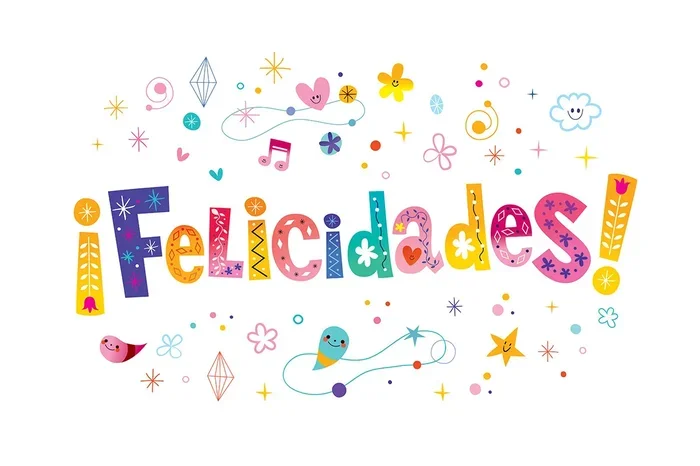
Learning how to say congratulations in Spanish opens doors to richer connections with Spanish speakers. Whether you are texting a friend or celebrating at a formal event, the right phrase makes all the difference. This guide covers everything from classic felicitaciones to casual expressions you will actually use in real conversations.
Imagine walking up to a friend who just got promoted, a couple who just got engaged, or a coworker who nailed a big presentation. You want to say something warm and genuine. But wait, you do not know how to say congratulations in Spanish. Panic sets in. Sound familiar?
Do not worry. By the end of this guide, you will know more than enough phrases to congratulate anyone in any situation. We will walk through the most common expressions, the cultural context behind them, and even how to respond when someone congratulates you. Let us dive in.
Key Takeaways
- Multiple Ways to Congratulate: Spanish offers several phrases like felicitaciones, enhorabuena, and felicidades for different contexts.
- Tone Matters: Formal and informal congratulations vary significantly, just like in English.
- Cultural Nuance: Understanding when to use each phrase shows respect and builds trust with native speakers.
- Responses Are Important: Knowing how to reply to congratulations in Spanish is just as essential as giving them.
- Text and Social Media: Informal and digital expressions have their own place in modern Spanish communication.
- Pronunciation Tips: Simple tricks help you sound natural and confident when congratulating someone.
📑 Table of Contents
- Why Learning How to Say Congratulations in Spanish Matters
- The Most Common Ways to Say Congratulations in Spanish
- How to Say Congratulations in Spanish for Different Occasions
- How to Respond When Someone Congratulates You
- Common Mistakes to Avoid When Congratulating in Spanish
- Text and Social Media: Saying Congratulations in Spanish Online
- Pronunciation Tips to Sound Like a Native
- Quick Tips for Saying Congratulations in Spanish
- Expert Insights on Spanish Congratulations
- Frequently Asked Questions
- Conclusion
Why Learning How to Say Congratulations in Spanish Matters
Congratulating someone is more than just a polite gesture. It shows you care. It builds relationships. When you take the time to learn how to say congratulations in Spanish, you signal respect for the other person’s culture and language. This small effort goes a long way.
In Spanish-speaking countries, celebrations are a big part of daily life. Birthdays, graduations, weddings, new jobs, and personal milestones all deserve recognition. Using the right felicidades or enhorabuena at the right moment makes you sound natural and thoughtful. People notice when you make the effort.
Plus, congratulating someone in their native language simply feels better. It creates a genuine connection that a translated phrase never can. So let us explore the best ways to do it.
The Most Common Ways to Say Congratulations in Spanish
You might think there is only one way to say congratulations in Spanish. Not true. Just like English has “congratulations,” “well done,” and “good job,” Spanish offers several options. Each one fits a different tone and situation.
Felicidades
This is the go-to word for almost every occasion. Felicidades works for birthdays, achievements, weddings, and just about anything worth celebrating. It is warm, universal, and easy to remember. If you only learn one phrase from this article, make it this one.
You can use it in any setting. Say it to a colleague at work, a family member at a dinner, or a friend over text. It never feels out of place. The pronunciation is straightforward: feh-lee-see-DAH-dees.
Enhorabuena
Enhorabuena carries a slightly more formal and heartfelt tone. People often use it for professional achievements, academic success, or significant life events. Think promotions, degrees, and major accomplishments. It shows that you recognize the effort behind the success.
The pronunciation is en-oh-rah-boo-EH-nah. It might feel a bit tricky at first, but once you get the rhythm down, it flows naturally. In Spain, enhorabuena is the preferred choice for formal settings. In Latin America, felicidades tends to be more common.
Felicitaciones
Felicitaciones is another popular option. It is very similar to felicidades but feels a touch more formal. You will hear it often in written messages, cards, and public announcements. For example, a company might send a felicitaciones message to an employee on their work anniversary.
Use felicitaciones when you want to sound a bit more polished. It works well in emails, formal letters, and public speeches. The pronunciation is feh-lee-see-tah-see-OH-nah-tees.
Bravo and Bien Hecho
For casual, everyday moments, bravo and bien hecho are excellent choices. Bravo means “bravo” or “well done” and is perfect for small wins. Someone aced a test? Say bravo. A friend finished a tough project? Bravo works perfectly.
Bien hecho translates to “well done” and carries a similar vibe. Both phrases are informal and warm. They work best in relaxed settings with people you know well. Think of them as the Spanish equivalent of “nice one” or “good on ya.”
How to Say Congratulations in Spanish for Different Occasions
Not all congratulations are the same. The occasion changes the phrase you should use. Let us break it down by situation so you always have the right words ready.
For Birthdays
Birthdays are huge in Spanish-speaking cultures. The standard phrase is simple: Feliz cumpleaños means “Happy Birthday.” But when it comes to congratulating someone on growing older or reaching a milestone, felicidades is your best friend. You might also hear que cumplas muchos más, which means “may you have many more.”
For a deeper touch, you could say te deseo lo mejor en tu nuevo año de vida, meaning “I wish you the best in your new year of life.” This shows genuine care and thoughtfulness.
For Weddings and Engagements
Wedding congratulations in Spanish are warm and expressive. The most common phrase is felicidades por tu boda, meaning “congratulations on your wedding.” For engagements, try felicidades por tu compromiso, which translates to “congratulations on your engagement.”
In more formal or religious settings, you might say que Dios les bendiga, meaning “may God bless you.” This adds a heartfelt, traditional touch that many people appreciate.
For Academic and Professional Achievements
When someone earns a degree, lands a new job, or receives a promotion, you want your words to carry weight. Enhorabuena por tu logro works beautifully here. It means “congratulations on your achievement” and sounds both respectful and sincere.
For graduates, felicidades por tu graduación is the standard. In professional emails, felicitaciones por su excelente desempeño adds a formal and polished touch. The key is matching the level of formality to the relationship and setting.
For Sports and Personal Milestones
Sports victories and personal milestones call for energetic congratulations. Qué bueno (that is great) and qué impresionante (that is impressive) are perfect for these moments. They are casual, enthusiastic, and easy to remember.
For a personal goal like finishing a marathon or learning a new skill, you might say estoy muy orgulloso de ti, meaning “I am very proud of you.” This goes beyond a simple congratulations and shows deep emotional support.
How to Respond When Someone Congratulates You
Knowing how to give congratulations is only half the equation. You should also know how to respond gracefully. In Spanish, a simple and natural reply is gracias, meaning “thank you.” For a warmer response, try muchas gracias, de verdad, which means “thank you so much, really.”
If someone says felicidades to you, you can reply with gracias, un abrazo (thank you, a hug) or gracias, te lo mereces (thank you, you deserve it). The phrase te lo mereces is especially powerful because it acknowledges the hard work the person put in.
In more formal settings, agradezco sus palabras (I appreciate your words) works well. It shows gratitude without being overly casual. Always match your response to the tone of the person congratulating you.
Common Mistakes to Avoid When Congratulating in Spanish
Even with good intentions, non-native speakers sometimes make mistakes. Here are a few to watch out for.
- Using the wrong phrase for the occasion: Saying bravo at a formal event can sound too casual. Save it for friends and informal settings.
- Ignoring regional differences: Enhorabuena is more common in Spain, while felicidades dominates in Latin America. Adjust based on who you are speaking with.
- Forgetting gender agreement: In Spanish, adjectives and articles change based on gender. Make sure you use the correct form when addressing men and women.
- Overcomplicating things: You do not need a long, elaborate phrase every time. Sometimes a simple felicidades says everything you need to say.
- Skipping the follow-up: After congratulating someone, adding a brief question or comment shows genuine interest. Try cómo te sientes? (how do you feel?) or qué emoción! (what excitement!).
Text and Social Media: Saying Congratulations in Spanish Online
These days, most of our conversations happen through text messages and social media. The way you say congratulations online is a bit different from face-to-face interactions. Keep it short, warm, and natural.
For a quick text, simply send ¡Felicidades! or ¡Enhorabuena! with an emoji or two. A clapping hands emoji or a celebration emoji adds a nice touch. In group chats, you might see people use ¡Qué alegría! (what joy!) to share in someone’s happiness.
On platforms like WhatsApp or Instagram, a short voice note saying felicidades feels personal and thoughtful. It shows you took the time to say it out loud rather than just typing a quick message. If you are texting someone who is more casual, ¡Nailed it! or even a playful ¡Eres una máquina! (you are a machine!) can work too.
You might also come across text abbreviations and slang in Spanish messages. Just as people use shortcuts like WYO meaning in text in English conversations, Spanish speakers have their own informal expressions. Keep your congratulations messages genuine, and they will always land well.
Pronunciation Tips to Sound Like a Native
Pronunciation can make or break your congratulatory message. Here are a few tips to help you sound more natural.
- Stress the right syllable: In Spanish, stress usually falls on the second-to-last syllable for words ending in a vowel. For felicidades, the stress is on the third-to-last syllable: feh-lee-see-tah-see-OH-nah-tees.
- Roll your Rs: The double R in enhorabuena should be rolled. Practice saying “rr” until it sounds natural.
- Keep vowels pure: Spanish vowels are pronounced clearly and consistently. Do not blend them like you might in English. Each vowel gets its own clean sound.
- Listen and repeat: Watch Spanish videos or listen to native speakers congratulating each other. Mimic their rhythm and intonation. This is one of the fastest ways to improve.
- Practice with a partner: Find a friend who speaks Spanish and practice your phrases together. Real conversation builds confidence faster than any textbook.
Remember, native speakers appreciate the effort even if your pronunciation is not perfect. The fact that you are trying already makes a positive impression. Do not be afraid to make mistakes. They are part of the learning process.
Quick Tips for Saying Congratulations in Spanish
- Start with Felicidades: It is safe, warm, and works for almost any occasion.
- Match the formality: Use enhorabuena or felicitaciones for formal events and bravo or bien hecho for casual ones.
- Add a personal touch: Follow up your congratulations with a specific comment about what the person achieved.
- Use emojis in texts: They add warmth and make your message feel more personal.
- Learn the responses: Knowing how to reply to congratulations is just as important as giving them.
- Watch regional variations: Adjust your phrases based on whether you are speaking with someone from Spain or Latin America.
Expert Insights on Spanish Congratulations
Language experts often emphasize that congratulating someone in their native language builds stronger emotional connections. When you use the right how to say congratulations in Spanish phrase, you show that you understand not just the words but the culture behind them.
In many Spanish-speaking communities, congratulations are not just words. They are an invitation to celebrate together. A simple felicidades might lead to a shared meal, a toast, or a heartfelt conversation. The phrase is the beginning of a moment, not just a standalone comment.
Understanding this cultural layer makes your congratulations feel more authentic. It is not about perfection. It is about showing up with genuine warmth and respect. That is something that transcends any language.
Frequently Asked Questions
What is the most common way to say congratulations in Spanish?
The most common and universally accepted phrase is felicidades. It works for birthdays, achievements, weddings, and almost any celebratory occasion. It is simple, warm, and understood across all Spanish-speaking regions.
Is there a difference between felicidades and enhorabuena?
Yes, there is a subtle difference. Felicidades is more general and works for most occasions. Enhorabuena carries a more formal and heartfelt tone, often used for professional or significant achievements. Both are correct, but they fit different contexts.
Can I use bravo to congratulate someone?
Absolutely. Bravo is perfect for casual, everyday moments. It works well for small wins, good performances, or achievements among friends. Just avoid using it in formal settings where it might sound too relaxed.
How do I respond when someone says congratulations in Spanish?
A simple gracias works in most situations. For a warmer response, try muchas gracias, de verdad or gracias, te lo mereces. Match your reply to the tone and formality of the person congratulating you.
Are there regional differences in how to say congratulations in Spanish?
Yes, there are regional variations. In Spain, enhorabuena is very common, especially in formal contexts. In Latin America, felicidades dominates everyday use. Understanding these differences helps you sound more natural and culturally aware.
Is it important to learn how to say congratulations in Spanish?
It is not essential, but it is incredibly meaningful. Taking the time to congratulate someone in their language shows respect, builds stronger relationships, and creates genuine connections. Small efforts like this often leave the biggest impression.
Conclusion
Learning how to say congratulations in Spanish is easier than you might think. With a handful of key phrases like felicidades, enhorabuena, and felicitaciones, you can celebrate any occasion with confidence and warmth. Each phrase carries its own tone and fits different situations, from casual texts to formal speeches.
Remember to match your words to the occasion, consider regional differences, and always add a personal touch. The effort you put into choosing the right phrase shows the other person that you genuinely care. That is what makes congratulations in any language so powerful.
So the next time someone shares good news with you, do not hesitate. Reach for the right phrase, say it with a smile, and watch the moment come alive. You now have everything you need to congratulate anyone in Spanish like a native. Go ahead and use it.