
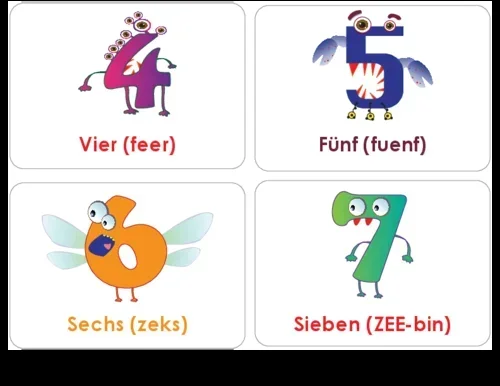
Learning how to say 67 in german is simpler than you think. The German word for 67 is sechsundsechzig, which follows a straightforward pattern used across German numbers. This guide breaks down the pronunciation, rules, and tips so you can say 67 in german confidently and quickly.
Have you ever found yourself staring at a German text and stumbled on the number 67? You are not alone. Many people learning german numbers feel confused at first. But here is the good news. How to say 67 in german is much easier than it seems. Once you understand the pattern, you will be able to say it without even thinking.
This guide walks you through everything you need to know. From pronunciation to practical examples, we cover it all. Whether you are a total beginner or brushing up on your skills, this article makes learning german numbers fun and simple. Let us jump right in.
Key Takeaways
- Pronunciation made simple: “sechsundsechzig” is easier to say than it looks.
- Pattern recognition: German numbers follow a logical structure once you learn the base rules.
- Quick memory tricks: Breaking the word into parts helps you remember it fast.
- Real-world practice: Use everyday examples to reinforce your learning.
- Common mistakes to avoid: Watch out for word order confusion in German numbers.
- Bonus tips: Apply the same rules to count beyond 67 with ease.
📑 Table of Contents
What Is 67 in German?
The German word for 67 is sechsundsechzig. At first glance, it looks like a mouthful. But it is actually built from small, simple parts. The word breaks down into “sechs” (six) and “sechzig” (sixty). In German, you say the ones digit first, then “und” (and), then the tens digit. So “sechs” + “und” + “sechzig” equals 67.
This pattern might feel backward if you are used to English. In English, we say “sixty-seven.” But German flips the order. Once you get used to this, reading and saying german numbers becomes much more natural.
Pronunciation Guide for Sechsundsechzig
Let us break the pronunciation into easy chunks:
- Sechs — sounds like “zeks” (the “s” sounds like a “z”)
- Und — sounds like “oont” (rhymes with “bund”)
- Sechzig — sounds like “ZEKH-tikh” (the “z” is soft)
Put it together and you get “ZEKS-oont-ZEKH-tikh.” Try saying it slowly a few times. With a little practice, it will roll off your tongue naturally. The key is to keep your rhythm smooth and not rush through the word.
How German Numbers Work
German numbers follow a clear and logical system. Once you learn the basic rules, you can build any number from 1 to 999 and beyond. The system is consistent, which makes it one of the easier parts of learning german.
The Teens (13–19)
German teens work the same way as 67. You say the ones digit first, then “und,” then the tens digit. Here are a few examples:
- 13 = dreizehn (literally “three-ten”)
- 15 = fünfzehn (literally “five-ten”)
- 19 = neunzehn (literally “nine-ten”)
Notice that 13 through 19 have their own special words. They do not follow the “und” pattern. But starting at 20, the pattern becomes very regular.
The Tens (20–90)
Once you reach 20, things get really simple. Here are the tens:
- 20 = zwanzig
- 30 = dreißig
- 40 = vierzig
- 50 = fünfzig
- 60 = sechzig
- 70 = siebzig
- 80 = achtzig
- 90 = neunzig
To make any number between 20 and 99, you simply add the ones digit after “und.” For example, 42 becomes “zweiundvierzig” (two and forty). This is the same rule that creates sechsundsechzig for 67.
Why Learning Numbers in German Matters
Numbers are everywhere in daily life. Whether you are traveling, shopping, or just chatting with a German speaker, knowing your numbers is essential. Here is why mastering how to say 67 in german and other numbers matters:
- Shopping: You need to know prices and quantities.
- Travel: Train times, hotel rooms, and addresses all use numbers.
- Conversation: Germans use numbers constantly in everyday talk.
- Confidence: Knowing numbers makes you feel more comfortable speaking the language.
If you have ever used a translate to english in hindi meaning tool to understand a word, you already know how helpful quick translations can be. The same idea applies here. When you know how to say a number, you can focus on the bigger picture of a conversation instead of getting stuck on small details.
Common Mistakes When Saying 67 in German
Even with a simple word like sechsundsechzig, beginners make a few common errors. Here are the ones to watch out for:
Mistake 1: Saying It in English Order
In English, we say “sixty-seven.” Some learners accidentally say it the English way in German. Remember, in German, the ones digit comes first. So always “sechs und sechzig,” not “sechzig und sechs.”
Mistake 2: Mispronouncing the “s”
The “s” at the start of “sechs” sounds like a “z” in English. Many English speakers say it as a hard “s,” which sounds off to native German speakers. Practice saying “zeks” not “seks.”
Mistake 3: Forgetting “und”
Some learners skip the “und” and just say “sechssechzig.” That is not correct. The “und” is the glue that holds the number together. Always include it.
Quick Tips to Remember 67 in German
Here are some fun and easy tricks to help you remember sechsundsechzig:
- Chunk it: Break the word into three parts — sechs + und + sechzig. Master each part separately, then combine them.
- Use it daily: Say the number out loud five times each morning. Repetition builds memory.
- Write it down: Writing the word and its meaning by hand helps reinforce learning.
- Use flashcards: Write “67” on one side and “sechsundsechzig” on the other. Quiz yourself regularly.
- Watch German videos: Hearing native speakers say numbers helps your ear pick up the correct pronunciation.
If you ever come across a confusing abbreviation in a text message, tools like a wyo meaning in text guide can help you decode it quickly. Similarly, when you are learning numbers, having a quick reference makes everything easier.
Applying the Same Rules to Other Numbers
The beauty of the German number system is that once you learn how to say 67, you can apply the same rules to almost any number. Here are a few examples using the same pattern:
- 53 = dreiundfünfzig (three and fifty)
- 78 = achtundsiebzig (eight and seventy)
- 91 = einundneunzig (one and ninety)
- 24 = vierundzwanzig (four and twenty)
See the pattern? You just pair the ones digit, add “und,” and then add the tens digit. It is like building blocks. Once you have the base words memorized, you can create any number from 21 to 99.
When you are exploring language concepts, you might also wonder about phrases like in lieu of meaning in different contexts. While this is more of an English expression, understanding how different languages handle replacements and alternatives adds depth to your language learning journey.
Practice Exercises for Beginners
The best way to learn how to say 67 in german is through practice. Try these simple exercises:
- Exercise 1: Write the number 67 in German five times. Say each one out loud.
- Exercise 2: Have a friend quiz you. They say a number in English, and you respond with the German word.
- Exercise 3: Count from 60 to 70 in German. Focus on smooth transitions between each number.
- Exercise 4: Write a short sentence using 67. For example, “Ich bin 67 Jahre alt” (I am 67 years old).
Consistency is key. Even five minutes of practice each day will help you retain the information. Over time, saying sechsundsechzig will feel as natural as counting to ten in your native language.
The Role of Numbers in German Culture
Numbers carry cultural significance in Germany as well. For instance, the number 7 is considered lucky, and 13 is often seen as unlucky — much like in English-speaking cultures. When you learn a number like 67, you are not just memorizing a word. You are connecting with a whole cultural framework.
Germans also use numbers in unique ways in daily life. For example, they might say “siebzehn Uhr sieben” to mean 5:07 PM (17:07 in 24-hour time). Understanding numbers opens the door to understanding how Germans structure their day and communicate about time.
Language learning tools that help with translation and vocabulary building can be very useful here. Just as you might look up a translate to english in hindi meaning for better understanding, using bilingual number charts helps bridge the gap between languages.
Final Thoughts
How to say 67 in german is a small but important step in your language learning journey. The word sechsundsechzig might look intimidating at first, but once you break it down, it is quite manageable. Remember the pattern: ones digit, “und,” tens digit. Practice a little each day, and you will be saying it with confidence in no time.
Numbers are the foundation of any language. Master them early, and everything else becomes a little easier. So go ahead, practice your sechsundsechzig, and keep building your German skills one number at a time. You have got this!
Frequently Asked Questions
What is the German word for 67?
The German word for 67 is sechsundsechzig. It is made up of three parts: “sechs” (six), “und” (and), and “sechzig” (sixty). The structure follows the German rule of saying the ones digit first, then “und,” then the tens digit.
How do you pronounce sechsundsechzig?
Break it into three parts: “ZEKS” + “oont” + “ZEKH-tikh.” The “s” at the start of “sechs” sounds like a “z” in English. Practice slowly at first, then speed up as you get comfortable. Listening to native speakers is also very helpful.
Is the German number system hard to learn?
Not at all! Once you learn the basic pattern, German numbers are very logical. The system is consistent from 21 to 99, which means you can build any number using the same simple rule. Many learners find German numbers easier than English number words like “eleven” or “twelve.”
Can I use the same rule for other numbers like 45 or 83?
Yes, absolutely. The same rule applies to all numbers between 21 and 99. For example, 45 is “fünfundvierzig” (five and forty), and 83 is “dreiundachtzig” (three and eighty). Just remember: ones digit first, then “und,” then the tens digit.
Why does German put the ones digit before the tens digit?
This is simply how the German language evolved. It might feel backward compared to English, but it follows a consistent and logical pattern. Once you get used to it, you will actually find it easier than the English system because there are fewer irregular exceptions.
How can I practice saying 67 in German every day?
Try saying “sechsundsechzig” out loud five times each morning. Use flashcards, count from 60 to 70 in German, or write short sentences using the number. Even just a few minutes of daily practice will help you remember it quickly and naturally.
=== CONCLUSION ===
Learning how to say 67 in german is a rewarding step for any beginner. The word sechsundsechzig follows a clear pattern that you can apply to many other German numbers. With the pronunciation guide, practice exercises, and quick tips in this article, you now have everything you need to say 67 confidently. Keep practicing, stay curious, and enjoy the journey of learning German. Each number you master brings you one step closer to fluency.