
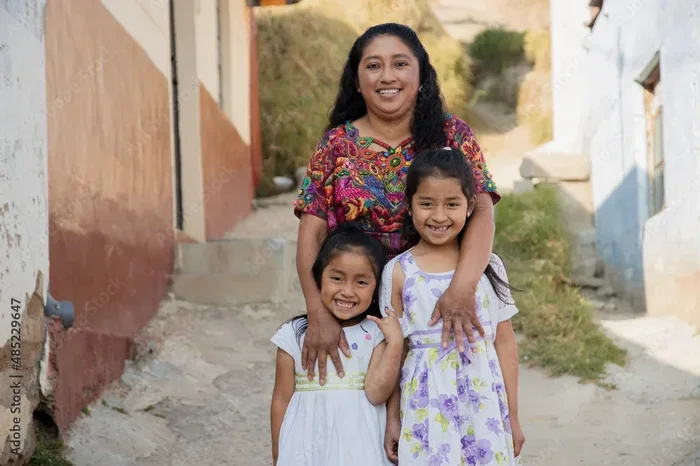
Learning how to say mom in Spanish is easier than you think. The most common word is mamá, but different Spanish-speaking countries use unique variations. This guide covers pronunciation, formal and informal terms, regional differences, and cultural context so you can confidently call mom in any Spanish-speaking environment.
Whether you are planning a trip to a Spanish-speaking country or just want to surprise your Spanish-speaking friends, learning how to say mom in Spanish is a great first step. The word mamá is simple, familiar, and used by millions of people every single day. But there is so much more to explore. Different regions, different families, and different situations all shape the way people refer to their mothers in Spanish.
This guide breaks everything down in a clear and easy-to-follow way. You will learn the standard translation, hear about regional variations, get pronunciation tips, and understand the cultural weight behind the word. By the end, you will feel confident saying mom in Spanish in any setting. Let us dive right in.
Key Takeaways
- Mamá is the standard and most widely used word for mom in Spanish across all countries.
- Pronunciation is straightforward, with the stress on the second syllable and an accent mark on the a.
- Regional variations exist, such as mami in the Caribbean and madre in more formal contexts.
- Texting and informal settings often use shortened or affectionate versions of the word.
- Understanding cultural context helps you choose the right term for the right situation.
- Common mistakes include dropping the accent mark and confusing formal with informal terms.
- Practice and real-life conversation are the best ways to master how to say mom in Spanish naturally.
📑 Table of Contents
The Most Common Way to Say Mom in Spanish
The go-to word for mom in Spanish is mamá. It is recognized from Spain to Argentina and everywhere in between. Just like in English, mamá carries warmth, love, and familiarity. You will hear it in homes, on the street, and in movies. It is the foundation of how Spanish speakers address their mothers.
Understanding Mamá
Mamá works in almost every Spanish-speaking country. It is the default term for mother, just like “mom” is the default in English. The word comes from the Latin mamma, which is the same root used in many languages around the world. This makes it feel natural and easy to remember for English speakers.
In everyday conversation, mamá can mean “Mom” or “Mommy.” The context usually makes the meaning clear. If a child says mamá, they mean “Mommy.” If an adult says mamá, they might mean “Mom” or even “Mother” depending on the tone and situation.
How to Pronounce Mamá
Pronouncing mamá is simple. It has two syllables: ma and má. The stress falls on the second syllable, which is why there is an accent mark over the final a. Here is a quick breakdown:
- Ma — say it like “mah” with a short a sound.
- Má — say it like “mah” but slightly longer and louder.
- Put them together: mah-MAH.
The accent mark is important. Without it, the word would be mama, which means something different entirely. In Spanish, the accent mark changes the meaning and the stress of a word. So always remember to include that little mark above the a when writing mamá.
Other Ways to Say Mom in Spanish
While mamá is the most common word, Spanish offers several other ways to refer to mom. These variations depend on region, formality, and personal preference. Let us explore some of the most popular alternatives.
Madre — The Formal Word for Mother
Madre is the formal Spanish word for mother. It is similar to saying “mother” in English rather than “mom.” You will hear madre used in more serious or respectful contexts. For example, someone might say mi madre (my mother) when talking about their parent in a formal setting.
However, madre also has some informal uses in certain Spanish-speaking countries. In Mexico, for instance, the word can be used as an exclamation or even in slang expressions. This is why context matters so much when using madre. Always pay attention to how native speakers use the word before jumping in yourself.
Mami — The Affectionate Short Form
Mami is a warm and affectionate way to say mom or mama. It is especially popular in the Caribbean, Puerto Rico, and parts of Central America. Many children use mami as their first word for their mother. Adults also use it as a term of endearment.
Mami has also crossed over into popular culture. You will hear it in music, on social media, and in everyday texting. It feels casual, loving, and modern. If you want to sound warm and friendly when addressing a mother figure, mami is a wonderful choice.
Regional Variations Across Spanish-Speaking Countries
Spanish is spoken in over 20 countries, and each one has its own twist on how to say mom. Here are some regional highlights:
- Spain: People often say mamá or madre. Some also use mami in casual settings.
- Mexico: Mamá is standard. Mami is also very common among younger speakers.
- Colombia: Mamá is widely used, and mamita (little mom) is a common affectionate diminutive.
- Argentina: Mamá is the norm, and mami appears in informal speech.
- Caribbean countries: Mami and mamá are both popular, with mami carrying extra warmth.
If you are curious about how translation works across different languages and cultures, you might enjoy our guide on translate to english in hindi meaning to see how family terms differ across even more languages.
How to Say Mom in Spanish for Different Contexts
The way you say mom in Spanish can change depending on the situation. A child talking to their mother uses a different tone than an adult writing a formal letter. Let us look at how context shapes the word.
Texting and Informal Communication
When texting your mom, you might use a shorter or cuter version of the word. Many people text mamá with an exclamation mark or use emojis alongside it. Some younger texters prefer mami because it feels quick and casual.
Here are some common ways people text their mom in Spanish:
- Mamá — the standard and safe choice for any text.
- Mami — a cute and affectionate option for informal chats.
- Mamita — a sweet diminutive that adds extra warmth.
- Mamá querida — meaning “dear mom,” used for heartfelt messages.
If you are curious about common text abbreviations, you might also want to check out what wyo meaning in text stands for, since texting slang is a fun part of learning any language.
Written vs Spoken Forms
In written Spanish, mamá always includes the accent mark. This is a key rule in Spanish spelling. Without the accent, the word loses its correct pronunciation and can even change meaning. In spoken Spanish, the accent mark guides you to stress the right syllable, which keeps the word sounding natural and clear.
If you are writing a letter, a card, or a message to your mom in Spanish, always use mamá with the accent. It shows attention to detail and respect for the language. Your mom will definitely appreciate the effort.
Cultural Insights About Calling Mom in Spanish
Language and culture are deeply connected. The way Spanish speakers refer to their mothers reflects values like respect, warmth, and family closeness. Understanding this cultural layer makes learning how to say mom in Spanish even more meaningful.
Family Culture in Spanish-Speaking Countries
Family is at the center of life in most Spanish-speaking countries. Mothers often hold a special place in the family structure. They are typically seen as the heart of the home, and the words used to address them carry deep emotional weight.
When you say mamá in Spanish, you are not just using a word. You are participating in a tradition that spans centuries and connects millions of families across the world. The warmth in the word reflects the warmth in the relationship.
Some families also use unique nicknames for mom that are specific to their household. These might include playful versions like mamita, mamacita, or even completely custom names. The key is to follow the lead of the family and use whatever term feels right in the moment.
Why Language Matters in Family Bonds
Using the right word for mom in Spanish shows that you care about the language and the culture. It opens doors to deeper conversations and stronger connections. Even a simple mamá said with the right pronunciation and genuine feeling can make someone’s day.
Language is more than vocabulary and grammar. It is a way of expressing love, respect, and belonging. When you learn how to say mom in Spanish, you are also learning how to show affection in a different cultural context. That is a beautiful thing.
For those interested in how different languages handle the concept of substitution or alternatives, our article on in lieu of meaning explores how the idea of using one term instead of another applies across language and culture.
Common Mistakes Beginners Make
Learning a new language always comes with a few stumbles. Here are the most common mistakes beginners make when trying to say mom in Spanish, and how to avoid them.
Dropping the Accent Mark
This is the number one mistake. Writing mama instead of mamá changes the word entirely. In Spanish, accent marks are not optional decorations. They are essential parts of the word. Always include the accent to get the pronunciation and meaning right.
Confusing Mamá with Mama
Without the accent, mama is not a standard Spanish word. It might look like a misspelling to native speakers. So take the extra two seconds to add that little mark above the a. It makes all the difference.
Using Madre in Casual Settings
While madre means mother, using it casually can sometimes cause confusion or even offense in certain regions. Stick with mamá for everyday conversations unless you are sure the context calls for madre.
Ignoring Regional Differences
Every Spanish-speaking region has its own preferences. What works in Spain might sound a little different in Mexico or Colombia. When in doubt, mamá is always a safe and universally understood choice.
Quick Tips for Remembering How to Say Mom in Spanish
Here are some fast and practical tips to help you lock in the word mamá and its variations:
- Repeat it out loud five times every day. Saying the word aloud builds muscle memory and improves pronunciation.
- Write it down with the accent mark. Visual repetition helps reinforce the correct spelling.
- Think of your own mom. Connect the word to a real person and a real feeling. This makes it stick faster.
- Watch Spanish-language shows or movies. Listening to native speakers say mamá in context is incredibly helpful.
- Practice with a language partner. Saying the word to another person builds confidence and fluency.
- Use flashcards. A simple card with mamá on one side and “mom” on the other works wonders.
- Sing a Spanish lullaby or song. Music is a fun and effective way to remember new vocabulary.
If you are just getting started with learning Spanish, these tips will help you build a strong foundation. And remember, every expert was once a beginner. The fact that you are learning how to say mom in Spanish already shows real dedication.
Final Thoughts
Learning how to say mom in Spanish is a small but meaningful step into the Spanish language. The word mamá is simple, beautiful, and universal. It connects you to millions of Spanish speakers around the world and opens the door to deeper cultural understanding.
Whether you use mamá, madre, or mami, what matters most is the love and intention behind the word. Language is a bridge, and knowing how to call someone “mom” in their language is one of the strongest bridges you can build.
So practice your pronunciation, explore the regional variations, and most importantly, have fun with it. The journey of learning a new language starts with simple words like mamá. And from there, it only gets more exciting. Start today, and soon you will be saying mom in Spanish like a native speaker.
Frequently Asked Questions
What is the most common way to say mom in Spanish?
The most common and universally recognized word is mamá. It is used across all Spanish-speaking countries and works in both formal and informal settings. Just remember to include the accent mark above the final a for correct spelling and pronunciation.
Is madre the same as mom in Spanish?
Madre means “mother” and is the formal equivalent. While it can be used to refer to mom, it sounds more serious and formal compared to mamá. In casual conversation, most people prefer mamá or affectionate variations like mami.
Do Spanish-speaking countries use different words for mom?
Yes, there are regional variations. For example, mami is very popular in the Caribbean and Puerto Rico, while mamita is common in Colombia. However, mamá remains the standard and safest choice no matter where you are.
How do you pronounce mamá correctly?
Say it as two syllables: mah-MAH. The stress falls on the second syllable, which is indicated by the accent mark. Keep both syllables short and clear, and you will sound natural to native speakers.
Can I use mami to address my own mom?
Absolutely. Mami is a warm and affectionate term that works well in casual and family settings. It is especially common among younger speakers and in Caribbean Spanish-speaking regions. Just be aware that in some contexts, mami can also be used more broadly, so consider your audience.
Why is the accent mark important in mamá?
The accent mark tells you which syllable to stress. Without it, the word becomes mama, which is not a standard Spanish word. The accent ensures correct pronunciation and proper spelling, both of which are essential in Spanish writing and communication.