
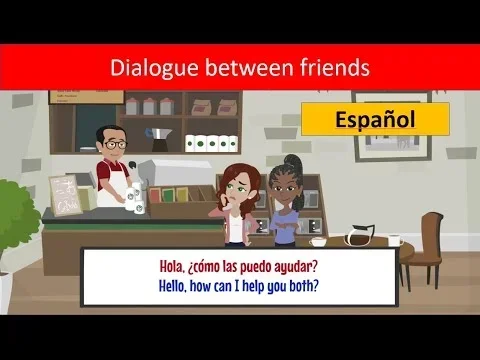
Knowing how to say you in Spanish depends on the country, context, and level of respect you want to show. Spanish has multiple forms of “you” — including tú, usted, vos, vosotros, and ustedes — and choosing the right one can change the tone of your entire conversation. This guide breaks down every option so you can speak Spanish with confidence and avoid awkward mistakes.
Learning a new language is exciting. But few things trip up beginners faster than figuring out how to say you in Spanish. Unlike English, which uses just one word — “you” — Spanish offers several options. Each one carries its own rules, tone, and cultural meaning.
If you have ever wondered why a Spanish speaker calls someone “tú” in one sentence and “usted” in the next, you are not alone. The answer lies in formality, region, and relationship. This guide will walk you through every form of “you” in Spanish, when to use each one, and how to avoid common mistakes.
By the end of this article, you will feel confident choosing the right word for any situation. Whether you are traveling, chatting with friends, or building a business relationship, knowing how to say you in Spanish properly makes all the difference.
Key Takeaways
- Tú is the most common informal “you” used across the Spanish-speaking world.
- Usted shows respect and is essential in formal settings.
- Vos is widely used in Latin America and changes verb forms.
- Vosotros and ustedes handle plural “you” but differ by region.
- Using the wrong form can accidentally be rude or confusing.
- Context and culture matter just as much as grammar rules.
📑 Table of Contents
- Why Spanish Has So Many Ways to Say “You”
- Tú — The Informal “You” for Friends and Family
- Usted — The Formal “You” for Respect and Distance
- Vos — The Informal “You” That Surprises Many Learners
- Plural Forms — Vosotros and Ustedes
- Common Mistakes When Saying “You” in Spanish
- Quick Tips for Mastering “You” in Spanish
- Expressing Feelings: I Miss You and More
- Final Thoughts on How to Say You in Spanish
Why Spanish Has So Many Ways to Say “You”
English keeps things simple. One word, “you,” works for everyone. Spanish takes a different approach. It distinguishes between formal and informal address, singular and plural, and even regional preferences. This system might feel overwhelming at first. But once you understand the logic, it becomes second nature.
The reason Spanish has multiple forms of “you” comes down to respect and social dynamics. In many cultures, how you address someone signals your relationship. Using the wrong form can make someone feel disrespected — or overly stiff. So getting this right matters more than you might think.
The Role of Formality in Spanish
Formality in Spanish works similarly to honorifics in other languages. Think of how Japanese uses different levels of politeness. Or how German distinguishes between “Du” and “Sie.” Spanish does the same with “tú” and “usted.”
When you use “tú,” you are saying, “We are equals.” When you use “usted,” you are saying, “I respect you.” This distinction shapes every conversation. And once you grasp it, your Spanish speaking skills will level up fast.
Tú — The Informal “You” for Friends and Family
Tú is the go-to word for casual, friendly conversations. You use it with people your age, friends, family members, and peers. It creates a warm, relaxed tone that makes conversations feel natural.
Here are the basic rules for using “tú”:
- Use it with children, teenagers, and people your own age.
- Use it with close friends and family members.
- Use it in informal settings like social gatherings or casual texting.
- Avoid it in professional or formal situations unless invited to do so.
Tú pairs with specific verb conjugations. For example, “tú hablas” means “you speak.” The verb ending changes from the formal “usted” form, which is “usted habla.” This small difference carries big meaning.
Many language learners start with “tú” because it feels more natural and friendly. And in most Spanish speaking countries, it is the default choice for everyday talk. But always pay attention to the other person’s cues. If they switch to “usted,” follow their lead.
When to Use Tú in Different Regions
Not every country uses “tú” the same way. In Spain, “tú” is standard in casual settings. In Mexico, it works well for friends and family. But in some places, other forms like “vos” take over the informal role entirely.
If you are learning Spanish for travel, start with “tú.” It is widely understood and rarely causes offense. Just remember that the verb forms change slightly depending on the region.
Usted — The Formal “You” for Respect and Distance
Usted is the formal version of “you” in Spanish. You use it to show respect, maintain distance, or address someone older or in a position of authority. Think of it as the polite, professional choice.
Here are the situations where “usted” is the right call:
- Speaking with older people or elders.
- Addressing authority figures like bosses, teachers, or officials.
- Meeting someone for the first time in a formal setting.
- Working in professional or business environments.
- Showing extra courtesy in customer service interactions.
Usted uses third-person verb forms, which can feel strange at first. For example, “usted habla” (you speak) looks like “he/she speaks.” But this is the beauty of the system — it keeps the formal tone consistent and clear.
Usted Across Spanish Speaking Countries
The use of “usted” varies by region. In Colombia, people use “usted” even with friends and family in many situations. In Spain, “usted” is reserved mainly for very formal contexts. In Mexico, it appears in professional settings and with strangers.
Understanding these regional differences helps you sound more natural. It also shows cultural awareness, which native speakers really appreciate. When in doubt, observe how locals speak and follow their example.
Vos — The Informal “You” That Surprises Many Learners
If you have been studying Spanish grammar and suddenly heard “vos” everywhere, do not panic. “Vos” is simply another informal way to say “you.” It is widely used in parts of Latin America and carries its own verb conjugations.
Countries where “vos” is common include:
- Argentina
- Uruguay
- Paraguay
- Parts of Central America like Guatemala and Honduras
- Some regions of Colombia and Chile
In Argentina, “vos” is not just common — it is the standard informal form. You will hear it in movies, music, and everyday conversations. The verb forms are slightly different from “tú.” For example, “vos tenés” instead of “tú tienes” (you have).
Vos vs. Tú: What Changes?
The main difference between “vos” and “tú” lies in verb conjugation. The pronoun itself works the same way for informal address. But the endings shift in the present tense:
- Tú: tú hablas, tú comes, tú vives
- Vos: vos hablás, vos comés, vos vivís
Notice the stress shifts to the end of the verb. This is the key marker. Once you learn these patterns, switching between “tú” and “vos” becomes easy.
Using “vos” in a country where “tú” is standard will not offend anyone. But using “tú” in Argentina might mark you as a foreigner. So matching the local dialect is always a smart move.
Plural Forms — Vosotros and Ustedes
Spanish also has two ways to say “you” when addressing more than one person. These plural forms depend on where you are speaking.
Vosotros is used in Spain for informal plural “you.” For example, “vosotros habláis” means “you all speak.” It is warm, casual, and common among friends and peers.
Ustedes is used across Latin America for formal or informal plural “you.” There is no distinction between formal and informal in the plural. So “ustedes hablan” can mean anything from “you all speak” among friends to “you all speak” in a boardroom.
If you are learning European Spanish, you will need “vosotros.” If you are focused on Latin American Spanish, “ustedes” is all you need. This is one of the clearest regional divides in the language.
Quick Comparison of Plural Forms
| Form | Region | Tone | Example |
|---|---|---|---|
| Vosotros | Spain | Informal | Vosotros habláis |
| Ustedes | Latin America | Both formal and informal | Ustedes hablan |
Common Mistakes When Saying “You” in Spanish
Even advanced learners make mistakes with Spanish pronouns. Here are the most common errors and how to avoid them.
Mistake 1: Using tú with strangers. Walking up to an older person and saying “tú” can feel disrespectful. Start with “usted” and let the other person suggest switching to “tú.”
Mistake 2: Mixing up vos and tú verb forms. In Argentina, saying “tú tienes” instead of “vos tenés” sounds off. Learn the local conjugation before you visit.
Mistake 3: Ignoring regional norms. What works in Spain may not work in Mexico. What works in Colombia may feel odd in Argentina. Always research the local conversation style before you travel.
Mistake 4: Overusing formal language. Some learners stick with “usted” out of fear of making a mistake. This can make conversations feel stiff and distant. When in doubt, observe and adapt.
How to Recover from a Pronoun Mistake
Everyone makes mistakes. If you accidentally use the wrong form of “you,” do not panic. Most native speakers are forgiving and will simply adjust their response. A quick smile and a lighthearted “perdón, estoy aprendiendo” (sorry, I am learning) goes a long way.
Think of it this way: making a pronoun mistake shows you are trying. And most people genuinely appreciate the effort. Even if you mix things up, your willingness to communicate matters more than perfection.
Quick Tips for Mastering “You” in Spanish
Want to speed up your learning? Here are some practical tips that work:
- Start with tú and usted. These two cover most situations you will encounter as a beginner.
- Listen to native speakers. Pay attention to how they address different people in movies, podcasts, and conversations.
- Practice with real people. Language exchange partners can give you immediate feedback on your pronoun choices.
- Learn by region. If you know you will visit a specific country, study its local norms ahead of time.
- Do not be afraid to ask. Native speakers love helping learners. Asking “Should I use tú or usted with you?” is always a safe and smart move.
One of the best ways to internalize how to say you in Spanish is through real-life practice. Try using what you learn in actual conversations as soon as possible. The more you use it, the more natural it becomes.
Building Confidence Step by Step
Confidence comes with repetition. Start in low-pressure settings like casual conversations with friends or language partners. Then gradually move into more formal situations. Over time, choosing the right form of “you” will feel automatic.
Remember that every native speaker you meet has gone through the same learning process. They will not judge you for getting it wrong. They will appreciate your effort to communicate respectfully.
Expressing Feelings: I Miss You and More
Once you understand how to say you in Spanish, you can start expressing deeper emotions. Phrases like “te echo de menos” (I miss you) use the informal “tú” form naturally. Saying “te echo de menos, tú” feels warm and personal.
If you want to get creative with how you express missing someone, playful language like miss you puns can add fun to your conversations. Light humor helps build connection, especially when you are still building your vocabulary.
Similarly, if you ever need to translate phrases between languages, understanding the translate to English in Hindi meaning of expressions can deepen your grasp of how meaning shifts across cultures. Language is full of beautiful nuances, and each one makes you a better communicator.
Also, in casual texting, you will encounter many abbreviations and slang terms. Knowing what something like “wyo meaning in text” stands for can help you keep up with modern digital conversation style among younger Spanish speakers who blend English slang into their chats.
Finally, when you want to express something “in lieu of” saying it directly, understanding phrases like in lieu of meaning helps you navigate polite alternatives in any language. Sometimes saying “you” indirectly — through a kind gesture or a thoughtful phrase — says more than the word itself ever could.
Final Thoughts on How to Say You in Spanish
How to say you in Spanish is more than just a grammar lesson. It is a window into culture, respect, and human connection. Every form — tú, usted, vos, vosotros, ustedes — carries its own weight and meaning.
The good news is that you do not need to master all of them on day one. Start with the basics, practice regularly, and let your confidence grow naturally. The more you expose yourself to real Spanish language input, the more intuitive these choices will become.
Remember, every mistake is a stepping stone. Every conversation is a chance to improve. And every native speaker you meet is a teacher willing to guide you. So go out there, pick the right form of “you,” and enjoy the journey of speaking Spanish with authenticity and heart.
You have got this. The right word is always just a conversation away.
Frequently Asked Questions
What is the most common way to say you in Spanish?
Tú is the most common informal way to say “you” across the Spanish-speaking world. It is used with friends, family, and people your own age. For formal situations, usted is the standard choice. Together, these two cover the vast majority of conversations you will have.
Is vos the same as tú in Spanish?
Vos serves the same purpose as “tú” — it is the informal “you.” But it is used in specific regions like Argentina, Uruguay, and parts of Central America. The verb conjugations also change slightly, so “vos tenés” replaces “tú tienes.” Both are correct, but they are not interchangeable everywhere.
When should I use usted instead of tú?
Use usted when speaking with older people, authority figures, strangers, or in professional settings. It shows respect and maintains a polite distance. If you are unsure, starting with “usted” is always safe. The other person can always suggest switching to “tú” if they prefer.
Do I need to learn vosotros if I am learning Latin American Spanish?
No, vosotros is primarily used in Spain. In Latin America, ustedes handles both formal and informal plural “you.” If your focus is on Latin American Spanish speaking countries, you can skip vosotros for now and save it for later.
Can using the wrong form of you in Spanish be offensive?
It can be, especially if you use “tú” with someone who expects “usted.” Using an informal form with a stranger or elder may come across as disrespectful. However, most native speakers are understanding and will appreciate your effort. The key is to observe, adapt, and always show respect.
How long does it take to feel confident choosing the right form of you in Spanish?
Most learners feel comfortable with “tú” and “usted” within a few weeks of practice. Regional forms like “vos” take a bit longer, especially if you are not studying that specific dialect. Consistent exposure through conversation, media, and real-life practice speeds up the process significantly.
=== CONCLUSION ===
How to say you in Spanish is a foundational skill that opens doors to deeper, more meaningful conversations. Whether you choose tú, usted, vos, or the plural forms, each option carries its own cultural weight and social meaning. The key is to start with the basics, stay curious, and always respect the context of your conversation.
With practice and exposure, selecting the right form of “you” will become second nature. You will sound more natural, connect better with native speakers, and navigate any social situation with ease. So keep learning, keep practicing, and enjoy every step of your Spanish language journey.