
The freemason meaning goes far deeper than most people realize. At its core, freemasonry is a fraternal organization built on moral lessons, brotherhood, and self-improvement. The ancient roots trace back to medieval stonemason guilds, but modern freemasonry focuses on personal growth and community service. Understanding the true freemason meaning reveals a world of rich tradition, powerful symbols, and timeless values that still matter today.
Have you ever wondered what the freemason meaning really is? Maybe you have seen the square and compasses symbol on a building or a piece of jewelry and felt curious. Or perhaps someone told you something about secret societies that made you want to learn more.
The truth about freemasonry is both fascinating and surprisingly simple. At its heart, freemasonry is a brotherhood that focuses on personal growth, moral values, and helping others. It is not a secret cult, and it is not a religion. It is a fraternal organization with deep roots in history and a message that still resonates today.
In this article, we will explore the freemason meaning in full detail. You will learn where it all started, what the symbols mean, how the rituals work, and why millions of men around the world still value this ancient brotherhood. Whether you are just curious or seriously considering joining a masonic lodge, this guide has everything you need.
Key Takeaways
- Freemason meaning centers on moral self-improvement: The brotherhood uses building metaphors to teach life lessons about character and integrity.
- The history spans centuries: From medieval stonemason guilds to modern fraternal organizations, freemasonry has evolved while keeping its core values.
- Symbols carry deep significance: The square and compasses, the apron, and other masonic symbols each tell a story about the craft.
- Masonic membership is open to men of good character: There is no special bloodline or secret agenda — just a commitment to brotherhood and service.
- Freemasonry is not a religion: It encourages spiritual growth but does not replace any faith or demand specific beliefs.
- Modern freemasons focus on community impact: Charity, fellowship, and personal development drive today’s masonic lodges worldwide.
📑 Table of Contents
What Does Freemason Mean?
The word “freemason” might sound mysterious. But the freemason meaning is actually rooted in a very practical trade. Centuries ago, skilled workers who shaped stone into buildings were called masons. The “free” part meant they were free to travel and work wherever they wanted, unlike serfs who were tied to the land.
Over time, these stonemason guilds started accepting people who were not actual builders. They wanted to preserve the moral teachings and fellowship of the craft. This shift from operative masonry to speculative masonry is what created the modern fraternal organization we know today.
The Building Metaphor
One of the most beautiful parts of the freemason meaning is how it uses building as a metaphor for personal growth. Freemasons think of life as a construction project. You start as rough ashlar, which is an uncut stone, and through education, self-discipline, and moral effort, you become a polished ashlar — a smooth, refined stone ready to be placed in a grand building.
This metaphor teaches that every person has the potential to become better. It is not about perfection overnight. It is about steady progress and honest effort. The masonic principles of integrity, charity, and respect guide this journey.
The Rich History Behind Freemasonry
The freemason history stretches back hundreds of years. The earliest recorded masonic lodge dates to the 1600s in Scotland and England. But the roots go even deeper into medieval times when stonemasons formed guilds to protect their trade secrets and support each other.
From Operative to Speculative
In the early days, masons were actual builders. They built cathedrals, castles, and fortifications. They passed their skills from master to apprentice through a system that still influences masonic degrees today. The three original degrees — Entered Apprentice, Fellow Craft, and Master Mason — mirror the stages of learning any craft.
By the 1600s and 1700s, the guilds began accepting non-builders. These “speculative” masons used the tools and symbols of the stone trade to teach moral and philosophical lessons. The grand lodge system was created to organize and regulate these new lodges across different regions.
Freemasonry in World History
Many famous figures in history were freemasons. George Washington, Benjamin Franklin, and Mozart all belonged to masonic lodges. The brotherhood played a role in spreading Enlightenment ideas about liberty, reason, and tolerance. Today, there are millions of freemasons in lodges across the globe, from North America to Europe, Asia, and Africa.
The freemason meaning has stayed remarkably consistent over the centuries. The tools may be the same, the symbols may be familiar, and the core message — become a better person and help others do the same — has not changed.
The Symbols and Their Hidden Meanings
Freemasonry is famous for its symbols. But the masonic symbols are not meant to hide secrets from outsiders. They are teaching tools. Each symbol carries a lesson about morality, wisdom, and brotherhood.
The Square and Compasses
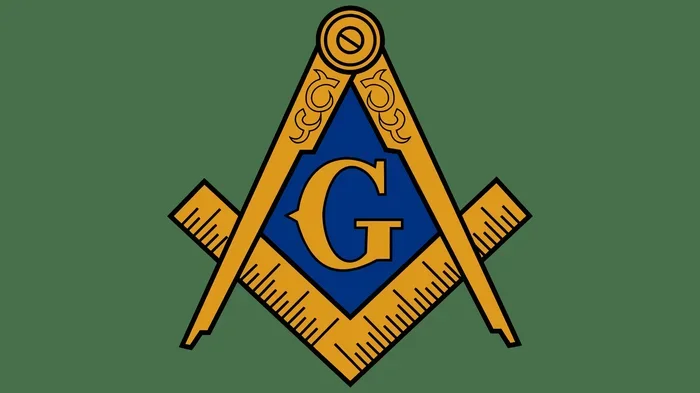
The most recognized freemason symbol is the square and compasses. The square represents honesty and fairness in all dealings. The compasses remind members to keep their desires and passions within proper bounds. Together, they form the emblem of the fraternity and are often seen with the letter “G” in the center, standing for God, Geometry, or the Grand Architect of the Universe.
The Masonic Apron
The masonic apron is one of the oldest symbols in the craft. It traces back to the aprons worn by medieval stonemasons to carry their tools. Today, it represents purity of character and the hard work of self-improvement. Every freemason earns the right to wear the apron through dedication to the craft.
Other Key Symbols
There are many other symbols in freemasonry, each with its own lesson:
- The Level: Reminds members that all people are equal.
- The Plumb: Teaches the importance of uprightness and integrity.
- The Trowel: Symbolizes the duty to spread brotherly love.
- The Rough and Perfect Ashlar: Represents the journey from ignorance to knowledge.
- The Pillars (Jachin and Boaz): Stand for strength and wisdom.
Understanding these symbols gives you a deeper appreciation for the freemason meaning. They are not secret codes. They are reminders of values worth living by.
How the Freemason Meaning Applies Today
Some people think freemasonry belongs to the past. But the masonic brotherhood is alive and well in the 21st century. Modern masonic lodges focus on community service, charity, and fellowship. The freemason meaning applies just as powerfully today as it did centuries ago.
Community and Charity
One of the biggest parts of modern freemasonry is giving back. Lodges around the world raise millions of dollars for charity each year. They support hospitals, scholarships, disaster relief, and local community projects. When you join a masonic lodge, you become part of a network of men committed to making a difference.
Personal Growth and Fellowship
The masonic degrees are designed to guide members through stages of personal development. Each degree builds on the last, adding new layers of understanding about yourself, your relationships, and your place in the world. The masonic rituals are not theatrical shows. They are meaningful ceremonies that reinforce the lessons of the craft.
Fellowship is another big draw. In a world where people often feel isolated, the fraternal organization offers genuine brotherhood. Members support each other through difficult times, celebrate successes together, and build lasting friendships based on shared values.
The Three Degrees Explained
The masonic degrees form the backbone of the freemason experience:
- Entered Apprentice: The first degree introduces you to the basics of the craft. You learn about humility, eagerness to learn, and the importance of starting with a solid foundation.
- Fellow Craft: The second degree focuses on knowledge and intellectual growth. It teaches the value of education, reflection, and balanced living.
- Master Mason: The third and most advanced degree is about wisdom, integrity, and the completion of a meaningful life. It is the culmination of the journey.
Each degree deepens your understanding of the freemason meaning. The process is not rushed. Members take their time to absorb each lesson and apply it to their daily lives.
Common Misconceptions About Freemasonry
There is a lot of misinformation about freemasonry. Let us clear up some of the most common myths so you can see the freemason meaning for what it truly is.
Myth: Freemasonry Is a Secret Society
Freemasonry is more accurately described as a “society with secrets” rather than a “secret society.” The meeting locations, times, and membership lists are usually public. The masonic rituals and passwords are kept private, much like how a fraternity or club might keep some traditions internal. But there is no grand conspiracy hiding in the shadows.
Myth: Freemasonry Is a Religion
Freemasonry is not a religion. It does not offer salvation, worship a specific deity, or replace your faith. However, it does require members to believe in a higher power. The freemason meaning encourages spiritual growth, but it respects every member’s individual religious beliefs.
Myth: Freemasons Control the World
This myth has been around for centuries and shows up in movies, books, and conspiracy theories. The truth is much more grounded. Freemasons are regular people — teachers, doctors, tradespeople, business owners — who meet to support each other and their communities. The masonic membership is open to men of good character, not a shadowy elite.
Myth: You Need Money or Connections to Join
While there are membership fees to cover lodge expenses, freemasonry is not a wealthy exclusive club. You do not need famous connections or a large bank account. What matters is your character, your willingness to grow, and your desire to be part of a supportive brotherhood.
The Core Values of the Freemason Brotherhood
The freemason meaning comes down to a set of core values that every member is expected to live by. These values are simple but powerful.
Brotherly Love
Freemasons are taught to treat every person with kindness and respect. Brotherly love means caring for your fellow man, offering help when it is needed, and building bridges instead of walls. This value extends far beyond the lodge room into everyday life.
Relief
Relief refers to charity and service. Freemasons are encouraged to give back to their communities and help those in need. Whether through financial donations, volunteer work, or simply being there for a friend in trouble, the value of relief is central to the masonic brotherhood.
Truth
Truth is about honesty, integrity, and fairness. Freemasons strive to be truthful in their words and actions. They believe that living with honesty creates a stronger foundation for everything else in life — family, career, friendships, and personal growth.
These three values — brotherly love, relief, and truth — form the foundation of the freemason meaning. They are not just words spoken during ceremonies. They are guidelines for how to live a good and meaningful life.
Quick Tips for Understanding Freemasonry
- Visit a local lodge open house: Many lodges welcome visitors to learn more about the craft.
- Read books by reputable authors: Look for works by historians and practicing freemasons.
- Ask questions without judgment: Freemasons are happy to share what they know.
- Focus on the values, not the myths: The real freemason meaning is about character, not conspiracy.
- Respect the traditions: Even if you are not a member, understanding the rituals shows respect for the craft.
Common Mistakes People Make When Learning About Freemasonry
- Believing everything you hear: Conspiracy theories and outdated myths distort the real freemason meaning.
- Assuming it is anti-religion: Freemasonry encourages spiritual belief, not the rejection of faith.
- Thinking it is only for the rich or powerful: Members come from all walks of life.
- Skipping the history: Understanding the freemason history deepens your appreciation for the present-day craft.
- Ignoring the symbolism: The masonic symbols are the best window into the deeper meaning of the craft.
Expert Insights on the Freemason Meaning
According to historians and long-standing members of the masonic brotherhood, the freemason meaning has always been about transformation. “Freemasonry does not make you a better man,” says one senior member, “but it gives you the tools and the community to become one.” The masonic lodge is a place where men can grow together, support each other, and work toward becoming the best versions of themselves.
The fraternal organization has adapted over the centuries, but its core mission has not changed. Whether you are a speculative mason in the 2020s or a operative mason in the 1600s, the message remains the same: build yourself with care, treat others with respect, and leave the world better than you found it.
Key Takeaways
- The freemason meaning is rooted in moral self-improvement and brotherhood.
- The freemason history spans centuries from medieval stonemason guilds to modern fraternal lodges.
- Masonic symbols like the square and compasses teach timeless values of honesty and self-discipline.
- Masonic membership is open to men of good character who want to grow and serve.
- Freemasonry is not a religion — it supports spiritual growth without replacing personal faith.
- Modern masonic lodges focus heavily on charity, community service, and fellowship.
- The three masonic degrees guide members through stages of personal and moral development.
Conclusion
The freemason meaning is something everyone can appreciate, whether you are a member or simply curious. It is a brotherhood built on values that never go out of style: honesty, charity, brotherly love, and the constant pursuit of becoming a better person.
From the medieval stonemason guilds to today’s masonic lodges, the craft has survived for centuries because its message is timeless. The masonic symbols are not hidden codes for the elite. They are gentle reminders of the principles that make life meaningful.
If you have been searching for a community that values growth, service, and genuine connection, the freemason meaning might just be what you have been looking for. The brotherhood is open, welcoming, and ready to welcome men who want to make a positive difference in the world.
Take the next step. Learn more, ask questions, and discover what the ancient brotherhood has to offer you today.
Frequently Asked Questions
What is the true freemason meaning?
The freemason meaning is a fraternal organization focused on moral self-improvement, brotherhood, and community service. It uses the metaphors and tools of stone-building to teach life lessons about character, integrity, and personal growth.
Is freemasonry a religion?
No, freemasonry is not a religion. It does not offer salvation or worship a specific deity. However, members must believe in a higher power. The masonic lodge encourages spiritual growth while fully respecting each member’s individual religious beliefs.
Who can become a freemason?
Masonic membership is open to men of good character who believe in a higher power and want to grow personally and give back to their community. There are no requirements for wealth, social status, or specific background.
What are the main freemason symbols?
The most recognized masonic symbols include the square and compasses, the masonic apron, the level, the plumb, the rough and perfect ashlar, and the pillars Jachin and Boaz. Each symbol carries a specific moral or philosophical lesson.
What is the difference between operative and speculative masonry?
Operative masonry refers to the actual stonemason guilds of the Middle Ages who built cathedrals and castles. Speculative masonry is the modern form where non-builders use the craft’s tools and symbols to teach moral and philosophical lessons. The freemason meaning today is rooted in speculative masonry.
Do freemasons have secret rituals?
Freemasons do have private ceremonies and traditions that are kept within the lodge. But the fraternal organization itself is not a secret society. Meeting locations are usually public, and the core values of brotherly love, relief, and truth are openly shared.