
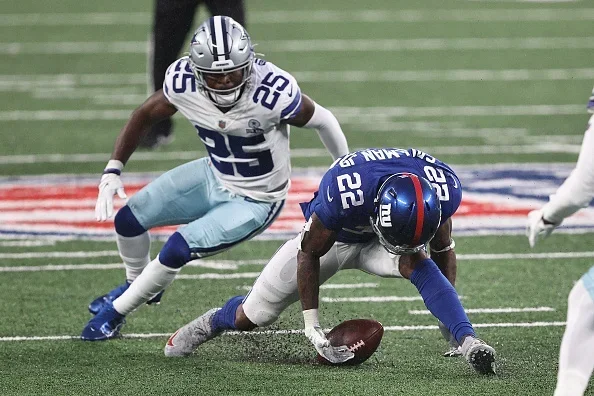
The fumble meaning in football is simple: a player loses possession of the ball before the play ends, giving the other team a chance to recover it. Understanding this play is essential for fans, players, and coaches alike. A single fumble can change the outcome of a game in seconds.
Football is a game of inches. But sometimes, it is a game of loose balls too. When a player drops the football or gets it knocked away, the whole field erupts. Every player on the field sprints toward that bouncing pigskin. This moment is what the fumble meaning captures in its simplest form.
So what does fumble mean exactly? A fumble occurs when a player who has possession and control of the ball loses it before the play is officially ruled dead. The ball becomes a free object on the ground. Any player from either team can try to recover it. This is one of the most exciting and unpredictable plays in all of football.
Understanding the fumble meaning goes beyond just the dictionary definition. It involves knowing the rules, the causes, the consequences, and the strategies teams use to prevent them. Whether you are a casual fan watching on Sunday or a young player practicing on a Saturday morning, knowing about fumbles makes you a smarter football lover.
The fumble meaning in football represents one of the most dramatic and game-changing events that can happen on the field. A single loose ball can turn a promising drive into a disaster or give a team a sudden life-changing opportunity. It does not matter if you are on offense or defense. A fumble does not care about your team colors or your jersey number. It is a great equalizer in the sport.
In this article, we will break down everything you need to know about the fumble meaning. We will cover the official rules, common causes, famous moments, and practical tips to avoid losing the ball. By the end, you will have a complete picture of why this play matters so much.
Key Takeaways
- Fumble meaning explained: A fumble happens when a player loses control of the football before the play is ruled dead.
- Any player can cause or recover a fumble: Offense, defense, or special teams players all have the chance to force or recover a loose ball.
- Ball security is critical: Proper ball-carrying techniques and drills can drastically reduce fumbles.
- Fumbles lead to turnovers: A turnover changes possession and can shift the momentum of an entire game.
- Rules vary by situation: Down by contact, out of bounds, and end zone rules all affect how a fumble is handled.
- Famous fumbles define games: Historic fumbles in the NFL have become legendary moments in sports history.
- Prevention starts with practice: Teams invest heavily in fumble prevention drills and ball security training.
📑 Table of Contents
What Does Fumble Mean in Football?
The fumble meaning is straightforward but has layers that many fans overlook. Let us start at the very beginning with the official definition and then dig into the details that make this play so fascinating.
The Official Definition of a Fumble
A fumble is a turnover that happens when a ball carrier drops the ball or has it knocked away before the play ends. The key word here is possession. A player must have secure control of the football. Then they must lose it. The ball touches the ground or gets away from them. At that point, the fumble meaning kicks in. The ball is live. Any player can try to grab it and advance it.
Here is an important distinction. A fumble is different from an interception. An interception happens when a pass is caught by the wrong team. A fumble can happen to anyone. Quarterbacks get it when they are sacked. Running backs lose it when they are tackled. Receivers can fumble when catching a pass. Even punters and kickers can fumble during a kick return.
The fumble meaning also includes the idea of a loose ball. Once the ball is on the ground, it belongs to no one. Players from both sides dive on it, punch it, or try to scoop it up. This is why fumbles are so chaotic and exciting to watch.
How a Fumble Differs from Other Turnovers
Not every turnover is a fumble. Football has several ways to lose possession. Understanding the fumble meaning means knowing how it stands apart from other types of turnovers.
- Interception: A defensive player catches a forward pass intended for the offense.
- Incomplete Pass: A pass that hits the ground without being caught by anyone.
- Fumble: A player who already has the ball loses control of it.
- Out of Bounds: A player with the ball steps or falls out of bounds.
The fumble meaning is unique because the ball stays in play. An interception ends the play immediately. A fumble does not. The ball can be batted, kicked, or recovered by any player. This open-ended nature is what makes fumbles so thrilling.
How Does a Fumble Happen?
Now that we know the fumble meaning, let us look at how it actually happens on the field. There are many ways a player can lose the ball. Some are avoidable. Others are just bad luck. But understanding the causes helps players and coaches prevent them.
Common Causes of Fumbles
Most fumbles happen because of a single moment of lost control. Here are the most common reasons players drop the ball:
- Stripping the ball: A defensive player grabs the ball carrier’s arm or the ball itself and rips it away. This is called a forced fumble.
- Bad grip: Wet hands, poor hand placement, or a loose hold on the football can cause a player to drop it.
- Hard contact: A big tackle can jar the ball loose from a player’s arms or body.
- Ball security mistakes: Not tucking the ball close to the body is one of the biggest reasons for fumbles.
- Muffing a punt or kick: A special teams player fails to secure a punt or kickoff, which is a type of fumble.
- Forward pass not caught cleanly: If a receiver catches a pass but loses it while hitting the ground, it is a fumble.
Each of these situations ties back to the core fumble meaning: losing possession before the play ends. The cause can be a defender’s skill or the ball carrier’s mistake. Either way, the result is the same. The ball is free.
The Role of Ball Security
Ball security is the practice of keeping the football safe while running or catching. Players who have great ball security rarely fumble. They use what coaches call the “triangle grip.” This means wrapping both arms around the ball and pressing it tightly against the body.
Running backs work on ball security drills every week. They practice holding the ball through contact. They learn to protect it when being tackled from behind or from the side. Quarterbacks also practice ball security because they can lose the ball when scrambling or getting sacked.
Teams that rank high in ball security usually give up fewer turnovers. And fewer turnovers often mean more wins. This is why coaches spend so much time on something as simple as holding the ball the right way.
The Rules Governing a Fumble
Football has specific rules about what happens after a fumble. These rules can be complex, but they are important for understanding the full fumble meaning. Let us break down the key rules that apply.
Down by Contact
One of the most important rules is “down by contact.” A player is considered down when the ground or a defender touches any part of their body other than their hands or feet. Once a player is down, the play is dead. If the ball comes loose after the player is already down, it is not a fumble.
This rule matters a lot. Imagine a running back being tackled. His knee hits the ground first. The ball pops out after that. Because he was already down, the play stops. There is no fumble in this case. The defense cannot recover the ball and advance it.
But if the player is still standing when the ball comes out, it is a live fumble. Any player can try to recover it. This distinction is at the heart of the fumble meaning in football rules.
Recovery and Advancement Rules
When a fumble happens, the player who recovers the ball can do different things depending on their team:
- Offensive recovery: If the offense recovers its own fumble, they can usually run with it and keep the play alive. They keep the same down and distance.
- Defensive recovery: If the defense recovers a fumble, they can advance the ball all the way to the end zone. This can result in a fumble recovery touchdown.
- Special teams recovery: On punts and kickoffs, the team that recovers the fumble can advance the ball too.
The fumble meaning in terms of rules creates a lot of strategic possibilities. A defense that recovers a fumble near the opponent’s end zone has a chance to score. This is why defenses work so hard to strip the ball from ball carriers.
Out of Bounds and Fumbles
If a player fumbles the ball and it goes out of bounds, the rules change. The ball is awarded to the team that last had possession. The fumble meaning in this situation is clear. The team that lost the ball keeps the possession, but at the spot where the ball went out of bounds.
This rule prevents teams from gaining an unfair advantage by fumbling the ball out of bounds intentionally. It also keeps the game fair and consistent.
The Impact of Fumbles on Games
Understanding the fumble meaning also means understanding how much a single fumble can change a game. Football is a low-scoring sport. Every possession matters. A fumble can take a possession away from one team and give it to the other. That shift can be the difference between winning and losing.
Momentum Shifts
A fumble can kill a team’s momentum in an instant. Imagine a running back breaking free for a big gain. The crowd is on its feet. The offense is rolling. Then a defender dives and strips the ball away. The crowd goes silent. The offense slumps. The defense gets a burst of energy.
This is the fumble meaning in its most dramatic form. It is not just about losing yardage or giving up the ball. It is about momentum. It is about emotion. It is about the psychological swing that happens when the ball is loose.
Teams that protect the ball well tend to stay composed. They trust that their ball security will keep them in the game. Teams that fumble often start to play scared. They hesitate on contact. This hesitation can lead to even more fumbles. It becomes a cycle that is hard to break.
Statistical Impact
Let us look at the numbers. Teams that give up fewer fumbles tend to win more games. In the NFL, the turnover margin is one of the best predictors of wins. A team that wins the turnover battle wins more often than not.
A fumble recovery touchdown can instantly change the scoreboard. Instead of a field goal, a defense scores a touchdown. Instead of a three-point swing, the defense gets seven points. This is the power of the fumble meaning in numbers.
Here is a quick look at how fumbles impact games:
- A fumble gives up an average of 3 to 5 yards of field position to the other team.
- A fumble recovery touchdown can swing the score by 7 points instantly.
- Teams with a negative turnover margin win less than 30% of their games.
- The average NFL team loses about 12 to 15 fumbles per season.
These numbers show why the fumble meaning matters so much in football strategy. Coaches design entire game plans around protecting the ball and forcing the other team to lose it.
Famous Fumbles in Football History
Some fumbles become so famous that they are remembered for decades. These plays show the fumble meaning at its most powerful. They remind us that one loose ball can define a season or a career.
Leon Lett’s Fumble in Super Bowl XXVII
In Super Bowl XXVII, Leon Lett of the Dallas Cowboys was trying to recover a fumble in the end zone. He picked up the ball and started to run. But he celebrated too early and dropped the ball. The Buffalo Bills recovered it and scored. This is one of the most famous fumbles in Super Bowl history. It showed the world that even the best players can lose the ball.
The Strip Sack
A strip sack is when a quarterback is sacked and the defender knocks the ball loose at the same time. This is a direct result of the fumble meaning in action. Some of the greatest defensive plays in NFL history have been strip sacks. They combine a sack with a forced fumble for a double impact on the offense.
Players like Terrell Davis, Emmitt Smith, and LaDainian Tomlinson were known for their ball security. But even the best running backs have lost the ball at the worst possible times. That is what makes football so unpredictable.
Fumbles That Changed Championships
Several championship games have been decided by a single fumble. A dropped snap, a strip during a run, or a muffed punt can end a season. The fumble meaning in these moments is enormous. It is not just a play. It is a turning point. It is a memory that fans never forget.
How to Prevent Fumbles
Now that we know the fumble meaning and why it matters, let us talk about how to avoid it. Prevention is always better than recovery. Teams and players spend countless hours working on ball security.
Proper Ball-Carrying Techniques
The first step in preventing fumbles is learning how to hold the ball correctly. Here are the key techniques:
- The claw grip: Wrap your fingers around one end of the ball with your thumb on top.
- Tuck it tight: Keep the ball pressed against your forearm and bicep.
- Use both arms: When running, keep the ball in the crook of your arm closest to the defender.
- Protect on contact: When you feel a hit coming, squeeze the ball tighter and turn away from the defender.
These simple techniques have saved countless players from losing the ball. The fumble meaning reminds us that the best offense starts with keeping the ball.
Drills and Training
Teams use specific drills to build ball security habits. Some popular drills include:
- The gauntlet drill: Players run through a line of defenders who try to strip the ball.
- The open hand drill: Players practice catching and securing the ball with their hands away from the body.
- The sit-up carry: Players do sit-ups while holding the ball to build arm and core strength.
These drills reinforce the fumble meaning in a practical way. Players learn what it feels like to lose the ball and how to prevent it.
Equipment and Preparation
Believe it or not, even the equipment matters. Gloves with better grip can help receivers and running backs hold the ball tighter. Keeping hands dry and warm during cold games is also important. Some players use sticky substances or towel wipes between plays to maintain a strong grip.
The fumble meaning extends beyond just the rules and the plays. It is about preparation. It is about attention to detail. Every player on the field shares the responsibility of keeping the ball secure.
Frequently Asked Questions
What is the fumble meaning in simple terms?
A fumble is when a player who has the ball loses control of it before the play ends. The ball touches the ground or gets knocked loose. Any player from either team can then try to recover it. This is one of the most basic and important concepts in football.
Can a defensive player fumble the ball?
Yes. The fumble meaning applies to every player on the field. A defender can fumble a loose ball during a tackle or while trying to intercept a pass. If the defense fumbles and the offense recovers, the offense keeps possession.
What is the difference between a fumble and a turnover?
A turnover is any time a team loses possession. A fumble is one specific type of turnover. Other turnovers include interceptions and incomplete passes. The fumble meaning is specifically about losing the ball after already having it in your hands.
Can you advance your own fumble in football?
Yes. If the offense fumbles and an offensive player recovers the ball, they can run with it and continue the play. However, if the defense recovers, they can advance the ball all the way to the end zone for a fumble recovery touchdown.
Is a muff the same as a fumble?
They are similar but not exactly the same. A muff usually refers to failing to catch a punt or kickoff cleanly. A fumble involves a player who already had possession. However, the fumble meaning and the muff both result in a loose ball that can be recovered by either team.
How do referees determine if a player was down before the fumble?
Referees look for “down by contact.” If a player’s knee, elbow, or any body part other than hands or feet touches the ground due to a defender, the player is down. If the ball comes out after that, it is not a fumble. The fumble meaning only applies if the player was still standing or in the act of playing the ball when they lost it.
Conclusion
The fumble meaning in football is more than just dropping the ball. It is a complete concept that covers the rules, the causes, the consequences, and the strategies around one of the most exciting plays in the sport. A fumble can end a drive. It can start a comeback. It can define a season or a legacy.
Every player on the field must understand the fumble meaning to perform at their best. Offense players need ball security. Defense players need to learn how to strip the ball. Special teams players need to secure every punt and kickoff. The fumble meaning touches every part of the game.
For fans, knowing the fumble meaning makes watching football more enjoyable. You will notice the small moments that lead to big plays. You will understand why a coach gets so upset when a player drops the ball. You will appreciate the skill and effort that goes into protecting the football.
The next time you watch a game and see a ball come loose, remember everything that the fumble meaning represents. It is chaos. It is opportunity. It is football at its most raw and exciting. And it is a reminder that in this sport, one moment can change everything.