
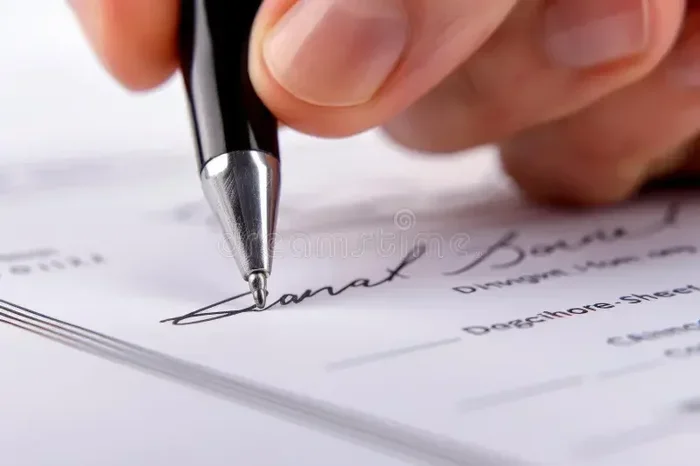
A wet signature is a traditional handwritten mark made with ink on paper, used for centuries to authenticate legal documents and binding agreements. Understanding the wet signature meaning helps you navigate contract signing, document authentication, and official records with confidence. This guide covers everything you need about physical signatures and how they compare to modern e-signature options.
If you have ever signed a paper contract, a mortgage document, or a will, you have used a wet signature. But what does that term really mean, and why does it still matter in a world dominated by digital tools?
A wet signature is simply your handwritten name or mark made with ink on a physical document. The term comes from the fact that the ink needs time to dry, or “wet,” before the document is complete. Despite the rise of electronic signatures and digital signatures, the wet signature meaning remains deeply rooted in legal systems around the world.
Whether you are buying a home, signing a employment contract, or finalizing a will, understanding the wet signature process can save you from headaches, delays, and even legal disputes. In this article, we will explore everything you need to know about handwritten signatures, their history, their legal importance, and how they stack up against modern alternatives.
Key Takeaways
- Wet signatures are handwritten ink marks on paper that have been used for centuries to validate documents and agreements.
- They carry strong legal weight and are universally accepted for most formal and official purposes.
- Wet ink signatures differ from electronic signatures in method, speed, cost, and security features.
- Certain documents still require wet signatures by law, including real estate deeds and some government forms.
- Validity depends on proper execution, including clear intent, identity verification, and document integrity.
- Common mistakes like missing dates or unclear names can invalidate a wet signature and cause legal issues.
- Knowing when to use a wet signature saves time, money, and prevents document rejection.
📑 Table of Contents
What Is a Wet Signature?
A wet signature is a handwritten mark made with ink on a physical piece of paper. It is one of the oldest and most trusted methods of showing intent, approval, or agreement on a legal document. When you sign your name with a pen, you are creating a wet ink signature that links your identity to the content of the document.
The wet signature meaning goes beyond just a scribbled name. In many cultures, a handwritten signature represents a personal commitment. It shows that you have read, understood, and agreed to the terms laid out in front of you. This signing process has been a cornerstone of commerce and law for thousands of years.
When you sign a document in wet ink, you are physically present with the paper. You hold the pen, make the mark, and often watch the ink dry. This tactile experience adds a layer of signature authenticity that digital methods sometimes struggle to replicate. A paper document with a wet signature gives both parties a tangible record they can hold, store, and reference for years to come.
The Traditional Way of Signing
The wet signature meaning has deep cultural roots. In many parts of the world, signing your name by hand is a ritual that marks a moment of commitment. It is not just about putting ink on paper. It is about being present, being intentional, and taking personal responsibility for what you are agreeing to.
A physically signed document carries a sense of gravity that is hard to match with a digital click. When you pick up a pen and sign a legally binding agreement, you are making a deliberate choice. That choice is recorded in your unique handwriting, which becomes part of the document forever.
How a Wet Signature Differs from Other Types
Not all signatures are created equal. A wet signature is distinct from an electronic signature and a digital signature. Here is a quick breakdown of the differences:
- Wet signature: Ink on paper, handwritten by the signer in their own hand.
- Electronic signature (e-signature): A digital representation of a signature, often a typed name or drawn mark on a screen.
- Digital signature: A cryptographically secured electronic signature that uses certificates and encryption for document authentication.
Each type serves a purpose, but the wet signature remains the gold standard for many formal and legal situations. Its simplicity and physical nature give it a unique level of trust that people instinctively understand.
The History Behind Wet Signatures
Ancient Origins of Handwritten Signatures
The practice of signing documents dates back thousands of years. Ancient civilizations like the Romans and Egyptians used marks and seals to authenticate legal documents. The wet signature meaning as we understand it today began to take shape in medieval Europe, where monarchs and merchants started using personalized marks to confirm agreements.
By the 17th century, handwritten signatures became standard in English common law. Courts began to recognize a physical signature as proof that a person had agreed to the terms of a contract signing. This tradition carried over to the Americas and spread across the globe. The wet signature became the universal symbol of personal agreement and commitment.
How Wet Signatures Evolved Over Time
For centuries, every important agreement required a wet ink signature. Land deeds, marriage certificates, business contracts, and wills all relied on this method. The signature process was simple but effective: print the document, have the signer read it, watch them sign, and keep the paper safe.
The invention of the printing press and later the typewriter made document creation faster. But the handwritten signature remained the final step that turned a piece of paper into a binding agreement. Even today, after centuries of technological change, the wet signature holds its ground in many areas of law and business. It has survived because it works, and people trust it.
Why Wet Signatures Still Matter Today
Legal Validity and Enforceability
One of the main reasons wet signatures still matter is their legal standing. In most countries, a wet signature on a legal document is automatically considered valid. Courts routinely accept handwritten signatures as evidence of intent and agreement.
The signature validity of a wet signature comes from its physical nature. When you sign a paper document, your unique handwriting becomes part of the record. If a dispute arises, experts can compare the signature to known samples to verify signature authenticity. This signature verification process is well-established in signature law worldwide.
Wet signatures also carry a psychological weight. Studies show that people feel more committed to a document they have signed by hand. The act of picking up a pen and signing your name creates a sense of finality and personal accountability. A legally binding agreement feels more real when it bears your handwritten wet signature.
When a Wet Signature Is Required by Law
Not all documents can be signed electronically. Some situations still demand a wet signature by law. Here are common scenarios where a handwritten signature is required:
- Real estate transactions: Property deeds and mortgage documents typically need a wet ink signature.
- Wills and trusts: Most jurisdictions require a physical signature for a will to be valid.
- Family law documents: Divorce settlements and child custody agreements often need wet signatures.
- Government forms: Passports, immigration papers, and tax filings may require a physical signature.
- Notarized documents: A notarized document usually requires the signer to appear in person and sign in wet ink.
If you try to use an e-signature for any of these documents, you risk having them rejected or declared invalid. Always check the signature requirements before choosing your signing method. When the law demands a wet signature, there is no shortcut that will substitute for it.
Wet Signature vs. Electronic Signature
Understanding the difference between a wet signature and an electronic signature is crucial in today’s world. Both have their place, but they serve different needs. Let us take a closer look at how they compare.
Key Differences at a Glance
| Feature | Wet Signature | Electronic Signature |
|---|---|---|
| Method | Ink on paper, handwritten by the signer | Digital mark on a screen or typed name |
| Legal Acceptance | Universally accepted for most documents | Accepted in most jurisdictions with caveats |
| Speed | Slower (printing, signing, mailing) | Fast (instant delivery and signing) |
| Cost | Higher (paper, printing, shipping) | Lower (no physical materials needed) |
| Security | Harder to forge with proper verification | Encryption and audit trails built in |
| Storage | Requires physical space and filing | Digital storage, easy to search and organize |
| Best For | Real estate, wills, government forms | Internal approvals, NDAs, routine contracts |
Which One Should You Choose?
The right choice depends on the type of document and the signature requirements in your jurisdiction. For high-stakes transactions like buying a home or creating a will, a wet signature is almost always the safer choice. For everyday business agreements, an e-signature can save time and money.
Expert Insight: “The best approach is to match the signing method to the document’s importance and legal requirements,” says a legal expert. “When in doubt, go with a wet signature for documents that carry significant legal weight. It is better to be safe than to deal with a rejected or invalid document later.”
Common Uses of Wet Signatures in Everyday Life
Real Estate and Property Transactions
Buying or selling property is one of the most common reasons people need a wet signature. Property deeds, mortgage agreements, and closing documents all require a handwritten signature in most jurisdictions. The wet signature meaning in real estate is clear: it confirms that the buyer and seller have read, understood, and agreed to the terms.
A single missed signature can delay a closing by weeks. That is why many real estate professionals insist on wet signatures for all official records related to property transfers. The signing process for real estate is deliberate and thorough, and a wet signature is a central part of that process.
Legal and Government Documents
Courts, government agencies, and regulatory bodies still rely heavily on wet signatures. Filing taxes, applying for a passport, or creating a power of attorney all typically require a physical signature. These documents carry serious consequences, and a wet ink signature provides the level of assurance that institutions need.
Even as e-signature adoption grows, government agencies remain cautious. The document authentication process for legal and government papers often requires a human witness, a notary, or both, which is easier to do with a paper document. A wet signature on a paper document gives officials the confidence they need to proceed.
How to Ensure Your Wet Signature Is Valid
Best Practices for Signing Documents
Not all wet signatures are created equal. To make sure your signature holds up legally, follow these best practices:
- Use clear, legible ink. Blue or black ink is standard. Avoid pencil or light-colored pens that may fade or be hard to read over time.
- Sign in your normal handwriting. Do not try to create a stylized or inconsistent signature. Courts compare signatures to known samples, so consistency matters for signature verification.
- Sign in the correct place. Look for the signature line on the document. Signing in the wrong spot can cause confusion and delays.
- Date the document. Always include the date next to your signature. This helps establish when the agreement was made and strengthens the signature validity.
- Keep a copy for your records. Store the signed document in a safe place. You may need it for future reference or signature verification.
Quick Tip: Before signing any important document, read it completely from start to finish. If something does not look right, do not sign. Consult a lawyer if you are unsure about any terms or signature requirements. A few extra minutes of care can save you from serious legal trouble later.
Common Mistakes to Avoid
Even experienced signers can make errors that invalidate a wet signature or cause legal problems. Here are common mistakes you should watch out for:
- Using the wrong pen: Pencil signatures can be erased or altered. Always use permanent ink for a legally binding document.
- Signing without reading: A signature shows you have read and agreed. Signing blindly can lead to serious legal trouble down the road.
- Missing witnesses or notaries: Some documents require a witness or notary public. Skipping this step can void the entire agreement.
- Inconsistent signatures: Drastically changing your signature style from document to document can raise doubts about signature authenticity.
- Unsigned pages: If a multi-page document requires signatures on every page, make sure you do not miss any. An unsigned page can invalidate the whole paper document.
Conclusion
The wet signature meaning is simple yet powerful. It represents your personal commitment to the content of a document. From ancient scrolls to modern mortgage papers, the handwritten signature has stood the test of time as a trusted method of document authentication and agreement.
While electronic signatures and e-signature platforms continue to grow in popularity, the wet signature remains essential for many legal, financial, and personal transactions. Knowing when and how to use a wet ink signature can protect your interests and keep your documents legally binding.
Take the time to understand the signature process, follow best practices, and always verify the signature requirements for your specific document. A little care at the signing stage can save you from big problems down the road.
Whether you are signing a real estate contract, a will, or a business agreement, your wet signature carries weight. Respect it, use it correctly, and it will serve you well for years to come. The wet signature is not just a mark on paper. It is your word, your identity, and your commitment, all in one.
Frequently Asked Questions
What is the wet signature meaning in simple terms?
A wet signature is simply your handwritten name or mark made with ink on a physical piece of paper. The term “wet” comes from the fact that the ink needs time to dry before the document is complete. It is the traditional way of signing important papers like contracts, wills, and property deeds.
Are wet signatures still legally valid?
Yes, wet signatures are still legally valid and widely accepted in courts and government agencies around the world. A handwritten signature on a legal document carries strong legal weight and is often considered the gold standard for proving intent and agreement.
Can a wet signature be forged?
While no signature system is completely forgery-proof, wet signatures are harder to forge than many people think. Experts in signature verification can compare handwriting samples to detect fakes. Adding a notary or witness to the signing process further strengthens the signature authenticity of a wet signature.
What is the difference between a wet signature and an electronic signature?
A wet signature is made with ink on paper, while an electronic signature (or e-signature) is a digital mark created on a screen. A wet signature is generally required for high-stakes documents like real estate deeds and wills, while e-signatures work well for routine business agreements and internal approvals.
Do all documents need a wet signature?
No, not all documents require a wet signature. Many routine agreements, non-disclosure agreements, and internal approvals can be signed electronically. However, certain documents like property deeds, wills, and government forms still require a wet ink signature by law. Always check the signature requirements for your specific document before choosing a signing method.
How can I make sure my wet signature is valid?
To ensure your wet signature is valid, use permanent ink, sign in your normal handwriting, date the document, and sign in the correct place. Make sure you have read and understood the entire document before signing. If the document requires witnesses or a notary, include them in the signing process to strengthen its legal standing.