
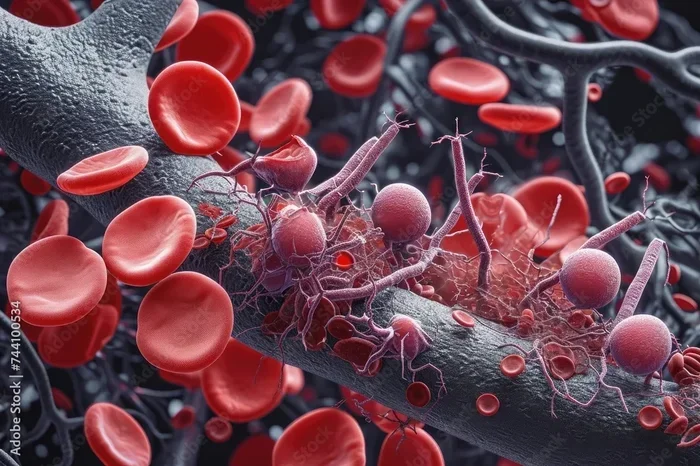
High platelet count meaning goes beyond a simple number on a lab report. It can reveal underlying inflammation, bone marrow conditions, or your body’s response to an infection. Understanding what your platelet levels mean helps you take the right steps toward better health.
Your blood is constantly working to keep you healthy, and one of its most important jobs is clotting. When you get a cut, platelets rush to the scene to stop the bleeding. But what happens when those platelet levels go too high? The high platelet count meaning is not always straightforward. Elevated platelets can point to inflammation, an underlying infection, or even a bone marrow disorder. In this guide, we will walk you through everything you need to know about what high platelet levels reveal about your body and your health.
Many people discover they have a high platelet count during a routine blood test. The results can feel confusing and even a little scary. But here is the good news: a high reading does not always mean something serious is wrong. Understanding what is happening inside your body is the first step toward taking control of your health.
Platelets, also called thrombocytes, are tiny cells in your blood that help with clotting. When your body detects low oxygen, inflammation, or an infection, it may produce more platelets than usual. This is your body’s way of trying to protect and heal itself. The high platelet count meaning can vary widely depending on the cause, your age, and your overall health.
The good news is that most causes of elevated platelets are manageable. Whether the reason is a temporary reaction to illness or a chronic condition, knowing the signs and seeking timely care makes a big difference. Let us explore what high platelet levels really mean and what you can do about it.
Key Takeaways
- High platelets can signal more than just a number: they often reflect inflammation, infection, or a bone marrow condition that needs attention.
- Reactive thrombocytosis is the most common cause: it happens when your body responds to another condition like infection or iron deficiency.
- Essential thrombocythemia is a separate concern: this is a blood disorder where the bone marrow overproduces platelets on its own.
- Symptoms can be subtle: headaches, vision changes, and numbness are early warning signs that should not be ignored.
- Diagnosis involves more than one test: doctors use blood work, physical exams, and sometimes bone marrow biopsies to find the root cause.
- Treatment depends on the cause: from lifestyle changes to medication, the approach varies based on what is driving the high count.
- Knowing when to seek help is critical: sudden chest pain, difficulty breathing, or severe headaches need immediate medical attention.
📑 Table of Contents
What Does High Platelet Count Mean?
Understanding Platelets and Their Role
Platelets are small, colorless cells that circulate in your blood. Their main job is to help your body form clots and stop bleeding. When a blood vessel is damaged, platelets rush to the area and stick together to create a plug. This is a normal and essential process.
But when your body makes too many platelets, the balance gets disrupted. The high platelet count meaning in this context is that your bone marrow is producing more platelets than your body actually needs. This can lead to complications like unwanted blood clotting or, in rare cases, bleeding problems.
Think of platelets like workers at a construction site. You need the right number to get the job done. Too few workers and the project stalls. Too many and things get chaotic. Your blood works the same way. When platelet levels climb too high, the blood can become thicker and more prone to forming clots in unwanted places.
The high platelet count meaning also depends on whether the elevation is mild, moderate, or severe. A mildly elevated count may not require treatment at all. A very high count, however, could signal a deeper issue that needs medical care. This is why understanding your specific numbers matters so much.
Normal vs Elevated Platelet Levels
A normal platelet count ranges from about 150,000 to 450,000 platelets per microliter of blood. When your count goes above 450,000, doctors consider it elevated. A count above 1,000,000 is considered very high and requires immediate attention.
Here is a simple breakdown of the platelet count normal range and what each zone means:
- Normal: 150,000 to 450,000 per microliter
- Mildly elevated: 450,000 to 600,000 per microliter
- Moderately elevated: 600,000 to 1,000,000 per microliter
- Very high: Above 1,000,000 per microliter
The high platelet count meaning shifts depending on where your numbers fall. Mild elevations are often temporary and harmless. Very high counts, on the other hand, may signal a deeper issue that needs medical care. Knowing your range helps you and your doctor decide the next steps.
| Category | Platelet Range (per microliter) | Typical Concern Level |
|---|---|---|
| Normal | 150,000 – 450,000 | No concern |
| Mildly Elevated | 450,000 – 600,000 | Low concern, monitor |
| Moderately Elevated | 600,000 – 1,000,000 | Moderate concern, investigate |
| Very High | Above 1,000,000 | High concern, urgent care |
Common Causes of High Platelet Count
Understanding the cause is the most important step. The high platelet count meaning changes depending on what is driving the elevation. Doctors generally classify causes into two main categories: reactive and primary. Let us look at each one closely.
Reactive Thrombocytosis
Reactive thrombocytosis is the most common cause of high platelets. It happens when your body responds to another condition. Your bone marrow ramps up platelet production as a defense mechanism. This is your body trying to protect itself.
Common triggers include:
- Infection or illness – viral or bacterial infections can spike platelet production
- Iron deficiency – low iron levels often lead to reactive platelet increases
- Inflammation from conditions like arthritis – chronic inflammation signals the body to produce more platelets
- Recent surgery or injury – the body heals by increasing platelet output
- Cancer or tumors – some cancers trigger elevated platelet levels
- Blood loss or anemia – the body compensates by making more platelets
- Removal of the spleen – the spleen normally helps regulate platelet levels
In reactive thrombocytosis, the high platelet count meaning is usually temporary. Once the underlying cause is treated, platelet levels often return to normal. This is good news because it means the problem is often fixable.
Quick Tip: If your doctor finds reactive thrombocytosis, focus on treating the root cause first. Antibiotics for infection, iron supplements for deficiency, or anti-inflammatory medication can all help bring your platelet count back down. Do not panic, but do follow up.
Essential Thrombocythemia
Essential thrombocythemia is a different beast. This is a blood disorder where the bone marrow produces too many platelets without any clear external cause. It falls under a group of conditions called myeloproliferative neoplasms. These are disorders where the bone marrow makes too many of one or more types of blood cells.
With essential thrombocythemia, the high platelet count meaning points to a problem with the bone marrow itself. The cells that make platelets grow out of control. This condition is chronic and requires ongoing management.
Key facts about essential thrombocythemia:
- It develops slowly and may not cause symptoms for years
- It increases the risk of blood clots and stroke
- It is more common in people over 60
- Genetic mutations, like JAK2, are often involved
- Treatment focuses on reducing platelet count and preventing clots
This condition is less common than reactive thrombocytosis but more serious. It is classified as a platelet disorder that needs regular monitoring and often medication to manage.
Reactive vs Primary: A Comparison
Not all high platelet counts are the same. Here is a quick comparison to help you understand the difference:
| Feature | Reactive Thrombocytosis | Essential Thrombocythemia |
|---|---|---|
| Cause | Driven by another condition | Bone marrow problem on its own |
| Common? | Yes, very common | Less common |
| Temporary? | Usually yes | No, it is chronic |
| Treatment Focus | Treat the underlying cause | Lower platelets, prevent clots |
| Serious? | Rarely dangerous | Can lead to clots or bleeding |
| Genetic Link? | No | Often yes (JAK2 mutation) |
The high platelet count meaning in reactive cases is usually straightforward and temporary. In primary cases like essential thrombocythemia, the meaning points to a deeper bone marrow issue that needs long-term care.
Other Triggers and Contributing Factors
Several other factors can push platelet counts higher. These include:
- Chronic stress – stress triggers inflammation, which can raise platelets
- Physical exertion and intense exercise – vigorous activity can temporarily spike levels
- Certain medications – drugs like epinephrine or corticosteroids can affect production
- Vitamin B12 or folate deficiency – these nutrients play a role in blood cell production
- Allergic reactions – the body’s response to allergens can increase platelets
- Recovery from a recent illness – the body often overproduces platelets during healing
The high platelet count meaning in these cases is often mild and temporary. Still, it is worth monitoring. If your platelet levels stay elevated after the trigger is removed, further testing may be needed to rule out a platelet disorder.
Common Mistake: Many people assume that a single high reading means nothing. But repeated elevated readings over time can point to a pattern that needs investigation. Do not dismiss multiple abnormal results.
High Platelet Count Symptoms You Should Know
Many people with high platelets feel perfectly fine. The condition often shows no obvious symptoms until a complication arises. This is why regular blood work matters so much. You cannot always rely on how you feel.
Physical Signs to Watch For
When symptoms do appear, they can be easy to overlook. Common signs include:
- Headaches that won’t go away or keep coming back
- Dizziness or lightheadedness, especially when standing up
- Blurred vision or vision changes that come and go
- Numbness or tingling in hands and feet
- Redness or burning in the palms and soles of the feet
- Easy bruising or bleeding gums without clear cause
- Unusual fatigue or weakness that does not match your activity level
These symptoms happen because high platelets can affect blood flow and circulation. The high platelet count meaning in this context is that your blood may be thicker or more prone to clotting than it should be. When blood flows less freely, it can cause a range of uncomfortable symptoms.
When Symptoms Become Serious
Some symptoms should never be ignored. Seek medical help right away if you experience:
- Sudden severe headaches that feel different from usual
- Chest pain or tightness
- Difficulty breathing or shortness of breath
- Slurred speech or confusion
- Sudden numbness on one side of the body
- Vision loss in one or both eyes
These could be signs of a blood clot or stroke. The high platelet count meaning in these emergency situations is that your platelet levels may be causing dangerous clotting in your blood vessels. Time is critical in these cases.
Expert Insight: Many people dismiss early symptoms like headaches or fatigue as stress or aging. But these can be your body’s way of signaling that something is off. Trust your instincts and bring up any persistent symptoms with your doctor. Early intervention often leads to better outcomes.
How Doctors Diagnose Elevated Platelet Levels
Finding the high platelet count meaning starts with proper diagnosis. Doctors use several tools to understand what is going on inside your body. The process is usually straightforward and not something to fear.
Blood Tests and What They Reveal
The first step is almost always a complete blood count, or CBC. This simple blood test measures all the major components of your blood, including platelets. It is quick, painless, and gives your doctor a lot of information.
Your doctor will look at:
- Your platelet count and whether it is above normal
- Your red blood cell levels
- Your white blood cell count
- Hemoglobin and hematocrit levels
If your platelets are high, the doctor may order follow-up tests. These can include:
- Iron level tests to check for deficiency
- Inflammatory markers like C-reactive protein
- Genetic testing for mutations like JAK2 or CALR
- Vitamin B12 and folate levels
- Inflammatory bowel disease screening if inflammation is suspected
Each test helps narrow down the high platelet count meaning. No single test tells the whole story. Your doctor pieces together the puzzle using all of the results.
What to Expect During the Diagnostic Process
The diagnostic journey is usually straightforward. Here is what a typical process looks like:
- Step 1: Your doctor reviews your medical history and current symptoms
- Step 2: A blood draw is done to get a CBC and other labs
- Step 3: Results are reviewed, and if platelets are high, further tests are ordered
- Step 4: Additional imaging or a bone marrow biopsy may be recommended in complex cases
- Step 5: A diagnosis is made and a treatment plan is created
The high platelet count meaning becomes clearer with each step. Your doctor is piecing together clues to find the root cause. This process may take a few weeks, but it is worth the patience.
Common Mistake: Do not skip follow-up appointments after an abnormal blood test. Many people ignore high platelet results because they feel fine. But early detection of the cause leads to better outcomes. Schedule that follow-up and stay on top of your health.
Treatment Options and Lifestyle Changes
Once the cause is identified, treatment can begin. The approach depends entirely on what is driving the high platelet count. There is no one-size-fits-all solution.
Medical Treatments for High Platelets
For reactive thrombocytosis, treating the underlying cause is the main strategy. This might mean antibiotics for an infection, iron supplements for a deficiency, or anti-inflammatory drugs for chronic inflammation. Once the trigger is addressed, platelet levels usually normalize on their own.
For essential thrombocythemia, treatment is more involved. Options include:
- Low-dose aspirin to reduce clotting risk
- Hydroxyurea to lower platelet production
- Anagrelide, a medication that specifically reduces platelets
- Interferon injections to slow bone marrow activity
- Regular monitoring and routine blood tests to track progress
The high platelet count meaning in a treatment context is that your doctor is targeting the specific mechanism causing the overproduction. Each treatment plan is personalized based on your age, symptoms, and risk factors.
Natural Ways to Support Healthy Platelet Levels
Alongside medical treatment, certain lifestyle choices can help support healthy platelet levels. These habits benefit your overall health as well:
- Stay well hydrated to maintain good blood flow and prevent thickening
- Eat a balanced diet rich in fruits, vegetables, and whole grains
- Include iron-rich foods like spinach, beans, and lean meats if you have a deficiency
- Exercise regularly but avoid overexertion, which can temporarily spike platelets
- Manage stress through meditation, yoga, or deep breathing exercises
- Avoid smoking, which damages blood vessels and affects circulation
- Limit alcohol intake, which can affect platelet production and function
Quick Tip: Simple hydration habits can make a real difference. Aim for 8 glasses of water a day. Good hydration keeps your blood flowing smoothly and supports overall cardiovascular health. It is one of the easiest steps you can take today.
When to See a Doctor About Platelet Levels
Not every elevated platelet count requires urgent care. But knowing when to seek help can make all the difference. Trust your body and trust your instincts.
Red Flags That Should Never Be Ignored
Contact your doctor promptly if you notice:
- Platelet counts consistently above 600,000 on repeated tests
- Unexplained bruising or bleeding that does not stop
- Persistent headaches that worsen over time
- Numbness or weakness on one side of your body
- Chest pain or pressure
- Swelling, redness, or pain in one leg (possible clot)
These signs suggest that your high platelet count meaning may involve a condition that needs medical intervention. Do not wait for symptoms to get worse. Early action can prevent serious complications like blood clots or stroke.
Building a Partnership With Your Healthcare Team
Managing platelet levels is a team effort. Here is how you can be an active participant in your care:
- Keep track of your blood test results over time. A simple folder or app can help.
- Write down any symptoms you notice, even if they seem minor.
- Ask your doctor questions about your platelet count and what it means for you specifically.
- Follow through with recommended tests and treatments.
- Share your full medical history, including all medications and supplements you take.
The high platelet count meaning is not just a number on a lab report. It is a conversation between you and your doctor about your overall health and well-being. The more engaged you are, the better your outcomes will be.
Expert Insight: The best outcomes happen when patients take an active role in their care. Do not be afraid to ask questions or seek a second opinion. Your health is worth the effort. A good doctor welcomes informed and involved patients.
Living Well With High Platelets
A diagnosis of high platelets can feel overwhelming at first. But with the right information and care, most people live full and healthy lives. You are not alone in this, and there is a lot you can do to manage your condition effectively.
The key is understanding your high platelet count meaning in the context of your overall health. Work closely with your doctor, follow your treatment plan, and pay attention to your body’s signals. Regular monitoring is essential. Even if your platelet levels stabilize, ongoing blood tests help catch any changes early. Think of it as a routine check-in with your body.
Remember that many causes of high platelets are temporary and resolve with treatment. Others require long-term management, but effective options are available. The most important step is the one you take today: learning what your numbers mean and taking action. Knowledge is power, and in this case, it is also protection.
Your body is always communicating with you. Your platelets are part of that conversation. Listen to them, respect them, and take the steps needed to keep them in balance. Your future self will thank you for it.
Frequently Asked Questions
What is considered a high platelet count?
A platelet count above 450,000 per microliter of blood is generally considered elevated. A count above 1,000,000 is considered very high and requires prompt medical evaluation. The high platelet count meaning depends on how far above the normal range your levels are and whether the elevation is temporary or persistent.
Can stress cause high platelet count?
Yes, chronic stress can contribute to elevated platelet levels. Stress triggers inflammation in the body, which signals the bone marrow to produce more platelets. While stress alone is rarely the sole cause of very high platelets, it can be a contributing factor that pushes levels above the normal range.
Is high platelet count hereditary?
Some platelet disorders, especially essential thrombocythemia, can have a genetic component. Mutations in genes like JAK2, CALR, and MPL are commonly found in people with this condition. However, having a family member with high platelets does not guarantee you will develop it. It simply means you may want to monitor your levels more closely.
Can diet affect platelet count?
Yes, diet can influence platelet levels. Iron deficiency, for example, can lead to reactive thrombocytosis. Eating iron-rich foods like spinach, red meat, and beans can help normalize levels if a deficiency is the cause. On the other hand, alcohol and processed foods can negatively affect platelet production and function.
What is the difference between high platelets and low platelets?
High platelets, or thrombocytosis, means your body is producing too many platelets, which can increase the risk of blood clots. Low platelets, or thrombocytopenia, means you have too few platelets, which can lead to easy bruising and bleeding. Both conditions are concerning but in opposite ways. The high platelet count meaning relates to clotting risk, while low platelets relate to bleeding risk.
Can high platelet count go away on its own?
In many cases of reactive thrombocytosis, yes. Once the underlying cause is treated, such as an infection or iron deficiency, platelet levels often return to normal. However, if the cause is a chronic condition like essential thrombocythemia, it will not resolve on its own and requires ongoing medical management.
=== CONCLUSION ===
The high platelet count meaning is a topic that deserves attention and understanding. Whether your elevated platelets are a temporary response to illness or a sign of a chronic condition, knowledge is your greatest tool. By learning about the causes, symptoms, and treatment options, you empower yourself to make informed decisions about your health.
Do not ignore abnormal blood test results. Reach out to your doctor, ask questions, and take the steps needed to protect your well-being. Your body is always communicating with you, and your platelets are part of that conversation. Listen carefully, act promptly, and take control of your health today.