
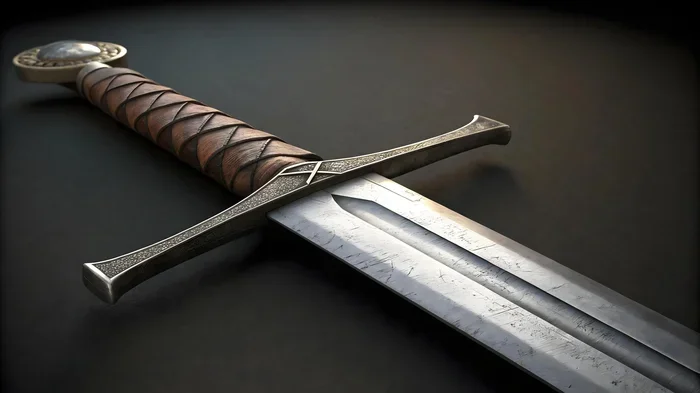
The double edged sword meaning refers to something that has both advantages and disadvantages — a situation where a single choice can bring great benefit and serious risk at the same time. This article explains what the phrase really means, where it comes from, and how it shows up in daily life. You will learn how to spot double edged sword situations and make smarter choices when every option cuts both ways.
Have you ever made a choice that felt like it could go either way? Something that could lift you up but also knock you down at the same time? That is exactly what the double edged sword is all about. This phrase pops up everywhere — in conversations, news articles, business meetings, and even casual chats with friends. But what does it really mean, and why should you care?
Understanding the double edged sword meaning can change the way you look at decisions. Whether it is about using social media, adopting new technology, or even something as simple as speaking your mind, knowing how to spot the two sides of the blade helps you stay ahead. In this article, we will break it all down in plain, simple language. You will walk away with real tools and tips you can use right away.
The double edged sword is more than just a fancy saying. It is a way of thinking that encourages you to look at things from every angle. So let us dive in and explore what this powerful metaphor really means, where it came from, and how it shows up in your daily life.
Key Takeaways
- Clear Definition: The double edged sword meaning describes something with both positive and negative outcomes that are equally powerful.
- Rich History: The phrase has roots in ancient warfare and literature, and it has evolved into a common metaphor in modern language.
- Everyday Relevance: Double edged sword situations appear in technology, communication, leadership, health, and personal growth.
- Smart Decision Making: Weighing pros and cons, seeking advice, and thinking long term help you navigate these tricky scenarios.
- Common Mistakes: Ignoring the downsides or focusing only on the upside are the most frequent errors people make.
- Expert Insight: Recognizing the two sides early gives you a real advantage in both work and life.
📑 Table of Contents
- What Does Double Edged Sword Mean?
- The Origin and History of the Phrase
- Common Double Edged Sword Examples
- How to Recognize a Double Edged Sword Situation
- Making Smart Decisions When Facing a Double Edged Sword
- Double Edged Sword in Everyday Life
- Common Mistakes People Make With Double Edged Sword Situations
- Expert Insights on Navigating the Double Edged Sword
- Key Takeaways
What Does Double Edged Sword Mean?
The double edged sword meaning is straightforward once you picture it. A sword with sharp edges on both sides can cut in either direction. That is the core idea — one thing that brings both good and bad results at the same time. It is a metaphor that shows how a single choice, tool, or action can have two very different outcomes.
Think of it like a two sided coin. When you flip a coin, you get heads or tails. But with a double edged sword, both sides hit you at once. You get the benefit, and you also face the risk. This makes it different from a simple trade off, where you give up one thing to gain another. Here, both things happen together.
Why the Phrase Resonates So Much
People love this phrase because it captures a truth about life. Very few things are purely good or purely bad. Most of what we deal with falls somewhere in the middle. The double edged sword reminds us that risk and reward often come as a package. When you chase a big opportunity, you also open yourself up to a big setback.
In everyday talk, you might hear someone say, “That promotion is a double edged sword.” What they mean is that the new role comes with more money and status, but also more pressure and longer hours. The same logic applies to many areas of life, from relationships to career moves to the tools we use every day.
Double Edged Sword vs. Two Sides of the Same Coin
People often confuse the double edged sword with the idea that something has two sides. But there is a key difference. A two sided coin means you choose one side or the other. A double edged sword means both sides affect you at the same time. You cannot avoid the cut from either edge. This distinction matters when you are trying to think through a problem clearly.
Here is a quick comparison to make it crystal clear:
- Double Edged Sword: One action brings both positive and negative results at the same time. You cannot separate them.
- Two Sided Coin: You face a choice between two separate options. Picking one means letting go of the other.
- Trade Off: You give up something to gain something else. The focus is on what you lose.
Once you see this difference, the double edged sword meaning becomes much easier to apply in real situations.
The Origin and History of the Phrase
Every great metaphor has a story behind it. The double edged sword is no exception. Its roots go way back to ancient times, when swords were the most powerful weapons on the battlefield. A blade that sharpened on both sides was both more dangerous to enemies and more dangerous to the person holding it. That physical reality gave birth to a lasting idea.
Ancient Roots in Warfare and Literature
Soldiers and writers in ancient Greece and Rome understood the concept well. A warrior who wielded a double edged sword had to be extremely careful. The same weapon that could defeat an enemy could also wound the wielder. This idea showed up in myths, legends, and early philosophical texts. It became a symbol of power that comes with danger.
The famous story of Sword of Damocles is a close cousin to this idea. Damocles was a courtier who wished to trade places with a king. When he finally sat on the throne, he saw a sword hanging above him by a single hair. That sword represented the constant danger that comes with power. While not exactly the same as the double edged sword, it shares the same core message: greatness and risk often go hand in hand.
How the Phrase Evolved Over Time
Over the centuries, the phrase moved from the battlefield to everyday language. Writers in the Middle Ages and the Renaissance used it to describe anything that carried hidden dangers. By the modern era, it had become a standard part of English expression. Today, you will find it in academic papers, business reports, self-help books, and even social media posts.
The beauty of the double edged sword is its flexibility. It works in almost any context. Whether you are talking about a new law, a medical treatment, or a parenting strategy, the phrase instantly communicates complexity. It tells your listener that the situation is not black and white.
Common Double Edged Sword Examples
The double edged sword meaning shows up in countless real-world situations. Let us look at some of the most common examples. These will help you recognize the pattern in your own life.
Technology and Social Media
Social media is one of the biggest double edged sword examples in modern life. On one hand, it connects you with friends, family, and people who share your interests. You can learn new things, grow your business, and stay informed. On the other hand, it can lead to addiction, anxiety, and a distorted view of reality. The same platform that brings you closer to others can also pull you into comparison and negativity.
Smartphones are another great example. They give you instant access to information, navigation, and communication. But they also distract you, reduce your attention span, and can harm your sleep. The double edged sword effect of technology is something we all navigate every single day.
Communication and Honesty
Being honest is almost always a double edged sword. Telling the truth builds trust and respect. It strengthens relationships and shows integrity. But honesty can also hurt feelings, create conflict, and damage connections if it is not delivered with care. The same sharp edge that cuts through lies can also cut through goodwill.
Speaking up at work is another case in point. Sharing your ideas can earn you recognition and open new doors. But it can also make you a target for criticism or jealousy. The pros and cons of honest communication are always present, and knowing how to handle them is a real skill.
Health and Fitness
Exercise is a classic double edged sword. Regular physical activity boosts your mood, strengthens your body, and reduces the risk of serious diseases. But overtraining can lead to injuries, burnout, and exhaustion. The same activity that heals you can also harm you if you push too hard.
Even medicine works this way. A strong drug can cure a deadly illness, but it may also cause side effects that range from mild to severe. The double edged sword reminds us that almost nothing in health is completely safe or completely risky. It is all about balance.
Leadership and Power
Leaders often face the double edged sword of authority. Having power lets you make decisions, inspire teams, and drive change. But it also comes with isolation, pressure, and the weight of responsibility. Many leaders have found that the higher they climb, the more exposed they become to criticism and doubt.
Delegation is another example. Handing tasks to others frees up your time and builds team skills. But if you delegate poorly, you lose control and create confusion. The double edged sword of leadership is always there, waiting to test your judgment.
How to Recognize a Double Edged Sword Situation
Now that you understand the double edged sword meaning, the next step is learning to spot these situations early. Recognition is the first step toward making better choices. Here are some clear signs that something in your life might be a double edged sword.
Look for Strong Emotions on Both Sides
If a decision makes you feel excited and scared at the same time, pay attention. That mix of emotions often signals a double edged sword. The excitement comes from the potential upside. The fear comes from the possible downside. Both feelings are valid, and both point to the same truth: the choice carries real weight.
For example, starting a new business might fill you with energy and hope. But it might also fill you with worry about money and failure. That is not a sign to avoid the decision. It is a sign to prepare for both outcomes.
Check for Unintended Consequences
A good clue is when a decision leads to results you did not expect. The double edged sword often hides its second edge in the form of unintended consequences. You plan for the obvious benefit, but the hidden cost shows up later. This is why it is so important to think ahead and ask, “What could go wrong here?”
Take a simple example like buying a bigger house. The upside is more space and comfort. The hidden downside might be higher bills, more maintenance, and longer commutes. The double edged sword cuts both ways, and the second edge often sneaks up on you.
Ask Yourself: “Who Benefits and Who Gets Hurt?”
This is a powerful question to ask in any double edged sword situation. If a decision helps you but harms someone else, it still has two edges. If it helps everyone but costs you your peace of mind, it still has two edges. The goal is not to find a perfect choice. The goal is to understand the full picture before you act.
Use a Simple Pros and Cons List
One of the easiest ways to recognize a double edged sword is to write things down. Make a list of the benefits and a list of the costs. Look at both sides with fresh eyes. You will often find that the “con” side is longer or more serious than you first thought. This simple exercise can save you from blind spots and help you see the full double edged sword clearly.
Making Smart Decisions When Facing a Double Edged Sword
Knowing the double edged sword meaning is one thing. Applying it wisely is another. Here are practical steps you can take when you face a situation that cuts both ways.
1. Do Not Ignore Either Edge
The biggest mistake people make is focusing only on the upside. They get so excited about the potential reward that they ignore the risks. This is how bad decisions get made. To avoid this trap, force yourself to give equal attention to both sides of the blade. Write them down. Talk them through with someone you trust. The more you engage with both edges, the clearer your thinking becomes.
2. Think About the Long Term
Short term thinking is the enemy of good decisions. A double edged sword might look appealing right now, but what about six months from now? What about a year? Thinking long term helps you see consequences that are hidden in the moment. It also helps you resist the urge to chase quick wins that come with hidden costs.
For instance, working overtime might boost your income today. But over time, it can damage your health, your relationships, and your creativity. The double edged sword cuts deeper the longer you hold it.
3. Seek Outside Perspectives
It is hard to see both edges of a sword when you are standing right in front of it. That is where other people come in. Ask a friend, a mentor, or a colleague what they see. They will often spot things you miss because they are not as close to the situation. Fresh eyes are one of the best tools you have when navigating a double edged sword.
4. Set Clear Boundaries
When you decide to move forward with something that has a double edge, set limits. If you are taking on a new project at work, decide in advance how many hours you will spend on it. If you are starting a new social media habit, set a time limit. Boundaries help you enjoy the benefits while keeping the risks under control. They are the guardrails that keep you from getting cut by the wrong edge.
5. Accept That Perfection Is Not Possible
You will never find a choice that has only benefits and no costs. That is the reality of the double edged sword. Accepting this truth frees you from the trap of searching for a perfect option. Instead, focus on finding the best option for where you are right now. A good decision made with clear eyes is always better than a perfect decision made too late.
Double Edged Sword in Everyday Life
The double edged sword meaning is not just for big, dramatic moments. It shows up in the small, quiet decisions every single day. Recognizing this pattern in everyday life makes you more mindful and more intentional in your choices.
In Relationships
Opening up to someone is a double edged sword. Vulnerability creates deep connection and intimacy. But it also creates the possibility of hurt and disappointment. The people who build the strongest relationships are not the ones who avoid vulnerability. They are the ones who understand the double edge and choose connection anyway.
In Education and Learning
Challenging yourself academically is another double edged sword. Hard courses push you to grow, build resilience, and develop new skills. But they also bring stress, frustration, and the risk of failure. Students who embrace the challenge while managing the pressure tend to get the most out of their education.
In Career Choices
Choosing a career path is almost always a double edged sword. A high-paying job might give you financial freedom but eat into your personal time. A passion-driven career might bring joy but come with financial uncertainty. The key is to find the balance that works for you and to stay aware of what you are gaining and what you are giving up.
Common Mistakes People Make With Double Edged Sword Situations
Even when you understand the double edged sword meaning, it is easy to stumble. Here are the most common mistakes and how to avoid them.
- Ignoring the downside: This is the number one error. When you only focus on the upside, you set yourself up for surprises.
- Overthinking the trade off: While it is good to think carefully, too much analysis can lead to paralysis. Set a deadline for your decision and stick to it.
- Assuming it applies to everything: Not every situation is a double edged sword. Some choices are genuinely one-sided. Learn to tell the difference.
- Forgetting to revisit the decision: A double edged sword situation can change over time. What was a good choice last year might not be the right choice today. Regular check-ins keep you on track.
Expert Insights on Navigating the Double Edged Sword
Experts in psychology, business, and personal development all agree on one thing: the double edged sword is a fact of life, not a problem to solve. The goal is not to eliminate the risk. The goal is to manage it wisely.
Dr. Susan David, a psychologist at Harvard Medical School, often talks about the importance of holding two opposing truths at the same time. This idea is at the heart of the double edged sword. You can feel excited about a new opportunity and nervous about it at the same time. Both feelings are true. Both matter. The key is to let both exist without letting either one control you.
Business leaders also understand this concept deeply. The best companies do not avoid risk. They manage it. They see the double edged sword as a tool for growth, not a reason to retreat. When you adopt this mindset, you stop fearing the second edge and start using it to your advantage.
Key Takeaways
- Clear Definition: The double edged sword meaning describes something with both positive and negative outcomes that hit you at the same time.
- Rich History: The phrase comes from ancient warfare and has evolved into a universal metaphor used across cultures and fields.
- Everyday Relevance: You will encounter double edged sword situations in technology, communication, health, leadership, and relationships every day.
- Smart Decision Making: Weighing both edges, seeking outside perspectives, and setting boundaries help you navigate these situations with confidence.
- Common Mistakes: Ignoring the downside, overthinking, and failing to revisit decisions are the pitfalls to watch out for.
- Expert Insight: Accepting that every choice has two edges — and planning for both — is the hallmark of wise decision making.
Frequently Asked Questions
What is the double edged sword meaning in simple words?
The double edged sword meaning is something that has both good and bad results at the same time. One choice brings a benefit, but it also brings a risk. You cannot have one without the other. It is like a sword that is sharp on both sides — it can protect you or hurt you depending on how you use it.
Where does the phrase double edged sword come from?
The phrase has roots in ancient warfare. A sword sharpened on both sides was more dangerous to enemies but also more dangerous to the person holding it. Over time, it became a popular metaphor in literature and everyday language to describe anything that carries both advantages and disadvantages at once.
Is a double edged sword the same as a trade off?
No, there is an important difference. A trade off means you give up one thing to gain another. A double edged sword means one thing gives you both the gain and the loss at the same time. You do not get to choose which edge hits you first. Both edges are part of the same experience.
How can I tell if something is a double edged sword situation?
Look for strong feelings on both sides — excitement and worry, hope and fear. Check if the decision has unintended consequences. Ask yourself who benefits and who might get hurt. If the answer is “both,” you are likely looking at a double edged sword. Writing down the pros and cons can also help you see the full picture clearly.
Can a double edged sword be a good thing?
Absolutely. The double edged sword is not inherently bad. It simply describes a situation with two outcomes. The key is how you handle it. When you recognize both edges and plan for them, the double edged sword becomes a tool for growth rather than a source of fear.
What is one everyday example of a double edged sword?
Social media is one of the most common double edged sword examples today. It helps you stay connected, learn new things, and grow your network. But it can also lead to distraction, comparison, and anxiety. The same platform brings both benefits and costs, which is what makes it a textbook double edged sword.
=== CONCLUSION ===
The double edged sword meaning is one of the most useful ideas you can add to your thinking toolkit. It reminds you that almost every important choice comes with both a reward and a risk. Once you understand this, you stop being caught off guard by the downsides and start planning for them wisely.
From technology to relationships to career decisions, the double edged sword shows up everywhere. The good news is that recognizing it is the first step toward handling it well. When you give equal weight to both edges, set smart boundaries, and seek outside perspectives, you turn a tricky situation into an opportunity for growth.
So the next time you face a choice that feels like it could go either way, remember the double edged sword. Look both ways. Prepare for both outcomes. And move forward with confidence, knowing that you are not just hoping for the best — you are planning for it. That is the real power of understanding what the double edged sword truly means.