
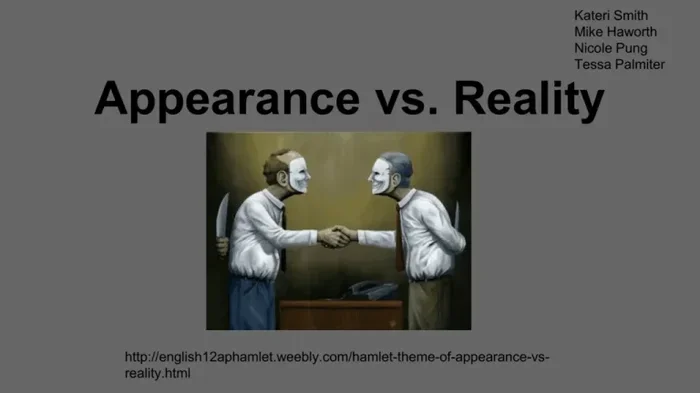
Ostensibly meaning refers to something that appears to be true on the surface but may not actually be the case. This guide covers the ostensibly definition, real-world ostensibly meaning examples, and practical tips for using this word correctly in everyday English. Whether you are writing an email, crafting a blog post, or just want to sound more confident in conversation, you will find everything you need right here.
The ostensibly meaning of a word or phrase is the surface-level definition that most people understand at first glance. But when we talk about ostensibly meaning in real life, things get a lot more interesting. This word carries a subtle hint that something may not be exactly what it appears to be. Learning the ostensibly definition can make your English sound sharper and more precise. Let us dive into how this word works and why it matters in daily communication.
You have probably heard the word ostensibly before. Maybe someone used it in a meeting, or you spotted it in a book. But do you really know what it means? The ostensibly meaning is more than just a fancy vocabulary word. It is a tool that helps you express doubt, describe appearances, and add layers to your writing.
In this article, we will break down the ostensibly definition in simple terms. You will learn how to use it in real sentences, avoid common errors, and understand how it fits into different types of English. By the end, you will feel confident using this word in any situation.
Key Takeaways
- Ostensibly meaning describes something that looks true on the outside but may not be true inside
- Ostensibly definition comes from Latin and has been used in English since the 15th century
- Ostensibly in a sentence works best when you want to hint that something is not quite what it seems
- Ostensibly vs apparently and ostensibly vs seemingly are common comparisons that help clarify usage
- Using ostensibly meaning in business, academic, and casual writing adds depth and nuance
- Common mistakes include overusing the word or confusing it with direct synonyms
- Practice with ostensibly meaning examples helps you master this word quickly
📑 Table of Contents
What Does Ostensibly Meaning Mean?
The Ostensibly Definition in Plain English
At its core, the ostensibly definition is straightforward. When something is ostensibly true, it looks or claims to be true. But there is often a hidden doubt. The word comes from the Latin ostendere, which means “to show.” Over time, it entered English through Old French and has been used since the 15th century.
When you say something is ostensibly, you are saying it appears to be one way on the surface. The real truth might be different. This subtle shift in meaning is what makes the word so powerful. It lets you question something without being outright confrontational.
Here is a simple way to think about it. If a building is ostensibly a library, it looks like a library from the outside. But inside, it might actually be a restaurant. The ostensibly meaning gives you the perfect word to describe this kind of situation.
Ostensibly Meaning in Context
The ostensibly meaning in context depends heavily on tone and situation. In some cases, it is used lightly and playfully. In other cases, it carries a more serious or skeptical tone. Understanding the context helps you choose the right moment to use this word.
For example, you might hear someone say, “He is, ostensibly, a very honest person.” In this case, the speaker is hinting that honesty might not be the whole story. The word adds a layer of doubt without directly accusing anyone.
Another common use is in descriptions. “The event was, ostensibly, a charity fundraiser.” Here, the speaker suggests the event might have had other motives. The ostensibly meaning in context always points to a gap between appearance and reality.
Ostensibly Meaning in Everyday Conversations
Ostensibly in Conversation
You do not need to be a scholar to use ostensibly in daily talk. In fact, people use it more often than you might think. The key is to keep it natural and relaxed. When you drop this word into a conversation, it shows that you think carefully about language.
Imagine you are chatting with a friend about a new restaurant. “The place is ostensibly Italian,” you might say. Your friend immediately understands that something about the food or vibe might not feel truly Italian. The word sparks curiosity without being rude.
Ostensibly in conversation works best when you want to gently question something. It is softer than saying “that is not really true.” It gives the other person room to explain or agree with your doubt.
Ostensibly Meaning Examples from Daily Life
Let us look at some real-world ostensibly meaning examples you might encounter every day:
- “The meeting is ostensibly about team building.” (But maybe it is really about restructuring.)
- “She is ostensibly working from home today.” (But you saw her at the coffee shop.)
- “The policy is ostensibly designed to help employees.” (But few people actually benefit from it.)
- “He claims to be an expert, ostensibly.” (But his credentials are questionable.)
Each of these examples shows how ostensibly meaning adds a layer of skepticism. The speaker is not making a bold claim. They are simply noting that things might not be what they seem.
How to Use Ostensibly Correctly in Writing
Ostensibly in Academic and Formal Writing
In academic and formal writing, ostensibly is a valuable tool. It helps you present ideas with nuance and precision. Scholars and researchers use it to acknowledge that something appears one way while suggesting another possibility.
For instance, in a research paper, you might write: “The policy was ostensibly implemented to reduce costs.” This sentence is careful and measured. It does not accuse anyone of bad intentions. It simply notes that the stated reason might not be the full picture.
Ostensibly in academic writing also helps you avoid making sweeping claims. It shows intellectual humility. You are saying, “I see what the surface says, but I also see what might be underneath.”
Ostensibly in Business English
Business professionals use ostensibly more than you might expect. In emails, reports, and presentations, this word helps you raise concerns without sounding aggressive. It is a diplomatic way to point out potential gaps between what is said and what is done.
For example: “The new software is ostensibly designed to improve efficiency.” This sentence lets you question the software’s real purpose without directly criticizing the decision makers. It keeps the tone professional and respectful.
In business meetings, you might also hear: “Our client is, ostensibly, happy with the results.” This signals that there might be unspoken concerns. It opens the door for a more honest discussion.
Quick Tips for Using Ostensibly
Here are some quick tips to help you use ostensibly correctly:
- Use it to hint, not to accuse. The word works best when it suggests doubt rather than states it outright.
- Pair it with a comma. When ostensibly comes at the start of a clause, set it off with a comma. “Ostensibly, the plan is to cut costs.”
- Place it carefully in the sentence. It can go at the beginning, middle, or end. Each position changes the emphasis slightly.
- Match the tone to the situation. In casual talk, keep it light. In formal writing, keep it measured and professional.
- Do not overuse it. Using it too often makes your writing feel repetitive and heavy-handed.
Ostensibly vs Apparently and Seemingly
Ostensibly vs Apparently
Many people wonder about the difference between ostensibly vs apparently. Both words suggest that things are not quite what they seem. But there is a subtle distinction.
Apparently focuses on what evidence or observation suggests. “Apparently, the store is closing.” This means someone told you, or you have evidence that it is closing. The word relies on external information.
Ostensibly focuses on the surface appearance and the possibility of hidden motives. “The store is, ostensibly, closing for renovations.” This suggests the stated reason (renovations) might not be the real reason. The doubt is internal to the statement itself.
Ostensibly vs Seemingly
The ostensibly vs seemingly comparison is another common one. Seemingly is broader and more neutral. “Seemingly, everything is fine.” This just means things look fine on the surface.
Ostensibly carries a stronger sense of doubt about motives. “The offer is, ostensibly, generous.” This implies the generosity might be a cover for something else. The word is more pointed and skeptical.
Comparison Table
| Word | Focus | Tone | Example |
|---|---|---|---|
| Ostensibly | Surface appearance with hidden doubt | Skeptical, suggestive | “The event is, ostensibly, a fundraiser.” |
| Apparently | Evidence or observation | Neutral, factual | “Apparently, the store is closing.” |
| Seemingly | Surface appearance | Neutral, descriptive | “Seemingly, everything is fine.” |
| Ostensibly (synonym: supposedly) | Claimed but uncertain | Doubtful, informal | “He is, ostensibly, the team leader.” |
Common Mistakes When Using Ostensibly
Overusing the Word
One of the biggest mistakes is using ostensibly too often. When every sentence carries this word, it loses its impact. Readers start to tune it out. Your writing becomes heavy and repetitive.
Instead, save ostensibly for moments when the doubt really matters. Use it when the gap between appearance and reality is the key point of your sentence. This keeps the word powerful and effective.
Confusing Ostensibly with Ostentatious
Another common error is mixing up ostensibly with ostentatious. These words look similar but mean very different things. Ostentatious means showy or pretentious. “He wore an ostentatious hat to the party.”
Ostensibly has nothing to do with showing off. It is about the gap between what appears to be true and what might actually be true. Keep these two words separate in your mind, and you will never mix them up again.
Using It Without a Doubt
If you use ostensibly without any real doubt or skepticism behind it, the word feels empty. The whole point of ostensibly meaning is to signal that something might not be what it claims to be. If there is no doubt, use a different word like “apparently” or “seemingly.”
Ostensibly Meaning in Different Contexts
Ostensibly in Literature and Academic Writing
In literature, ostensibly is a favorite tool for building suspense and complexity. Authors use it to hint that characters or situations are not what they appear to be. A narrator might describe a character’s actions as ostensibly noble, while the reader senses something darker underneath.
In academic writing, the ostensibly meaning in literature serves a similar purpose. It allows writers to present interpretations that challenge surface readings. A literary critic might argue that a novel is ostensibly about love but actually explores themes of power and control.
Ostensibly in Everyday English and Casual Writing
Even in casual writing like blogs, social media posts, or text messages, ostensibly has a place. It adds a touch of sophistication and precision. When you write “The party was, ostensibly, a birthday celebration,” your reader immediately understands there is more to the story.
The key is to keep the tone appropriate for the platform. In a casual text, you might use it more freely. In a professional email, keep it measured and polite.
Expert Insights
Language experts often highlight ostensibly meaning as one of the most underused yet powerful words in English. According to linguists, words like ostensibly help speakers and writers express hedging, which is the practice of softening claims to avoid overstatement. This makes communication more honest and nuanced.
Experts also note that mastering words like ostensibly improves your overall vocabulary building and English language skills. These words give you more options for expressing subtle differences in meaning. Over time, your writing and speaking become more precise and confident.
Conclusion
The ostensibly meaning is a small word with a big impact. It lets you question appearances, add depth to your writing, and communicate with greater precision. Whether you are using it in casual conversation, formal writing, or academic papers, this word gives you a elegant way to express doubt and complexity.
Now that you understand the ostensibly definition and have seen plenty of ostensibly meaning examples, it is time to put this knowledge into practice. Start by using ostensibly in your next email or conversation. Notice how it changes the tone and adds a layer of thoughtfulness to your words.
The more you practice, the more natural it will feel. Soon, using ostensibly correctly will become second nature. You will sound more articulate, more thoughtful, and more confident in your English. Keep exploring, keep practicing, and keep growing your vocabulary every single day.
Frequently Asked Questions
What is the difference between ostensibly and apparently?
Ostensibly focuses on surface appearance with hidden doubt about motives, while apparently relies on outside evidence or observation. Use ostensibly when you suspect something is not what it claims to be. Use apparently when you are reporting what evidence suggests.
Can ostensibly be used in formal writing?
Yes, ostensibly is very common in formal and academic writing. It helps writers present ideas with nuance and avoid making bold claims. The word adds a careful, measured tone that works well in research papers, business reports, and professional emails.
Is ostensibly a negative word?
Not necessarily. Ostensibly is neutral in tone. It simply notes that something appears to be one way. The negativity comes from the context and the speaker’s intent. In some cases, it is used playfully. In others, it carries a more skeptical tone.
What are some common synonyms for ostensibly?
Common ostensibly synonyms include supposedly, apparently, seemingly, and on the surface. Each of these words carries a slightly different shade of meaning. Choose the one that best fits the level of doubt you want to express.
Where does the word ostensibly come from?
The word ostensibly comes from the Latin ostendere, meaning “to show” or “to stretch out.” It entered English through Old French in the 15th century. Over time, it evolved to carry the sense of something being shown on the surface but possibly hiding the truth underneath.
How can I practice using ostensibly in daily conversations?
Start by replacing simpler words like “supposedly” or “apparently” with ostensibly in casual conversations. Pay attention to how the word changes the tone of your statement. Try using it once a day in different contexts. Over time, it will become a natural part of your vocabulary.