
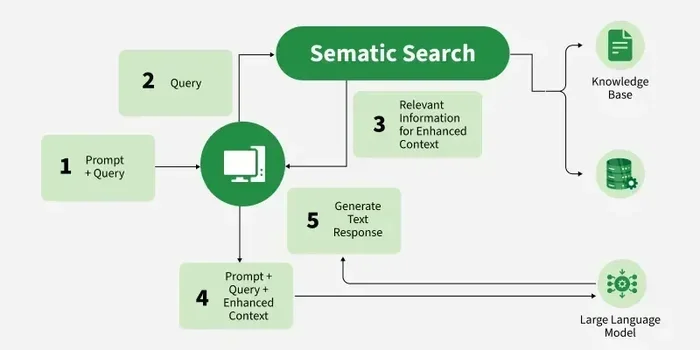
Entity meaning refers to how search engines identify and understand people, places, things, and concepts in content. It is the foundation of how Google delivers accurate results. Mastering entity meaning helps you create content that ranks higher and connects with real users.
You have probably heard people talk about entity meaning and wondered what all the fuss is about. Maybe you read it in an SEO forum or saw it mentioned in a Google patent. Either way, it is one of the most important ideas shaping how search engines work today.
Entity meaning is simply the way search engines understand people, places, things, and ideas. Instead of just matching words on a page, Google now tries to understand the real-world concepts behind those words. This shift has changed everything about how we create and optimize content.
In this article, we will break down the entity meaning in plain language. You will learn what entities are, how Google uses them, and why this matters for your website. By the end, you will have a clear roadmap for building content that search engines truly understand.
Key Takeaways
- Entity meaning defines how search engines interpret real-world concepts: It goes beyond keywords to understand the actual things behind the words.
- Google uses entities to power its Knowledge Graph and semantic search: This is why your content needs to be topically relevant, not just keyword-stuffed.
- Structured data and schema markup help search engines connect your content to known entities: This can lead to rich snippets and featured results.
- Entity-based SEO is a shift from matching words to matching meaning: Content that aligns with real-world context wins in modern search.
- Named entity recognition and entity linking are key NLP techniques: They help machines understand who or what you are writing about.
- Optimizing for entity meaning improves topical authority: This builds trust with both search engines and your audience.
- The future of search is deeply tied to entity understanding: Staying ahead means embracing entity-driven content strategies now.
📑 Table of Contents
What Is Entity Meaning and Why Should You Care?
At its core, entity meaning is about understanding the “who, what, where, and why” behind the words people type into search engines. An entity can be a person, a brand, a location, a product, an event, or even an abstract idea like “trust” or “happiness.”
Think of it this way. When you search for “Apple,” Google does not just look for pages with the word Apple. It uses entity meaning to figure out whether you mean the fruit or the tech company. This is possible because Google has built a massive database of known entities and how they relate to each other. This database is called the Knowledge Graph.
Why does this matter to you? Because if you want your content to rank, you need to speak the same language as search engines. Google does not rank pages based on keywords alone anymore. It ranks pages based on how well they match the entity meaning behind a search query.
The Shift from Keywords to Concepts
For years, SEO was all about keywords. You would find a phrase people searched for, sprinkle it into your content, and hope for the best. That world is gone. Today, search engines use natural language processing and machine learning to understand the deeper meaning of your content.
This means you can no longer just write for keywords. You need to write for entity meaning. Your content should clearly explain what a thing is, how it connects to other things, and why it matters. When you do this, search engines can confidently associate your page with the right entities.
For example, if you write about “climate change,” Google wants to know what specific aspects you cover. Are you discussing causes? Effects? Policy responses? Each of these connects to different entities and helps Google understand your content’s true topic.
How Search Engines Use Entities to Understand Content
Google and other search engines use several advanced techniques to extract and connect entity meaning from web content. Understanding these techniques can help you create content that search engines can easily process.
Named Entity Recognition
Named entity recognition (NER) is a process where search engines scan text to identify specific entities like names, dates, locations, and organizations. For example, in the sentence “Elon Musk founded SpaceX in 2002,” NER identifies “Elon Musk” as a person, “SpaceX” as an organization, and “2002” as a date.
This is a fundamental part of how search engines build their understanding of content. When Google reads your article, it is running NER behind the scenes to figure out what your page is really about.
Entity Linking and Disambiguation
Entity linking is the process of connecting a mention in your text to a known entity in Google’s database. Entity disambiguation is how Google figures out which entity you mean when a word has multiple meanings.
For instance, if your article mentions “Jordan,” Google needs to decide whether you are talking about the country, the basketball player, or the brand. It uses context clues around the word to make the right connection. This is why writing clear, well-structured content matters so much for entity meaning.
Entity Extraction
Entity extraction goes a step further. It is not just about identifying entities but also about understanding the relationships between them. Google wants to know that “Elon Musk” is the CEO of “Tesla,” which is based in “Austin, Texas.” These connections form a web of entity meaning that helps search engines deliver more accurate results.
When your content clearly establishes these relationships, you make it easier for search engines to understand and rank your page. This is one of the most powerful but underused strategies in modern SEO.
Entity Meaning in SEO: The Game Changer
Entity-based SEO has completely changed the way we think about ranking content. Instead of optimizing for individual keywords, you now optimize for entity meaning and topical relevance.
Why Entity Meaning Matters for Rankings
Google’s algorithms have become incredibly sophisticated. They no longer rely on simple word matching. Instead, they look at the broader entity meaning of your content to determine its relevance and quality.
Here is why this matters for your rankings:
- Topical authority: Content that thoroughly covers an entity and its related concepts signals expertise to Google.
- Better matching: When Google understands the entity meaning of your content, it can match it to more relevant search queries.
- Rich results: Content connected to well-known entities is more likely to earn rich snippets and featured snippets.
- Voice search compatibility: Voice assistants rely heavily on entity meaning to answer questions directly.
The Role of the Knowledge Graph
The Google Knowledge Graph is the backbone of entity-based search. It is a massive database that stores information about entities and how they relate to each other. When you search for a person, place, or thing, the Knowledge Graph helps Google deliver the most accurate and relevant results.
If your content is linked to entities in the Knowledge Graph, your chances of ranking well increase significantly. This is why building entity signals into your content strategy is so important.
Schema Markup and Structured Data
Schema markup is a form of structured data that you can add to your website to help search engines understand the entity meaning of your content. It tells Google exactly what your page is about and what type of entity it discusses.
For example, if you have a recipe page, schema markup can tell Google that your page is about a recipe, who the author is, how long it takes to cook, and what ingredients are needed. This structured information makes it much easier for search engines to connect your content to relevant entities.
Using schema markup correctly is one of the easiest ways to improve how search engines perceive your content’s entity meaning.
Common Types of Entities You Should Know
Not all entities are the same. Understanding the different types of entities can help you create more targeted and effective content. Here are the main categories you should be familiar with.
People and Persons
These include real individuals like business leaders, celebrities, historical figures, and authors. When you write about a person, make sure to include details that connect them to related entities like their company, achievements, or notable works.
Places and Locations
Geographic entities like cities, countries, landmarks, and addresses fall into this category. Content about locations benefits from including entity meaning around nearby places, regional context, and specific coordinates or addresses.
Organizations and Brands
Companies, non-profits, government agencies, and brands are all entities. When you mention a brand, provide context about what they do, their products, and their reputation. This helps search engines build a clear picture of the entity meaning behind your content.
Products and Services
Anything you sell or offer as a service is an entity. Product pages should include clear descriptions, specifications, pricing, and reviews. All of these elements strengthen the entity meaning and help search engines categorize your offerings correctly.
Concepts and Abstract Ideas
Some of the most important entities are abstract. Concepts like “sustainability,” “innovation,” or “wellness” are entities too. Writing about these requires connecting them to concrete examples, related entities, and real-world applications.
How to Optimize Your Content Using Entity Meaning
Now that you understand the basics, let us look at practical steps you can take to optimize your content for entity meaning.
1. Write Topically Comprehensive Content
Instead of targeting a single keyword, cover the full topic around an entity. If you write about “yoga,” do not just list poses. Discuss the history, benefits, styles, equipment, and famous practitioners. The more entity meaning you cover, the more authoritative your content appears to search engines.
2. Use Natural Language and Conversational Phrases
Modern search engines understand natural language. Write the way people actually speak and ask questions. This aligns with how entity meaning is processed and helps your content appear in voice search results and People Also Ask boxes.
3. Implement Structured Data Markup
Add schema markup to your pages wherever possible. Use the appropriate schema types for your content, whether it is an article, product, person, or local business. This directly communicates entity meaning to search engines.
4. Build Internal Links Around Entities
Link related content on your site to create a network of connected entities. When your articles link to each other using descriptive anchor text, you help search engines understand the relationships between different topics and entities on your site.
5. Create Author and Brand Profiles
Establishing author profiles and brand pages helps search engines connect your content to real-world entities. This builds trust and credibility, which are important signals for ranking.
6. Use External Links to Authoritative Sources
Linking to trusted, authoritative sources helps reinforce the entity meaning in your content. It shows search engines that your information is well-researched and connected to the broader knowledge base.
Entity Meaning and the Future of Search
The way search engines understand content is only going to get more advanced. Entity meaning will play an even bigger role in how content is ranked, displayed, and consumed in the years ahead.
AI and Machine Learning Advances
Google’s AI systems like BERT and MUM are designed to understand entity meaning at a deeper level than ever before. These models can process natural language with incredible accuracy, making it even more important to write content that clearly communicates entity relationships.
The Rise of Semantic Search
Semantic search focuses on the meaning behind queries rather than just the words. As semantic search continues to evolve, entity meaning will become the primary factor in how content is matched to user intent. Websites that fail to optimize for entities will fall behind.
Entity-Based Content Strategy
The future of SEO is not about tricks or shortcuts. It is about building genuine entity-based content strategies that demonstrate real expertise and topical depth. Brands and creators who invest in understanding entity meaning now will have a significant advantage as search technology continues to advance.
Information Retrieval and Content Relevance
Search engines are getting better at determining content relevance through entity meaning. This means your content needs to be not just informative but also clearly connected to the entities and concepts your audience cares about. Search intent and entity understanding work hand in hand to deliver the best results.
The bottom line is simple. If you want your content to succeed in modern search, you need to think in terms of entities, not just keywords. Build your content around real-world concepts, connect them clearly, and make it easy for search engines to understand what your page is all about.
Conclusion
Entity meaning is no longer a niche SEO concept. It is a fundamental part of how search engines understand and rank content. From named entity recognition to schema markup and the Knowledge Graph, entities are at the heart of modern search.
By focusing on entity meaning, you can create content that is not only more discoverable but also more valuable to your readers. You build topical authority, earn richer search results, and connect with your audience in a more meaningful way. The shift from keywords to entities is not coming. It is already here. Embrace it, and your content will be ready for the future of search.
Start by reviewing your existing content. Ask yourself whether it clearly communicates entity meaning or if it is just stuffed with keywords. Make the changes, track your results, and watch your search visibility grow.
Frequently Asked Questions
What is entity meaning in simple terms?
Entity meaning is how search engines understand the real-world things behind the words in your content. Instead of just matching keywords, Google tries to identify people, places, things, and concepts, and understand how they relate to each other.
How does entity meaning affect SEO?
Entity meaning directly affects SEO because search engines now rank content based on how well it matches the real-world concepts behind a search query. Content that clearly communicates entity meaning tends to rank higher and earn richer search results.
What is the difference between keywords and entities?
Keywords are specific words or phrases people search for. Entities are the actual real-world things those keywords represent. Entity-based SEO focuses on understanding and optimizing for the meaning behind the words, not just the words themselves.
How can I improve entity meaning on my website?
You can improve entity meaning by writing comprehensive content, using schema markup, building internal links around related topics, and creating clear author and brand profiles. These steps help search engines understand the entities your content discusses.
What role does structured data play in entity meaning?
Structured data and schema markup tell search engines exactly what type of entity your content covers. This makes it easier for Google to connect your page to the right entities and display rich results like featured snippets and Knowledge Panel entries.
Will entity meaning become more important in the future?
Absolutely. As search engines use more artificial intelligence and machine learning, understanding entity meaning will only become more critical. Content strategies that focus on entities and topical depth will outperform those that rely on old keyword tactics.