
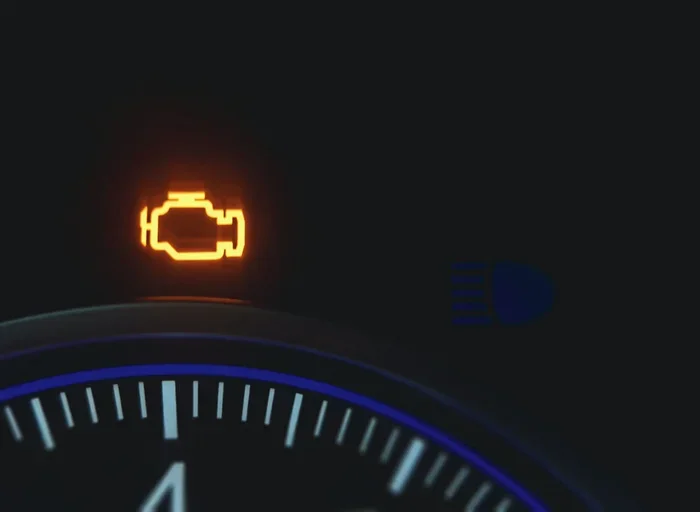
The check engine light is one of the most misunderstood dashboard warnings. It signals that your vehicle’s onboard diagnostics system has detected a problem in the engine or emissions system. Ignoring this light can lead to costly repairs, reduced fuel efficiency, and even engine failure. In this guide, we break down the check engine light meaning in simple terms so you know exactly what to do when it comes on.
You are driving down the road, minding your own business, when suddenly a strange yellow or orange light pops up on your dashboard. It looks like an engine, and it is stubbornly staying lit. What does it mean? More importantly, what should you do?
The check engine light meaning is something every driver should understand. This small symbol carries big importance. It is your car’s way of telling you that something is not right under the hood. Think of it as your vehicle sending you a text message. Unfortunately, unlike a text, it does not come with an explanation.
Some people ignore the check engine light for months. They tell themselves it will go away on its own. Sometimes it does. But sometimes, that little light is the first sign of a serious problem that could cost hundreds or even thousands of dollars to fix. Understanding what this light means can save you time, money, and a lot of stress.
In this article, we will walk you through everything you need to know about the check engine warning. We will cover the most common causes, what the different light patterns mean, and exactly how to respond when your engine light on dashboard starts flashing. By the end, you will feel confident and prepared the next time that little engine icon shows up.
Key Takeaways
- Check Engine Light Meaning: It alerts you to a problem detected by your car’s diagnostic system.
- Steady vs. Flashing: A steady light means a minor issue; a flashing light signals a serious problem.
- Common Causes: Loose gas caps, faulty oxygen sensors, and worn spark plugs are top culprits.
- Diagnosis Tools: An OBD-II scanner can read the specific trouble codes stored in your vehicle.
- Never Ignore It: Even if your car seems fine, a hidden issue can worsen over time and become expensive.
- Act Fast: Early detection saves money and prevents breakdowns on the road.
📑 Table of Contents
- What Does the Check Engine Light Actually Mean?
- Common Reasons the Check Engine Light Comes On
- Steady Light vs. Flashing Light: What Is the Difference?
- How to Diagnose the Problem
- Can You Still Drive With the Check Engine Light On?
- Preventing Check Engine Light Issues
- Light Moments: When Cars and Humor Cross Paths
- Conclusion
What Does the Check Engine Light Actually Mean?
Let us start with the basics. The check engine light meaning is tied directly to your car’s onboard diagnostics system, commonly known as OBD-II. This system monitors dozens of sensors throughout your vehicle. When one of those sensors detects something outside its normal range, it triggers the light.
The system also stores a specific code, called a diagnostic trouble code, or DTC. This code tells a mechanic exactly what went wrong. You can access this code using a simple tool called an OBD-II scanner. These scanners are affordable and widely available at auto parts stores.
The History Behind the Check Engine Light
Cars have had some form of warning lights since the 1980s. Back then, vehicles had very basic computers. As cars became more complex, the need for a universal warning system grew. That is when the OBD-II standard came into play in the mid-1990s. Today, every car sold in the United States uses this system. It controls everything from fuel injection to emissions system monitoring.
The check engine light is part of this system. It is designed to alert you before a small problem becomes a big one. Think of it as a early warning system for your vehicle. Just like you would not ignore a smoke detector going off in your home, you should not ignore this light in your car.
Common Reasons the Check Engine Light Comes On
There are hundreds of reasons the check engine light might turn on. Some are minor and easy to fix. Others require professional attention. Here are the most common culprits that trigger the engine light on warning.
1. Loose or Damaged Gas Cap
Believe it or not, one of the most frequent causes is a loose gas cap. The emissions system relies on a sealed fuel system. When the cap is not tight, fuel vapors escape, and the system flags an error. This is an easy fix that costs nothing. Next time the light comes on, try tightening your gas cap first.
2. Faulty Oxygen Sensor
The oxygen sensor measures how much unburned oxygen is in your exhaust. A failing sensor can reduce fuel efficiency and increase emissions. This is a common issue, especially in older vehicles. Replacing an oxygen sensor typically costs between $100 and $300, depending on your car model.
3. Worn Spark Plugs or Ignition Coils
Spark plugs ignite the air-fuel mixture in your engine cylinders. Over time, they wear out. When they do, you may experience an engine misfire, rough idling, or poor acceleration. A check engine light flashing often points to ignition problems. Replacing spark plugs is relatively inexpensive and keeps your engine running smoothly.
4. Catalytic Converter Failure
The catalytic converter reduces harmful emissions. When it fails, it can trigger the check engine warning. This is one of the more expensive repairs, often costing $500 to $2,000 or more. Regular maintenance and using quality fuel can help prevent this issue.
5. Mass Airflow Sensor Problems
The mass airflow sensor measures the amount of air entering the engine. A dirty or faulty sensor causes poor performance and reduced fuel economy. Cleaning or replacing this sensor is usually straightforward and affordable.
Steady Light vs. Flashing Light: What Is the Difference?
Not all check engine light signals are the same. The pattern of the light tells you how urgent the problem is. Understanding this difference is critical for making the right decision.
Steady Check Engine Light
A steady check engine light usually indicates a less urgent issue. It means the system has detected a problem, but it is not an immediate threat. You should still get your car checked soon. Think of it like a yellow traffic light. It is telling you to slow down and prepare to stop, but you do not need to slam on the brakes.
A steady light could be caused by something as simple as a loose gas cap or a minor sensor issue. However, even a steady light should not be ignored for too long. Small problems can grow into bigger ones if left unaddressed.
Flashing Check Engine Light
A check engine light flashing is a different story entirely. This means the problem is serious and requires immediate attention. A flashing light often indicates engine misfires that can damage the catalytic converter. If you see a flashing light, pull over safely and turn off the engine.
Do not keep driving when the light is flashing. Continued driving can cause severe and expensive damage to your engine and exhaust system. Call a tow truck if needed. It is always better to be safe than sorry.
How to Diagnose the Problem
Once the check engine light meaning kicks in, your next step is figuring out what caused it. You do not need to be a mechanic to do this. Modern tools make diagnosis easier than ever.
Using an OBD-II Scanner
An OBD-II scanner plugs into a port under your dashboard. It reads the engine light codes stored in your vehicle’s computer. These codes give you a starting point for understanding the issue. Many auto parts stores will read the codes for free if you bring your car in.
Here is a simple process to follow:
- Locate the OBD-II port under your dashboard.
- Plug in the scanner and turn the ignition to the “on” position.
- Wait for the scanner to connect and read the codes.
- Write down the codes and look them up online or ask a professional.
Understanding Common Diagnostic Codes
Each code starts with a letter followed by four numbers. For example, P0301 means a misfire in cylinder one. The letter tells you the system affected:
- P stands for powertrain (engine and transmission).
- B stands for body (interior systems).
- C stands for chassis (suspension and braking).
- U stands for network communication.
Most check engine light issues fall under the “P” category. These codes help mechanics pinpoint the exact problem quickly.
When DIY Diagnosis Is Not Enough
While an OBD-II scanner gives you a starting point, it does not replace professional expertise. The code tells you what system is affected, but a skilled mechanic knows how to interpret the full picture. Sometimes multiple codes point to one root cause. A professional diagnostic visit can save you from replacing the wrong part.
Can You Still Drive With the Check Engine Light On?
The short answer is: it depends. A steady light with no other symptoms might allow you to drive a short distance to a repair shop. But a flashing light means you should stop driving immediately.
Here are some general guidelines to follow:
- Steady light, no other symptoms: You can likely drive carefully to a mechanic. Avoid highway speeds and heavy acceleration.
- Steady light, with strange sounds or smells: Pull over and get your car towed.
- Flashing light: Stop driving. Call for roadside assistance or a tow truck.
- Light goes off after a few days: Still get it checked. The issue may have resolved temporarily, but it could return.
Driving with a check engine warning active is risky. Even if your car feels fine, the underlying problem may be getting worse. Think of it like a small leak in your roof. A tiny drip today can become a flooded house tomorrow if you do not fix it.
Preventing Check Engine Light Issues
The best way to deal with the check engine light is to prevent it from coming on in the first place. Regular maintenance goes a long way in keeping your vehicle healthy and your dashboard warning-free.
Follow Your Maintenance Schedule
Every vehicle comes with a recommended maintenance schedule. This includes regular oil changes, spark plug replacements, and air filter updates. Sticking to this schedule keeps all your sensors and systems working properly.
Use Quality Fuel
Cheap or contaminated fuel can cause all sorts of engine light on issues. It can clog sensors, damage the fuel system, and trigger error codes. Whenever possible, fill up at reputable gas stations with high-quality fuel.
Check Your Gas Cap Regularly
Make it a habit to tighten your gas cap after every fill-up. A loose cap is the number one cause of a check engine light that goes away on its own. This simple habit can save you an unnecessary trip to the mechanic.
Pay Attention to Other Warning Signs
Your car often gives you hints before the light comes on. Strange noises, reduced fuel efficiency, vibrations, or hesitation during acceleration are all red flags. Addressing these early can prevent the check engine warning from appearing at all.
Keep Your Vehicle Clean
Believe it or not, keeping your engine bay clean helps with diagnostics. Dirt and grime can cause sensors to malfunction. A clean engine is easier to work on and less prone to false alerts.
Light Moments: When Cars and Humor Cross Paths
Let us be honest. Car troubles are stressful. But sometimes, a little laughter helps. People love sharing light jokes about their cars and the funny things that happen on the road. After all, who has not had a moment where their car did something completely unexpected? Sharing a good laugh with friends about your vehicle quirks can make the stress of car ownership a little more bearable.
And if you enjoy a good brain teaser, you might appreciate light riddles that keep your mind sharp. Solving riddles is a great way to take a break from the stress of car maintenance and give your brain a fun challenge. Sometimes the best way to deal with a check engine light is to step back, take a deep breath, and remember that not every problem is as scary as it seems.
Just like a good riddle, diagnosing a car problem requires patience and logic. You gather clues, test your assumptions, and work toward a solution. So the next time that yellow light comes on, channel your inner detective. You have got this.
Conclusion
The check engine light meaning is simple: your car needs attention. It is a warning system designed to protect your vehicle and keep you safe on the road. Whether it is a loose gas cap or a failing catalytic converter, the light is trying to tell you something important.
Never ignore the check engine warning. Take the time to understand what triggered it. Use an OBD-II scanner for a quick diagnosis, and do not hesitate to visit a trusted mechanic when needed. Early action saves money and prevents breakdowns.
Remember, a steady light means schedule a check-up soon. A flashing light means stop driving and get help immediately. Your car is one of your biggest investments. Treat its warning signs with the respect they deserve, and your vehicle will reward you with years of reliable service.
Stay proactive, stay informed, and never let that little engine icon on your dashboard catch you off guard. The check engine light is your car’s voice. Learn to listen to it.
Frequently Asked Questions
What does it mean when the check engine light comes on?
The check engine light meaning is that your vehicle’s onboard diagnostics system has detected a problem. This could range from a loose gas cap to a serious engine issue. The system stores a diagnostic trouble code that helps identify the exact cause. Getting the code read is the first step to resolving the problem.
Can I keep driving if the check engine light is on?
It depends on whether the light is steady or flashing. A steady light usually means you can drive carefully to a mechanic. A flashing light signals a serious problem and you should stop driving immediately. When in doubt, pull over safely and call for assistance.
How much does it cost to fix a check engine light issue?
The cost varies widely depending on the cause. A loose gas cap costs nothing to fix. Oxygen sensor replacements run around $100 to $300. More serious issues like catalytic converter failure can cost over $1,000. Early diagnosis always saves money.
Will the check engine light turn off by itself?
Sometimes it does, especially if the issue was minor like a loose gas cap. However, the underlying problem may still exist. The system may keep the code stored even if the light goes off. It is always best to get the codes checked to confirm the issue is truly resolved.
Is it safe to reset the check engine light without fixing the problem?
Resetting the light without fixing the issue is not recommended. The light will come back on once the system detects the same problem again. More importantly, you would be ignoring a real issue that could worsen over time and lead to more expensive repairs down the road.
How often should I check my vehicle’s diagnostic system?
There is no set schedule for checking diagnostics. However, if you notice any unusual behavior in your vehicle or if the check engine warning appears, get it checked right away. Routine visits to a trusted mechanic can also help catch issues before the light ever comes on.
=== END OF ARTICLE ===