
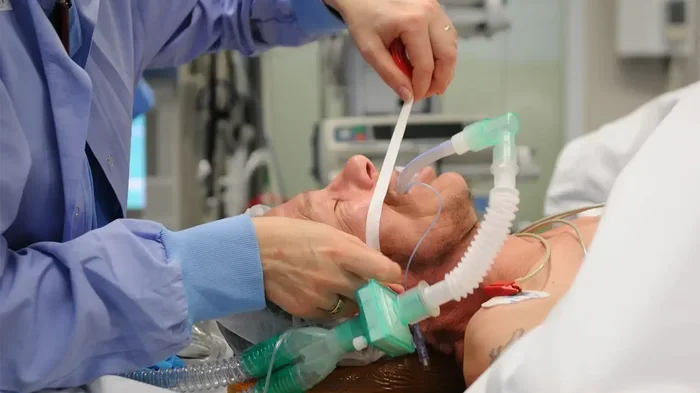
The intubated meaning is simply having a tube inserted into your airway to help you breathe when you can’t do it alone. Understanding this procedure helps reduce fear and prepares you for hospital stays. Knowing the intubated meaning empowers you to face medical situations with confidence.
Have you ever heard someone say a patient was intubated and felt completely lost? You are not alone. Many people hear the word intubated and wonder what exactly is happening. The intubated meaning is simpler than you might think.
In everyday terms, being intubated means a doctor has placed a soft plastic tube into your windpipe. This tube helps air flow in and out of your lungs when you cannot breathe well on your own. The intubated meaning is not scary once you break it down. It is a life-saving tool used in hospitals every single day.
Whether it happens during planned surgery or a sudden emergency, understanding what it means to be intubated can ease your mind. This article will walk you through the intubated meaning step by step. You will learn how the procedure works, why doctors use it, and what to expect during recovery. By the end, you will feel much more confident about this common medical term.
Key Takeaways
- Intubation is a life-saving airway procedure: It involves placing a tube into the windpipe to maintain breathing.
- Being intubated means you cannot speak: The tube passes through your vocal cords, which prevents normal speech.
- It is used during surgery and emergencies: Doctors intubate patients to control breathing and deliver oxygen.
- The process is quick and performed by specialists: Anesthesiologists or critical care doctors insert the tube while you are asleep or sedated.
- Recovery can involve a sore throat and temporary voice changes: Most side effects resolve within a few days.
- Understanding the intubated meaning reduces anxiety: Knowing what happens helps patients and families feel more prepared.
📑 Table of Contents
What Does Intubated Mean?
The intubated meaning comes from a medical procedure called intubation. At its core, intubated meaning refers to having a tube inserted through your mouth or nose and into your trachea, also known as your windpipe. The tube is called an endotracheal tube. Once in place, it connects to a breathing machine or a bag that pushes oxygen into your lungs.
Many people ask, “Can you talk while intubated?” The answer is no. Because the tube passes directly through your vocal cords, it prevents you from making sounds. This is a key part of intubated meaning that surprises many people. You are awake or asleep during the process, depending on the situation. In most cases, you receive medicine to keep you comfortable.
The Tube and Your Airway
Your airway is a complex system. It starts at your mouth and nose, goes down your throat, and splits into two bronchi leading to your lungs. The intubated meaning focuses on placing the tube right above the split, into the trachea. This ensures air goes directly to both lungs. The tube is soft and flexible, so it does not damage your airway. Doctors use a tiny camera called a laryngoscope to see your vocal cords and guide the tube in. The whole process takes only a few minutes.
Why People Need a Breathing Tube
There are many reasons a doctor might decide to intubate a patient. During major surgery, anesthesia can slow your breathing. A breathing tube ensures you get enough oxygen the entire time. In emergencies like car accidents, heart attacks, or severe pneumonia, your lungs may fail. The intubated meaning in these cases is a bridge to keep you alive while your body heals. It allows machines to do the work of breathing for you.
Quick Tips for First-Time Learners
- Think of the tube as an airway bridge: It bypasses any blockage and delivers oxygen directly to your lungs.
- The tube is small and soft: It is about the width of a pencil and made of flexible plastic.
- You are monitored the whole time: Nurses watch your heart rate, oxygen levels, and blood pressure continuously.
- It is a temporary solution: Most patients have the tube removed as soon as they can breathe safely on their own.
How the Intubation Procedure Works
Step-by-Step Look at Intubation
Understanding the intubated meaning in action helps remove fear. Here is how doctors perform a routine intubation. First, the medical team connects you to a heart monitor and oxygen sensor. They check your oxygen levels and blood pressure. Then they give you medicine through an IV. This medicine makes you fall asleep quickly. Some patients receive a sedative only, so they are relaxed but not fully asleep.
Next, the doctor lifts your chin and uses a laryngoscope to open your mouth. They gently guide the endotracheal tube past your vocal cords and into your trachea. Once the tube is in the right spot, they inflate a small balloon at the tip. This balloon seals the airway so no air leaks out. The team then connects the tube to a ventilator or a resuscitation bag. They confirm the tube is in the right place by checking your oxygen levels and listening to your breath sounds.
The Role of the Breathing Machine
The breathing machine, or ventilator, is a key part of the intubated meaning. It pushes air mixed with oxygen into your lungs. The machine can control how much air you get and how often you breathe. This gives your lungs a chance to rest and heal. The ventilator does not hurt. You are usually sedated, so you feel no discomfort. The machine does all the hard work for you while your body recovers.
Quick Tips for Understanding the Procedure
- Intubation is fast: It usually takes less than two minutes from start to finish.
- You are monitored closely: Nurses watch your heart rate, oxygen, and blood pressure the entire time.
- The tube is temporary: Most patients have it removed within hours or days.
- You feel no pain: Medicine keeps you comfortable throughout the process.
Why Doctors Use Intubation
Planned Surgeries and Controlled Breathing
One of the most common intubated meaning scenarios is planned surgery. When you receive general anesthesia, your muscles relax completely. Your breathing slows down or stops. Without a breathing tube, you would not get enough oxygen. The intubated meaning in surgery is simple: it keeps your body supplied with oxygen while the surgeon works. It also allows the anesthesiologist to control your breathing precisely.
Surgeries on the chest, abdomen, or brain almost always require intubation. The intubated meaning ensures the patient stays still and safe. It also gives the surgical team a clear airway to manage. In these cases, the tube is removed as soon as the surgery ends and you start breathing on your own.
Emergency Situations and Life Support
In emergency rooms, the intubated meaning takes on a life-saving role. A patient with severe trauma, a drug overdose, or a heart attack may stop breathing. The medical team acts fast. They intubate the patient to push oxygen into the lungs. This is called emergency intubation. The intubated meaning here is a race against time to save a life.
Patients in the ICU who have severe pneumonia or respiratory failure also need intubation. Their lungs are too weak to move air. The breathing machine does the work for them. The intubated meaning in the ICU is a bridge to recovery. It gives the lungs time to heal with the help of medicine and rest.
Comparison: Intubation vs. Other Breathing Support
Not all breathing support involves a tube. Here is a quick comparison of common methods.
| Method | How It Works | When It Is Used |
|---|---|---|
| Intubation | A tube is placed in the windpipe and connected to a ventilator. | Major surgery, emergencies, severe breathing failure. |
| Non-Invasive Ventilation (BiPAP/CPAP) | A mask fits over the nose or mouth and pushes air in. | Mild breathing trouble, sleep apnea, COPD flare-ups. |
| Tracheostomy | A surgical hole in the neck connects directly to the windpipe. | Long-term breathing support, weeks or months. |
This table shows that the intubated meaning is specifically about a tube inside the airway. It is the most direct form of breathing support. Other methods are less invasive but do not work for every situation.
Preparing for Intubation and What to Expect
Before the Procedure
If you know you will be intubated for surgery, the medical team will explain the intubated meaning to you beforehand. You will sign a consent form. They will ask about your medical history, allergies, and any medications you take. It is important to tell them if you have trouble with your neck or jaw, as this can make placing the tube harder.
The team will also explain the sedatives they will use. You will not remember much of the process. This is normal and part of the intubated meaning. You will feel relaxed, then drift off to sleep. The whole thing happens very quickly.
During the Procedure
Once you are asleep, the doctor performs the intubation. The intubated meaning is now active. The breathing machine takes over. You will not feel the tube. The team monitors your vital signs closely. They adjust the ventilator settings to match your body’s needs. This is all part of the intubated meaning: keeping your body alive and stable.
Common Mistakes People Make When Learning About Intubation
- Thinking intubation means you are dying: Many people confuse intubation with end-of-life care. In reality, it is a supportive tool used to help you breathe during treatment.
- Believing you will feel the tube: Because you are sedated or asleep, you do not feel the tube being placed or while it is in.
- Assuming you will be awake the whole time: Most patients are completely unconscious during intubation. Only emergency cases might use light sedation.
- Forgetting to ask questions: It is normal to feel anxious. Always ask your doctor to explain the intubated meaning in your own words.
Recovery, Side Effects, and When the Tube Comes Out
The Extubation Process
The intubated meaning ends with a process called extubation. This is when the doctor removes the breathing tube. Extubation happens when you can breathe well enough on your own. The team checks your oxygen levels, your strength, and your ability to cough. They suction any secretions from your mouth and throat. Then they deflate the balloon on the tube and gently pull it out.
Extubation is usually quick and painless. You might feel a tickle or a cough. The medical team will be ready to support you. After the tube is out, you may feel a sore throat or have trouble speaking for a short time. This is a normal part of the intubated meaning recovery.
Common Side Effects
Most side effects of intubation are mild and temporary. Here is what you might experience:
- Sore throat: The tube can irritate your throat and vocal cords. This usually lasts one to three days.
- Hoarse voice: Your voice may sound raspy or weak. This happens because the tube rested on your vocal cords.
- Cough: You might have a dry cough for a few hours after extubation.
- Mouth dryness: The tube can dry out your mouth. Sipping water or using ice chips helps.
These side effects are all part of the intubated meaning journey. They are signs that your body is healing. Serious complications like vocal cord injury or lung infection are rare but possible. Your medical team watches for these closely.
Expert Insights: What Nurses Want You to Know
Many nurses who work in ICUs and operating rooms share the same advice. “The intubated meaning can feel overwhelming at first, but it is a temporary and protective measure,” says a senior ICU nurse. “Patients often feel relieved once they understand that the tube is helping them, not hurting them. Communication is key. Ask your care team to explain each step in simple terms.”
This insight highlights the importance of understanding intubated meaning. When you know what is happening, you can focus on healing. The medical team is always there to support you.
Key Takeaways for Recovery
- The tube is temporary: Most patients have it for a few hours to a few days.
- Sore throat is normal: It should improve within 48 hours.
- Follow breathing exercises: Deep breathing and coughing help clear your lungs after extubation.
- Stay hydrated: Water and ice chips soothe your throat.
- Report any trouble breathing: If you feel short of breath after the tube is out, tell your nurse right away.
Living With the Memory of Being Intubated
Emotional Recovery After Intubation
Waking up after being intubated can be a strange experience. Some patients feel confused or scared. They might not remember the process clearly. This is normal. The intubated meaning can leave a strong impression, even if the procedure itself was routine.
Many patients report feeling anxious about future medical procedures. They might worry about being unable to breathe on their own. Understanding the intubated meaning can help ease these fears. Remember, the tube is a tool. It does not define your health journey. Talk to your doctor if you feel anxious. They can explain how the procedure helped you recover.
Tips for Coping with Anxiety
- Write down your questions: Bring a list to your next doctor visit.
- Ask for a simple explanation: Request that your care team use everyday language.
- Focus on the outcome: The intubated meaning is all about getting oxygen to your body so you can heal.
- Share your feelings: Talk to a family member or counselor about your experience.
- Join a support group: Many hospitals offer groups for patients who have been through ICU stays.
The Big Picture: Why Understanding Intubated Meaning Matters
The intubated meaning is more than a medical term. It represents a lifeline for millions of patients every year. When you understand what it means to be intubated, you become a more informed patient. You can ask better questions. You can make decisions with confidence. The intubated meaning empowers you to take an active role in your care.
Whether it is for a scheduled surgery or an unexpected emergency, knowing the intubated meaning helps you face the situation with clarity. You are not alone. The medical team is trained to guide you through every step. Trust in the process, and remember that the breathing tube is there to help you, not harm you.
The intubated meaning is now clear. It is a simple, life-saving procedure that places a tube in your airway to help you breathe. From surgery to emergencies, the intubated meaning plays a vital role in modern medicine. You have learned how the procedure works, why doctors use it, and what to expect during recovery. Understanding what it means to be intubated reduces fear and builds confidence.
Next time you hear the word intubated, you will know exactly what it means. You will understand the intubated meaning behind the term. Share this knowledge with friends and family. It could help them feel less scared if they ever need it. The more we know, the better we can face medical challenges together.
Frequently Asked Questions
What does it feel like to be intubated?
Most patients do not feel anything during intubation because they are asleep or deeply sedated. After the tube is removed, you might have a sore throat or a hoarse voice. These effects are temporary and usually go away within a few days.
How long does intubation usually last?
The duration varies. For planned surgery, the tube is often removed within minutes to hours after the procedure. In critical care, some patients need the tube for days or weeks. The medical team decides based on your breathing strength and overall recovery.
Can you breathe on your own while intubated?
Yes, but the breathing machine does most of the work. The tube delivers oxygen and helps remove carbon dioxide. As you get stronger, the team will reduce the machine’s support and eventually remove the tube when you can breathe independently.
Is intubation the same as being on a ventilator?
Intubation is the process of placing the tube. A ventilator is the machine that connects to the tube to help you breathe. So being intubated means you have the tube, and if you are on a ventilator, the machine is assisting your breathing through that tube.
What are the risks of intubation?
Serious risks are rare. Possible issues include sore throat, hoarseness, or injury to the teeth or vocal cords. In very rare cases, the tube might go into the wrong place or cause a lung collapse. The medical team takes many steps to prevent these complications and monitors you closely.
Can you talk while the tube is in place?
No, you cannot speak while intubated. The tube passes through your vocal cords, which prevents them from vibrating. This is a normal part of the intubated meaning. Once the tube is removed, your voice returns to normal, usually within a day or two.