
The oedipus meaning goes far deeper than a simple Greek legend. It represents the tension between fate and free will, and it has shaped psychology, literature, and culture for thousands of years. From Sigmund Freud’s famous theory to modern family dynamics, the oedipus meaning touches every part of how we understand human behavior. This guide breaks down the oedipus meaning in plain language so anyone can grasp its power and relevance.
The oedipus meaning is one of the most fascinating ideas in all of human history. You might have heard the name Oedipus before, maybe in a class or a movie. But the real oedipus meaning goes way beyond a simple story about a king. It touches on things like fate, family, unconscious desires, and the choices we make. People have been studying the oedipus meaning for over a hundred years, and it still matters today. Whether you are curious about psychology, literature, or just want to understand why this myth is so famous, you are in the right place. This guide will walk you through everything you need to know about the oedipus meaning in a clear and simple way.
So why does the oedipus meaning still capture our attention? The answer is simple. The story hits close to home for almost everyone. It deals with family relationships, the fear of making mistakes, and the power of destiny. These are things every person can relate to. The oedipus meaning has shaped how therapists think about the mind. It has inspired countless books, plays, and films. And it continues to spark conversations about who we are and why we do the things we do. Let us dive into the full story behind the oedipus meaning.
Key Takeaways
- The oedipus meaning connects ancient myth to modern psychology: The story of Oedipus has influenced Freud, literature, and everyday understanding of family dynamics.
- Oedipus meaning is not just about a literal story: It symbolizes unconscious desires, fate, and the human struggle against destiny.
- The oedipus complex remains a key concept in psychoanalysis: Freud used the myth to explain childhood development and unconscious family bonds.
- Dramatic irony makes the oedipus story timeless: The audience knows the truth before the characters do, creating powerful tension.
- Oedipus meaning shows up everywhere in modern culture: From movies to therapy sessions, the themes of the myth are still very relevant.
- Understanding oedipus meaning helps with self-reflection: It encourages us to examine our own patterns, fears, and family relationships.
📑 Table of Contents
- What Does Oedipus Meaning Really Mean?
- The Ancient Oedipus Story and Its Origins
- Oedipus Meaning in Psychology and Freud’s Theory
- Oedipus Meaning in Literature and Drama
- Oedipus Meaning in Modern Culture and Everyday Life
- How to Understand Oedipus Meaning on a Deeper Level
- The Lasting Legacy of Oedipus Meaning
What Does Oedipus Meaning Really Mean?
The Literal Definition
At its core, the oedipus meaning comes from an ancient Greek myth. Oedipus was a king of Thebes, a city in Greece. The story says he unknowingly killed his father and married his mother. When he finally learned the truth, he was devastated. He blinded himself and left his city in shame.
But the oedipus meaning is not just about what happened to one man. It has become a symbol. The oedipus meaning represents the idea that we cannot always escape our destiny. It also stands for the complex emotions we have toward our parents. These emotions include love, rivalry, and fear. Over time, the oedipus meaning has grown to cover much more than the original myth.
Why the Oedipus Meaning Is So Powerful
The oedipus meaning is powerful because it deals with deep human truths. Every child loves their parents. Every child also wants to be independent. These feelings can create tension. The oedipus meaning captures that tension in a dramatic way. It forces us to look at our own relationships and ask hard questions.
Another reason the oedipus meaning resonates is because of fate. The story shows how trying to avoid a prophecy can actually make it come true. This idea of a self-fulfilling prophecy is something people encounter in real life all the time. We worry about something bad happening, and our worry causes us to act in ways that bring it about. That is a huge part of the oedipus meaning.
The Ancient Oedipus Story and Its Origins
The Myth of Oedipus Rex
The oedipus meaning comes from a play called Oedipus Rex, written by the Greek playwright Sophocles around 429 BC. The story begins with a terrible plague hitting the city of Thebes. The people believe the gods are angry because the killer of the former king, Laius, has never been punished.
Oedipus, who is now the king, promises to find the killer and save the city. As he investigates, he uncovers clues that lead him closer and closer to the truth. The twist is shocking. Oedipus himself killed Laius at a crossroads years earlier. And the woman he married, Jocasta, is his own mother. When Jocasta learns the truth, she hangs herself. Oedipus, in grief, gouges out his own eyes.
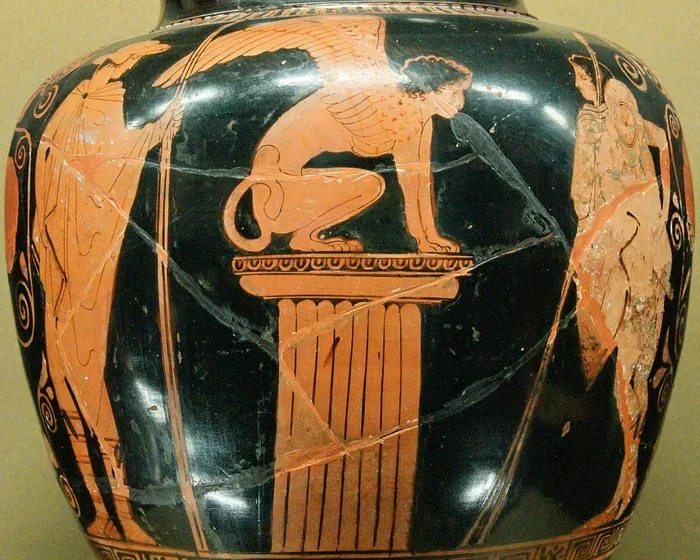
The oedipus meaning in this ancient story is about the limits of human knowledge. Oedipus is a smart and well-meaning man. He solves the riddle of the Sphinx and saves Thebes. Yet he cannot solve the riddle of his own life. The oedipus meaning here is clear: no matter how clever or strong we are, some truths are hard to face.
What the Oracle Prophesied
The story of Oedipus begins with a prophecy. Laius and Jocasta are told their son will kill his father and marry his mother. Terrified, they give their baby away. But fate has other plans. The oedipus meaning is deeply tied to the idea of prophecy and fate. The attempt to avoid destiny is what actually brings it about.
This is one of the most important parts of the oedipus meaning. It shows that running from our problems or our nature does not make them go away. It only delays the moment of truth. The oracle’s prediction comes true because of the very actions taken to prevent it. This is what scholars call a self-fulfilling prophecy, and it is central to the oedipus meaning.
Quick Tips: Understanding the Key Characters
- Oedipus: The main character. He is brave, smart, and determined. But his pride leads him to a tragic end.
- Jocasta: Oedipus’s mother and wife. She tries to hide the truth to protect her family.
- Laius: Oedipus’s father and the former king of Thebes. He is killed by Oedipus at a crossroads.
- The Oracle of Delphi: A prophet who delivers the fateful prophecy that drives the entire story.
- The Sphinx: A creature who poses a riddle. Oedipus answers it correctly, earning the throne of Thebes.
Oedipus Meaning in Psychology and Freud’s Theory
How Freud Used the Myth
The oedipus meaning took on a whole new life in the late 1800s. That is when Sigmund Freud, the founder of psychoanalysis, picked up the story. Freud believed that every child goes through a phase where they have unconscious feelings toward their parents. He named this the oedipus complex, directly after the myth.
Freud’s idea was bold and controversial. He suggested that young boys feel a hidden rivalry with their fathers for their mothers’ love. He also believed girls go through a similar phase, which he called the Electra complex. The oedipus meaning in psychology is about these unconscious desires and the way they shape our adult personalities.
Freud used the oedipus meaning to explain why people develop certain fears, habits, and relationship patterns. He believed that resolving the oedipus complex was a key step in healthy psychological development. Even today, many therapists still reference the oedipus meaning when working with clients on family issues.
The Oedipus Complex Explained Simply
The oedipus complex is a part of Freud’s theory of psychosexual development. It happens during the phallic stage, which is roughly between ages three and six. During this stage, children begin to develop a strong attachment to the parent of the opposite sex. They also start to see the same-sex parent as a rival.
For boys, the oedipus complex means they may feel a deep bond with their mother and see their father as a competitor. For girls, the Electra complex involves a similar dynamic with the father. Freud believed that children eventually resolve these feelings by identifying with the same-sex parent. If they do not, it could lead to emotional difficulties later in life.
The oedipus meaning in psychology is not about literal desire. It is about the emotional bonds and conflicts that form in early childhood. These bonds shape how we relate to others as adults. Understanding this can help people improve their relationships and mental health.
Common Mistakes: Misunderstanding Freud’s Idea
Many people misunderstand the oedipus meaning in psychology. Here are some common mistakes:
- Thinking it is about literal attraction: The oedipus complex is about emotional bonds and rivalry, not sexual desire in the way most people imagine.
- Believing it only affects boys: Freud proposed a parallel process for girls, though his theory on this has been debated and updated over time.
- Assuming it always leads to problems: Most children naturally resolve these feelings as they grow. Only unresolved conflicts tend to cause issues later.
- Ignoring cultural differences: The oedipus meaning may not apply the same way across all cultures. Family structures and values differ widely around the world.
Oedipus Meaning in Literature and Drama
The Tragic Hero Archetype
The oedipus meaning has had a huge impact on literature. Oedipus is often called the original tragic hero. A tragic hero is a character who has great qualities but also a fatal flaw. In Oedipus’s case, his flaw is hubris, or excessive pride. He believes he can outsmart fate, but he cannot.
The oedipus meaning in literature is about the human condition. It shows us that even the best and brightest people can fall. The story teaches us about humility, the limits of knowledge, and the consequences of our actions. Writers from Shakespeare to modern novelists have drawn on the oedipus meaning to create powerful characters and stories.
The oedipus meaning also gave rise to the idea of dramatic irony. Dramatic irony happens when the audience knows something the characters do not. In Oedipus Rex, the audience knows Oedipus is the killer and the son of Laius and Jocasta. Oedipus does not know this. This gap in knowledge creates tension and sadness throughout the story.
Dramatic Irony and Its Role in the Oedipus Story
Dramatic irony is one of the most important tools in the oedipus meaning. It makes the story feel both tragic and inevitable. Every time Oedipus gets closer to the truth, the audience feels the weight of what is coming.
This technique has been used in countless plays, films, and books since Sophocles first used it. The oedipus meaning shows writers how to build suspense and emotion through what the audience knows. When the truth finally comes out, the impact is devastating. That is the power of dramatic irony rooted in the oedipus meaning.
Oedipus Meaning in Modern Culture and Everyday Life
Pop Culture References
The oedipus meaning shows up everywhere in modern culture. Movies, TV shows, books, and songs all reference the myth. One of the most famous examples is the musical “Oedipus Rex” by Leonard Bernstein. The story has also inspired films like “Freud” and “Missing,” which explore the themes of the myth in new settings.
In psychology, the oedipus meaning is often discussed in popular media. Talk shows, self-help books, and online articles regularly mention the oedipus complex. The oedipus meaning has become shorthand for complicated family feelings. When people say someone has “oedipal issues,” they are referencing the myth and its psychological implications.
Family Dynamics and Unconscious Patterns
The oedipus meaning is not just a story from the past. It speaks to real family dynamics that people experience today. Many people carry unconscious patterns from childhood into adulthood. These patterns can affect how they choose partners, handle conflict, and view authority figures.
For example, someone who grew up with an overly critical parent might unconsciously seek out partners who are also critical. This is similar to the oedipus meaning, where Oedipus repeats the actions of his father without realizing it. The oedipus meaning reminds us that we are shaped by our early experiences in ways we may not even notice.
Expert Insight: How Therapists Use the Oedipus Meaning Today
Modern therapists often use the oedipus meaning as a framework for understanding family dynamics. They help clients explore their relationships with their parents and identify unconscious patterns. The oedipus meaning is not about blame. It is about awareness. Once we see our patterns, we can choose to change them.
How to Understand Oedipus Meaning on a Deeper Level
Fate vs Free Will
One of the biggest questions in the oedipus meaning is whether fate or free will controls our lives. Oedipus tries to escape his prophecy, but his efforts lead him right to it. This raises a deep question. Do we have control over our lives, or are our paths already written?
The oedipus meaning suggests that the truth is somewhere in between. We make choices every day. But some forces, like our upbringing and unconscious patterns, shape those choices in ways we do not fully understand. The oedipus meaning teaches us to be mindful of these hidden influences.
The Self-Fulfilling Prophecy
The self-fulfilling prophecy is a key part of the oedipus meaning. It happens when a prediction causes itself to come true. In the myth, Laius and Jocasta try to prevent the prophecy by abandoning their baby. But this very action sets Oedipus on the path to fulfill it.
In real life, self-fulfilling prophecies happen all the time. If you believe you will fail a test, you might study less, which leads to failure. If you believe a relationship will not work, you might act in ways that push your partner away. The oedipus meaning shows us how our beliefs can shape our reality in powerful and sometimes destructive ways.
Comparison: Ancient vs Modern Interpretation of Oedipus Meaning
| Aspect | Ancient Interpretation | Modern Interpretation |
|---|---|---|
| Core Focus | Fate, prophecy, and the will of the gods | Unconscious desires, family dynamics, and self-awareness |
| Role of Oedipus | A king punished by destiny for crimes he did not know he committed | A symbol of how unconscious patterns drive our behavior |
| Key Theme | The limits of human knowledge and the power of fate | The importance of self-reflection and understanding hidden motivations |
| Moral Lesson | Do not try to cheat fate; accept what comes | Awareness of our patterns can help us change them |
| Audience Takeaway | Humility before the gods and destiny | Self-examination and emotional honesty in relationships |
Quick Tips: Applying the Oedipus Meaning to Your Life
- Reflect on your family patterns: Think about the behaviors you learned from your parents. Are they still serving you?
- Watch for self-fulfilling prophecies: Notice when your beliefs about a situation might be causing the outcome you fear.
- Practice self-awareness: Journaling or therapy can help you uncover unconscious patterns that influence your choices.
- Embrace humility: Accept that you do not have all the answers. Like Oedipus, the truth can be hard to face, but it sets you free.
- Talk openly about family: Honest conversations with family members can help you understand where certain patterns come from.
The Lasting Legacy of Oedipus Meaning
The oedipus meaning has survived for thousands of years, and it is not hard to see why. The story speaks to the deepest parts of the human experience. It deals with love, fear, identity, and the search for truth. These are things every person thinks about at some point in their life.
The oedipus meaning has influenced fields as diverse as psychology, literature, philosophy, and art. It has given us the concept of the oedipus complex, which still shapes how we think about childhood development. It has inspired some of the greatest works of drama and literature ever written. And it continues to spark conversations about fate, free will, and the unconscious mind.
What makes the oedipus meaning so enduring is its simplicity and depth. On the surface, it is a story about a king and a terrible curse. But underneath, it is a story about all of us. We all struggle with family dynamics. We all face moments where the truth is harder than we expected. And we all wonder whether our lives are guided by fate or by our own choices.
The oedipus meaning reminds us that self-knowledge is powerful. When Oedipus finally learns the truth about himself, it is painful. But it is also the only path to healing. The oedipus meaning teaches us that facing the truth, no matter how hard, is always better than living in denial.
So the next time you hear the term oedipus meaning, remember that it is about much more than an ancient myth. It is a lens for understanding ourselves and our relationships. It is a reminder that our deepest patterns often operate below the surface. And it is an invitation to look closer, think deeper, and live more honestly.
The oedipus meaning is a gift to anyone willing to explore it. It challenges us to examine our families, our choices, and our beliefs. It asks us to be brave enough to face the truth. And it promises that this courage, though difficult, leads to a richer and more meaningful life. That is why the oedipus meaning still matters today, and why it will continue to matter for generations to come.
Frequently Asked Questions
What is the oedipus meaning in simple terms?
The oedipus meaning refers to the themes of fate, unconscious desires, and family dynamics found in the ancient Greek myth of Oedipus. In simple terms, it is about how we are shaped by our family relationships and the forces we cannot see or control.
Did Oedipus actually commit incest in the original story?
Yes, in the original myth by Sophocles, Oedipus unknowingly kills his father and marries his mother. However, the oedipus meaning is not about the literal acts. It is about the deeper themes of fate, self-discovery, and the consequences of ignorance.
Is the oedipus complex still relevant today?
Many therapists and psychologists still reference the oedipus complex when discussing childhood development and family dynamics. While Freud’s exact theory has evolved, the core idea that early family relationships shape our adult lives remains widely accepted in modern psychology.
What does oedipus meaning teach us about fate?
The oedipus meaning teaches us that trying to escape fate can sometimes cause it to come true. The story of Oedipus shows how a self-fulfilling prophecy works and reminds us to be mindful of how our beliefs and actions shape our future.
How did oedipus meaning influence modern pop culture?
The oedipus meaning has inspired countless movies, plays, books, and songs. From Freud’s psychoanalytic theory to modern films like “Missing,” the themes of the myth continue to appear in popular culture as a way to explore family secrets, identity, and hidden truths.
Can understanding oedipus meaning help with personal growth?
Absolutely. Exploring the oedipus meaning encourages self-reflection and awareness of unconscious family patterns. By understanding these dynamics, people can make more informed choices in their relationships and work toward healthier emotional habits.
=== CONCLUSION ===
The oedipus meaning is far more than an ancient Greek myth. It is a powerful framework for understanding human behavior, family dynamics, and the forces that shape our lives. From Freud’s psychoanalytic theory to modern self-reflection, the oedipus meaning continues to offer deep insights into who we are and why we do what we do.
Whether you are drawn to the story for its literary power, its psychological depth, or its timeless themes of fate and truth, the oedipus meaning has something valuable to offer. It asks us to look inward, to question our patterns, and to have the courage to face the truth. That is a lesson that never goes out of style. Embrace the oedipus meaning, and let it guide you toward greater self-awareness and stronger relationships.