
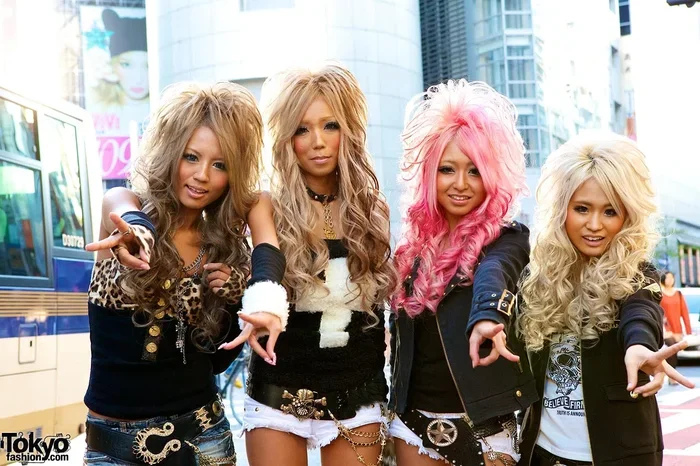
The gyaru meaning goes far beyond a simple translation. It represents a bold Japanese fashion subculture rooted in self-expression, confidence, and breaking beauty norms. This guide covers everything from the history and different gyaru styles to beauty tips and how to embrace this iconic look today.
Have you ever seen a photo of a woman with deeply tanned skin, bleached hair, dramatic lashes, and flashy outfits and wondered what that style was all about? That is the world of gyaru. The gyaru meaning might seem simple at first glance, but the story behind this Japanese style is rich, complex, and fascinating.
Gyaru is more than just a fashion trend. It is a cultural movement that challenged beauty norms, empowered women, and created an entire community built on self-expression. Whether you are a fashion enthusiast, a Japan lover, or simply curious about global street style, understanding the gyaru meaning opens a door into a vibrant world that has influenced fashion for decades.
In this article, we will break down everything you need to know. We will cover the history, the different styles, the beauty routines, and how gyaru culture lives on today. By the end, you will have a deep appreciation for what gyaru really means and why it matters in the world of fashion and culture.
Key Takeaways
- Gyaru is a Japanese fashion subculture that celebrates bold looks, tanned skin, and dramatic styling as a form of self-expression.
- The word gyaru comes from the English “gal,” and the subculture emerged in the 1970s as a rebellion against traditional Japanese beauty standards.
- There are many gyaru style types, including ganguro, himegyaru, and agejo, each with its own unique aesthetic and rules.
- Gyaru fashion has evolved significantly, from its rebellious roots to its modern presence in Japanese pop culture and social media.
- Beauty is central to the gyaru lifestyle, with elaborate makeup routines, nail art, and hair styling being essential components.
- You can embrace gyaru style today by understanding the core elements and adapting them to your own personal taste.
📑 Table of Contents
- What Does Gyaru Mean?
- The History and Evolution of Gyaru
- Different Types of Gyaru Styles
- Gyaru Fashion and Beauty Essentials
- Gyaru in Modern Japanese Culture
- Common Mistakes to Avoid When Exploring Gyaru Style
- Expert Insights on Gyaru Culture
- How to Incorporate Gyaru Into Your Everyday Style
- Key Takeaways
- Conclusion
What Does Gyaru Mean?
The word gyaru comes from the English word “gal.” In the 1970s, young Japanese women started using this term to describe themselves. They were inspired by Western fashion and wanted to create a look that felt fresh, modern, and totally different from what was expected of them.
At its core, the gyaru meaning is about being confident and unapologetically yourself. It is about rejecting strict beauty standards and embracing a look that turns heads. Gyaru is not just about clothes. It is a lifestyle, an attitude, and a statement.
Over the years, the meaning has evolved. What started as a way for young women to rebel has grown into a diverse subculture with many different styles and communities. Today, when people talk about gyaru, they might mean anything from a heavily tanned look to a glamorous, princess-like aesthetic.
The Roots of Gyaru Culture
Gyaru culture took root in the Shibuya and Harajuku neighborhoods of Tokyo. These areas were already known for youth fashion and creativity. Young women gathered there to express themselves through bold clothing and makeup. They wanted to stand out.
Early gyaru style drew inspiration from Western pop culture. Think California beach vibes, disco energy, and the carefree attitude of the 1980s. Japanese girls started wearing shorter skirts, tanner skin, and dramatic hairstyles. This was a direct contrast to the pale skin and modest looks that traditional Japanese beauty ideals favored.
Magazines played a huge role in spreading the gyaru look. Publications like Egg and Popteen became the bibles of gyaru fashion. They featured models called “gyaru-chan” who showcased the latest trends. These magazines helped define what it meant to be gyaru and gave the subculture a strong identity.
The History and Evolution of Gyaru
The history of gyaru is a story of rebellion, creativity, and constant reinvention. Understanding where it came from helps you appreciate the gyaru meaning on a deeper level. Let us walk through the key eras.
The 1970s and 1980s: The Birth of Gyaru
The gyaru movement began in the 1970s. Young Japanese women started adopting Western fashion elements. They wore platform shoes, bold makeup, and tanned skin. This was a time of economic growth in Japan, and youth culture was exploding.
By the 1980s, the look had become more defined. Gyaru girls were seen as trendsetters. They were not afraid to be loud or flashy. The style was a clear departure from the conservative norms that Japanese society often expected women to follow.
The 1990s: The Golden Age of Gyaru
The 1990s are considered the golden age of gyaru culture. This is when the movement really exploded and diversified. New styles emerged, and gyaru became a mainstream presence in Japanese fashion.
Magazines were at the peak of their influence. TV shows featured gyaru celebrities. The ganguro look, with its deep tan, blonde hair, and bright lipstick, became iconic. Gyaru girls were everywhere in Shibuya, and their style was impossible to ignore.
During this era, the gyaru meaning expanded. It was no longer just about looking different. It became about belonging to a community, sharing fashion tips, and supporting one another. Gyaru was a sisterhood built on style and solidarity.
The 2000s and Beyond: Adaptation and Survival
As the 2000s arrived, gyaru culture faced new challenges. Globalization brought new fashion trends, and some of the older styles faded. However, gyaru adapted. New sub-styles emerged, and the community found new ways to stay relevant.
Social media became a game-changer. Gyaru girls started sharing their looks on platforms like Instagram and TikTok. This helped the style reach a global audience. Today, gyaru continues to evolve, blending traditional elements with modern aesthetics.
Different Types of Gyaru Styles
One of the most exciting things about gyaru culture is the variety of styles. The gyaru meaning is not one single look. It is a spectrum of aesthetics, each with its own rules, vibe, and fanbase. Here are the most popular types.
Ganguro
Ganguro is probably the most famous gyaru style. The word literally means “black-faced,” which refers to the deeply tanned skin that is the hallmark of this look. Ganguro girls often have bleached or orange-tinted hair, heavy white makeup around the eyes and lips, and bright fake nails.
This style emerged in the early 1990s and quickly became a symbol of gyaru rebellion. Ganguro was a direct challenge to the Japanese ideal of pale, porcelain skin. It said, “My beauty is my own.”
Despite its controversial name, ganguro was about empowerment. It celebrated a beauty standard that was completely different from what mainstream society promoted.
Himegyaru
Himegyaru means “princess gyaru.” This style is all about elegance and femininity. Himegyaru girls wear elaborate outfits inspired by Victorian and Rococo fashion. Think big hair, lots of lace, pastel colors, and delicate accessories.
Unlike ganguro, himegyaru does not focus on tanning. Instead, it emphasizes a glamorous, doll-like appearance. The style is often associated with high-end fashion and a more refined aesthetic.
If you love the idea of looking like a living fashion doll, himegyaru might be the style for you. It is beautiful, detailed, and requires a lot of dedication to perfect.
Agejo
Agejo is a more mature gyaru style. The name combines “age” (from “ageha,” a popular gyaru magazine) and “jo” (meaning “lady”). This style is glamorous, sexy, and confident.
Agejo girls often wear form-fitting dresses, sky-high heels, and dramatic makeup. The focus is on looking sophisticated and alluring. This style became popular among older teens and young adults who wanted a more grown-up look.
Agejo has strong ties to the host club culture in Japan. It exudes a sense of luxury and drama that is hard to ignore.
Manba and Yamanba
These are closely related to ganguro but have their own distinct features. Manba and yamanba styles involve even more extreme tanning, colorful body art, and very thick, white makeup around the eyes and mouth.
The names come from characters in a Japanese folk tale. Yamanba refers to a mountain witch, and manba means “demon woman.” These styles are bold, artistic, and unapologetically eye-catching.
Other Gyaru Sub-Styles
The gyaru world has many other sub-styles worth knowing about:
- Onee gyaru: A more mature, polished gyaru look that appeals to older women.
- Kogal: A schoolgirl-inspired style with short skirts, loose socks, and a playful vibe.
- Sexy gyaru: Focused on bold, revealing outfits and a confident attitude.
- Popteen gyaru: Named after the magazine, this style is trendy and youthful.
Each of these styles contributes to the rich tapestry of gyaru culture. The gyaru meaning is broad enough to include all of them and more.
Gyaru Fashion and Beauty Essentials
If you want to understand the gyaru meaning in practice, you need to look at the fashion and beauty elements that define the style. These are the building blocks of any gyaru look.
Fashion Essentials
Gyaru fashion is all about standing out. Here are the key pieces you will see across different gyaru styles:
- Short skirts and mini dresses: These are staples of most gyaru looks. They are often bold in color or pattern.
- Platform shoes and high heels: Height matters in gyaru fashion. Platform shoes can add several inches.
- Fake nails: Long, elaborate nails are a signature element. They are often decorated with gems, stickers, or hand-painted designs.
- Tanned skin: For many gyaru styles, a deep tan is essential. This can be achieved through sunbathing, tanning beds, or self-tanners.
- Bleached or dyed hair: Blonde, orange, and pastel hair colors are common. Big, voluminous hair is also a key feature.
- Statement accessories: Chunky jewelry, oversized bags, and flashy hair clips complete the look.
Beauty and Makeup
Gyaru makeup is dramatic and highly detailed. It is not a quick routine. Here is what goes into a typical gyaru beauty look:
- Base: A deep tan is applied first, either through self-tanner or sun exposure. The foundation is then matched to the tan.
- Eyes: Heavy eyeliner, false lashes, and colored contacts are used to create a dramatic, doe-eyed look.
- Lips: Bold lipstick in shades of pink, red, or orange is standard. Lip gloss adds extra shine.
- Blush: Heavy blush on the cheeks adds a youthful, flushed look.
- Nails: Elaborate nail art is a must. This can take hours to complete and is often the centerpiece of the look.
The beauty routine is a labor of love. It reflects the gyaru commitment to looking polished and put-together at all times.
Quick Tips for Gyaru Beginners
Want to try gyaru style? Here are some tips to get you started:
- Start with makeup. A bold eye look and tan can instantly give you a gyaru vibe.
- Invest in good nails. Even simple nail art can elevate your look.
- Find your style. Explore different gyaru sub-styles and see which one resonates with you.
- Watch tutorials. There are many online resources that teach gyaru makeup and styling techniques.
- Be confident. The most important part of gyaru is the attitude. Own your look and wear it with pride.
Gyaru in Modern Japanese Culture
Gyaru culture has changed a lot over the years, but it is far from dead. The gyaru meaning continues to evolve as new generations discover and adapt the style.
Gyaru in Media and Entertainment
Gyaru has had a strong presence in Japanese media for decades. Many pop stars, TV personalities, and influencers have embraced the style. Gyaru characters appear in anime, manga, and J-dramas.
The style has also influenced global fashion. Elements of gyaru can be seen in K-pop fashion, Western street style, and social media beauty trends. The dramatic makeup and bold aesthetics have a universal appeal.
The Role of Gyaru Magazines
Magazines have always been central to gyaru culture. Popteen and Egg were the most influential publications. They not only showcased fashion but also created a sense of community among gyaru fans.
Today, many of these magazines have moved online. Social media platforms like Instagram and TikTok have become the new hubs for gyaru inspiration. Influencers share daily looks, tutorials, and fashion tips with followers around the world.
Challenges and Criticisms
Like any subculture, gyaru has faced its share of criticism. Some people have criticized the tanning aspect, arguing that it promotes unhealthy beauty standards. Others have pointed out that gyaru culture can be exclusionary or commercialized.
However, many within the community see gyaru as a form of empowerment. It gives women the freedom to define beauty on their own terms. The gyaru meaning for many is about rejecting pressure and embracing individuality.
Gyaru Today: A Global Phenomenon
Today, gyaru has fans all over the world. People in the US, Europe, Southeast Asia, and beyond have embraced elements of the style. Online communities make it easy to connect with other gyaru enthusiasts and share inspiration.
The global reach of gyaru shows that fashion is a universal language. The bold, expressive spirit of gyaru resonates with people from all cultures and backgrounds. The gyaru meaning continues to grow and adapt as it spreads across borders.
Common Mistakes to Avoid When Exploring Gyaru Style
Whether you are new to gyaru or have been following the style for a while, there are some common mistakes to watch out for.
- Copying without understanding. Gyaru is about personal expression. Simply copying a look without knowing its history and meaning misses the point.
- Neglecting skin care. Tanning can damage your skin if you are not careful. Always use sun protection and choose safe tanning methods.
- Overdoing it on day one. If you are new to gyaru, start small. Try one element at a time before going all out with a full look.
- Ignoring the community. Gyaru is a social culture. Engage with others, share tips, and learn from experienced gyaru enthusiasts.
- Being inflexible. Gyaru styles change over time. Stay open to evolution and new ideas.
Expert Insights on Gyaru Culture
We spoke with fashion experts and long-time gyaru community members to get their perspective on the gyaru meaning today.
Yuki, a gyaru enthusiast from Tokyo, shared her thoughts: “Gyaru gave me confidence. It taught me that beauty comes in many forms and that I should not be afraid to stand out. The community became like family to me.”
Fashion historian Dr. Tanaka added: “Gyaru is a fascinating case study in how youth culture can challenge and reshape societal norms. It shows us that fashion is never just about clothes. It is about identity, belonging, and power.”
These insights remind us that the gyaru meaning is deeply personal. For each person who embraces the style, gyaru means something slightly different. And that is what makes it so special.
How to Incorporate Gyaru Into Your Everyday Style
You do not have to go full ganguro or himegyaru to enjoy the gyaru meaning. There are many ways to incorporate gyaru elements into your daily look.
- Try bold lipstick. A bright pink or orange lip can instantly add a gyaru-inspired touch to any outfit.
- Experiment with nail art. Even a simple accent nail with a fun design can make a difference.
- Play with your hair. Add volume, try a new color, or use accessories like hair clips and headbands.
- Embrace statement accessories. Chunky earrings, layered necklaces, or a flashy bag can elevate a simple outfit.
- Focus on confidence. The most important gyaru element is the attitude. Wear what makes you feel amazing and own it.
The beauty of gyaru is that it is adaptable. You can go all out or keep it subtle. The key is to have fun and express yourself authentically.
Key Takeaways
- Gyaru is a Japanese fashion subculture rooted in self-expression, confidence, and a rejection of traditional beauty norms.
- The word gyaru derives from the English “gal,” and the subculture emerged in 1970s Japan as a bold fashion statement.
- Ganguro, himegyaru, agejo, and kogal are just a few of the many gyaru sub-styles, each with its own unique aesthetic.
- Gyaru fashion features bold makeup, tanned skin, dramatic nails, and flashy accessories that prioritize standing out.
- Gyaru culture has evolved significantly, adapting to social media and global audiences while maintaining its core values.
- The gyaru meaning is personal and empowering, encouraging individuals to define beauty on their own terms.
- You can embrace elements of gyaru style in your everyday look without fully committing to a single sub-style.
Conclusion
The gyaru meaning is so much more than a fashion label. It is a celebration of individuality, a challenge to outdated beauty rules, and a community built on creativity and confidence. From its rebellious beginnings in 1970s Tokyo to its global presence today, gyaru has proven that fashion can be a powerful tool for self-expression.
Whether you are drawn to the dramatic tan of ganguro, the elegance of himegyaru, or the glamour of agejo, there is a place for you in the gyaru world. The style is diverse, inclusive, and endlessly creative.
As gyaru continues to evolve, its core message remains the same: you are beautiful just the way you are, and you should never be afraid to show it. Embrace the gyaru meaning in your own way, and let your style tell your story.
So go ahead, try something bold, experiment with your look, and join a community that celebrates the art of being unapologetically you. The world of gyaru is waiting for you.
Frequently Asked Questions
What is the gyaru meaning in English?
The word gyaru is derived from the English word “gal.” It refers to a Japanese fashion subculture characterized by bold makeup, tanned skin, dramatic nails, and flashy clothing. The gyaru meaning goes beyond fashion to represent a lifestyle of self-expression and confidence.
Where did gyaru fashion originate?
Gyaru fashion originated in 1970s Japan, particularly in the Shibuya and Harajuku neighborhoods of Tokyo. Young women adopted Western fashion elements and created a style that challenged traditional Japanese beauty standards. The movement grew rapidly in the 1990s and became a mainstream cultural phenomenon.
Is gyaru still popular today?
Yes, gyaru is still popular, though it has evolved significantly. Social media has played a huge role in keeping the style alive and introducing it to new audiences worldwide. While the classic 1990s ganguro look is less common, modern gyaru styles continue to thrive in Japan and globally.
What are the main types of gyaru styles?
The main types include ganguro (tanned, dramatic look), himegyaru (princess-like elegance), agejo (mature and glamorous), kogal (schoolgirl-inspired), and manba/yamanba (extreme body art and tanning). Each style has its own distinct rules and aesthetic.
Can anyone try gyaru fashion?
Absolutely. Gyaru is about self-expression and confidence, and anyone can embrace elements of the style. You do not need to be Japanese or follow every rule. Start with one element, like bold lipstick or nail art, and build from there. The most important thing is to have fun and feel good about your look.
Do I need to tan my skin to be gyaru?
No, tanning is not required. While tanned skin is a hallmark of some gyaru styles like ganguro, not all gyaru styles involve tanning. Himegyaru, for example, focuses on pale, porcelain-like skin. You can adapt gyaru fashion to suit your preferences and comfort level.