
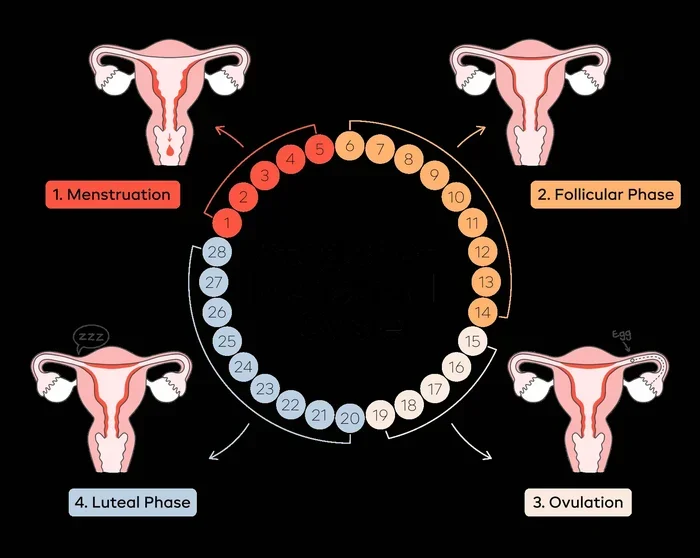
The luteal phase meaning is simple: it is the second half of your menstrual cycle that starts after ovulation and ends just before your period. During this phase, your body produces progesterone to prepare the uterus for a possible pregnancy. Knowing your luteal phase helps you understand fertility, PMS, and overall menstrual health.
Have you ever wondered what happens inside your body after you ovulate? The answer lies in a phase called the luteal phase. If you have been trying to understand your menstrual cycle better, the luteal phase meaning is one of the most important pieces of the puzzle. It affects everything from your mood to your fertility. In this article, we will break down what the luteal phase is, why it matters, and how you can track it with ease.
The luteal phase is the second half of your menstrual cycle. It begins right after ovulation and ends the day before your period starts. During this time, your body goes through significant hormonal changes to prepare for a possible pregnancy. Understanding luteal phase meaning gives you valuable insight into your reproductive health and helps you make informed decisions about your body.
Key Takeaways
- The luteal phase is the post-ovulation period of your menstrual cycle when your body prepares for a potential pregnancy.
- A normal luteal phase lasts 12 to 16 days, and anything outside that range may signal a hormonal imbalance.
- Progesterone is the dominant hormone during this phase and drives many of the physical and emotional symptoms you experience.
- Tracking luteal phase symptoms can help you understand your fertility window and plan or prevent pregnancy naturally.
- A short luteal phase can affect implantation and may require medical attention if you are trying to conceive.
- PMS and premenstrual symptoms are closely tied to hormonal shifts during the luteal phase.
- Simple tracking methods like basal body temperature and ovulation predictor kits can help you monitor your luteal phase effectively.
📑 Table of Contents
- What Is the Luteal Phase?
- How Long Should the Luteal Phase Last?
- Hormonal Changes During the Luteal Phase
- Common Luteal Phase Symptoms
- The Luteal Phase and Fertility
- When the Luteal Phase Is Too Short or Too Long
- How to Support a Healthy Luteal Phase
- Frequently Asked Questions About the Luteal Phase
- Final Thoughts on Luteal Phase Meaning
What Is the Luteal Phase?
The luteal phase meaning is straightforward once you understand the basics of your menstrual cycle. Your cycle has two main halves. The first half is called the follicular phase. The second half is the luteal phase. After your ovary releases an egg during ovulation, the leftover follicle transforms into something called the corpus luteum. This tiny structure plays a huge role in your cycle.
The Role of the Corpus Luteum
The corpus luteum is the star of the luteal phase. After ovulation, it begins producing progesterone, a hormone that thickens the lining of your uterus. This lining becomes a cozy home for a fertilized egg to implant and grow. If pregnancy does not happen, the corpus luteum breaks down. Progesterone levels drop, and your menstrual period begins.
Here is a simple way to think about it. Ovulation is like sending out a dinner invitation. The corpus luteum prepares the table with a nice lining. If a guest (a fertilized egg) arrives, great. If not, the table is cleared, and your period starts the cleanup.
Why Understanding Luteal Phase Meaning Matters
Knowing the luteal phase meaning helps you understand why you feel the way you do before your period. It also helps you figure out your fertility window. Many women track their cycles to either conceive or avoid pregnancy naturally. Either way, understanding this phase gives you more control over your menstrual health.
- It helps you identify ovulation and your most fertile days.
- It explains premenstrual symptoms like mood swings and bloating.
- It reveals hormonal imbalances that may affect your cycle.
- It supports fertility tracking if you are trying to conceive.
How Long Should the Luteal Phase Last?
The length of the luteal phase can vary from woman to woman. However, there is a general range that most health experts consider normal. The luteal phase meaning also includes understanding its typical duration.
Normal Luteal Phase Length
A normal luteal phase lasts between 12 and 16 days. The average is about 14 days. This length is fairly consistent for most women, even if the first half of their cycle varies. For example, your follicular phase might be 21 days one month and 28 days the next. But your luteal phase usually stays around the same number of days.
| Luteal Phase Length | What It Means |
|---|---|
| 10-12 days | Shorter than average; may affect fertility |
| 12-16 days | Normal range; healthy cycle |
| 16+ days | Could indicate early pregnancy or hormonal variation |
What Affects Cycle Length?
Several factors can influence how long your luteal phase lasts. Stress is a big one. When your body is under pressure, it produces cortisol, which can interfere with hormone levels. Illness, significant weight changes, and intense exercise can also shift your cycle. Certain medical conditions like polycystic ovary syndrome or thyroid disorders may affect the length too.
Quick Tip: If you notice your luteal phase consistently falling outside the 12 to 16 day range, it is a good idea to talk to a healthcare provider. They can run tests to check your progesterone levels and rule out any underlying issues.
Hormonal Changes During the Luteal Phase
The luteal phase meaning is deeply tied to the hormonal shifts your body goes through. Two key hormones dominate this phase: progesterone and estrogen. Understanding how they work helps you make sense of your symptoms and cycle patterns.
Progesterone Rise
After ovulation, the corpus luteum ramps up progesterone production. This hormone is essential for maintaining the uterine lining. It also has a calming effect on the brain, which is why some women feel more relaxed right after ovulation. However, as progesterone peaks and then drops toward the end of the phase, it can trigger premenstrual syndrome symptoms.
Low progesterone is a common concern. If your body does not produce enough progesterone during the luteal phase, the uterine lining may not be thick enough to support implantation. This is sometimes called a luteal phase defect and can make it harder to get pregnant.
Estrogen Fluctuations
While progesterone takes center stage, estrogen also plays a role. After ovulation, estrogen levels dip slightly. Then, just before your period, estrogen may rise again briefly. This secondary rise can cause some of the hormone fluctuations you experience, such as breast tenderness or headaches.
- Progesterone prepares the uterus for pregnancy.
- Estrogen supports the uterine lining and influences mood.
- Luteinizing hormone triggers ovulation before the luteal phase begins.
- Follicle-stimulating hormone helps follicles mature during the first half of the cycle.
Common Luteal Phase Symptoms
Every woman experiences the luteal phase a little differently. Some barely notice any changes, while others deal with significant symptoms. Understanding these signs helps you connect the dots between your menstrual health and how you feel each month.
Physical Signs
The physical symptoms of the luteal phase can be quite noticeable. Bloating is one of the most common complaints. Many women also experience breast tenderness or swelling. Cramping, headaches, and fatigue are frequent too. Some women notice changes in their appetite and may crave certain foods, especially sweets and carbohydrates.
Quick Tip: Keeping a symptom diary can help you spot patterns. Note what you feel each day and compare it to your cycle. Over time, you will start to see how your body behaves during the luteal phase every month.
Emotional and Mental Changes
The hormone fluctuations during the luteal phase do not just affect your body. They also impact your mood and mental clarity. Irritability, anxiety, and mood swings are very common. Some women feel more emotional or tearful in the days before their period. Difficulty concentrating and low energy are also frequent complaints.
These symptoms fall under the umbrella of premenstrual syndrome, or PMS. In more severe cases, a condition called premenstrual dysphoric disorder, or PMDD, can significantly affect daily life. If your symptoms feel overwhelming, please reach out to a healthcare professional. You do not have to suffer in silence.
The Luteal Phase and Fertility
For women trying to conceive, understanding the luteal phase meaning is especially important. The luteal phase is when your body is most prepared for pregnancy. Without a healthy luteal phase, conception can be more difficult.
The Fertile Window Connection
Your fertile window includes the day of ovulation and the five days before it. Once the egg is released, it survives for about 12 to 24 hours. Sperm can live inside the female reproductive tract for up to five days. This means the best chance of conception happens in the days leading up to and including ovulation.
After ovulation, the luteal phase begins. The egg travels down the fallopian tube. If sperm are present, fertilization can occur. The fertilized egg then needs to implant into the thickened uterine lining. This is where a healthy luteal phase with adequate progesterone becomes critical.
Tracking Methods for Fertility Awareness
There are several ways to track your fertility awareness and monitor your luteal phase. Each method gives you useful information about when you ovulate and how your body responds.
- Basal body temperature tracking: Your resting body temperature rises slightly after ovulation due to increased progesterone. Taking your temperature every morning before getting out of bed can help you confirm that ovulation has occurred.
- Ovulation predictor kits: These test strips detect a surge in luteinizing hormone, which triggers ovulation. They are easy to use and widely available.
- Cervical mucus monitoring: Fertile cervical mucus looks like raw egg white. Noticing this change helps you identify your most fertile days.
- Cycle tracking apps: Many apps let you log symptoms, temperatures, and cycle data. They can help you spot patterns over time.
Common Mistakes: Do not rely on just one tracking method. Using a combination of methods gives you a more accurate picture of your luteal phase and overall fertility health.
When the Luteal Phase Is Too Short or Too Long
While most women have a luteal phase within the normal range, some experience a luteal phase that is too short or too long. Both situations can signal underlying issues that are worth investigating.
Short Luteal Phase Problems
A luteal phase shorter than 10 days is considered short. This condition is known as a luteal phase defect. When the luteal phase is too short, progesterone levels may not stay elevated long enough to support a potential pregnancy. The uterine lining may shed before a fertilized egg has a chance to implant.
Several factors can cause a short luteal phase. Stress, excessive exercise, low body weight, and thyroid disorders are common culprits. Fertility tracking can help you identify a short luteal phase early, giving you time to address it with your doctor.
Long Luteal Phase Concerns
A luteal phase longer than 16 days is less common. In many cases, a long luteal phase is a sign of early pregnancy. If your period does not arrive and your luteal phase seems extended, it is worth taking a pregnancy test. Other causes can include hormonal imbalances or certain medications that affect progesterone levels.
How to Support a Healthy Luteal Phase
You can take simple steps to support your luteal phase and promote hormonal balance. These lifestyle changes can make a real difference in how you feel and how your cycle functions.
Nutrition Tips
Your diet plays a role in hormonal health. Eating foods rich in vitamin B6 can help support progesterone production. Good sources include chicken, fish, potatoes, and bananas. Healthy fats like avocados, nuts, and olive oil also support hormone synthesis. Zinc-rich foods such as pumpkin seeds and lentils are beneficial for reproductive health as well.
Stress Management
Chronic stress can wreak havoc on your cycle. Cortisol, the stress hormone, competes with progesterone for the same receptors. Finding ways to manage stress can help keep your luteal phase on track. Yoga, meditation, deep breathing exercises, and regular gentle movement are all effective strategies.
Sleep and Rest
Quality sleep is essential for hormonal balance. Aim for seven to nine hours of sleep each night. Poor sleep can disrupt the hormone fluctuations that govern your menstrual cycle. Create a calming bedtime routine and limit screen time before bed to improve your sleep quality.
Frequently Asked Questions About the Luteal Phase
Many women have questions about the luteal phase and how it affects their bodies. Here are answers to some of the most common ones.
Can you get pregnant during the luteal phase?
It is unlikely but not impossible. The egg survives for only 12 to 24 hours after ovulation. However, sperm can live inside the reproductive tract for up to five days. If you have sex in the days just before ovulation, sperm may still be present when the egg is released. So while the chances are low during the luteal phase itself, it is not zero.
What is a luteal phase defect?
A luteal phase defect means your luteal phase is shorter than 10 days or your progesterone levels are too low to properly support the uterine lining. This can make it harder for a fertilized egg to implant. If you suspect a luteal phase defect, your doctor can test your progesterone levels and recommend treatment options.
How can I track my luteal phase at home?
The easiest way is to use a combination of basal body temperature tracking and ovulation predictor kits. Your temperature will rise slightly after ovulation and stay elevated through the luteal phase. Tracking this shift over several months helps you identify the start and length of your luteal phase.
Does the luteal phase cause weight gain?
Many women notice temporary weight gain during the luteal phase. This is usually due to water retention and bloating caused by hormonal shifts. It is not true fat gain. The weight typically goes away once your period starts and your hormone levels drop back down.
Can stress shorten the luteal phase?
Yes, chronic stress can shorten your luteal phase. High cortisol levels can interfere with the hormonal changes needed for a healthy luteal phase. Managing stress through relaxation techniques, exercise, and good sleep habits can help keep your cycle more regular.
What is the difference between the follicular phase and the luteal phase?
The follicular phase is the first half of your cycle. It starts on day one of your period and ends with ovulation. The luteal phase is the second half, starting after ovulation and ending the day before your next period. The follicular phase can vary in length, but the luteal phase usually stays consistent at 12 to 16 days.
Final Thoughts on Luteal Phase Meaning
Understanding the luteal phase meaning is one of the most empowering things you can do for your health. This phase of your menstrual cycle plays a vital role in fertility, mood, and overall well-being. Whether you are trying to conceive or simply want to understand your body better, knowing what happens during the luteal phase gives you valuable insight.
Your luteal phase is more than just a number on a calendar. It is a window into your hormonal health and reproductive wellness. By tracking your symptoms, monitoring your cycle, and paying attention to what your body tells you, you can take charge of your menstrual health with confidence.
Start small. Pick one tracking method and give it a try for a few months. You might be surprised by what you learn. And if anything feels off, do not hesitate to reach out to a healthcare provider. Your cycle is a vital sign, and understanding the luteal phase is a big step toward taking care of yourself.