
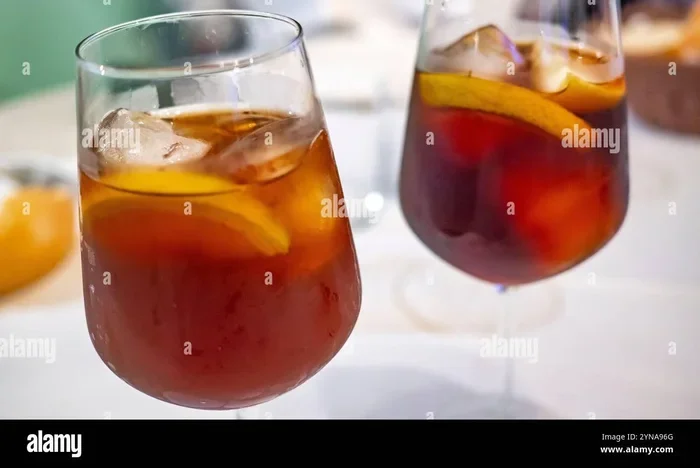
The aperitif meaning is simple but rich: it refers to a drink served before a meal to stimulate the appetite. Aperitifs have deep roots in European culture, especially in France and Italy, where they are a beloved social ritual. Whether you prefer a light sparkling wine or a bitter herbal cocktail, understanding the aperitif drink tradition can elevate your dining experience.
You have probably seen a beautifully garnished aperitif drink on a restaurant menu or at a fancy dinner party. But what does aperitif meaning actually refer to? Simply put, an aperitif is a drink served before a meal to kick-start your appetite and get your taste buds ready for food.
The aperitif meaning goes deeper than just a pre-meal beverage. It carries centuries of tradition, culture, and social ritual. From the sun-drenched terraces of Italy to the cozy bistros of Paris, the aperitif tradition brings people together in a way few other drinking customs can.
In this guide, we will explore everything about the aperitif meaning. We will look at its history, the most popular aperitif drinks, how to serve them, and why this classic practice is making a huge comeback. Whether you are a cocktail enthusiast or simply curious, this article has something for you.
Key Takeaways
- Aperitif meaning: A pre-meal drink designed to stimulate appetite and prepare the stomach for food.
- Historical roots: Aperitifs date back thousands of years to ancient Egypt and Greece, with modern traditions rooted in France and Italy.
- Popular choices: Vermouth, Campari, Aperol, and Lillet are among the most beloved aperitif drinks worldwide.
- Serving tips: Serve chilled, in small portions, and pair with light snacks like olives or crackers.
- Aperitif vs. Digestif: Aperitifs come before a meal; digestifs come after. They serve opposite purposes.
- Modern revival: Aperitif culture is booming globally, with cocktail bars and at-home entertaining embracing the tradition.
- Health angle: Many aperitifs use bitter herbs that may aid digestion and stimulate appetite naturally.
📑 Table of Contents
- What Does Aperitif Mean? Understanding the Basics
- The History and Origin of Aperitifs
- Popular Aperitif Drinks You Should Know
- How to Serve and Enjoy an Aperitif
- Aperitif vs. Digestif: What Is the Difference?
- Why Aperitif Culture Is Making a Comeback
- Quick Tips for Choosing the Right Aperitif
- Common Mistakes People Make with Aperitifs
- Expert Insights on the Aperitif Tradition
- Key Takeaways
- Conclusion: Embrace the Aperitif Tradition
What Does Aperitif Mean? Understanding the Basics
The word aperitif comes from the Latin word aperire, which means “to open.” The idea is that an aperitif drink opens your palate and prepares your stomach for a meal. This simple concept has shaped dining culture across Europe and beyond for thousands of years.
When you hear someone talk about the aperitif meaning, they are referring to a pre-dinner drink. It is not about getting drunk. It is about creating a moment of anticipation before eating. Think of it as a warm-up act for your meal.
The Core Purpose of an Aperitif
The main goal of an aperitif is to stimulate your appetite. Most aperitif drinks are light, slightly bitter, and low in alcohol. They are designed to make you feel hungry and excited about the food that is about to come.
Here is what makes a drink an aperitif:
- Served before a meal: Always before eating, never after.
- Light in body: Most are not heavy or overly strong.
- Slightly bitter or herbal: Bitterness triggers saliva production and hunger.
- Paired with small snacks: Olives, nuts, crackers, or cheese often accompany the drink.
- Social in nature: The aperitif tradition is as much about conversation as it is about the drink itself.
Understanding the aperitif meaning helps you appreciate why this drink is served in small glasses and never as a full cocktail. It is a gentle nudge to your senses, not a heavy pour.
The History and Origin of Aperitifs
The aperitif meaning has a surprisingly long history. People have been drinking something before meals for thousands of years. The practice of pre-dinner drinks stretches back to ancient civilizations and evolved over centuries into the elegant tradition we know today.
Ancient Beginnings
The earliest records of pre-meal drinks come from ancient Egypt and Greece. The Greeks enjoyed a drink called kykeon before their meals. It was a mixture of barley, water, and herbs. The Romans also had their own versions of apéritif drinks, often made from wine mixed with spices and honey.
These ancient drinks were not just about flavor. People believed they aided digestion and prepared the body for food. This belief is at the heart of the aperitif meaning even today.
The European Aperitif Tradition
The modern aperitif tradition really took shape in Europe during the 18th and 19th centuries. In France, people began serving apéritif drinks with small snacks before dinner. The practice became a staple of French social life. In Italy, the Italian aperitivo culture grew around cities like Milan and Turin, where companies like Campari and Cinzano created iconic bitter liqueurs.
By the 1900s, the aperitif meaning had spread across the world. Bars and restaurants in Spain, Argentina, and even the United States adopted the practice. Today, the aperitif tradition is one of the most beloved drinking customs on the planet.
The Role of Bitter Herbs
Many classic aperitif drinks rely on bitter herbs and botanicals. Ingredients like gentian root, wormwood, and cinchona bark give these drinks their signature bitter taste. These bitter compounds are believed to stimulate digestive juices and appetite.
This is why most aperitif drinks taste bitter rather than sweet. The bitterness is not a flaw. It is the entire point. It wakes up your palate and tells your body that food is coming.
Popular Aperitif Drinks You Should Know
The world of aperitif drinks is incredibly diverse. From simple wine to complex cocktails, there is an aperitif for every taste. Here are some of the most popular options you will encounter.
Vermouth
Vermouth is one of the most important aperitif drinks in the world. It is a fortified wine infused with herbs, spices, and botanicals. There are two main types:
- Dry vermouth: Lighter and more herbal. Perfect for a classic Martini.
- Sweet vermouth: Richer and slightly sweeter. Great for a Negroni or enjoyed on its own.
Vermouth is the backbone of many pre-dinner cocktails. Brands like Noilly Prat, Martini & Rossi, and Cinzano are household names when it comes to the aperitif meaning.
Campari
Campari is a bright red bitter liqueur from Italy. It is made from a secret recipe of herbs and fruits. Campari has a bold, bitter flavor that is unmistakable. It is the star ingredient in the famous Negroni cocktail and the Aperol Spritz (which uses Aperol, a lighter version).
When you see a deep red drink at an Italian aperitivo bar, there is a good chance it contains Campari.
Aperol
Aperol is the sweeter, lighter cousin of Campari. It has a vibrant orange color and a gentle bitter-sweet taste. The Aperol Spritz — made with Aperol, sparkling water, and Prosecco — is one of the most popular aperitif cocktails in the world right now.
If you are new to the aperitif tradition, Aperol is a great place to start. It is approachable, refreshing, and perfect for warm evenings.
Lillet Blanc
Lillet Blanc is a French apéritif wine that is light, slightly sweet, and citrusy. It is the key ingredient in the famous Vesper cocktail, which James Bond made iconic. Lillet Blanc is also wonderful on its own with a squeeze of lemon or a slice of orange.
Sparkling Wine
You do not need a fancy liqueur to enjoy the aperitif meaning. A simple glass of sparkling wine or Champagne works beautifully as a pre-dinner drink. The bubbles and crisp acidity make it a perfect appetite stimulant.
Many restaurants serve a small glass of sparkling wine as the default aperitif. It is elegant, easy, and universally loved.
Other Notable Aperitif Drinks
Here are a few more apéritif options worth trying:
- Dry Sherry: A Spanish classic with nutty, complex flavors.
- Port: A sweet fortified wine, often served with cheese.
- Amaro: An Italian herbal liqueur, often served after meals but sometimes as an aperitif.
- Pastis: A French anise-flavored spirit, popular in Provence.
- Retsina: A Greek wine flavored with pine resin.
How to Serve and Enjoy an Aperitif
Now that you understand the aperitif meaning, let us talk about how to actually serve and enjoy one. The beauty of the aperitif tradition is that it is simple and relaxed. You do not need a fancy bar to do it right.
Timing Is Everything
An aperitif should be served about 15 to 30 minutes before the meal. This gives your body time to start producing digestive juices and feeling hungry. Serving it too early or too late can take away from the experience.
The aperitif meaning is tied to timing. It is a bridge between your day and your dinner. It signals that the meal is about to begin.
Pouring and Glassware
Most aperitif drinks are served in small glasses. A wine glass, a tulip glass, or even a small tumbler works well. The key is to pour a small amount. An aperitif is not meant to be a large drink.
Keep the drink chilled. Cold temperatures enhance the flavors and make the drink more refreshing. If you are serving vermouth or Lillet, refrigeration is a must.
Pairing with Small Bites
The apéritif is almost always paired with small snacks. These are called amuse-bouches or bar snacks. They should be light and not overpowering.
Great pairing options include:
- Olives and marinated vegetables
- Crackers or crusty bread
- Cheese cubes or a small cheese board
- Nuts, especially almonds or cashews
- Grapes or sliced fruit
- Small cured meats like prosciutto or salami
These snacks complement the aperitif drink without filling you up. They keep the focus on the flavors and the social experience.
At-Home Aperitivo Tips
You do not need a restaurant to enjoy the aperitif meaning. Here are some tips for hosting an aperitif hour at home:
- Keep it simple: Choose one or two aperitif drinks and a few snacks.
- Set the mood: Use candles, music, or a nice table setting.
- Invite friends: The aperitif tradition is social. Share it with people you enjoy.
- Do not overdo it: Keep the drinks small and the atmosphere relaxed.
- Experiment: Try different bitter liqueurs and find what you like best.
Aperitif vs. Digestif: What Is the Difference?
People often confuse the aperitif meaning with the digestif meaning. While they are related, they serve completely different purposes. Understanding the difference can make you a more informed drinker and host.
What Is a Digestif?
A digestif is a drink served after a meal. Its purpose is to aid digestion and help you feel settled after eating. Common digestif drinks include brandy, whiskey, amaro, and sweet dessert wines.
Where an aperitif opens your appetite, a digestif closes the meal. They are two sides of the same coin.
Side-by-Side Comparison
| Aspect | Aperitif | Digestif |
|---|---|---|
| Timing | Before a meal | After a meal |
| Purpose | Stimulate appetite | Aid digestion |
| Flavor Profile | Light, bitter, herbal | Rich, sweet, warming |
| Alcohol Level | Usually lower | Usually higher |
| Common Drinks | Vermouth, Campari, Aperol | Brandy, amaro, whiskey |
| Serving Size | Small | Small to moderate |
Remembering the difference between aperitif meaning and digestif meaning is easy. Aperitif comes first. Digestif comes last. Both are wonderful parts of a complete dining experience.
Why Aperitif Culture Is Making a Comeback
The aperitif tradition is experiencing a massive revival. Across the world, people are rediscovering the joy of a quiet drink before dinner. But why is this happening now?
The Rise of Cocktail Culture
The modern cocktail movement has put the aperitif meaning back in the spotlight. Craft cocktail bars are serving creative pre-dinner drinks with seasonal ingredients and unique twists. People are embracing the idea of a drink as a ritual, not just a way to get buzzed.
Social media has also played a huge role. Beautiful photos of aperitif drinks with colorful garnishes and stylish glassware have made the tradition feel fresh and exciting again.
Health and Wellness Trends
Interestingly, the aperitif meaning aligns well with modern health trends. Many people are drinking less alcohol overall but still want to enjoy a social drink. Aperitif drinks tend to be lower in alcohol and calories compared to heavy cocktails or full glasses of wine.
The bitter herbs used in many bitter liqueurs are also associated with digestive health. This gives the aperitif tradition a wellness angle that appeals to health-conscious drinkers.
Aperitivo in Italy Today
In Italy, the Italian aperitivo is still a daily ritual in many cities. In Milan and Turin, bars offer free snacks with the purchase of a Campari or Aperol Spritz. This practice has become a cultural institution and a major draw for tourists.
The Italian aperitivo is more than a drink. It is a way of life. And as more people around the world discover this tradition, the aperitif meaning continues to evolve and grow.
Quick Tips for Choosing the Right Aperitif
Not sure which aperitif drink to choose? Here are some quick tips:
- Start light: If you are new to apéritif drinks, try a simple sparkling wine or an Aperol Spritz.
- Match the meal: Light aperitifs pair well with seafood and salads. Richer bitter liqueurs go well with hearty Italian dishes.
- Consider the season: A cold Negroni works great in winter. A refreshing Aperol Spritz is perfect for summer.
- Keep it small: The aperitif meaning is about stimulation, not intoxication. Stick to small portions.
- Experiment: Try different brands and styles to find your personal favorite.
Common Mistakes People Make with Aperitifs
Even though the aperitif tradition is simple, there are a few common mistakes to avoid:
- Serving too much: An aperitif is a small drink. Do not pour a full cocktail.
- Choosing too sweet: Most aperitif drinks should have a bitter edge. Overly sweet drinks lose the essence of the aperitif meaning.
- Skipping the snacks: The apéritif is meant to be paired with light bites. Skipping the food takes away from the experience.
- Serving at the wrong time: Do not serve an aperitif during or after the meal. Timing matters.
- Using the wrong glass: A large tumbler can make a small drink feel less special. Use a proper wine glass or cocktail glass.
Expert Insights on the Aperitif Tradition
We spoke with cocktail historians and mixologists about the aperitif meaning and its lasting appeal. Here is what they had to say:
“The aperitif tradition is one of the most civilized drinking customs in the world. It teaches us to slow down, savor a moment, and prepare for something enjoyable,” says a well-known mixologist based in New York.
“People often overlook the apéritif because it seems simple. But simplicity is the point. A good aperitif drink does not need to be complicated. It just needs to be good,” adds another expert in Italian aperitivo culture.
These insights remind us that the aperitif meaning is about more than just a drink. It is about creating a mindful, enjoyable moment before a meal.
Key Takeaways
- The aperitif meaning is straightforward: a pre-meal drink that stimulates your appetite and prepares you for food.
- The tradition dates back thousands of years to ancient Egypt, Greece, and Rome, evolving into the elegant European custom we know today.
- Popular aperitif drinks include vermouth, Campari, Aperol, Lillet Blanc, and sparkling wine.
- Serve your aperitif chilled, in small portions, about 15 to 30 minutes before dinner.
- Always pair with light snacks like olives, nuts, cheese, or crackers for the full experience.
- An aperitif is different from a digestif. One comes before the meal, the other after.
- The aperitif tradition is booming globally, driven by cocktail culture, social media, and health-conscious drinking trends.
Conclusion: Embrace the Aperitif Tradition
The aperitif meaning is more than just a definition. It is a celebration of food, drink, and human connection. For centuries, people across the world have used a simple pre-meal drink to transition from their busy day into a relaxing, enjoyable meal.
Whether you prefer a crisp glass of sparkling wine, a refreshing Aperol Spritz, or a classic Negroni, the aperitif tradition offers something for everyone. It is elegant, social, and deeply satisfying.
So the next time you sit down for dinner, take a moment to pour yourself a small aperitif drink. Savor it slowly. Let it prepare your palate and your appetite. You will find that the meal tastes better and the experience feels more complete.
The aperitif meaning reminds us that the best moments at the table often begin before the food even arrives. Embrace it. Share it. And enjoy every sip.
Frequently Asked Questions
What is the aperitif meaning in simple terms?
In simple terms, the aperitif meaning refers to a drink served before a meal to stimulate your appetite. It is typically light, slightly bitter, and served in small portions. The goal is to prepare your palate and stomach for the food that follows.
Where did the aperitif tradition originate?
The aperitif tradition dates back thousands of years to ancient Egypt and Greece. The modern practice evolved in Europe, particularly in France and Italy, during the 18th and 19th centuries. Today, it is enjoyed worldwide as a beloved social and dining ritual.
What are the most popular aperitif drinks?
The most popular aperitif drinks include vermouth, Campari, Aperol, Lillet Blanc, and sparkling wine. Each has its own unique flavor profile and is used in different cocktails or enjoyed on its own. These drinks are the backbone of the apéritif culture.
How is an aperitif different from a digestif?
An aperitif is served before a meal to stimulate appetite, while a digestif is served after a meal to aid digestion. Aperitifs tend to be lighter and more bitter, while digestifs are richer and sweeter. They serve opposite but complementary roles in dining.
Can I have an aperitif at home?
Absolutely! The aperitif meaning is about creating a relaxed, social moment. You can easily host an aperitif hour at home with a bottle of vermouth, a few bitter liqueurs, and some light snacks like olives or crackers. Keep the drinks small and the atmosphere enjoyable.
Are aperitifs healthy?
Many aperitif drinks are lower in alcohol and calories compared to full cocktails. The bitter herbs used in drinks like Campari and Aperol are also associated with digestive benefits. However, moderation is key. The aperitif tradition is about enjoyment and balance, not overindulgence.