Habibti meaning is “my beloved” or “my dear” in Arabic — a warm, affectionate term used across the Middle East and beyond. This article explains the habibti meaning in English, its cultural roots, and how people use it in real life. You will learn about its origins, how to say it correctly, and why it holds such deep emotional value in Arabic-speaking cultures.
Have you ever heard someone say “habibti” and wondered what it really means? You are not alone. This beautiful Arabic word pops up in songs, movies, and everyday conversations around the world. But habibti meaning goes far deeper than a simple translation. It carries centuries of culture, warmth, and emotional connection.
In this guide, we will explore the habibti meaning in English, where the word comes from, how people actually use it, and why it matters so much in Arabic-speaking cultures. Whether you heard it in a song or someone said it to you, you will walk away with a full understanding of this lovely term.
The word habibti is more than just a word. It is a feeling. It is a way of saying “you matter to me” without making a big deal out of it. Let us dive in and uncover everything there is to know about this beautiful expression.
Key Takeaways
- Habibti means “my beloved” or “my dear” in Arabic: It is one of the most common and heartfelt terms of endearment in the Arabic language.
- The word comes from the Arabic root “habib”: Understanding its linguistic roots helps you appreciate its depth and warmth.
- Habibti is used in romantic and friendly contexts: It is not limited to romantic relationships; people use it with close friends and family too.
- Cultural significance runs deep: Using habibti reflects warmth, respect, and emotional connection in Arabic-speaking cultures.
- Pronunciation matters: Learning how to say habibti correctly helps you use it naturally and respectfully.
- Habibti appears in music, films, and daily conversation: It has become a global symbol of love and affection through pop culture.
- Using habibti respectfully is important: Context and tone determine whether the term feels appropriate in any given situation.
📑 Table of Contents
What Does Habibti Mean?
The habibti meaning in English is “my beloved,” “my dear,” or “my darling.” It is a term of endearment that people use to express affection. The word is feminine in form, which means it is typically directed at a woman. However, in modern casual speech, some people use it loosely regardless of gender.
Here is a quick breakdown of the habibti translation:
- Habibti — my beloved (feminine)
- Habibi — my beloved (masculine)
- Habib — beloved (root word)
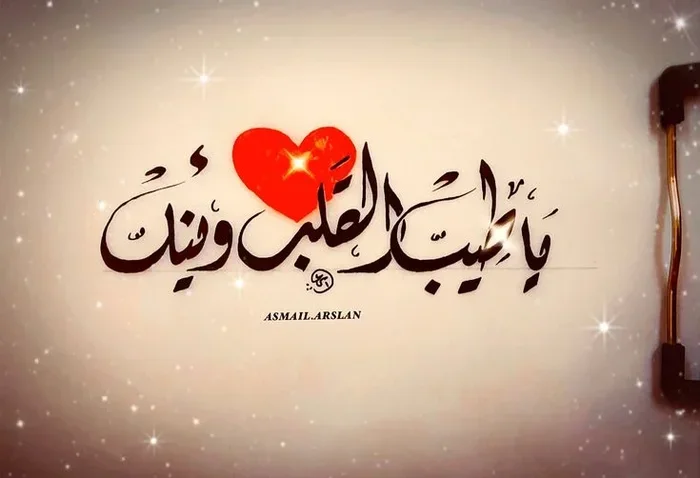
- Habibti meaning in Arabic — حبيبتي
The root word “habib” comes from the Arabic root “h-b-b,” which relates to love, affection, and desire. When you add the suffix “ti,” it turns into a possessive form, meaning “my beloved.” This is why the habibti meaning is so personal and intimate.
People often confuse habibti with other similar terms. While “habibi” is the masculine version, “habibti” is specifically feminine. Both are widely used, but they carry the same core meaning of deep affection and love.
Is Habibti Only Romantic?
A common question is whether habibti meaning is always romantic. The short answer is no. While it is often used between romantic partners, it is also common among close friends and even family members. In many Arabic cultures, using warm terms of endearment with friends is completely normal and natural.
For example, a woman might call her best friend “habibti” during a casual conversation. A mother might use it with her daughter. The key is the level of closeness and affection in the relationship. The word simply means “you are dear to me.”
The Origin and History of Habibti
To truly understand the habibti meaning, it helps to look at where the word comes from. Arabic is one of the oldest living languages in the world, and many of its words carry deep historical roots. The root “h-b-b” has been part of the Arabic language for thousands of years.
The word “habib” appears in the Quran and classical Arabic texts. It has always been associated with love, kindness, and cherished bonds. Over time, the word evolved into different forms, including “habibti” and “habibi,” which became everyday expressions of affection.
How the Word Spread Across Cultures
As Arabic culture spread through trade, migration, and art, so did words like habibti. Today, the term is recognized across the Middle East, North Africa, and even in diaspora communities around the world. It has also entered the vocabulary of non-Arabic speakers who enjoy Arabic music, films, and media.
The habibti meaning has stayed consistent over centuries. It still means “my beloved” and still carries the same warmth and sincerity. This is a testament to the lasting power of the word and the emotions it represents.
In many Arabic-speaking countries, terms of endearment like habibti are woven into the fabric of daily life. They are not reserved for special occasions. Instead, they are used in ordinary moments — a quick hello, a farewell, or a simple expression of care.
How Habibti Is Used in Daily Life
Now that you know the habibti meaning, let us look at how people actually use it in real life. The word is incredibly versatile and appears in many different situations.
Here are some common ways people use habibti in everyday conversation:
- Greeting a close friend: “Habibti, how are you today?”
- Expressing gratitude: “Thank you, habibti, for helping me.”
- Offering comfort: “Do not worry, habibti. Everything will be fine.”
- Saying goodbye: “See you later, habibti.”
- Showing appreciation: “You are the best, habibti.”
As you can see, habibti is not limited to romantic settings. It is a friendly, warm word that people use to make others feel valued and loved. In Arabic culture, using such terms shows emotional intelligence and social warmth.
Habibti in Different Arabic Dialects
One interesting thing about habibti is that it sounds slightly different depending on the dialect. While the spelling stays the same, the pronunciation can vary. For example:
- Egyptian Arabic: Often pronounced with a softer “t” sound.
- Levantine Arabic: May sound slightly more drawn out.
- Gulf Arabic: Sometimes shortened to “habibti” with a distinct regional accent.
- Moroccan Arabic: Used similarly but may be paired with other local terms of endearment.
Despite these differences, the habibti meaning remains the same across all dialects. People from different regions all understand and appreciate the warmth behind this word.
Habibti in Music, Movies, and Pop Culture
If you have ever listened to Arabic pop music or watched a Middle Eastern film, you have probably heard “habibti” many times. The word has become a staple in Arabic entertainment and has even crossed over into global culture.
Habibti appears in countless Arabic songs, often as a romantic expression between lovers. Famous singers from Egypt, Lebanon, and the Gulf have used the word in hit songs that resonate with audiences worldwide. The habibti meaning in these songs is almost always romantic, expressing deep love and longing.
Habibti in Modern Media
In recent years, Arabic dramas and films have gained international popularity. As a result, more people around the world are hearing words like habibti and becoming curious about their meaning. Social media has also played a big role in spreading the word.
Many people use “habibti” as a caption or comment on Instagram, TikTok, and other platforms. It has become a trendy way to express affection online. The habibti meaning in these digital spaces is often light and playful, though it can still carry deep emotion.
Some popular Arabic songs that feature the word include tracks by artists like Amr Diab, Nancy Ajram, and Mohamed Ramadan. These songs have helped introduce the habibti meaning to audiences who may not speak Arabic as their first language.
Habibti vs Other Arabic Terms of Endearment
Arabic has many beautiful terms of endearment. Understanding how habibti compares to other words helps you appreciate its unique place in the language.
Common Arabic Terms of Endearment
Here are some other popular Arabic words and phrases of affection, along with how they compare to habibti:
- Habibi (حبيبي): The masculine version of habibti. Means “my beloved.” Used for men or in gender-neutral casual speech.
- Ya Amar (يا قمر): Means “oh moon.” A poetic and romantic term often used between couples.
- Ya Leil (يا ليل): Means “oh night.” Another poetic expression of love.
- Enta Habibi (أنت حبيبي): Means “you are my beloved.” A fuller, more expressive phrase.
- Ya Rohi (يا روحي): Means “my soul.” An extremely intimate and emotional term.
- Gharami (غرامي): Means “my love” or “my darling.” Often used in romantic contexts.
While all these terms express love and affection, habibti is one of the most commonly used and widely understood. Its simplicity and warmth make it a go-to expression for millions of people.
When to Use Habibti vs Other Terms
Choosing between habibti and other terms depends on the relationship and context. Here are some simple guidelines:
- Use habibti with close female friends, romantic partners, or family members.
- Use habibi with close male friends or in gender-neutral casual settings.
- Use ya amar or ya rohi for more poetic and romantic expressions.
- Use enta habibi when you want to make a fuller, more expressive statement.
The beauty of Arabic endearment terms is that they allow you to express different levels of love and affection. Habibti sits right in the sweet spot — warm, personal, and universally understood.
How to Use Habibti Correctly and Respectfully
Now that you fully understand the habibti meaning, you might want to use it yourself. That is wonderful! But it is important to use the word in the right way and in the right context.
Here are some practical tips for using habibti respectfully:
- Know your relationship: Use habibti with people you are close to. It may feel too intimate with acquaintances or strangers.
- Pay attention to tone: The word sounds most natural when said with warmth and sincerity. A cold or forced tone can change the meaning.
- Consider cultural context: In some more conservative settings, using terms of endearment outside of close relationships may not be appropriate.
- Learn the pronunciation: The word is pronounced “hah-bib-tee.” Getting it right shows respect for the language and culture.
- Use it naturally: Do not force the word into every conversation. Let it flow naturally when the moment feels right.
Common Mistakes People Make
Here are some common mistakes to avoid when using habibti:
- Using it too casually: Calling someone habibti when you barely know them can feel inappropriate or disrespectful.
- Confusing habibti and habibi: Remember that habibti is feminine and habibi is masculine. Using the wrong one can cause confusion.
- Overusing the word: Even the most beautiful word loses its charm when used too often. Use it sparingly for maximum impact.
- Ignoring cultural nuances: What feels normal in one culture may not be appropriate in another. Always be mindful of the setting.
By following these tips, you can use habibti in a way that feels natural, respectful, and meaningful. The word is meant to bring people closer together, and that is exactly what it does when used correctly.
The Emotional Power of Habibti
There is something special about the way habibti feels when someone says it to you. It is more than just a word. It is a gesture of love, care, and connection. When you say “habibti” to someone, you are telling them that they hold a special place in your heart.
Many people who grow up hearing habibti in their families carry the warmth of that word with them for the rest of their lives. It becomes associated with safety, love, and belonging. This is why the habibti meaning resonates so deeply with so many people, even those who do not speak Arabic fluently.
In a world that can sometimes feel cold and disconnected, words like habibti remind us of the simple power of saying “you are dear to me.” Whether you use it in Arabic or simply appreciate its beauty from afar, the habibti meaning is something everyone can connect with.
The next time you hear someone say “habibti,” you will know exactly what it means. You will understand the love, the warmth, and the cultural richness behind those two simple syllables. And if you ever feel moved to say it yourself, you will do so with confidence and respect.
Words have power. Habibti is proof of that. It has connected lovers, friends, and families for generations, and it continues to do so every single day. Embrace the habibti meaning and let it remind you of the beauty of expressing love and affection in its purest form.
Quick Tips for Remembering Habibti Meaning
- Think “my beloved” whenever you hear or say habibti.
- Remember it is feminine — use it for women or in casual settings.
- Link it to love and warmth — the word is all about affection.
- Practice the pronunciation — hah-bib-tee, three syllables, smooth and soft.
- Use it in context — the word shines brightest in genuine, heartfelt moments.
The habibti meaning is simple yet profound. It is a word that has traveled across borders, cultures, and generations. It is a word that makes people smile, feel loved, and remember what truly matters — human connection.
Conclusion
The habibti meaning is “my beloved” or “my dear” — a beautiful Arabic term of endearment that carries deep cultural and emotional significance. From its ancient linguistic roots to its modern use in music, media, and daily conversation, habibti has proven to be a timeless word that brings people together.
Whether you use it with a romantic partner, a close friend, or a family member, habibti is a word that communicates love, warmth, and sincerity. Understanding its meaning, origin, and proper usage helps you appreciate it even more.
We hope this guide has given you a clear and complete picture of the habibti meaning. Now you can use the word with confidence, understand it when you hear it, and share its beauty with others. Habibti is more than just a word — it is a feeling. And feelings like that are truly universal.
Frequently Asked Questions
What is the habibti meaning in English?
The habibti meaning in English is “my beloved,” “my dear,” or “my darling.” It is a feminine term of endearment used in Arabic to express love and affection. The masculine version is “habibi,” which means the same thing but is used for men.
Is habibti only used for romantic relationships?
No, habibti is not only used in romantic contexts. People also use it with close friends, family members, and even colleagues in warm, casual settings. The word simply means “you are dear to me” and can express any form of deep affection.
How do you pronounce habibti correctly?
Habibti is pronounced “hah-bib-tee.” It has three syllables, and each one is said clearly and smoothly. The “h” is soft, the “bib” sounds like “bib” in English, and the “tee” ends with a light “t” sound. Practice saying it slowly at first, and it will feel natural in no time.
Can non-Arabic speakers use habibti?
Yes, non-Arabic speakers can absolutely use habibti, especially when speaking with Arabic-speaking friends or partners. However, it is important to use the word respectfully and in the right context. Using it with close people who understand its meaning is always a lovely and thoughtful gesture.
What is the difference between habibti and habibi?
The main difference is gender. Habibti is the feminine form, meaning “my beloved” when addressing a woman. Habibi is the masculine form, used when addressing a man. Both words share the same root and carry the same core meaning of deep affection and love.
Where does the word habibti come from?
Habibti comes from the Arabic root word “habib,” which means “beloved” or “loved one.” The suffix “ti” is added to create the possessive form “my beloved.” The word has been part of the Arabic language for centuries and appears in classical texts, poetry, and modern conversation alike.