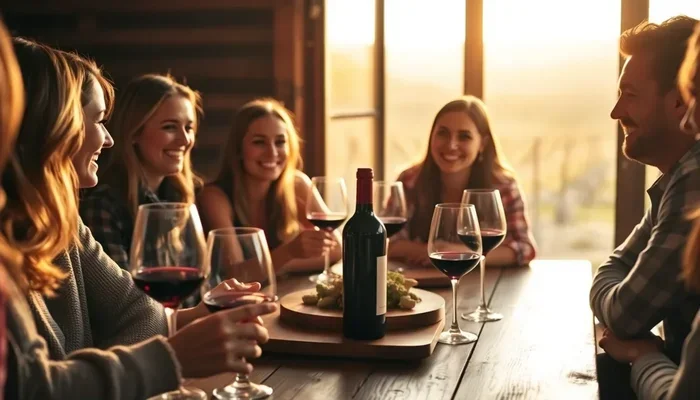
The BYOB meaning is “Bring Your Own Bottle” or “Bring Your Own Beverage.” People use this abbreviation when hosting events or dining at venues that don’t serve alcohol. It saves money, adds a personal touch, and makes gatherings more flexible for everyone.
You have probably seen the letters BYOB on an invitation, a restaurant sign, or a social media post. Maybe you wondered what it meant or felt too shy to ask. The BYOB meaning is simple, but the story behind it is surprisingly rich. Let us break it all down for you.
BYOB stands for “Bring Your Own Bottle” or “Bring Your Own Beverage.” In everyday language, it means you bring your own drinks to a party, dinner, or event. This practice has become a huge part of social culture, especially when hosting gatherings or dining out. Whether you love wine, craft beer, or sparkling water, BYOB gives you the freedom to choose what you enjoy.
In this guide, we will cover everything you need to know about the BYOB meaning, where it came from, how to use it properly, and why so many people love it. By the end, you will feel confident using the term and navigating any BYOB situation with ease.
Key Takeaways
- BYOB stands for “Bring Your Own Bottle” or “Bring Your Own Beverage.”
- The term originated in the mid-20th century and has grown into a popular social and dining trend.
- BYOB etiquette includes asking the host about preferences, not bringing cheap wine, and being respectful of the venue.
- Many restaurants welcome BYOB with minimal or no corkage fees, making dining more affordable.
- Planning a BYOB event is easy and budget-friendly when you set clear guidelines.
- BYOB culture has expanded globally beyond just alcohol to include non-alcoholic beverages too.
📑 Table of Contents
What Does BYOB Mean?
The Basic Definition
The BYOB definition is straightforward. It is an abbreviation that tells guests to bring their own drinks to an event. The word “bottle” in the phrase originally referred to alcohol bottles, but today it covers any beverage. You might bring a bottle of wine, a six-pack of beer, or even a pitcher of lemonade.
Here is why the BYOB meaning matters in everyday conversation:
- It sets expectations for what guests should bring to a party.
- It saves the host money on buying drinks for everyone.
- It gives guests freedom to bring their favorite drinks.
- It works for all types of gatherings, from casual backyard hangouts to fancy dinners.
When you see BYOB on an invitation, you know the host wants you to bring a drink. That is all there is to it. The simplicity of the BYOB abbreviation is part of why it has stuck around for so long.
Common Variations of BYOB
People use several variations of BYOB depending on the context. Here are some you might come across:
- BYOB – Bring Your Own Bottle (most common)
- BYOB – Bring Your Own Beverage (broader, includes non-alcoholic options)
- BYOB – Bring Your Own Booze (informal and casual)
- BYO – Bring Your Own (shorter version, sometimes used for food too)
All of these share the same core BYOB meaning. The variation you see just depends on the host’s style and the type of event.
The History and Origin of BYOB
Where Did BYOB Come From?
The BYOB origin goes back several decades. The phrase started appearing in American English around the 1950s and 1960s. At that time, many people could not afford to buy drinks for a large group. Bringing your own bottle was a practical and affordable way to enjoy a good time.
During the Prohibition era in the United States, people often had to bring their own alcohol to private gatherings because selling or serving it publicly was illegal. This culture of BYOB drinking carried forward even after Prohibition ended. Over time, it became a common social norm rather than just a necessity.
How BYOB Evolved Over the Years
By the 1980s and 1990s, BYOB parties became a popular trend among young adults. College students especially loved the idea because it kept costs low. Instead of spending a fortune at a bar, friends would gather at someone’s apartment and each bring a six-pack or a bottle of wine.
Today, the BYOB culture has expanded far beyond just alcohol. Many people host BYOB events where guests bring any beverage they like. Some people even use BYOB for non-alcoholic drinks like homemade iced tea or fresh juice. The term has become a flexible and inclusive way to describe self-serve drink options at any gathering.
Why Do People Use BYOB?
It Saves Money
One of the biggest reasons people love BYOB is that it saves money. When you host a BYOB party, you do not have to buy drinks for every guest. Each person brings their own, which spreads the cost out. This makes hosting much more affordable, especially for large groups.
The same applies to BYOB restaurants. Many dining spots charge a corkage fee, which is much cheaper than buying drinks directly from the restaurant. You get to enjoy your favorite wine or beer without paying a premium markup.
It Adds a Personal Touch
When you bring your own bottle, you get to choose something you love. Maybe it is a special wine from a trip you took, or a craft beer you discovered at a local shop. This personal touch makes BYOB events feel more meaningful and unique.
Guests also enjoy the freedom of sharing their own favorite drinks. It becomes a conversation starter and a way for people to connect over shared tastes. The BYOB meaning goes beyond just drinks. It is about creating a relaxed, personal atmosphere where everyone feels comfortable.
It Gives Hosts and Guests Flexibility
BYOB works well for both hosts and guests because of the flexibility it offers. Hosts do not need to worry about stocking a full bar. Guests do not need to drink something they do not like. Everyone wins.
Here are some situations where BYOB shines:
- Backyard barbecues where the host provides food but not drinks.
- House parties where guests want more drink options than the host can provide.
- Outdoor picnics where carrying store-bought drinks is easier than renting a cooler full of beverages.
- Game nights where people want to pair their own drinks with the fun.
BYOB Etiquette: How to Navigate a BYOB Event
What to Bring
Knowing the BYOB etiquette makes you a great guest. The first rule is simple: always bring something. Even if the host does not explicitly ask, showing up with a drink is a thoughtful gesture.
Here are some tips on what to bring to a BYOB event:
- Ask the host if they have a preference or if there is something specific you should bring.
- Bring enough for yourself and maybe a few extra shares for others.
- Choose quality over quantity. A good bottle of wine or a nice craft beer goes further than a case of cheap stuff.
- Consider the crowd. If most guests are wine lovers, bring wine. If it is a beer crowd, bring a variety of beers.
What Not to Bring
Just as important as knowing what to bring is knowing what to avoid. Here are common mistakes people make with BYOB party drinks:
- Do not bring something you would not drink yourself. It is okay to skip that box wine you have never liked.
- Do not bring more than your share. You do not need to show up with twelve bottles. One or two is plenty.
- Do not assume alcohol is required. Some BYOB events are for non-alcoholic drinks. Always check first.
Understanding BYOB Restaurant Rules
If you plan to visit a BYOB restaurant, there are a few things to keep in mind. Not every restaurant allows outside drinks, so always call ahead or check their website. Some BYOB restaurants charge a corkage fee, which covers the cost of opening and serving your bottle.
Typical corkage fees range from $5 to $15 per bottle. Some restaurants waive the fee entirely. Here is a quick comparison:
- No corkage fee: The restaurant lets you bring your own bottle at no extra cost.
- Flat corkage fee: You pay a set amount per bottle regardless of price.
- Percentage-based corkage fee: You pay a percentage of the bottle’s retail price.
Knowing these rules ahead of time helps you avoid surprises and ensures a smooth dining experience.
BYOB Restaurants and Bars
The Rise of BYOB Dining
The BYOB restaurant trend has grown significantly over the past decade. Many restaurant owners love the BYOB model because it attracts customers who want a more personalized dining experience. Instead of being limited to the restaurant’s wine list, guests can bring their own favorites.
This trend is especially popular in cities where liquor licenses are expensive or hard to obtain. In some areas, getting a full liquor license costs thousands of dollars per year. A BYOB policy lets restaurants focus on food quality while still offering a complete dining experience.
Famous BYOB Spots Around the World
BYOB culture is not limited to one country. People around the world embrace the idea of bringing your own drinks. In many parts of Europe, restaurants welcome guests who bring their own wine. In Asia, some karaoke bars operate on a BYOB basis, letting guests bring their own refreshments.
In the United States, cities like New York, Los Angeles, and Austin are known for their thriving BYOB restaurant scenes. Many of these spots have become local favorites because of the freedom and affordability they offer.
How to Find BYOB Restaurants Near You
Looking for a BYOB restaurant in your area is easier than you think. Here are some ways to find one:
- Search online for “BYOB restaurants near me” or “BYOB dining [your city].”
- Check review sites like Yelp or Google Maps for mentions of BYOB policies.
- Ask friends and locals for recommendations. Word of mouth is still one of the best ways to find hidden gems.
- Follow local food blogs that often highlight BYOB spots and dining trends.
Planning Your Own BYOB Event
Setting the Right Expectations
If you are planning a BYOB event, clear communication is key. Let your guests know ahead of time that it is a BYOB gathering. Include the abbreviation on the invitation so people understand what to expect.
Here are some tips for setting expectations:
- State clearly on the invitation whether guests should bring alcohol, non-alcoholic drinks, or both.
- Mention if the venue has a fridge or cooler so guests know their drinks will be stored properly.
- Let people know if there is a theme, such as “bring your favorite white wine” or “bring a drink from your home country.”
Making It Fun and Inclusive
A great BYOB event is one where everyone feels welcome. Not everyone drinks alcohol, and that is perfectly fine. Make sure your BYOB party includes options for non-drinkers too.
Consider setting up a drink station with mixers, garnishes, and non-alcoholic choices. This way, everyone can create a custom drink that suits their taste. It adds a fun, interactive element to the gathering and reinforces the inclusive spirit of BYOB culture.
Quick Tips for a Successful BYOB Gathering
Here are some quick tips to make your next BYOB event a hit:
- Provide plenty of ice and cups so guests do not need to bring everything.
- Have a designated driver plan or arrange rideshare options for guests who are drinking.
- Label drinks if you have a variety of alcoholic and non-alcoholic options.
- Keep it relaxed. The whole point of BYOB is to keep things casual and enjoyable.
Common Mistakes People Make with BYOB
Even though BYOB is simple, people do make mistakes. Here are some common ones to avoid:
- Assuming BYOB means BYOB only. Some hosts still provide a few drinks. Always check before assuming.
- Bringing a drink without asking. Some venues or hosts have specific rules. Always confirm first.
- Overbringing. Showing up with ten bottles is unnecessary and creates waste. Stick to one or two.
- Forgetting non-drinkers. Not everyone at your event will want alcohol. Make sure there are alternatives.
Expert Insights on BYOB Culture
Social experts say that BYOB gatherings create a sense of community. When everyone contributes something, it builds a shared experience. The BYOB meaning is not just about drinks. It is about participation, generosity, and connection.
Event planners also note that BYOB events reduce stress for hosts. Instead of spending hours shopping for drinks, the host simply provides the space and the food. Guests handle the rest. This shared responsibility makes hosting feel less like a chore and more like a joy.
Key Takeaways
- BYOB stands for “Bring Your Own Bottle” or “Bring Your Own Beverage.”
- The term originated in the mid-20th century and has grown into a popular social and dining trend.
- BYOB etiquette includes asking the host about preferences, not bringing cheap wine, and being respectful of the venue.
- Many restaurants welcome BYOB with minimal or no corkage fees, making dining more affordable.
- Planning a BYOB event is easy and budget-friendly when you set clear guidelines.
- BYOB culture has expanded globally beyond just alcohol to include non-alcoholic beverages too.
Conclusion
The BYOB meaning is simple but powerful. It stands for “Bring Your Own Bottle” or “Bring Your Own Beverage,” and it has shaped the way people host parties, dine out, and connect with friends. From its humble origins in the mid-20th century to its modern-day popularity at BYOB restaurants and backyard gatherings, BYOB has proven to be a lasting part of social culture.
Whether you are planning a BYOB event, visiting a BYOB restaurant, or simply trying to understand what the abbreviation means on your next invitation, you now have everything you need. The key is to keep it fun, be respectful of others, and enjoy the freedom that BYOB brings to any gathering.
So next time you see BYOB on an invitation, you will know exactly what it means. And maybe you will even look forward to bringing your favorite bottle to the party.
Frequently Asked Questions
What does BYOB stand for?
BYOB stands for “Bring Your Own Bottle” or “Bring Your Own Beverage.” It is commonly used on invitations and at restaurants to indicate that guests should bring their own drinks.
Is BYOB only for alcoholic drinks?
No, the BYOB meaning has expanded over the years. While it originally referred to alcohol, many people now use BYOB for any beverage, including non-alcoholic options like juice, soda, or sparkling water.
Do BYOB restaurants charge extra?
Some BYOB restaurants charge a corkage fee, which typically ranges from $5 to $15 per bottle. Others do not charge anything extra. Always check the restaurant’s policy before bringing your own drinks.
What is proper BYOB etiquette for a party?
Good BYOB etiquette includes asking the host if they have a preference, bringing something you enjoy, and not overdoing it. One or two bottles is usually plenty for a gathering.
Can I host a BYOB event at a rented venue?
Yes, many rented venues allow BYOB events, but you should always check the venue’s policy first. Some may require you to sign a waiver or pay a small fee for outside beverages.
Why do people prefer BYOB over traditional hosting?
People prefer BYOB because it saves money, reduces stress for the host, and gives guests the freedom to bring their favorite drinks. It also creates a more relaxed and personal atmosphere at any gathering.