
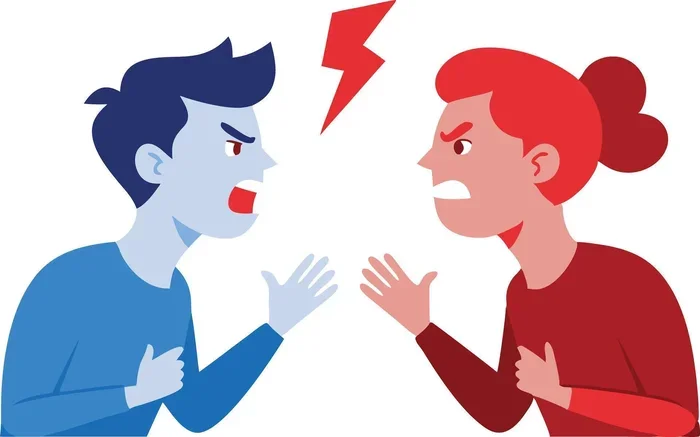
The acrimony meaning refers to bitter, sharp feelings of resentment and hostility between people or groups. It goes beyond simple anger and involves deep emotional bitterness that can damage relationships, careers, and even legal outcomes. Understanding what acrimony really means helps you recognize toxic patterns, communicate better, and protect your mental health.
Have you ever been in a conversation where the tension felt so thick you could cut it with a knife? Where every word felt sharp, every glance carried weight, and the whole exchange left you feeling drained and hurt? That is acrimony in action. The acrimony meaning goes far beyond a simple disagreement. It represents a deep, lingering bitterness that poisons interactions between people. In this article, we will break down exactly what this word means, where it shows up, and why understanding it matters so much in your everyday life.
Whether you are dealing with a bitter divorce, a hostile workplace, or just a heated argument with a friend, knowing how acrimony works can change the way you handle conflict. Let us dive in and explore this powerful word and its real-world impact.
Key Takeaways
- Acrimony meaning is clear: It describes deep-seated bitterness and hostility in interactions between people or groups.
- It shows up everywhere: From personal relationships and workplace conflicts to legal battles and political debates.
- Recognizing acrimony early can save your relationships and prevent emotional burnout.
- Legal contexts matter a lot: Acrimonious divorces and disputes can have serious financial and emotional consequences.
- You can reduce acrimony through empathy, active listening, and better communication habits.
- Long-term acrimony harms your health, causing stress, anxiety, and even physical symptoms over time.
📑 Table of Contents
- What Does Acrimony Mean?
- Where Does Acrimony Show Up in Real Life?
- Why Understanding Acrimony Matters So Much
- The Root Causes of Acrimony
- How to Deal with Acrimony Effectively
- Acrimony in the Legal World: A Closer Look
- The Long-Term Effects of Living with Acrimony
- Quick Tips for Reducing Acrimony in Daily Life
- Expert Insights on Handling Bitter Conflicts
- Key Takeaways
- Conclusion
What Does Acrimony Mean?
The acrimony meaning is straightforward but profound. At its core, acrimony refers to bitterness and harshness in speech, behavior, or attitude. It is that sharp, cutting edge in how people treat each other when resentment has taken root. The word comes from the Latin “acrimonia,” which means sharpness or bitterness. Over time, it has evolved to describe not just angry words but a sustained state of ill will between people or groups.
When you hear someone describe a situation as “acrimonious,” they are signaling that the conflict is not just a simple misunderstanding. There is genuine hostility underneath. It is the difference between two people disagreeing politely and two people exchanging venomous words full of hurt and anger.
Acrimony vs. Regular Anger
It helps to understand how acrimony differs from everyday anger. Everyone feels angry sometimes. Anger is a natural emotion. It flares up and often fades quickly. Acrimony, on the other hand, is deeper and longer-lasting. It is not just a moment of frustration. It is a pattern of bitter, resentful behavior that builds over time. Here is a simple comparison:
- Anger: A temporary emotional response to a specific event. It usually fades once the situation is resolved.
- Acrimony: A sustained state of bitterness and hostility. It lingers long after the initial trigger is gone.
- Resentment: While related, resentment is more about holding a grudge. Acrimony involves active, outward expressions of that bitterness.
- Hostility: This is a broader term for unfriendly behavior. Acrimony carries a specific tone of verbal and emotional sharpness.
Think of it this way. Anger is a spark. Acrimony is a slow-burning fire that keeps feeding on negative feelings. When the acrimony meaning is at play, people are not just upset in the moment. They carry that bitterness into future interactions, making every conversation more tense and charged.
Where Does Acrimony Show Up in Real Life?
The acrimony meaning applies to many different areas of life. It is not limited to one type of relationship or situation. Let us look at the most common places where acrimony appears and how it affects people involved.
Acrimony in Relationships and Divorces
Perhaps the most well-known use of the word is in family law. An acrimonious divorce is one where both parties harbor deep resentment and hostility. Instead of negotiating calmly, they exchange harsh words, make personal attacks, and drag out the legal process with bitterness. In these cases, the acrimony meaning is very real and very painful for everyone involved, especially any children.
When a relationship ends on bitter terms, the emotional toll can be enormous. People remember the harsh words long after the legal papers are signed. This kind of sustained bitterness can make co-parenting incredibly difficult and can poison family gatherings for years.
Acrimony in the Workplace
Workplace conflicts can also carry a heavy dose of acrimony. When colleagues have a falling out, the tension does not always stay behind closed doors. It can spread through teams, affect productivity, and create a toxic environment. A manager who speaks with acrimony toward their staff will struggle to earn respect or trust. Employees who feel bitter toward their employer may disengage completely, leading to higher turnover and lower morale.
Some common signs of workplace acrimony include:
- Passive-aggressive comments during meetings
- Refusing to collaborate or share information
- Gossip and backstabbing behind someone’s back
- Formal complaints filed out of personal spite rather than genuine concerns
- A general atmosphere of tension that everyone can feel
Recognizing these signs early is key. Left unchecked, workplace bitterness can destroy careers and damage entire organizations.
Acrimony in Legal and Political Settings
Courts and political arenas are breeding grounds for acrimony. Legal disputes, especially those involving money, property, or custody, often become acrimonious quickly. Lawyers use sharp, aggressive language. Clients feed off the hostility. The whole process becomes less about resolution and more about winning at any cost.
In politics, acrimonious debates have become increasingly common. Instead of discussing policy differences respectfully, politicians and their supporters trade personal attacks and hostile rhetoric. This kind of bitter political climate makes it harder for people to find common ground and work together on important issues.
Why Understanding Acrimony Matters So Much
Now that we have covered what the acrimony meaning is and where it appears, let us talk about why it matters. Understanding acrimony is not just an academic exercise. It has real, practical benefits for your personal and professional life.
Protecting Your Mental Health
Constant exposure to acrimony takes a serious toll on your mental well-being. When you are surrounded by bitter, hostile interactions, your stress levels rise. Your sleep suffers. Your ability to enjoy life diminishes. Over time, chronic exposure to acrimonious environments can lead to anxiety, depression, and burnout.
By understanding what acrimony is and how it works, you can take steps to protect yourself. You can set boundaries with toxic people. You can choose not to engage in bitter arguments. You can seek out healthier, more positive relationships instead.
Improving Your Communication Skills
When you recognize the signs of acrimony in your own behavior, you can make better choices about how you communicate. Instead of letting bitterness drive your words, you can choose to speak with kindness and clarity. This does not mean being a pushover. It means being assertive without being cruel. It means expressing your feelings without attacking the other person.
Some practical tips for reducing acrimony in your communication:
- Pause before responding when you feel angry
- Use “I” statements instead of blaming language
- Focus on the issue, not the person
- Listen actively and try to understand the other side
- Take a break if emotions are running too high
Preserving Important Relationships
Relationships that are filled with acrimony rarely survive. Friendships crumble under the weight of bitterness. Family bonds stretch to the breaking point. Romantic partnerships fall apart when hostility replaces love and respect. By learning to identify and address acrimony early, you can often save relationships that might otherwise be lost forever.
It is important to note that not all relationships can or should be saved. Some people are simply toxic, and no amount of effort will change that. But for relationships where both parties are willing to work on things, understanding the acrimony meaning is the first step toward healing.
The Root Causes of Acrimony
Nobody wakes up one morning and decides to be bitter and hostile. Acrimony builds over time, usually from a combination of factors. Understanding these root causes can help you address the problem at its source rather than just managing the symptoms.
Unmet Expectations
One of the biggest drivers of acrimony is unmet expectations. When people expect certain behavior from others and those expectations are not met, disappointment turns into resentment. Over time, that resentment hardens into bitterness. This happens frequently in romantic relationships, where partners may have different ideas about what commitment looks like, or in friendships where one person feels they are giving more than they are receiving.
Past Hurts That Were Never Addressed
Unresolved conflicts from the past can fuel present-day acrimony. If someone hurt you and they never apologized or made things right, that pain stays with you. It colors every future interaction with that person. The acrimony meaning in these situations is often rooted in a sense of injustice that was never acknowledged or resolved.
Fear and Insecurity
Sometimes acrimony is a defense mechanism. People who feel insecure or afraid may lash out with bitterness before others can hurt them first. This creates a cycle of hostility where both sides are acting out of fear rather than genuine anger. Breaking this cycle requires vulnerability and trust, which can be very difficult to rebuild once acrimony has taken hold.
Power Struggles and Ego
In many conflicts, acrimony arises from a desire to dominate or “win.” When people are more focused on being right or being in control than on finding a solution, the conversation becomes acrimonious quickly. Ego drives harsh words, personal attacks, and a refusal to compromise.
How to Deal with Acrimony Effectively
So what can you actually do when you find yourself in the middle of acrimony? Whether it is your own bitterness or someone else’s directed at you, there are practical steps you can take to manage the situation.
Step 1: Acknowledge What Is Happening
The first step is simple but powerful. Name it. Recognize that what you are experiencing is acrimony. When you can label the dynamic clearly, you take away some of its power over you. Instead of being swept up in the emotion, you can observe it more objectively and choose your response wisely.
Step 2: Set Clear Boundaries
You do not have to accept acrimonious behavior from anyone. Setting firm boundaries is a healthy and necessary step. This might mean telling a colleague that personal attacks are not acceptable, or limiting contact with a family member who consistently brings bitterness into your life. Boundaries are not about controlling others. They are about protecting your own peace and well-being.
Step 3: Seek Mediation or Professional Help
In some cases, especially legal or family disputes, a neutral third party can make a huge difference. Mediators, therapists, and counselors are trained to help people communicate without the venom that often accompanies acrimony. They create a safe space where both sides can be heard without fear of attack.
Step 4: Practice Forgiveness
Forgiveness is not about excusing bad behavior. It is about freeing yourself from the weight of bitterness. Holding onto resentment only hurts you in the long run. When you choose to forgive, you release the grip that acrimony has on your life. This does not happen overnight, but it is one of the most powerful steps you can take toward healing.
Step 5: Focus on What You Can Control
You cannot control other people’s behavior. You can only control how you respond. When you shift your focus to your own actions and reactions, you regain a sense of power and peace. This does not mean ignoring injustice or tolerating abuse. It means choosing your battles wisely and investing your energy where it will make the most positive difference.
Acrimony in the Legal World: A Closer Look
The legal world uses the word “acrimonious” more than almost any other setting. When a divorce is described as acrimonious, it signals to everyone involved that the proceedings will be contentious and emotionally charged. When a court case is labeled acrimonious, it tells lawyers and judges that the parties are unlikely to reach a settlement without significant intervention.
Acrimonious legal battles tend to cost more in both money and emotional energy. They take longer to resolve. They leave scars that last well beyond the final ruling. This is why many legal professionals now emphasize collaborative law and mediation as alternatives to the bitter, adversarial approach that characterizes so many modern disputes.
Understanding the acrimony meaning in a legal context helps people make better decisions about how to handle their disputes. Sometimes the most expensive path is not the best path. Sometimes choosing a less acrimonious approach saves time, money, and emotional well-being.
The Long-Term Effects of Living with Acrimony
Chronic acrimony does not just affect the moment. It has lasting consequences that ripple through every area of your life. People who live in acrimonious environments for extended periods often experience:
- Chronic stress and anxiety: The constant tension keeps your body in fight-or-flight mode, which takes a serious physical toll over time.
- Damaged self-esteem: Being on the receiving end of bitter, hostile treatment can erode your confidence and self-worth.
- Isolation: Acrimonious people tend to push others away, leading to loneliness and a shrinking social circle.
- Physical health problems: Studies have linked long-term exposure to hostility and bitterness with higher blood pressure, heart disease, and weakened immune function.
- Difficulty forming new relationships: Past acrimony can make you guarded and suspicious, making it hard to trust new people in your life.
These effects underscore why understanding the acrimony meaning and actively working to reduce it in your life is so important. It is not just about avoiding uncomfortable conversations. It is about protecting your overall health, happiness, and quality of life.
Quick Tips for Reducing Acrimony in Daily Life
You do not need to be in a dramatic legal battle to deal with acrimony. It shows up in small ways every day. Here are some quick tips to keep bitterness at bay:
- Choose your words carefully. Before you speak, ask yourself if your words build up or tear down.
- Assume good intent. Most people are not trying to be hostile. Give them the benefit of the doubt.
- Take responsibility for your part. Even in a heated conflict, there is usually something you could have done differently.
- Focus on solutions, not blame. Shifting from “who is wrong” to “how do we fix this” changes the entire dynamic.
- Practice empathy daily. Put yourself in the other person’s shoes, even when you disagree with them.
- Know when to walk away. Not every battle is worth fighting. Sometimes the best move is to step back and revisit the issue later.
Expert Insights on Handling Bitter Conflicts
Relationship experts and conflict resolution specialists consistently emphasize one key point: acrimony is almost never productive. Dr. John Gottman, a renowned relationship researcher, has found that contempt and bitterness are the strongest predictors of relationship failure. His research shows that couples who can reduce hostility and communicate with respect have dramatically higher chances of staying together and being happy.
In the workplace, organizational psychologists point out that acrimonious environments drive away top talent. The best employees do not want to work in settings where hostility and resentment are the norm. Companies that foster respect and collaboration consistently outperform those plagued by bitter internal conflicts.
Legal professionals also note a growing trend toward “de-escalation” in dispute resolution. Rather than letting conflicts become acrimonious, more parties are choosing mediation and collaborative approaches that focus on mutual benefit rather than domination.
Key Takeaways
- Acrimony is deep-seated bitterness: It goes beyond anger and involves sustained hostility and resentment in interactions.
- It appears in many areas of life: Relationships, workplaces, legal proceedings, and political discourse all experience acrimony regularly.
- The acrimony meaning matters for your health: Long-term exposure to bitter, hostile environments harms your mental and physical well-being.
- Root causes include unmet expectations and unresolved hurts: Understanding where acrimony comes from helps you address it more effectively.
- You can take practical steps to reduce it: Boundaries, empathy, forgiveness, and better communication all help lower acrimony in your life.
- Legal and professional settings benefit from less acrimony: Collaborative approaches often produce better outcomes than bitter, adversarial ones.
- Recognizing acrimony early is your best defense: The sooner you identify it, the easier it is to prevent it from spiraling out of control.
Conclusion
The acrimony meaning is more than just a dictionary definition. It is a real force that shapes our relationships, our workplaces, our legal systems, and our daily interactions. When we understand what acrimony truly is, we empower ourselves to handle conflict with more wisdom and compassion.
Bitterness and hostility are natural human responses to pain and disappointment. But when they become the dominant way we interact with others, they cause real and lasting harm. By recognizing the signs of acrimony, addressing its root causes, and choosing healthier ways to communicate, we can break free from its grip.
You do not have to live in a world ruled by acrimony. You can choose to respond with kindness even when others do not. You can set boundaries that protect your peace. You can seek help when bitterness feels too heavy to carry alone. The next time you feel that sharp, bitter edge creeping into your interactions, remember what you have learned here. You have the power to change the dynamic. You have the power to reduce acrimony in your life and in the lives of those around you.
Start today. Choose understanding over hostility. Choose empathy over bitterness. Your relationships, your health, and your happiness will thank you for it.
Frequently Asked Questions
What is the simple definition of acrimony?
The simple definition of acrimony is bitter, harsh feelings or behavior between people. It describes a situation where resentment and hostility are present in how people communicate or interact with each other. When something is described as acrimonious, it means the exchange or relationship is filled with sharp, biting negativity.
What causes acrimony in relationships?
Acrimony in relationships usually builds from unresolved conflicts, unmet expectations, and past hurts that were never properly addressed. When one or both partners harbor deep resentment and express it through hostile communication, the relationship becomes acrimonious. Over time, this bitterness erodes trust and makes it very difficult to resolve disagreements peacefully.
How is acrimony different from anger?
Anger is a temporary emotional reaction to a specific event, while acrimony is a deeper, longer-lasting state of bitterness and hostility. Anger tends to flare up and fade. Acrimony lingers and builds over time, coloring every interaction with negativity. Think of anger as a spark and acrimony as a slow-burning fire that keeps feeding on resentment.
Can acrimony be good for anything?
In rare cases, a certain level of sharpness in debate or negotiation can push people to advocate more strongly for their positions. However, in most situations, acrimony does more harm than good. It damages relationships, increases stress, and makes resolution much harder. Healthy conflict involves passion and conviction without the bitterness that defines true acrimony.
How do you deal with someone who is full of acrimony?
Dealing with an acrimonious person starts with setting clear boundaries about what behavior you will accept. Stay calm and do not match their hostility with more hostility. Try to understand the root cause of their bitterness without taking responsibility for it. If the situation is severe, seek mediation or professional help to create a safer, more productive dynamic.
What does acrimonious mean in a legal context?
In a legal context, acrimonious describes a dispute or proceeding that is filled with bitterness and hostility between the parties involved. An acrimonious divorce, for example, is one where both sides are deeply resentful and combative rather than willing to negotiate in good faith. Acrimonious legal cases tend to be more expensive, take longer, and leave all parties more emotionally drained than collaborative or amicable proceedings.