
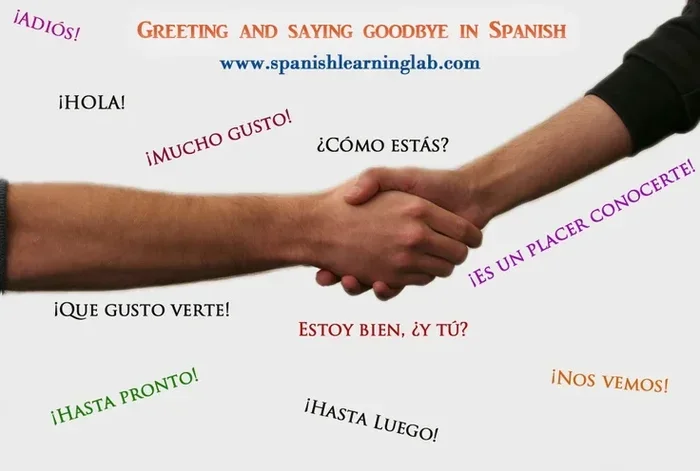
The mucho gusto meaning is “nice to meet you” or “pleased to meet you” in Spanish. This simple yet powerful phrase is one of the most important Spanish greetings you will ever learn. Whether you are traveling to Mexico, Spain, or any Spanish-speaking country, knowing how to say and respond to mucho gusto will instantly make you sound more polite and culturally aware. In this guide, we break down the meaning, pronunciation, usage, and cultural context of this phrase so you can use it with confidence in any situation.
Have you ever walked into a room full of Spanish speakers and felt completely lost? Maybe someone greeted you with “mucho gusto” and you froze. You smiled, nodded, and hoped for the best. We have all been there. But here is the good news. The phrase mucho gusto meaning is simple, beautiful, and incredibly useful. Once you understand it, you will use it every single day.
This guide covers everything you need to know about mucho gusto meaning, how to say it correctly, when to use it, and why it matters so much in Spanish-speaking cultures. Let us dive in.
Key Takeaways
- Mucho gusto means “nice to meet you” or “pleased to meet you” in Spanish.
- Pronunciation is key: “Moo-cho Goo-sto” with a soft “g” sound.
- It works in both formal and informal settings across all Spanish-speaking countries.
- Common responses include “igualmente” and “mucho gusto también.”
- Understanding the cultural context behind the phrase helps you use it naturally and respectfully.
- Similar phrases like “encantado” and “un placer” expand your Spanish greeting vocabulary.
- Practicing with real examples and scenarios builds confidence fast.
📑 Table of Contents
What Does “Mucho Gusto” Mean?
The mucho gusto meaning in English is “nice to meet you” or “pleased to meet you.” It is one of the most common Spanish greetings used when two people meet for the first time. The phrase is warm, polite, and universally understood across the Spanish-speaking world.
Let us break it down word by word:
- Mucho means “much” or “a lot.”
- Gusto means “pleasure” or “taste.”
So when you put them together, mucho gusto literally translates to “much pleasure.” That is a lovely way to say hello to someone new, is not it? It shows respect, warmth, and genuine interest in meeting the other person.
In Spanish language basics, this phrase holds a special place. It is often one of the first things taught in beginner Spanish courses. And for good reason. It works in almost every social situation where you are meeting someone for the first time.
When Do You Use “Mucho Gusto”?
You use mucho gusto when:
- You meet someone new at a party or social event.
- You are introduced to a colleague or business contact.
- You are traveling and meeting locals for the first time.
- You are taking a class and meeting your classmates.
- You are being introduced to a friend of a friend.
Basically, any time someone new enters your life and you want to make a great first impression, mucho gusto is the perfect phrase.
How to Pronounce “Mucho Gusto” Correctly
Pronunciation matters a lot when learning any new language. The mucho gusto pronunciation is straightforward, but there are a few details that make the difference between sounding natural and sounding like a textbook.
Here is a simple breakdown:
- Mucho is pronounced “moo-cho.” The “ch” sounds like the “ch” in “church.”
- Gusto is pronounced “goo-sto.” The “g” is soft, almost like a gentle “h” sound in English.
Put it together and you get “moo-cho goo-sto.” Say it slowly at first. Then speed up as it feels more natural.
Quick tip: Do not stress the “g” too hard. In Spanish, the letter “g” before “u” and “e” has a softer sound than in English. This is one of the most common mistakes beginners make. Keep it gentle and smooth.
Listen and Practice
The best way to master the mucho gusto pronunciation is to listen to native speakers. Try watching Spanish videos, listening to podcasts, or using language apps. Repeat the phrase out loud several times a day. Before you know it, it will roll off your tongue naturally.
When and Where to Use “Mucho Gusto”
The mucho gusto meaning stays the same no matter where you are. But the way you use it can change depending on the situation. Let us look at the different contexts where this phrase shines.
Formal vs Informal Settings
Mucho gusto works in both formal and informal situations. That is one of the reasons it is so popular. You can use it when:
- Shaking hands with a business partner.
- Meeting your new neighbor for the first time.
- Greeting someone at a wedding or formal event.
- Saying hello to a new classmate.
In formal settings, pair mucho gusto with a firm handshake and eye contact. In informal settings, a warm smile and relaxed body language work perfectly.
In Latin America vs Spain
Spanish is spoken across many countries, and each has its own flavor. But mucho gusto is understood everywhere. Whether you are in Mexico, Colombia, Argentina, or Spain, this phrase will always be understood and appreciated.
In some Latin American countries, people might respond with “mucho gusto también” which means “nice to meet you too.” In Spain, you might hear “encantado” or “encantada” depending on your gender. Both mean “delighted” or “charmed.”
The beauty of mucho gusto is its simplicity. You do not need to worry about regional differences. It just works everywhere.
Common Mistakes People Make with “Mucho Gusto”
Even though mucho gusto is simple, learners still make mistakes. Here are the most common ones and how to avoid them.
Mistake 1: Mispronouncing the “G”
The English “g” sound in words like “go” or “good” does not exist in Spanish the same way. When you say gusto, keep the “g” soft. Think of it as a gentle breath rather than a hard sound.
Mistake 2: Using It After Already Knowing Someone
Mucho gusto is for first meetings. If you have already met someone, saying it again can feel a bit odd. Instead, use phrases like “¡Qué tal!” or “¡Hola!” for ongoing greetings.
Mistake 3: Forgetting to Respond
When someone says mucho gusto to you, always respond. The most common response is “igualmente” which means “likewise.” You can also say “mucho gusto también” or simply “encantado” or “encantada.”
Mistake 4: Overthinking It
Do not stress about getting it perfect. Native speakers appreciate the effort. A sincere “mucho gusto” with a smile goes a long way, even if your pronunciation is not perfect.
Similar Spanish Phrases You Should Know
Once you understand the mucho gusto meaning, you will want to expand your Spanish greeting vocabulary. Here are some similar phrases that serve the same purpose.
| Spanish Phrase | English Meaning | When to Use |
|---|---|---|
| Mucho gusto | Nice to meet you | First meetings, all settings |
| Encantado / Encantada | Pleased to meet you (male/female) | Formal and informal |
| Un placer | A pleasure | Formal introductions |
| Es un gusto conocerte | It is a pleasure to meet you | Warm, personal introductions |
| Mucho gusto también | Nice to meet you too | Responding to someone |
| Igualmente | Likewise | Responding to mucho gusto |
Each of these phrases carries a slightly different tone. Encantado sounds a bit more elegant. Un placer is very formal. Mucho gusto is the go-to for almost any situation.
Pro tip: Learning a few of these variations makes you sound more natural and fluent. It also shows that you understand the nuances of Spanish social phrases and polite expressions in Spanish.
Why Learning This Phrase Opens Doors
You might wonder why such a simple phrase deserves so much attention. The answer is straightforward. Mucho gusto is more than just a greeting. It is a cultural bridge.
When you greet someone in their language, you show respect for their culture. You signal that you care enough to learn. In Spanish-speaking countries, personal connections matter deeply. A warm “mucho gusto” can break the ice faster than any other phrase.
Here are some real-life situations where knowing mucho gusto makes a difference:
- Traveling: Locals appreciate it when visitors make the effort to speak Spanish.
- Business: First impressions in professional settings matter a lot.
- Social life: Meeting new people becomes easier and more enjoyable.
- Language learning: Using real phrases builds confidence fast.
Think about it. When someone makes an effort to speak your language, how does that make you feel? Good, right? That is exactly the impact mucho gusto has.
The Cultural Context Behind “Mucho Gusto”
In many Spanish-speaking cultures, politeness and warmth are deeply valued. People tend to be expressive, friendly, and welcoming. The phrase mucho gusto reflects this cultural spirit perfectly.
It is not just about the words. It is about the attitude behind them. When you say mucho gusto, you are saying “I am happy you are here” and “I value this meeting.” That is a powerful message in any language.
Expert insight: According to language experts, greetings like mucho gusto are among the first building blocks of Spanish conversation skills. They set the tone for every interaction that follows. Master this one phrase, and you will feel more comfortable in any Spanish-speaking environment.
How to Practice “Mucho Gusto” in Real Life
Theoretical knowledge is great, but real practice is what builds fluency. Here are some practical ways to use mucho gusto in your daily life.
1. Practice with a Language Partner
Find a language exchange partner online or in your community. Greet each other with “mucho gusto” every time you start a session. It will become second nature.
2. Use Language Learning Apps
Apps like Duolingo, Babbel, and HelloTalk offer exercises focused on common Spanish phrases and Spanish greetings for beginners. Use them daily for quick practice sessions.
3. Watch Spanish Videos
Watch Spanish TV shows, YouTube videos, or movies. Pay attention to how native speakers use greetings like mucho gusto in different contexts. Repeat after them.
4. Talk to Yourself
This might sound silly, but it works. Stand in front of a mirror and practice greeting yourself with “mucho gusto.” It helps with muscle memory and builds confidence.
5. Attend Local Spanish Events
If you live in an area with a Spanish-speaking community, attend cultural events, meetups, or language exchange nights. Use mucho gusto every time you meet someone new.
The more you practice, the more natural it becomes. Within a few weeks, you will say mucho gusto without even thinking about it.
Key Takeaways
- Mucho gusto meaning is “nice to meet you” or “pleased to meet you.”
- Pronounce it as “moo-cho goo-sto” with a soft “g” sound.
- It works in every Spanish-speaking country and in both formal and informal settings.
- Respond with “igualmente,” “mucho gusto también,” or “encantado/encantada.”
- Avoid common mistakes like mispronouncing the “g” or using it with people you already know.
- Similar phrases like “encantado” and “un placer” add variety to your Spanish greeting toolkit.
- Practice regularly with real conversations, apps, and media to build confidence.
Conclusion
The mucho gusto meaning is simple, but its impact is huge. This one phrase can transform your interactions in any Spanish-speaking environment. It shows respect, warmth, and cultural awareness. Whether you are a complete beginner or an intermediate learner, mastering mucho gusto is a must.
Remember, language is about connection. Every time you say “mucho gusto,” you are opening a door to a new friendship, a new opportunity, or a new cultural experience. Do not be afraid to use it. Speak it with confidence and a genuine smile.
Start today. Practice the pronunciation. Use it in real conversations. And watch how quickly it becomes one of your most natural Spanish expressions. The world of Spanish language basics is waiting for you, and mucho gusto is the perfect place to begin.
So the next time someone says “mucho gusto” to you, you will know exactly what it means. And you will respond with a warm, confident smile. That is the power of knowing what mucho gusto meaning really is.
Frequently Asked Questions
What is the exact meaning of “mucho gusto”?
Mucho gusto meaning is “nice to meet you” or “pleased to meet you.” It is a polite Spanish greeting used when two people meet for the first time. The phrase literally translates to “much pleasure” in English.
How do you respond to “mucho gusto”?
The most common response is “igualmente,” which means “likewise.” You can also say “mucho gusto también” or “encantado/encantada” depending on your gender. All of these responses show that you share the same feeling of pleasure in meeting the person.
Is “mucho gusto” formal or informal?
Mucho gusto works in both formal and informal settings. It is one of the most versatile Spanish greetings you will learn. Use it with business colleagues, new friends, or strangers you meet while traveling. It always fits the occasion.
How do you pronounce “mucho gusto”?
Pronounce it as “moo-cho goo-sto.” The “ch” in mucho sounds like the “ch” in the English word “church.” The “g” in gusto is soft, almost like a gentle breath. Practice saying it slowly and then speed up as you get comfortable.
Can “mucho gusto” be used in all Spanish-speaking countries?
Yes, absolutely. Mucho gusto is universally understood across all Spanish-speaking countries. Whether you are in Mexico, Spain, Argentina, Colombia, or any other Spanish-speaking nation, this phrase will always be recognized and appreciated.
What is the difference between “mucho gusto” and “encantado”?
Mucho gusto is the most common and versatile way to say “nice to meet you.” Encantado (or “encantada” for women) means “delighted” or “charmed” and sounds a bit more elegant. Both are appropriate for first meetings, but mucho gusto is the safer and more widely used option.
=== CONCLUSION ===
The mucho gusto meaning is one of those simple phrases that carries enormous weight. It is your ticket to making a warm, respectful first impression in any Spanish-speaking environment. From its literal translation of “much pleasure” to its real-world use in daily conversations, mucho gusto is a phrase worth mastering.
Now that you know the meaning, pronunciation, proper responses, and cultural context, you are ready to use it with confidence. Practice it every day. Use it in real conversations. And remember, every time you say “mucho gusto,” you are building bridges and making connections that last.
Start using mucho gusto today and watch how it transforms your Spanish interactions. You have got this!