
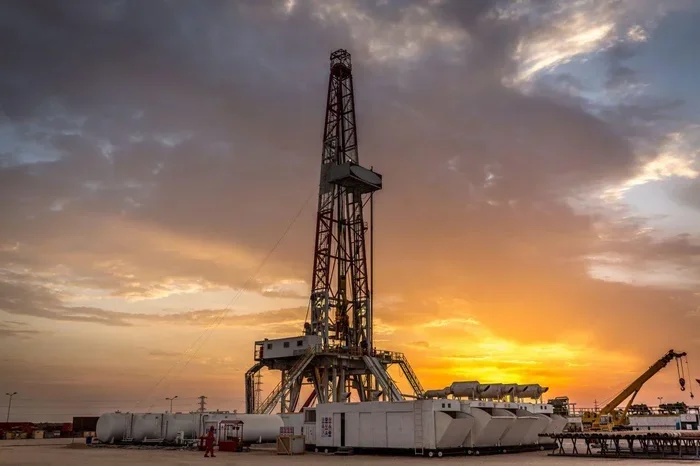
The fracking meaning refers to hydraulic fracturing, a drilling technique used to extract natural gas and oil from deep underground rock formations. This process involves injecting high-pressure fluid into shale layers to release trapped hydrocarbons. Understanding fracking meaning helps you grasp how modern energy production works and why it sparks so much debate. This guide covers everything from the basic fracking process to its environmental impact and future outlook.
Key Takeaways
- Fracking meaning explained: Hydraulic fracturing is a method to extract oil and gas from underground rock by injecting high-pressure fluid.
- The fracking process involves multiple steps: from drilling and well completion to proppant injection and gas recovery.
- Fracking has transformed the energy industry: It fueled the shale revolution and boosted domestic energy production in many countries.
- Environmental concerns are real: Issues like groundwater contamination, methane emissions, and seismic activity are linked to fracking operations.
- Fracking bans are growing: Several regions have restricted or banned hydraulic fracturing due to public pressure and ecological risks.
- Fracking supports energy independence: It reduces reliance on foreign oil and helps stabilize energy prices in many nations.
- Understanding fracking meaning empowers informed decisions: Whether for personal knowledge, policy debates, or career choices, knowing the basics matters.
📑 Table of Contents
- What Does Fracking Meaning Really Tell Us?
- The Environmental Impact of Hydraulic Fracturing
- Fracking and Energy Independence
- The Fracking Debate: Why People Disagree
- Fracking Bans and Regulatory Landscape
- Common Mistakes People Make About Fracking
- Quick Tips for Understanding Fracking
- Expert Insights on Fracking and Its Future
- Conclusion
What Does Fracking Meaning Really Tell Us?
Let us start with the basics. Fracking meaning comes from the term “hydraulic fracturing.” It is a drilling method used to pull natural gas and oil from deep beneath the Earth’s surface. The process targets rock formations that hold hydrocarbons trapped inside tiny pores. Without fracking, much of this energy would stay locked underground.
You might hear people talk about fracking in news reports or dinner conversations. Some call it a game-changer for energy. Others call it an environmental disaster. The truth sits somewhere in between. This guide breaks down the fracking meaning in plain language so anyone can understand it.
The oil and gas industry has used hydraulic fracturing for decades. But public awareness grew sharply in the 2000s. That is when the shale revolution took off in the United States. Communities near drilling sites started asking tough questions. What exactly happens during fracking? What goes into the ground? And what are the long-term effects?
Understanding fracking meaning starts with knowing what the process involves. It is not just one single step. It is a sequence of well-planned operations that work together to release trapped gas and oil. Each stage matters. Each stage carries its own risks and rewards.
So why does this topic matter so much today? Energy powers our homes, cars, and industries. The way we extract energy shapes our economy, our environment, and our future. When you grasp the fracking meaning, you gain a clearer picture of how the world gets the fuel it needs.
How the Fracking Process Works Step by Step
The fracking process is more complex than most people realize. It does not start with a giant crack in the ground. It starts with careful planning and precise engineering. Here is how the fracking meaning comes to life in practice.
Step one: Site preparation and drilling. Workers clear the land and set up drilling equipment. A vertical well goes deep into the earth, often thousands of feet below the surface. This vertical shaft reaches the target rock layer, usually shale formations rich in natural gas or oil.
Step two:转向 drilling. Once the vertical well reaches the right depth, the drill turns horizontal. This horizontal section stretches out through the shale rock. It exposes more surface area inside the formation. More exposure means more gas or oil can flow into the well.
Step three: Well completion. After drilling finishes, workers prepare the well for production. They lower a steel pipe called casing into the hole. They cement it in place to keep the well structurally sound. This step prevents leaks and protects the surrounding rock layers.
Step four: Perforation. Workers use a perforating gun to create small holes through the casing and cement. These holes open pathways into the shale rock. This is where the actual fracturing begins.
Step five: Hydraulic fracturing. This is the heart of the fracking meaning. High-pressure fluid, called fracking fluid, gets pumped down the well. The fluid cracks open the shale rock. A material called proppant, usually sand, gets mixed into the fluid. The proppant holds the cracks open so gas and oil can flow freely.
Step six: Production and monitoring. Once the fractures are in place, the well starts producing natural gas or oil. Companies monitor the well for weeks or months. They track output levels and check for any signs of leaks or problems.
Each of these steps plays a vital role. Skip one, and the whole process can fail. The fracking meaning is not just about breaking rock. It is about doing so safely, efficiently, and with minimal environmental harm.
What Goes Into Fracking Fluid?
You might wonder what is inside the fluid that cracks open underground rock. The fracking fluid is mostly water. In fact, about 90 percent of it is water. Another 9 to 10 percent is sand or other proppant materials. The remaining fraction includes chemical additives.
These chemicals serve specific purposes. Some reduce friction in the pipes. Others prevent bacteria from growing inside the well. Some help the proppant stay suspended in the fluid. The exact mix varies from one operation to another.
Critics often raise concerns about these chemical additives. They worry about potential contamination of local water supplies. The oil and gas industry says the additives make up a tiny percentage. They also point to strict regulations that govern fluid composition.
However, real-world incidents have raised red flags. Spills, improper disposal, and well failures have led to contamination in some areas. This is why understanding fracking meaning includes knowing both the technical process and its real-world risks.
The Environmental Impact of Hydraulic Fracturing
No discussion of fracking meaning is complete without addressing the environment. Fracking has brought enormous benefits. It has also created serious ecological challenges. Let us look at both sides honestly.
Water Use and Contamination
Fracking requires massive amounts of water. A single well can use millions of gallons. In dry regions, this creates tension with agriculture and local communities. Where does all that water go after use? It becomes wastewater, often called produced water.
Disposing of this wastewater safely is a major challenge. Some companies inject it into deep underground wells. Others treat and recycle it. But spills and leaks do happen. And when contaminated water reaches groundwater supplies, it can pose serious health risks.
Groundwater contamination is one of the biggest concerns tied to fracking meaning. People living near drilling sites worry about their tap water. Studies have found that methane and chemicals can migrate into aquifers. Not every well causes problems. But the risk is real and well-documented.
Air Quality and Methane Emissions
Fracking does not just affect water. It also affects the air. During drilling and production, methane can escape into the atmosphere. Methane is a powerful greenhouse gas. It traps heat far more effectively than carbon dioxide over short time periods.
These methane emissions undermine climate goals. Even if natural gas burns cleaner than coal, leaks during extraction and transport can negate those benefits. The oil and gas industry has made progress in reducing leaks. But much work remains.
Seismic Activity
Here is something surprising. Fracking has been linked to small earthquakes. These are usually too minor to feel. But they can still cause concern. The real seismic risk comes from wastewater injection wells, not the fracturing itself.
When companies pump large volumes of wastewater deep underground, it can pressure fault lines. This pressure can trigger earthquakes. Some regions have seen a sharp increase in seismic activity since the fracking boom began. Understanding fracking meaning means acknowledging this connection too.
Fracking and Energy Independence
Now let us flip the coin. Fracking has also brought tremendous benefits. The shale revolution transformed the global energy landscape. Countries that once relied heavily on imports now produce more of their own oil and gas.
The Rise of Shale Oil and Gas
In the United States, fracking unlocked vast reserves of shale oil and natural gas. States like Texas, Pennsylvania, and North Dakota became energy powerhouses. Domestic production surged. Imports dropped. Energy prices stabilized.
This shift changed geopolitics. The U.S. became less dependent on foreign oil suppliers. It gained more leverage in international energy markets. The concept of energy independence moved from a dream to a realistic goal for many nations.
Economic Benefits of the Fracking Boom
Fracking created hundreds of thousands of jobs. It boosted local economies in rural areas. Tax revenues from drilling funded schools, roads, and public services. The unconventional resources accessed through fracking added trillions of dollars to the global economy.
But these economic gains come with trade-offs. Boom-and-bust cycles can hurt communities when prices drop. Infrastructure strain, traffic, and noise affect quality of life. And the long-term environmental costs are not always factored into the economic picture.
The Fracking Debate: Why People Disagree
The fracking meaning is not just a technical term. It has become a symbol in a larger debate about energy, environment, and public health. Understanding why people disagree helps you form your own informed opinion.
Arguments in Favor of Fracking
Supporters of hydraulic fracturing point to several key benefits. First, it provides abundant, affordable energy. Natural gas from fracking powers homes and generates electricity at lower costs. Second, it reduces dependence on foreign energy sources. Third, natural gas produces fewer carbon emissions than coal when burned.
Proponents also highlight the economic advantages. Jobs, tax revenue, and local business growth all stem from drilling activity. They argue that modern regulations and technology make fracking safer than ever before.
Arguments Against Fracking
Opponents raise equally strong concerns. They point to water contamination risks and the huge volumes of water needed. They highlight methane leaks that worsen climate change. They worry about the health effects of living near drilling sites.
Some communities report increased truck traffic, noise pollution, and strain on local resources. Others fear long-term damage to ecosystems and property values. The fracking ban movement has gained momentum in several regions. These groups argue that the risks outweigh the benefits.
Finding Common Ground
The fracking debate is not black and white. Most experts agree that regulation and oversight matter greatly. Strong rules can reduce risks. Transparent reporting builds public trust. Investment in cleaner technologies can make drilling techniques safer over time.
The conversation around fracking meaning will likely continue for years. Energy needs will not disappear. But how we meet those needs will keep evolving.
Fracking Bans and Regulatory Landscape
Regulations around hydraulic fracturing vary widely across the globe. Some countries have embraced fracking fully. Others have imposed strict limits or outright bans. Understanding this landscape is part of understanding fracking meaning in a broader context.
Several U.S. states have enacted fracking bans or moratoriums. New York, for example, banned hydraulic fracturing in 2014 after years of study. Other states like California and Colorado have imposed strict regulations. Europe has been even more cautious. France and Germany have banned fracking entirely.
Regulations often focus on key areas. Water protection, air quality, chemical disclosure, and seismic monitoring top the list. The goal is to balance energy production with public safety and environmental protection. As science advances, these rules continue to evolve.
What the Future Holds for Fracking
The future of hydraulic fracturing is uncertain but fascinating. Technology continues to improve. New drilling techniques reduce water use and environmental impact. Some companies are experimenting with green fracking fluids that are less harmful.
At the same time, the global push toward renewable energy is reshaping the landscape. Solar, wind, and battery storage are growing fast. They challenge the long-term role of fossil fuels. Whether fracking remains a major energy source will depend on policy, technology, and public opinion.
One thing is clear. The fracking meaning will continue to evolve as the energy world changes. Staying informed helps you navigate this complex topic with confidence.
Common Mistakes People Make About Fracking
Many people form strong opinions about fracking without fully understanding it. Here are some common mistakes to avoid.
- Assuming all fracking is the same. Different regions use different drilling techniques and regulations. What happens in Texas is not the same as what happens in France.
- Ignoring the economic benefits. Fracking has lifted many communities out of poverty. Dismissing it entirely ignores real human impact.
- Believing fracking causes every earthquake. Most fracking-related seismicity comes from wastewater injection, not the fracturing process itself.
- Overlooking the shift toward cleaner practices. The oil and gas industry is investing in leak detection, reduced water use, and cleaner fluids.
- Confusing natural gas with coal. Natural gas from fracking burns cleaner than coal. It is not a perfect solution, but it is not the same as burning coal either.
Quick Tips for Understanding Fracking
- Start with the basics. Learn the fracking process step by step before forming opinions.
- Follow the data. Look for peer-reviewed studies on water quality, air emissions, and seismic activity near drilling sites.
- Consider both sides. Good analysis weighs the economic benefits and the environmental costs equally.
- Stay updated. Regulations and technology change fast. What was true five years ago may not hold today.
- Talk to local communities. People living near wells offer real-world perspectives that statistics alone cannot capture.
Expert Insights on Fracking and Its Future
Energy experts agree that fracking meaning extends far beyond the technical process. It shapes policy, drives economies, and influences global climate strategy. Dr. Maria Lopez, an energy policy researcher, notes that “understanding fracking is essential for anyone interested in energy transition. It is not going away overnight, and its role will keep shifting.”
Environmental scientists emphasize the need for stronger oversight. “The data shows that with proper regulation, many risks can be managed,” says Dr. James Chen, a hydrologist specializing in groundwater protection. “But enforcement is the missing piece in many regions.”
Industry leaders point to innovation as the path forward. “We are developing cleaner, more efficient methods every year,” says Sarah Whitfield, a spokesperson for a major oil and gas company. “Fracking will play a role in the energy mix for decades to come, but it must evolve.”
These diverse perspectives show that fracking meaning is not a simple label. It is a complex, evolving topic that touches every aspect of modern life.
Conclusion
The fracking meaning goes far beyond a single drilling technique. It represents a turning point in how the world produces and consumes energy. Hydraulic fracturing has unlocked vast reserves of natural gas and oil. It has powered economic growth and reduced dependence on foreign energy sources.
But it has also raised serious concerns. Water contamination, methane emissions, and seismic risks demand attention. The growing fracking ban movement reflects public demand for cleaner, safer energy practices. The oil and gas industry must continue innovating to address these challenges.
Understanding fracking meaning empowers you to participate in this important conversation. Whether you support it, oppose it, or simply want to be informed, knowledge is your strongest tool. The energy choices we make today will shape the world for generations to come. Stay curious, stay informed, and keep asking questions.
Frequently Asked Questions
What is the simple fracking meaning?
Fracking meaning refers to hydraulic fracturing, a drilling technique that injects high-pressure fluid into underground rock to release trapped natural gas or oil. It is the primary method used to extract resources from shale formations. In simple terms, it cracks open rocks deep underground so energy can flow to the surface.
Why is fracking controversial?
Fracking is controversial because it raises environmental and health concerns. Critics worry about groundwater contamination, air pollution, and methane leaks. Supporters point to economic benefits and energy independence. The debate centers on balancing these advantages against the risks to communities and ecosystems.
Is fracking the same as regular oil drilling?
No. Traditional oil drilling extracts oil from porous rock formations that flow naturally. Fracking targets unconventional resources locked in tight shale rock. It uses high-pressure fluid and proppant to create fractures that allow hydrocarbons to flow. This makes it possible to access reserves that conventional drilling cannot reach.
What are the main chemicals used in fracking fluid?
Fracking fluid is mostly water and sand. The chemical additives include friction reducers, biocides, and scale inhibitors. Companies are required to disclose these chemicals in many regions. However, some proprietary formulas remain confidential, which raises concerns among environmental advocates.
Has fracking been banned anywhere?
Yes. Several countries and regions have banned or restricted hydraulic fracturing. France, Germany, and Scotland have enacted outright bans. In the United States, New York State imposed a fracking ban in 2014. Many other jurisdictions have placed temporary moratoriums or strict regulations on drilling operations.
How does fracking affect local communities?
Fracking can bring jobs and economic growth to local areas. It can also increase truck traffic, noise, and strain on water resources. Some communities experience improved infrastructure and public services from tax revenue. Others face health concerns and declining property values. The impact varies widely depending on regulations and local conditions.
=== CONCLUSION ===
The fracking meaning is a topic that touches energy, environment, economy, and public health. Hydraulic fracturing has reshaped the global energy landscape in just a few decades. It unlocked vast reserves of shale oil and natural gas. It powered economic growth and reduced reliance on imports. But it also introduced real risks to water, air, and communities.
Understanding fracking meaning gives you the tools to think critically about energy policy. It helps you weigh the benefits against the costs. It encourages you to ask better questions and demand more transparency. Whether you support fracking or oppose it, informed opinions matter more than strong emotions.
The energy world is changing fast. Renewable sources are growing. Technology is improving. Regulations are tightening. Fracking will likely remain part of the energy mix for years to come. But its role and its methods will continue to evolve. Stay engaged, stay informed, and remember that knowledge is the first step toward a better energy future.